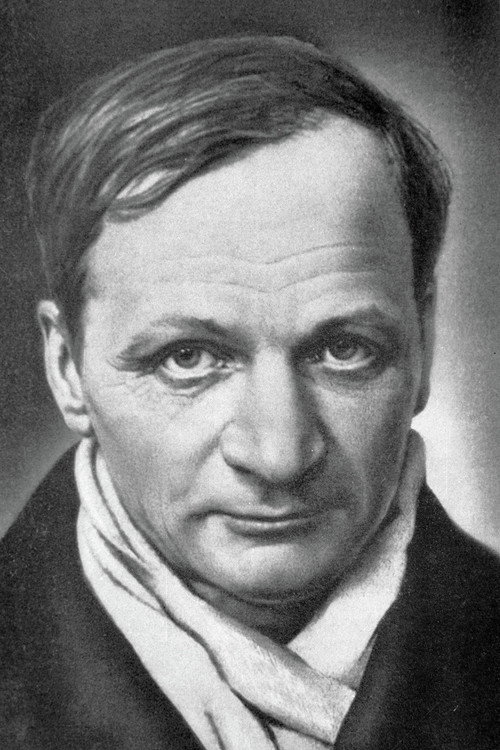
Andrei Platonov
Writing
Biography
Andrei Platonovich Klimentov, known by his pen name Andrei Platonov (1899–1951) was a Soviet Russian writer, philosopher, playwright and poet. Although Platonov regarded himself as a communist, his principal works remained unpublished in his lifetime because of their skeptical attitude toward collectivization of agriculture (1929–1940) and other Stalinist policies, as well as for their experimental, avant-garde form. His famous works include the novels Chevengur (1928) and The Foundation Pit (1930). Platonov's writing has strong ties to the works of earlier Russian authors like Fyodor Dostoevsky. Christian symbolism is prevalent in his works, as well as a prominent and discernible influence from a wide range of contemporary and ancient philosophers, most importantly Nikolai Fedorov. Platonov's influence on later Russian writers is considerable. Some of his work was published or republished during the 1960s' Khrushchev Thaw, and during the 1970s and 1980s. Because of his political writings, perceived anti-totalitarian stance, Joseph Brodsky called him the world's strangest writer.
Known For

A World War II prisoner returns home to his childhood sweetheart. However, back home, he discovers that he has to compete to win her love.
Maria's Lovers

In a farmhouse in southern Italy, an old woman dies. Her husband summons their sons: from Rome, Raffaele, a judge facing a political case for which he risks assassination; from Naples, the religious and ideological Rocco, a counselor at a correctional institute for boys; from Turin, Nicola, a factory worker involved in labor disputes. Once home, each encounters the past and engages in reveries of what may come.
Three Brothers
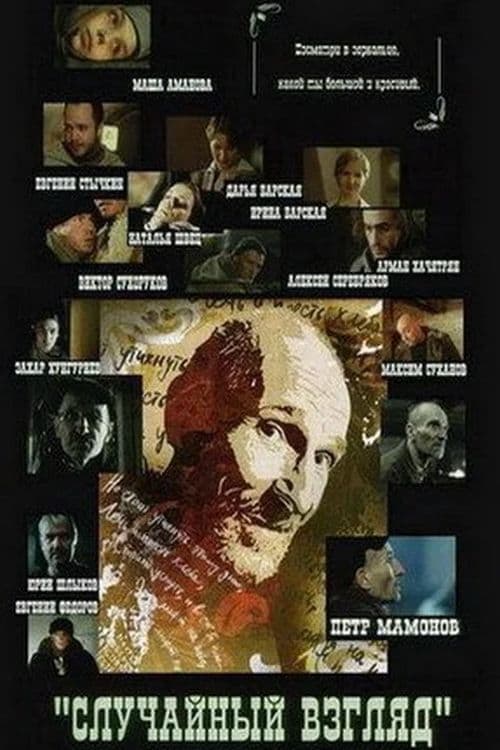
A very rare, unfortunately unfinished film based on the brilliant novel by Andrei Platonov. Shot partly in the style of a silent movie. with strange whispers and sounds. Fans of the unusual must watch.
Casual Glance
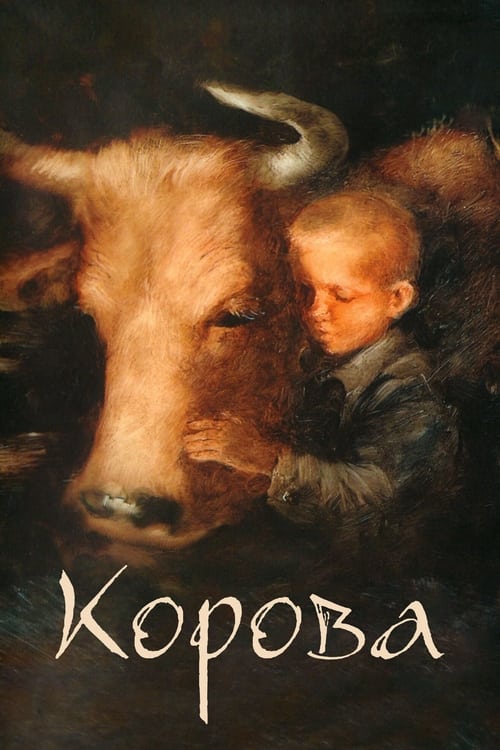
A boy recalls the story of how his family lost its cow. Based on a short story by Andrei Platonov.
The Cow
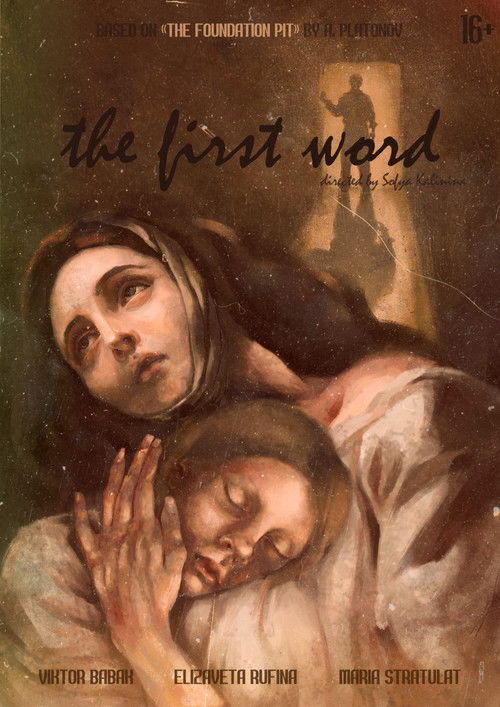
No description available.
The first word
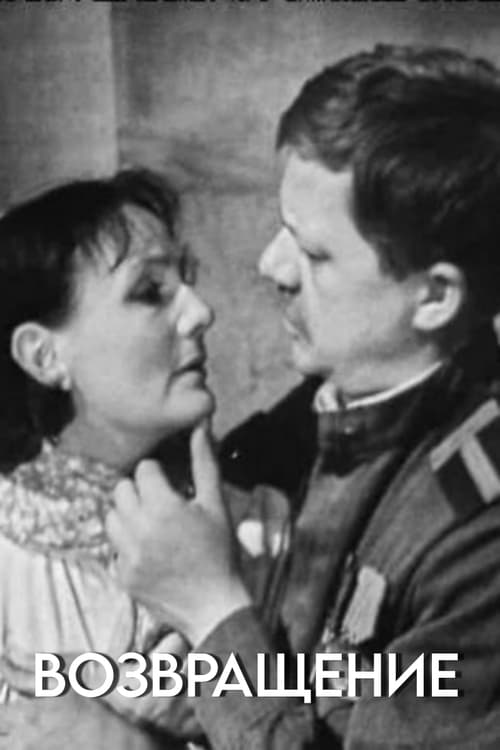
The soldier returned home after the end of the war. And now we need to get used to a peaceful life again, a wife, children who grew up without him.
Return

The Homeland of Electricity, Larisa Shepitko's adaptation of an Andrei Platonov story, was one of three short films collected in an omnibus work (Beginning of an Unknown Era) commissioned to honor the 50th Anniversary of the October Revolution. Censors eventually shelved the film and it would not see the light of day until well after Shepitko's death, during Mikhail Gorbachev's perestroika.
The Homeland of Electricity
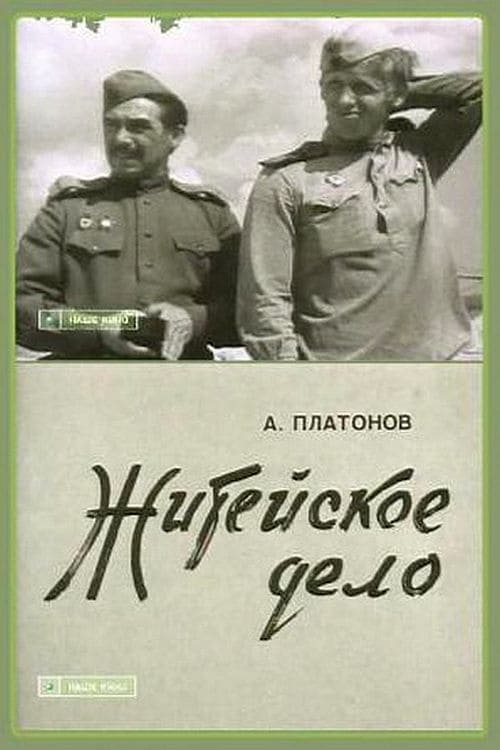
It consists of three short stories united by the theme of war: "Where Are You, Lyubov Dunyashova?", "You Have Me", "Everyday Matters".
Everyday Matters

Two young directors adapted the short stories of two Russian authors whose works had been banned for decades, and so their film ended up in the censor’s vault as well – for twenty years. Both tales look back to the post-revolutionary era: 'Angel' (Olesha) speaks tragically of the brutality and destruction of the time, and 'The Homeland of Electricity' (Platonov) captures its haunting grotesquery.
Beginning of an Unknown Era
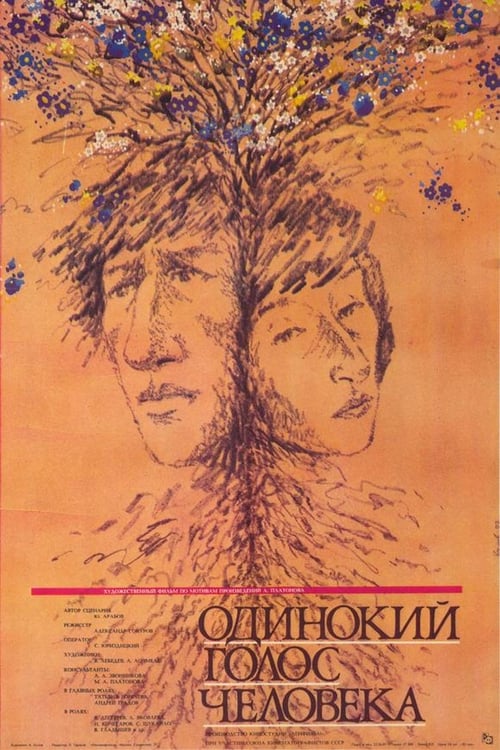
Set in the early 1920s after the end of the Russian Civil War, Red Army soldier Nikita returns to his hometown to see his partner Lyuba, both of whom are scarred by the trauma of the Russian Empire of yesteryear.
The Lonely Voice of Man
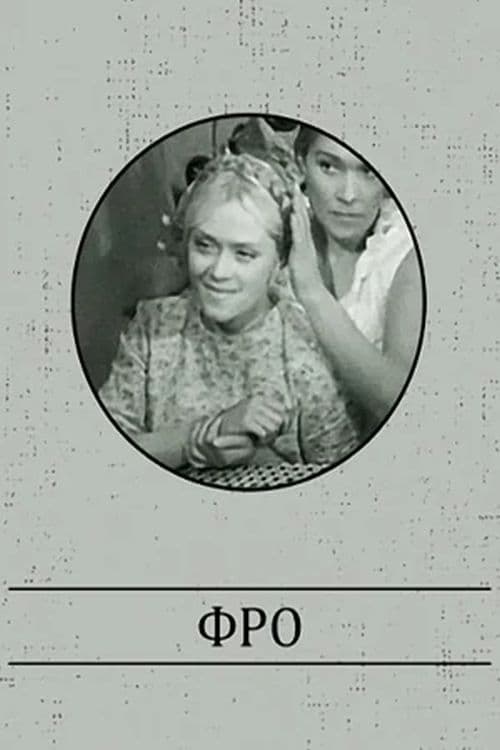
The 1930s were a time of five-year plans, construction projects, and the development of remote areas of the country. Frosya's husband leaves her and goes to the Far East. Unable to cope with her loneliness, Frosya sends her husband a telegram informing him that she is seriously ill. Fedor arrives and enthusiastically tells his wife about the country's construction projects, then leaves, leaving her alone with thoughts about the need to study and live for the sake of universal happiness...
Fro
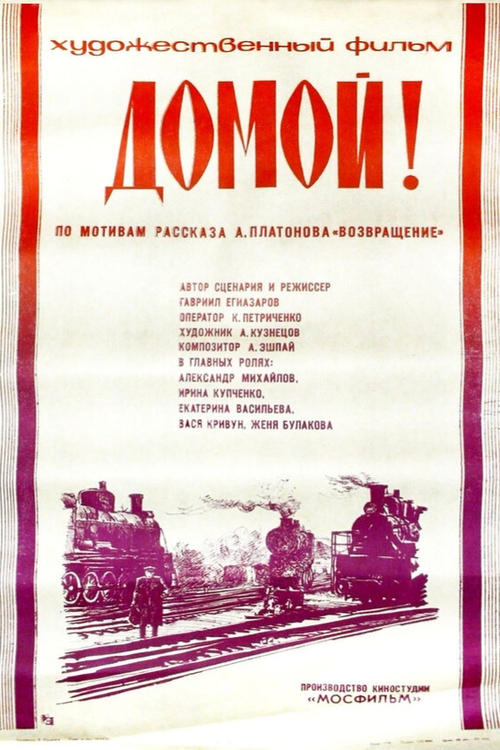
A movie about love and betrayal. About war, about returning from war. However, the film does not reflect Platonov's important theme of epiphany. In the story, the protagonist does not just forgive his wife, but begins to realize how hard it was for her in the rear and at the same time realizes his selfishness and moral deafness. The peculiarity of the movie is that the characters speak in Platonovian constructions, which sound very unusual for ordinary speech.
Homeward!
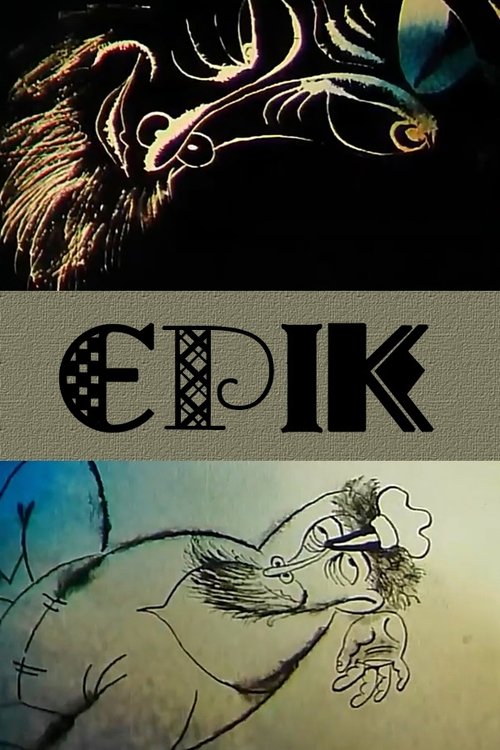
This is a story about a man who brings about the end of the world, which his compatriots greet with joy and merriment. Screen adaptation of Andrei Platonov's story, created by Kyivnaukfilm studio. The animation masterfully conveys the whimsicality of the writer's prose, which exposed the absurdity and horror of Soviet life above all.
Yerik
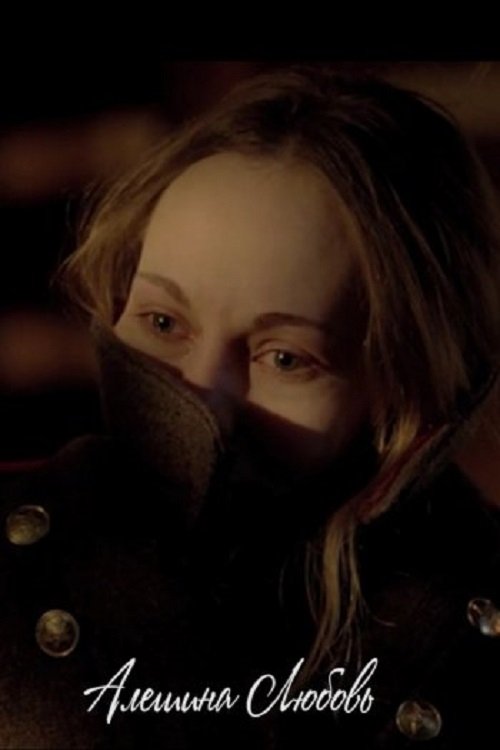
1945. The War has ended. Alyosha is coming home, expecting tenderness and kindness of his beloved wife, Lyba, and his children. But many things have changed. Except one - his wife still extremely loves him. But would he accept that love? Based on a A. Platonov novel.
Alyosha's Love
An attempt to express the relationship between space and the ability to reflect it. The result of these relations can be considered the non-representational nature of space, as a tangible form, and the tendency of space to have consciousness. We are talking about "inward-directed" vision and "outward-directed" vision. Hence the abandonment of normal voice acting in favor of the aesthetics of silent cinema; on the audio track you will only hear the recorded crackle of a film projector and the quiet off-screen conversations of some people. The film is based on Andrei Platonov's story "The Potudan River", the film adaptation of which for Edward Shelganov, as well as for Alexander Sokurov, became a debut in cinema.
The First Cold

In the 1920s, in Turkmenistan, Qalli-bai makes the difficult decision to join the Basmachi, leaving behind his ailing wife in the care of their daughter, Dzhamal.
Slave
Partially lost.
Ayna
Curious little Afonya wants to know EVERYTHING in the world! And it is completely beyond him why his old grandfather sleeps all day. Based on a short story by A.P. Platonov
Цветок на земле
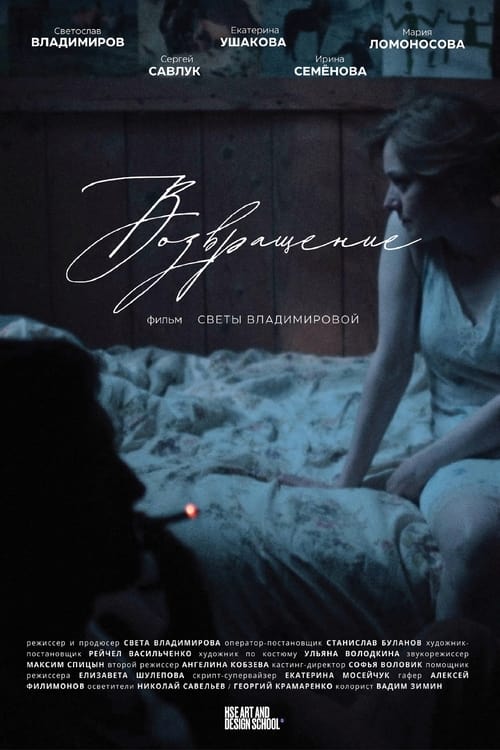
Having gone through the chaos of war, Alexey finds himself at home. In a world where it was as if he had never existed: his children had managed to grow up, his wife had managed to alter their father's clothes for them, and the once familiar corners of his home hut seemed too sharp. It would seem that one could get used to everything, but what if the frontline realities had distorted the proportions of peaceful life? And it was now practically impossible to fit into them. The film was based on the story of the same name by Andrei Platonov.
Возвращение
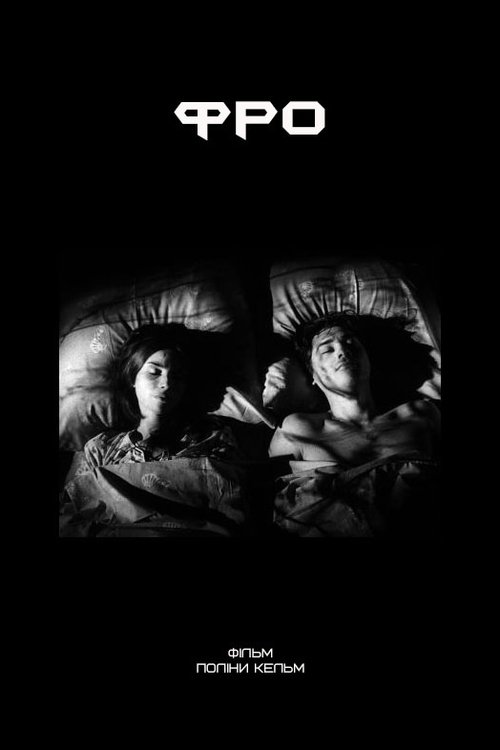
Fro is a woman from a small Ukrainian town. Her life has become dull and sluggish since her husband left to seek new horizons and employment opportunities in Europe. All she can do is wait. An adaptation of Andrei Platonov's short story "Fro."