Xavier Deleu
Directing
Known For

French current affair show
Infrarouge

No description available.
Krach : sommes-nous prêts pour la prochaine crise ?
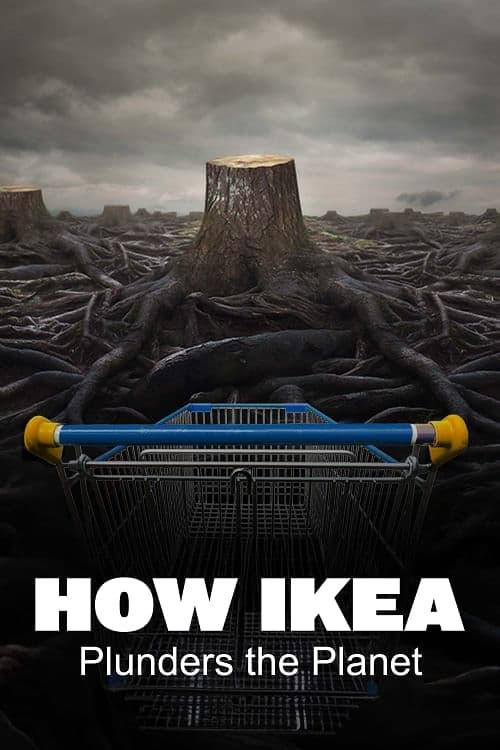
Investigative journalists working for Disclose spent over a year investigating the production chain of the furniture giant which generated a 44.6 billion euros revenue in 2022 and attracts over 5 billion visitors to its stores and website every year. From the boreal forests of Sweden to Brazilian plantations and New Zealand coastlines, they uncovered how IKEA intensively exploits wood around the world, fuels the illegal trafficking of this resource and threatens the last precious European forests. Long overlooked, intensive logging is now sparking outrage and anger among citizens in Poland and the Baltic countries, who are increasingly concerned about the fate of their countries' public forest domains and biodiversity loss. In Romania, where IKEA owns 50,000 hectares of forests, activists are risking their lives mobilizing against the timber mafia. This film tells the expansion of a discreet forest predator, grappling with the limits of the planet's resources.
How Ikea Plunders the Planet

No description available.
Le revers de la médaille

No description available.
Cannabis : quand le deal est légal
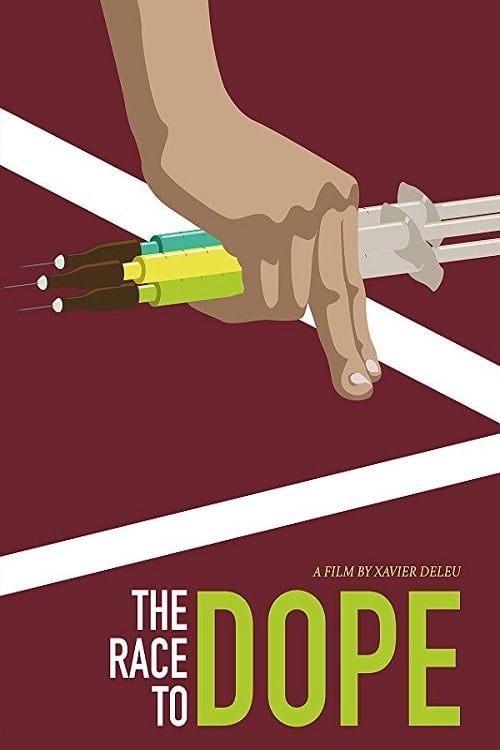
Russia is about to be banned from participating in the next Olympics. Six other countries are on the watch list. Not a week goes by without a new doping scandal in the world of sports. But how does the doping system really work? Who designs the programmes and who supplies the substances? Filmed in 11 countries, this multi-sports investigation explores the implications of widespread doping.
The Race to Dope
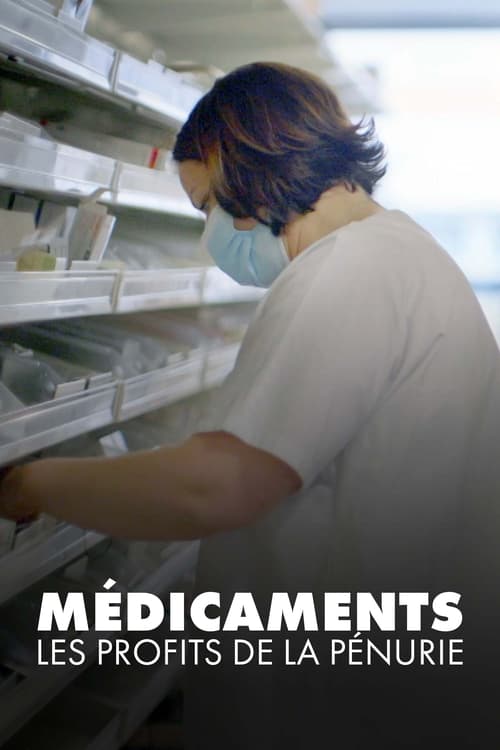
Injectable anti-inflammatories, anticoagulants, anti-infectives, anticancer drugs and even cotton wools are in short supply. Like many others in France, the pharmacy at Rennes hospital is constantly on the edge. Over the past two decades, shortages of medicines and health products have increased twentyfold in Europe. With almost all laboratories affected, practitioners and health establishments are forced to juggle with quotas to make up for shortages. Some even have to prioritise patients in terms of access to treatments, according to scales established by the laboratories. In the Netherlands, hospital pharmacies have resigned themselves to manufacturing the molecules they lack.
Médicaments : Les Profits de la pénurie
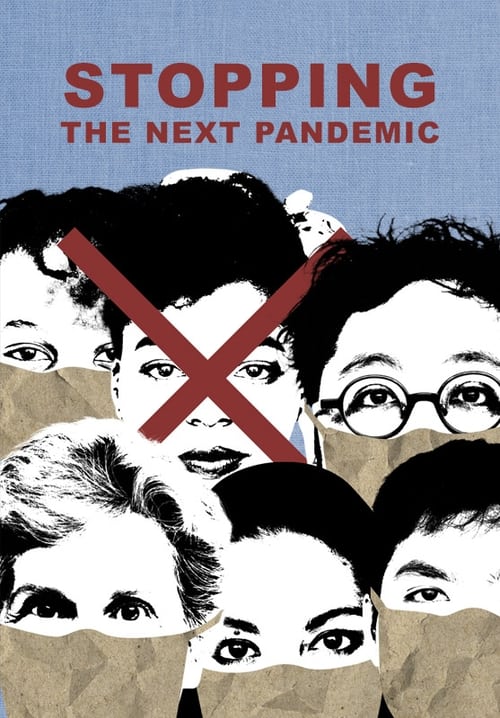
How can we prevent epidemics? Why do viruses and bacteria move? Rather than trying to contain epidemics one after another, why not stop the processes that encourage their emergence? The challenges are enormous, but scientists argue that solutions exist. Because if emerging diseases are the collateral consequences of our lifestyles, our lifestyles are under our control.
Stopping the Next Pandemic

No description available.
Plus vite, plus haut, plus dopés

In turn, the medical community has been affected by the post #metoo movement denouncing sexual violence against women. It was about time. Assaults and rapes perpetrated behind closed doors in doctors' offices have gone unpunished for too long. For a victim, reporting them is almost as difficult as recounting incidents of incest. And the medical councils, which are mainly made up of men, have long turned a deaf ear to patients' complaints. When cases are brought before the courts, the justice system also struggles to prosecute these rapists. Recently, practices and names have been made public, complaints are multiplying, and women are daring to speak out. Could this be the end of complacency towards these criminals in white coats?
#MeToo chez les médecins
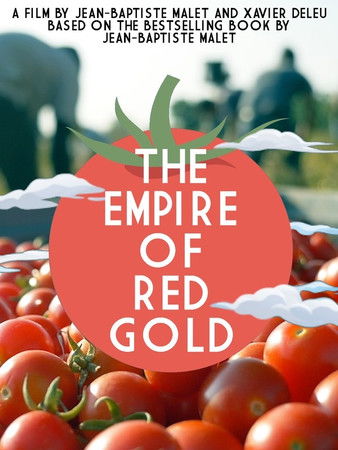
The world's most consumed fruit has an untold story. The industrialization of the humble tomato preceded the globalized economy that was to follow. It is now as much of a commodity as wheat, rice, or petrol. Today, wherever you are in the world, you can eat the same tomatoes. This film traces the journey of tomato paste from Africa, Italy, China and America to show the consequences of this global business.