Léonard Forest
Directing
Biography
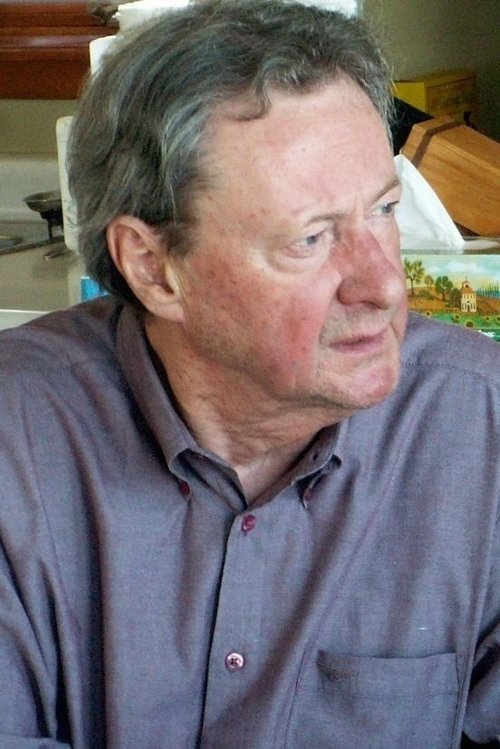
Léonard Forest (born 1928) is an Acadian filmmaker, poet and essayist. He was born in Massachusetts, United States, and grew up in Moncton, New Brunswick, Canada. He has worked at the National Film Board from 1953 to 1980 and was involved in about 130 films, either as director, producer, script-writer.
Known For

A film that witnesses the Acadian awakening and the unprecedented popular awareness that manifested itself in 1972 in northeastern New Brunswick.
A Sun Like Nowhere Else
Newfoundland painter Gerald Squires has referred to his portraits as "confrontations," though not intending the hostility that word can convey. This film shows a meeting between the artist and Edythe Goodridge, art curator and critic. Through a combination of Squires's reflections on his life and work and the good-natured banter of these two friends, an intimate portrait evolves of the artist and his subject.
Portrait: Gerald Squires of Newfoundland
Ten-year-old Ti-Jean's feats dwarf those of even the strongest lumberjack as he fells timber, cuts, carries and piles heavy logs, and comes out the victor in every contest. This short French-Canadian folk tale portrays typical life and work in a winter logging camp.
Ti-Jean Goes Lumbering
Ethnologist Marius Barbeau introduces us to indigenous mythology. Masks, dances, songs, and totems are used to give the audience a highly suggestive representation of the "biblical" history (Mr. Barbeau's word) of Indigenous tribes.
Marius Barbeau et l'art totémique
A tongue-in-cheek archival film documenting a day in the life of a veteran horse-drawn carriage driver. Though the tourists that flock to the historic avenues of the Old City have changed considerably, the Old World charm of Québec City is timeless.
The Calèche Driver

This short film from the Perspective series highlights social and economic development in Haiti circa 1957. It depicts customs and traditions used to pass along the history of a people, and offers a look into their daily lives — lives that looks very different from their experiences today.
Haiti
No description available.
Télesphore Légaré, garde-pêche

No description available.
Fred Barry comédien

Pantomime evoking the history of movement in humans performed by Suzanne Rivest.
Je

Pioneers struggle to establish a town in the harsh unsettled wilderness of northern Quebec during the depression.
The Promised Land
Documentary on the Acadian identity, featuring the music of Edith Butler, filmed in Canada, France, and Louisiana. This film travels throughout the Acadian diaspora, bearing witness to various perspectives on the social, economic, cultural, religious, and political realities of the Acadian people.
Les acadiens de la dispersion

Equal parts dramatic film, investigative report, and sociological experiment, this feature-length picture is above all a community undertaking. Made in collaboration with a group of residents of Gloucester County, New Brunswick, Canada, the film speaks not just to the community it concerns, but equally to those people who wish to recognize the ever-increasing importance of their social reality.
The Wedding Isn't Finished Yet

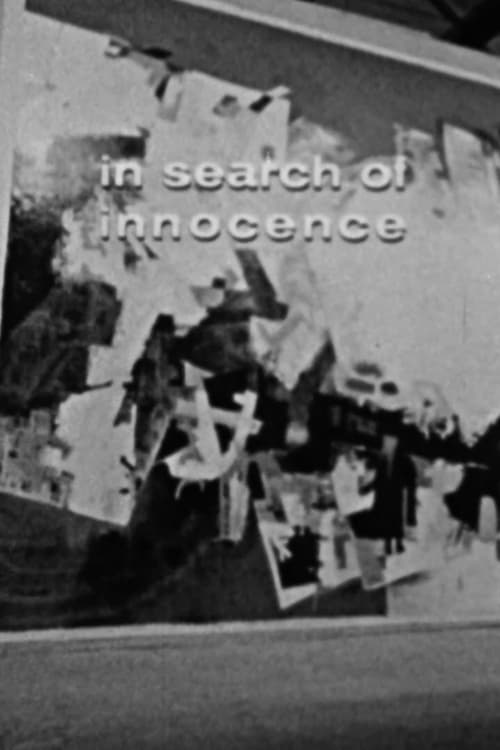
A questioning filmmaker from Québec finds out how Vancouver's poets and painters look at life and art. Among the people seen are sculptor Donald Jarvis, painters Jack Shadbolt, Joy Long and Margaret Peterson, and printmaker Sing Lim.
In Search of Innocence
A wealth of archival images offers a glimpse into Québec City’s social history in this tribute to French Canada’s first classical college, the Seminary of Québec.
Walls of Memory

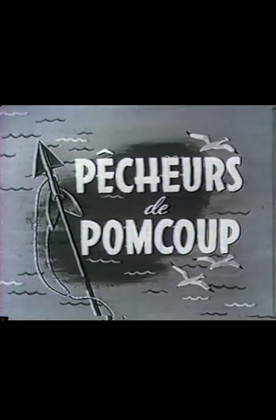
The village of Pubnico, located at the southwestern most tip of Nova Scotia, is the oldest Acadian settlement. Almost all of the village's inhabitants are descended from a few families who settled on the peninsula more than three hundred years ago. For two and a half centuries, the village of Pubnico lived in complete isolation. Today, its people have only one occupation: fishing.