Writing
Film starring Nadeem
A devoted woman, Badi Maa dedicates her life to raising her deceased friend's child, her love and sacrifices influencing all around her, leading to emotional conflicts as the child matures.
A rising film star's career ambitions drive a wedge into her marriage. But when a family tragedy strikes, she is forced to confront the true price of her stardom.
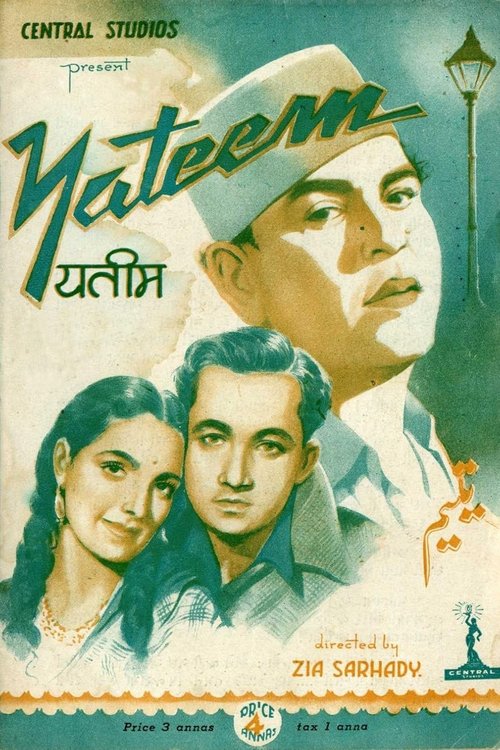
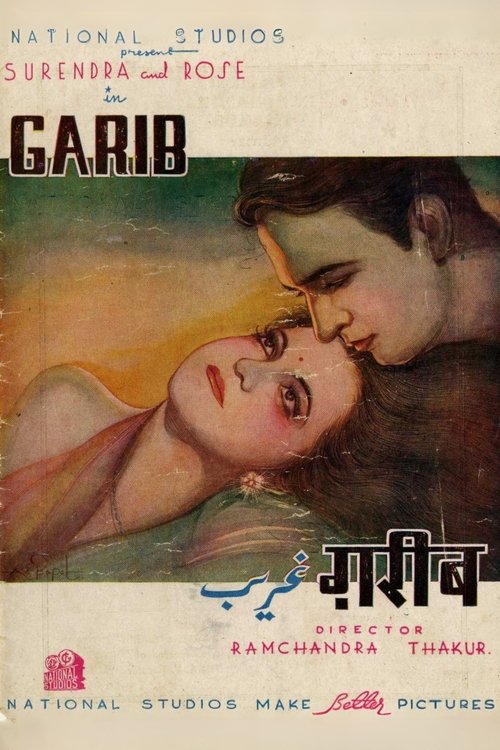
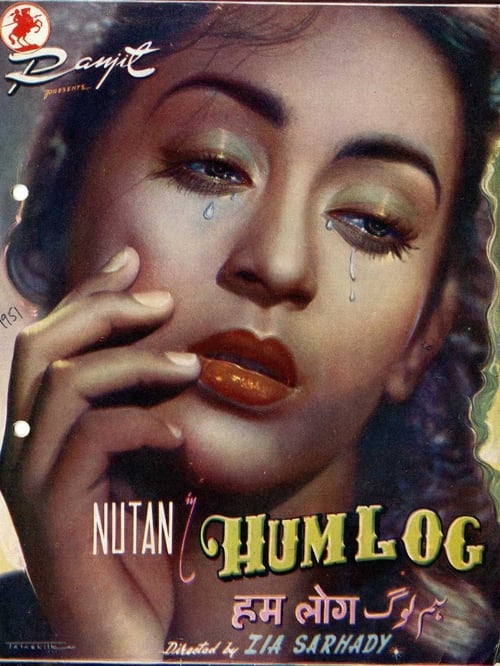
A social drama centered on the life and struggles of an orphaned child. The film explore themes of vulnerability, resilience, the search for belonging, or the challenges faced by someone without familial support in society. It aim to evoke empathy and highlight societal responsibilities towards orphans.
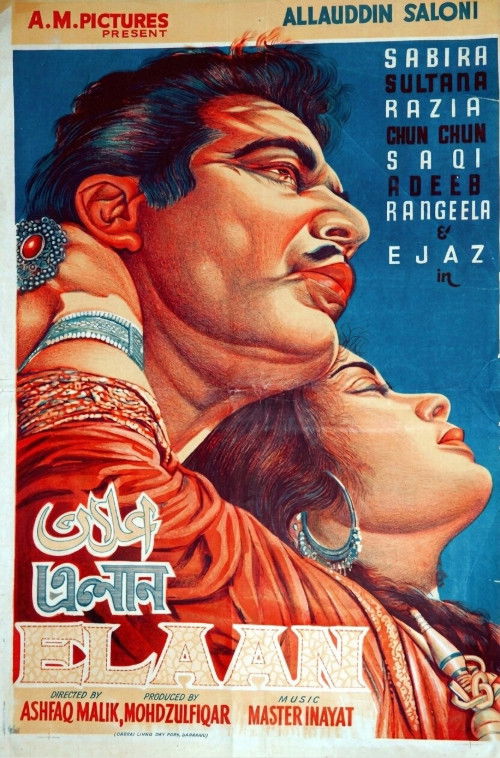
The Urdu film Elaan (1967) was directed by Ashfaq Malik.
Set during the era of the British Raj, Sarhad (meaning 'The Border') is a 1966 Urdu-language period drama. Written by the realist screenwriter Zia Sarhadi and directed by Masood Parvez, featuring a lead cast of Ejaz Durrani, Saloni, Allauddin, and Talish.
Urdu-language romantic and musical film directed by Ehtesham
A social woman-centered film interrogating aspects of feudal patriarchy. The painter Ashok (Surendra) who loves the orphaned Vimala (Bibbo) is distressed to learn that she is due to marry Jagdish (Yakub). He paints Vimala's portraits with a frenzied obsession and becomes a famous artist. Paralleling this love story is the decline in Ashok's family fortunes.
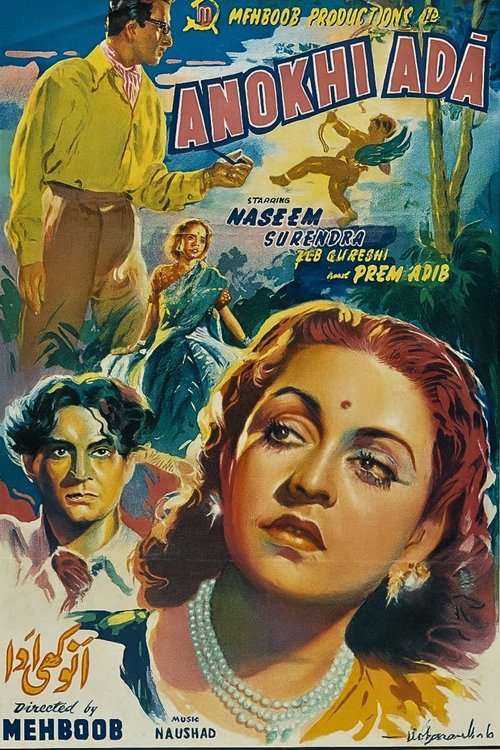
Mehboob presents the autonomous passion of Leela (Rose) for Moti (Motilal) who is promised to another woman, Bina (Maya). Leela is portrayed as irresponsible and impulsive as she acknowledges her desire for Moti and has a child by him. Bina then releases Moti from his promise. Moti suffers when he is told by Bina’s father (Sankantha) that she is dead, while Leela’s father (Pande) enjoins his daughter to commit suicide if Moti does not marry her. In spite of the film’s endorsement of ‘traditional’, lethally oppressive patriarchal mores, incarnated by the women’s fathers, Mehboob’s narrative at least dares to depict a woman who refuses to feel guilty about her desire.
Love triangle has a flowerseller and a doctor's daughter both in love with a struggling writer.
During the reign of Akbar the Great, a young singer sets out to avenge his father's death and challenges the killer to a musical duel.
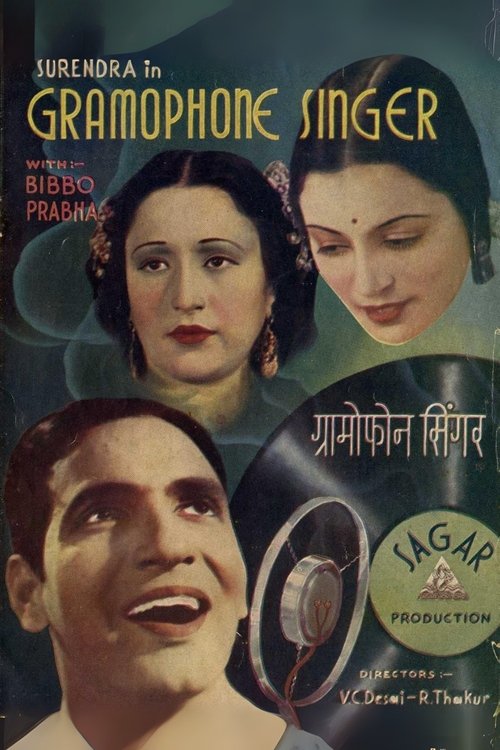
Thakur’s music-dominated debut tells of a love triangle involving the famous gramophone singer Sundardas (Surendra) who is happily married to Mohini (Prabha), and the even more popular singer Tilottama (Bibbo), who falls in love with Sundardas’s voice and wants them to sing a duet and have an affair. Ghosh Babu (Advani) is the manager of the record label.
A childhood betrothal goes awry when a case of mistaken identity lands a woman in trouble with the law. Years later, the destined pair reunite as rival journalists, entangled in a love triangle with their boss.
Mr. Bhatnagar alias Masterji comes from a poor family, and lives on a day to day basis. He has a daughter and a son, alongwith his wife, who he has fooled into believing that he has saved quite a bit of money, to retire happily, and to get his daughter married. Masterji's dreams turn into a nightmare, as he is unable to meet his debtors, loses his job, and dies tragically, leaving his daughter to the mercy of a cruel society; his son, who has taken up crime, and his wife desolate, and destitute.
An unemployed graduate uses his charm to help a blind beggar. He then falls for a rich heiress and convinces her industrialist father to open a factory for the poor. It's a success, but a jealous fiancé tries to shut it all down and frame our hero. Can truth prevail and save the struggling community from returning to poverty?
A Hindu girl who is raised in the Pakistani part of Kashmir, is gunned down while crossing the barbed-wire frontiers.
A traumatized beautiful woman loses her memory in a train accident.
An impoverished family faces illness and financial challenges after one of them is sent to prison.
Tired of poverty, Noshu takes to black-marketing. Soon, he realises that his act has hurt everyone around him, including his brother and his sweetheart. Although he tries to make amends, it may be too late.
Nanda, a money lender's son, falls for farmer's daughter Rupa. His father arranges his marriage to Radha for a dowry. Rupa sacrifices her love and blesses Nanda's marriage to Radha.