Alain Pol
Directing
Biography
Alain Pol, born on September 17, 1916, in Besançon, in the Doubs department, is a leading figure in 20th-century French documentary cinema. A director, cinematographer, and cinematographer, he notably worked for the Lumière company, heir to a cinematic tradition of innovation and rigor. The son of the poet Antoine Pol, he grew up in an environment conducive to artistic creation and developed a passion for imagery and visual storytelling at an early age. His career truly began in the 1940s, a period during which he established himself as a master of short documentaries. In 1944, he directed "Autour D’Un Film De Montagne," a behind-the-scenes documentary on the set of Louis Daquin's film "Premier De Cordée," in which he accompanied a team of seventy people to the Alps. This film already demonstrates his interest in human adventure and the mountains, recurring themes in his work. In 1946, Alain Pol made two short films: "Carrefour des pistes" and "La Ceinture Dorée." The following year, he directed "À l’Assaut De La Tour Eiffel," a hybrid work between documentary and fiction, depicting two groups of mountaineers illegally scaling the Eiffel Tower while pursued by the police. This film, praised for its audacity and inventiveness, received the Louis Lumière Prize in 1948 and was awarded a prize at the Venice Biennale. It marked a turning point in French documentary cinema, thanks to its ability to blend suspense, aesthetics, and social observation. In 1948, he followed up with "Le socle," a short film that confirmed his taste for formal experimentation and visual storytelling. The 1950s saw Alain Pol distinguish himself with films such as "The Gobelins Tapestries" and "The Extraordinary Adventures of a Liter of Milk" (1951), in which he explored new subjects and refined his mastery of photography and editing. In 1952, he directed "Let's Play the Game," which continued his previous work, combining pedagogy and creativity. Alongside his work as a director, Alain Pol worked as a cinematographer on several projects, including "Around the World With Orson Welles: The Dominici Affair," which allowed him to collaborate with international filmmakers and broaden his influence. On a personal level, Alain Pol was married to Janine Renaud, with whom he had three children, and later to Odette Gourmel. He is the father of Éric Pol, Bruno Antoine Pol (writer), and Thierry Pol. He died on June 5, 2013 in Seine-Port, Seine-et-Marne, at the age of 96, leaving behind a body of work that is essential to the history of French documentary cinema.
Known For

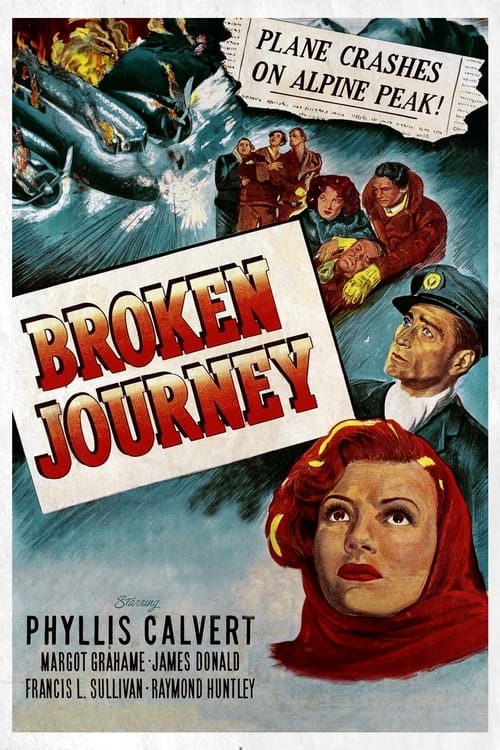
A plane flying over the Swiss Alps develops engine trouble and is forced to crash-land on a glacier. Unable to radio for help because of damaged batteries and with limited food supplies, the survivors must come to a decision -- whether to stay and wait for help they believe is coming or to leave the shelter of the wrecked plane and set out in bad weather to try to reach civilization.
Broken Journey

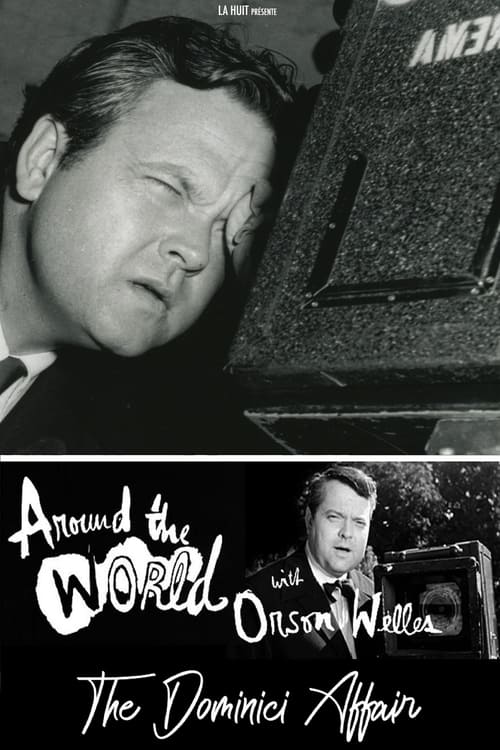
A six-part British television travel series written, directed, and presented by Orson Welles for ITV in 1955. Filmed entirely in Europe, the series follows Welles through Vienna, the Basque Country, Madrid, Paris’s Saint-Germain-des-Prés, and London’s Chelsea Pensioners, blending travelogue, cultural portraiture, and personal essay. Moving between documentary observation and reflective commentary, the episodes combine interviews, local history, and Welles’s distinctive narration into a series that functions as both travel film and cinematic essay.
Around the World with Orson Welles

In 1956, Orson Welles directed "The Tragedy of Lurs," an episode of the television series "Around the World" that was inspired by the murder of a British family near the Dominici farm. The film was unfinished, but the French director Christophe Cognet recovered his materials and reconstructed the documentary.
The Dominici Affair by Orson Welles

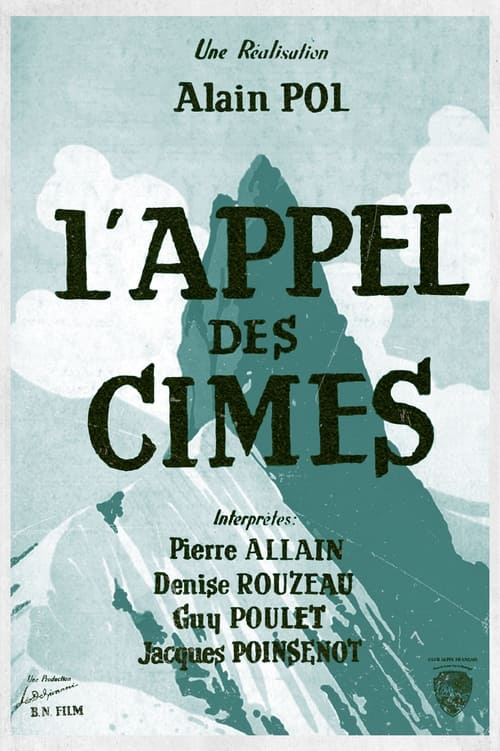
L'Appel Des Cimes, directed by Alain Pol, is a documentary commissioned by the CAF and the various French ministries on the practice of post-war mountaineering. In 1946, climbers trained at the Fontainebleau Climbing School. Guy Poulet and Jacques Poincenot try to climb the Aiguilles de Chamonix but fail during the climbing phase. After a night in a refuge with Denise Rouzeau and the guide Pierre Allain, the mountaineers make a new attempt. Successful demonstration for those who continued the approach walk then the passage of the seracs of the glacier. On the rock, the roped party crosses a chimney and a crack to reach the summit and abseil down. Led by high mountain scouts, Guy and Jacques rediscover the glaciers and needles of the Mont-Blanc massif during the next lesson.
The Call Of The Peaks

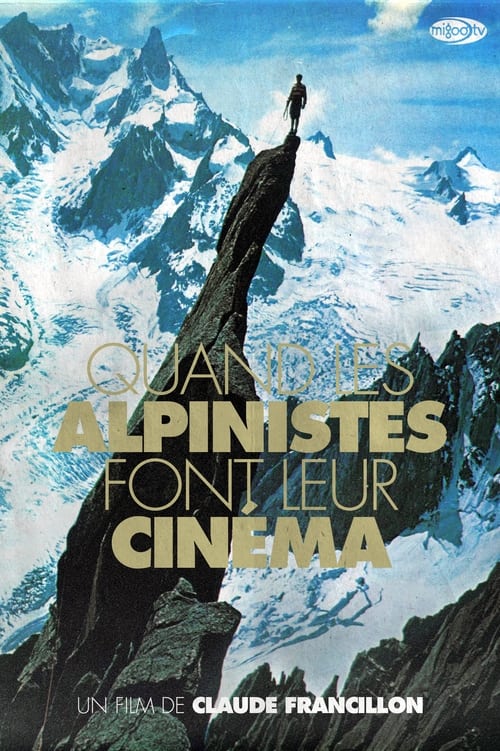
Many mountaineers as part of their activity have used cameras and films to allow us to participate through images in their adventures and their emotions. Many of them have become true film professionals: Joseph Vallot, Lionel Terray, Marcel Ichac, Renè Vernadet, Jean Afanasieff, Pierre Royer, Denis Ducroz, Kurt Diemberg and many others are among the conquerors of the image of the mountain. The film depicts the passion of these men on the highest mountains in the world... behind the lens.
When the Mountaineers Make Their Cinema

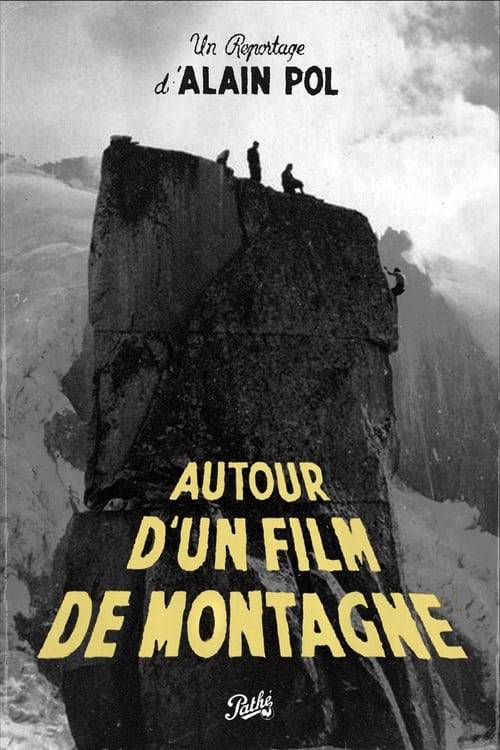
Making of the cinematographic shooting of "Premier de Cordée" directed by Louis Daquin in the Mont-Blanc massif. In 1943. Alain Pol films the risky adventure of filming in the high mountains with a team of seventy people. The images of the making-of reveal the technical constraints encountered by the actors and technicians: falling rocks, crossing glaciers and long approach walks at altitude to the filming locations. Six actors and technicians will also be injured and the main role - that of Pierre - will be reassigned to André Le Gall following a bad fall by Roger Pigaut.
Autour d'un Film de Montagne

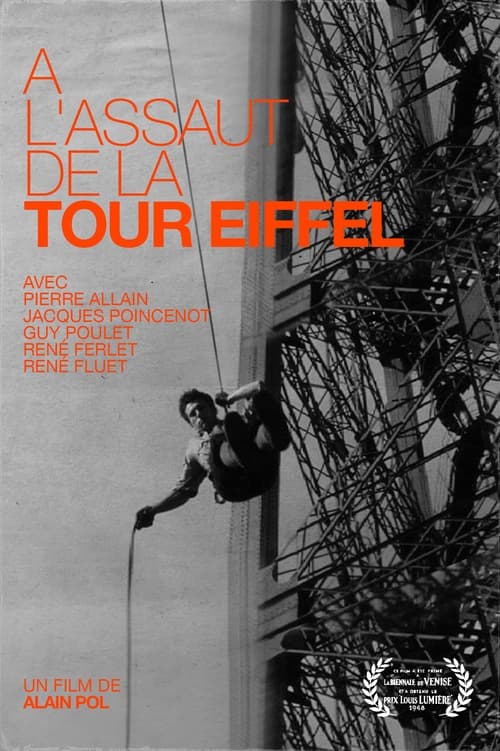
Four experienced mountaineers climb the three floors of the Eiffel Tower through the pillars of the building. A police officer, overwhelmed by the events, does not succeed in arresting the intrepid who reach the summit with agility under the stunned eyes of tourists. They then abseil and happily throw themselves into the Seine to celebrate the feat.
À l'Assaut de la Tour Eiffel

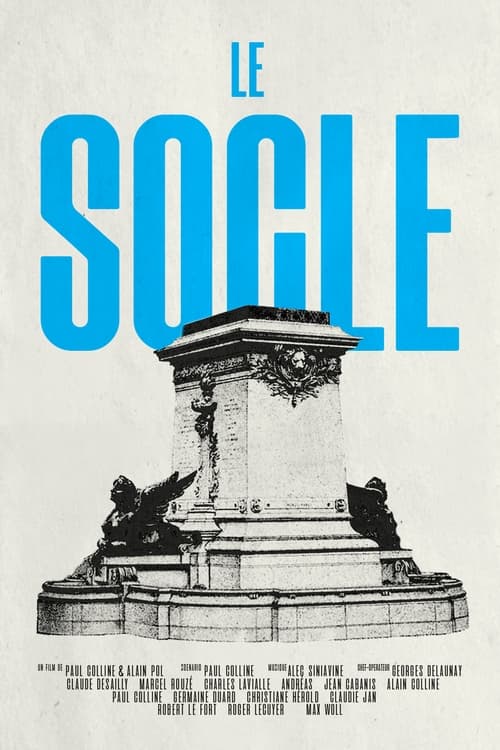
The bases, under the occupation, lost their statues. These now anonymous steles rightly intrigue many visitors. Have you ever wondered who is up there? Ask Paul Colline, the most amusing guide in Paris, he will be able to answer you while sparing the goat, the cabbage and your political opinions.
Le Socle

Documentary short subject preserved by the Academy Film Archive, from the Marshall Plan Collection, in 2003.
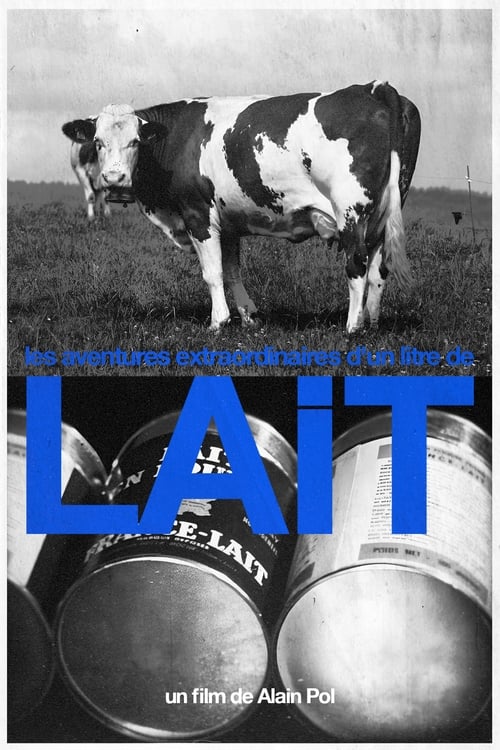
The Extraordinary Adventures of a Quart of Milk

In 1602, King Henri IV decided to develop French manufacturing to limit imports of products such as carpets and tapestries, of which the royal court was a major consumer. In 1662, Colbert (Minister of Louis XIV) bought the buildings and decided to create there the "Royal Manufacture of Crown furniture and tapestries", where upholsterers settled, but also painters, goldsmiths, engravers, cabinetmakers... Reserved to the furnishing of Royal Houses and diplomatic presents. To make this documentary, Alain Pol uses a new process developed by the French Lucien and Armand Roux. They had developed a color cinema technique with the "Rouxcolor" process, a patent filed in 1932. A simple process, which preceded the arrival of the American technicolor, less precise, but requiring special equipment for cinemas, which cut his career short.
Les Tapisseries Des Gobelins

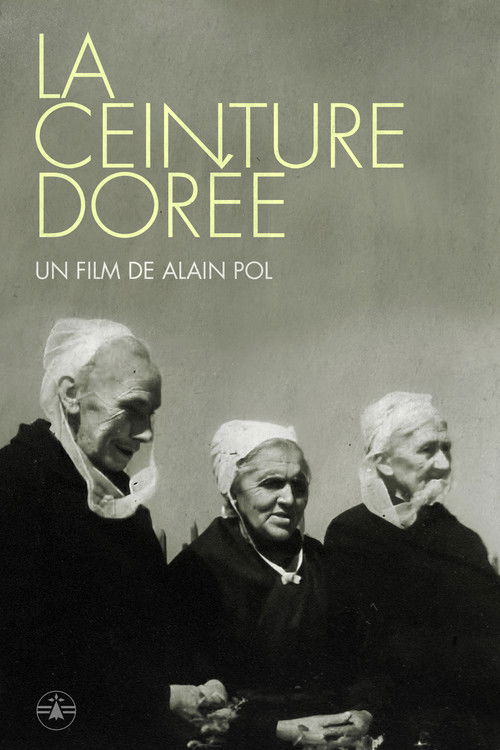
La Ceinture Dorée is an institutional documentary film on the Brittany region in France. The different scenes describe the daily life of the Bretons, starting with a geography lesson on Brittany in a classroom. Then a Breton landscape where a painter paints a house, women in headdresses in a procession, bell towers and forgiveness, prayers at Calvaries. Then follow the plans of the boats at the dock and the work of the oyster farmers. Lobster ponds, algae collectors and fertilizer collection. Daily life of the Leonards, preparation of pancakes in front of the fireplace and pancake meal. etc