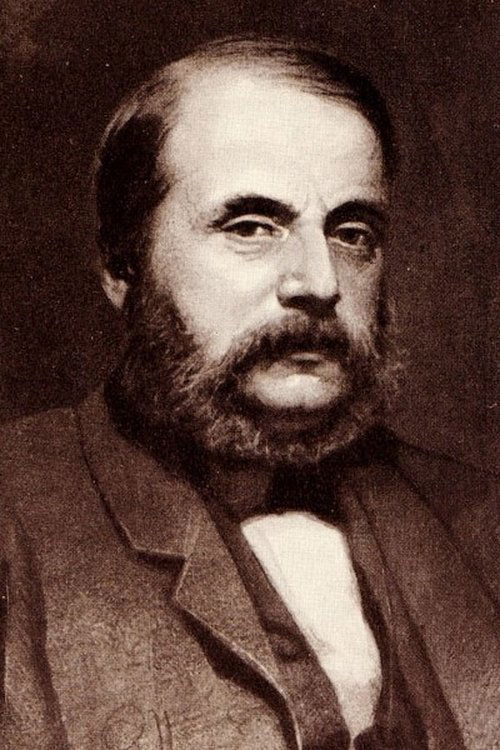
Ivan Goncharov
Writing
Biography
Ivan Alexandrovich Goncharov (1812–1891) was a Russian novelist best known for his novels 'The Same Old Story' (1847), 'Oblomov' (1859), and 'The Precipice' (1869, also translated as 'Malinovka Heights'). He also worked as a literary and theatre critic. Towards the end of his life Goncharov wrote a memoir called An Uncommon Story, in which he accused his literary rivals, first and foremost Ivan Turgenev, of having plagiarized his works and prevented him from achieving European fame. His novel 'Oblomov' caused much discussion in the Russian press, introduced another new term, oblomovshchina, to the literary lexicon and is regarded as a Russian classic. In his essay 'What Is Oblomovshchina?' Nikolay Dobrolyubov provided an ideological background for the type of Russia's "new man" exposed by Goncharov. The critic argued that, while several famous classic Russian literary characters – Onegin, Pechorin, and Rudin – bore symptoms of the "Oblomov malaise", for the first time one single feature, that of social apathy, a self-destructive kind of laziness and unwillingness to even try and lift the burden of all-pervading inertia, had been brought to the fore and subjected to a thorough analysis.
Known For
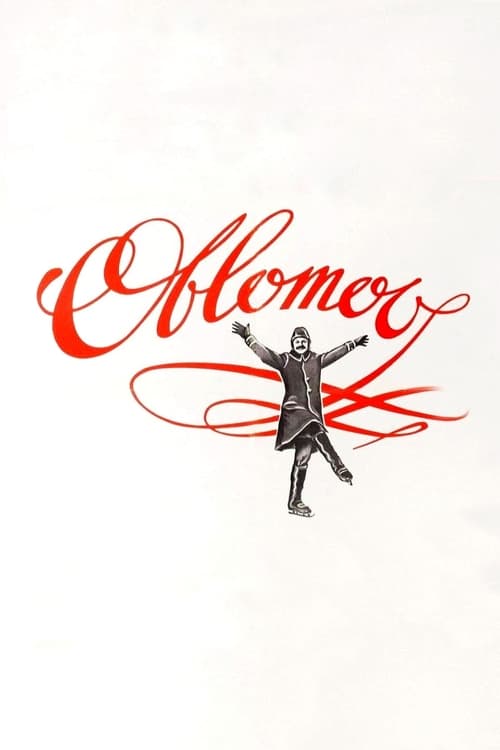
St. Petersburg, mid 19th century: the indolent, middle-aged Oblomov lives in a flat with his older servant, Zakhar. He sleeps much of the day, dreaming of his childhood on his parents' estate. His boyhood companion, Stoltz, now an energetic and successful businessman, adds Oblomov to his circle whenever he's in the city, and Oblomov's life changes when Stoltz introduces him to Olga, lovely and cultured. When Stoltz leaves for several months, Oblomov takes a country house near Olga's, and she determines to change him: to turn him into a man of society, action, and culture. Soon, Olga and Oblomov are in love; but where, in the triangle, does that leave Stoltz?
Oblomov
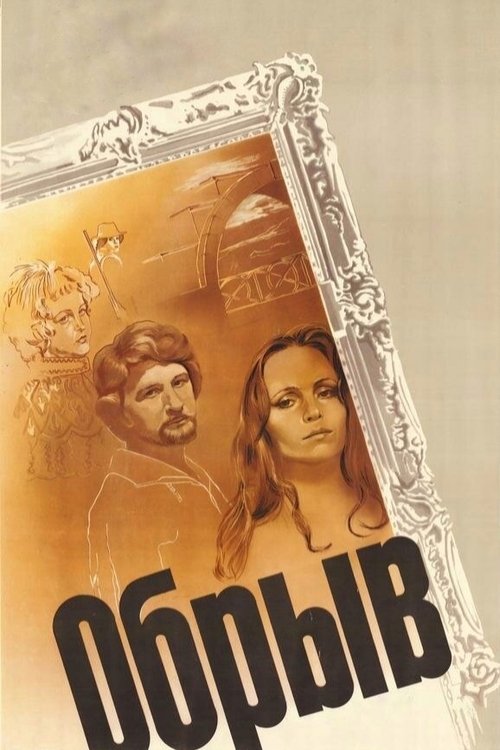
Boris Pavlovich Raisky, a bored Petersburg aesthet, comes to his family estate in a small town on the Volga. He hoped to find boredom and the faint-hearted provincials there, and did not expect that in the outback he was waiting for real life, dramatic love and serious passions. Boris Raisky’s estate is a blessed corner where everything pleases the eye: a native old house, tender greenery of birches and lindens, a silver strip of the Volga in the distance. And only a mysterious precipice at the end of the garden frightens the inhabitants of the estate. According to legend, at the bottom of it in ancient times, a jealous husband killed his wife and rival. “Precipice” is a symbolic word in the fate of the main character Vera. It fell to her to fall in love with a nihilist and a cynic who preaches "love for a term", painfully choose between feeling and duty, finally, go down to her beloved person in a cliff, cut off everything that connected with her former life...
The Precipice
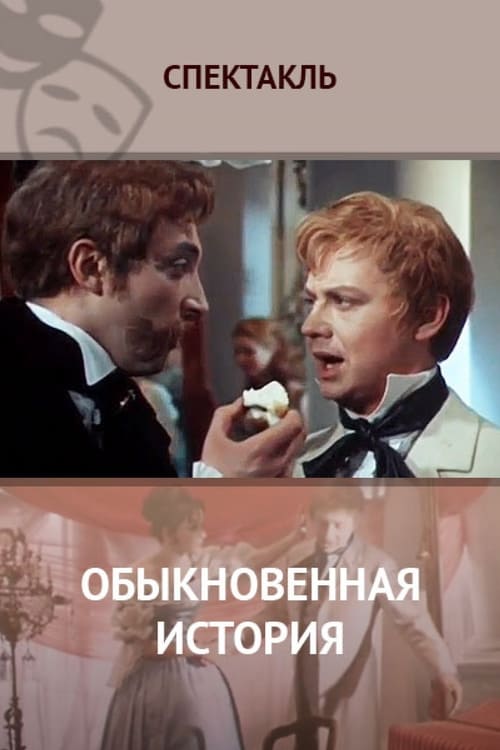
A young provincial, Aleksander Aduev, moves to St. Petersburg to live with his pragmatic uncle, where he experiences the collapse of his romantic ideals.
An Ordinary History
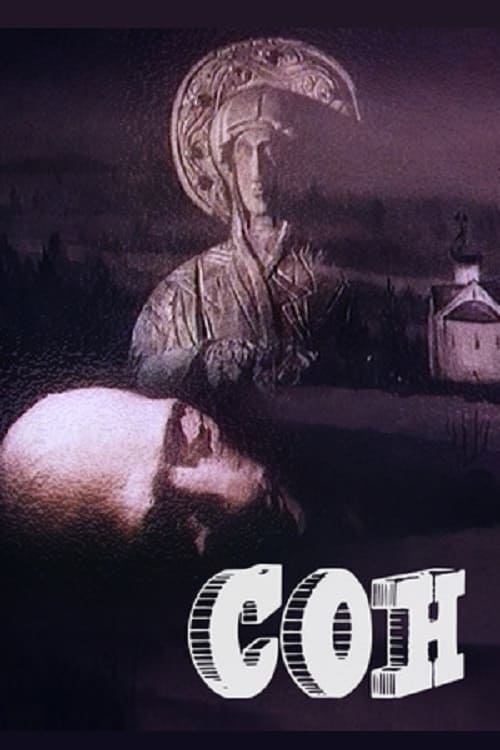
Dream (1988) is a somnambulist short about dreams taking over reality and rendering protagonists inactive.
Dream

Young and enthusiastic Alexander Aduev comes to St. Petersburg from the province, ready to conquer the whole world. Very soon all his ideals were crushed, and he himself repeated the fate of his practical and impassive uncle Peter.
Gogol Online: An Ordinary Story
Based on the novel of the same name by Ivan Goncharov. Raisky falls in love with his second cousin Vera, but she coldly rejects his advances. He soon learns that Vera is having an affair with exiled official Mark Volokhov, with whom She is secretly dating. One day, Vera, in a fit of passion, gives herself to Volokhov, which she immediately regrets doing. Raisky and Tatyana Markovna suffer along with her having learned about Vera’s situation. Volokhov invites Vera to marry him but she refuses his proposal. After all these passions, calm comes and in the final frames of the picture, Raisky draws a portrait of Vera, and then sits down to write a long-planned novel.
The Precipice
The dramatization of the novel depicts a period when the patriarchal way of life in Russia was coming to an end and the aristocratic-landowner world, with its philosophy of life and hierarchy of values, was giving way to new forces. Oblomov is an organic part of the environment in which he lives. He is as closed off as Oblomovka and its inhabitants. He lives his life on the sofa and finds all the hustle and bustle of his contemporaries meaningless. The principle of his existence is peaceful lethargy, an effort to isolate himself from the flow of events and time. His opposite is his friend Stolz, whose philosophy of life presupposes constant movement and entrepreneurial spirit. He believes that man is capable of transforming the world with his energy and intellect. Oblomov's love for Olga, although reciprocated, is doomed to failure because they expect the impossible from each other – she expects decisiveness and action, he expects self-sacrificing love...
Oblomov
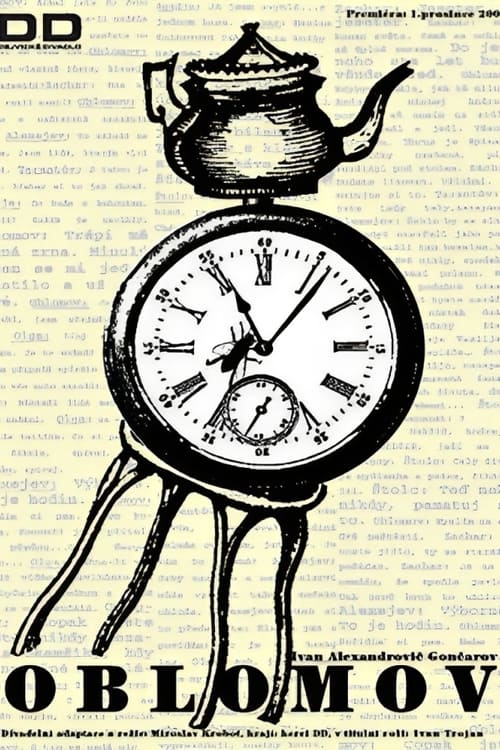
An unusual story about love and laziness. Thalia Award for the title role for I. Trojan. Recording of a performance at the Dejvice Theater in Prague.
Oblomov
1966 4-part Italian Miniseries
Oblomov
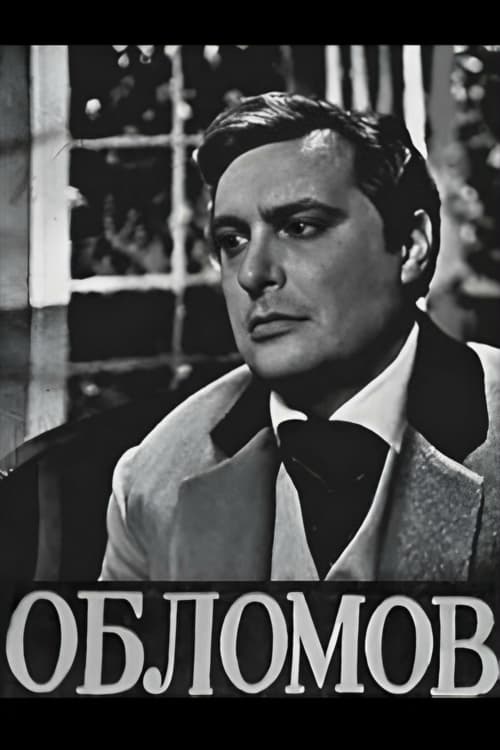
Based on the novel of the same name by I.A. Goncharov.
Oblomov
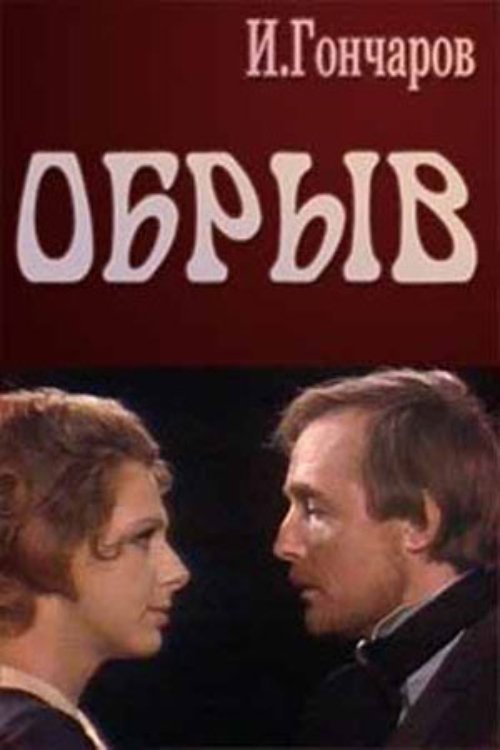
Television play based on the novel by Ivan Goncharov.