Vlada Petrić
Directing
Biography
Vlada Petric was born on March 11, 1928 in Prnjavor, Bosnia and Herzegovina, Yugoslavia. He was a director and writer, known for Vreme ljubavi (1966), Kobna zedj (1956) and Prvi put s ocem na jutrenje (1969). He was married to Dara Calenic. He died on November 13, 2019 in Belgrade, Serbia.
Known For

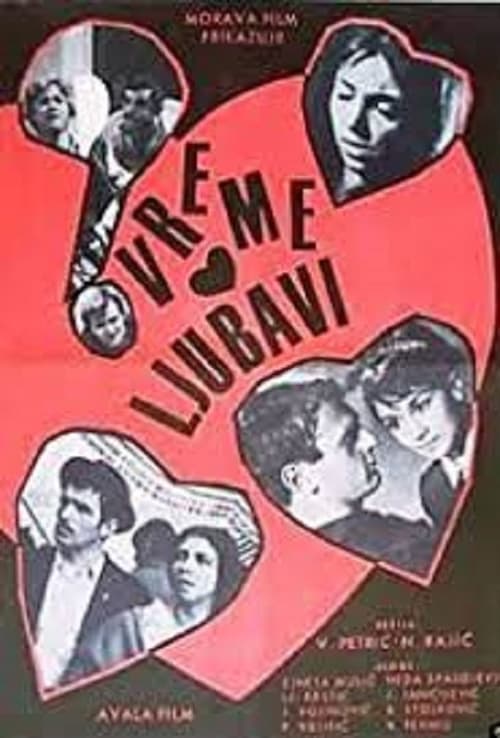
"The Time of Love" is omnibus of two parts. Part I: Experiences and growing up of a 16 years old girl without much of parents' attention. Part II: A brother looks for a husband for his sickly sister, but during that search she finds her true love.
The Time of Love

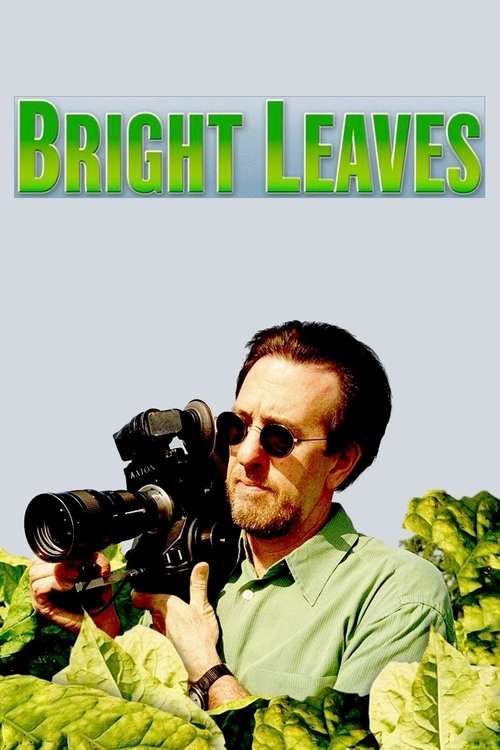
Ross McElwee travels through the North Carolina tobacco belt in search of the ancient southern traditions associated with tobacco growing and use, while comparing his filmmaking to commercial cinema, represented by Bright Leaf, a melodrama directed by Michael Curtiz in 1950, starring Gary Cooper, apparently based on the life of his great-grandfather.
Bright Leaves

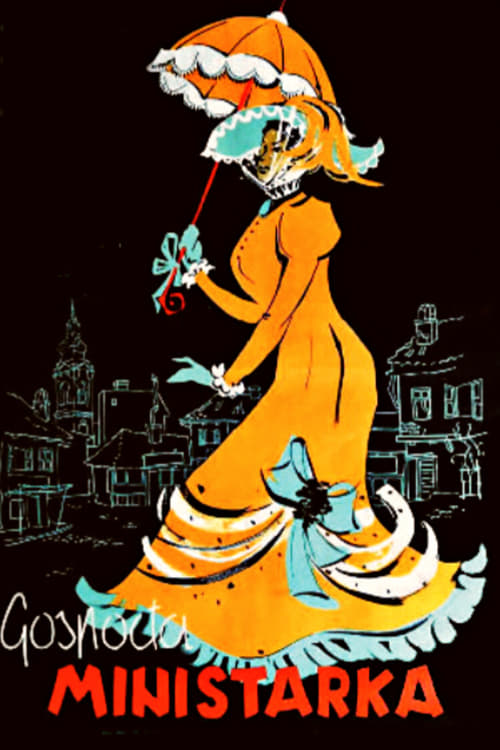
After becoming a minister's wife, Živka changes her former way of life and becomes a lady. However, her fashionable way of life is of short duration, since her husband is forced to resign after being involved in a scandal. Based on highly popular Serbian comedy novel by Branislav Nušić.
The Cabinet Minister's Wife

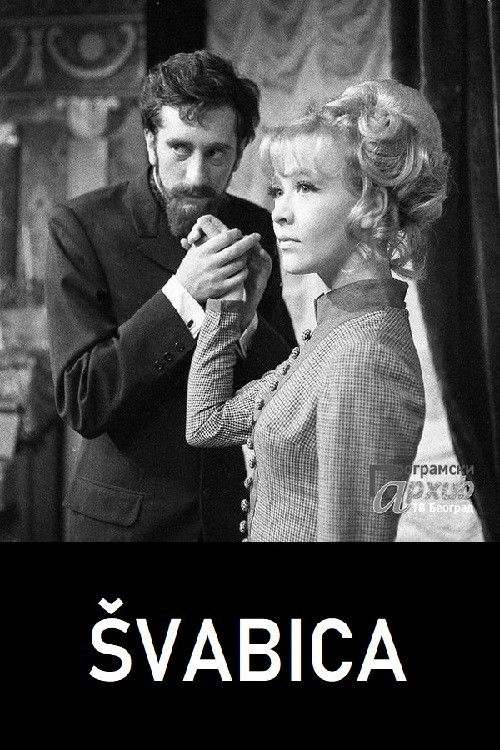
A story about forbidden love between student Misa and German girl Ana.
The German Girl

The symphony of hands “DV Essay in Three Digital Movements,“ dedicated to “VORKI,“ inspired by Vorkapic's concept on visual and sound film structure amalgamation. Visual material is presented by the Italian renaissance masters' works (to John Purcell's' music), Serbian medieval frescoes (to Stevan St. Mokranjac's music) and contemporary photographs (to Charles Mingus's music).
Symphony of Hands
A video essay through which Vlada Petrić pays homage to the legendary avant-garde artist László Moholy-Nagy, a Bauhaus pioneer known for his exploration of light, motion, and kinetic sculpture. Drawing inspiration from Moholy-Nagy’s 1930 kinetic piece Light Modulator, featured in the experimental film Ein Lichtspiel: Schwarz, Weiss, Grau, Petrić reinterprets every frame of the original film, incorporating Dziga Vertov’s theories of interval and montage. Through this approach, he carefully deconstructs then reconstructs the sequences creating a fresh narrative rhythm and adding experimental depth