Jana Robenková
Acting
Known For
No description available.
Bakaláři
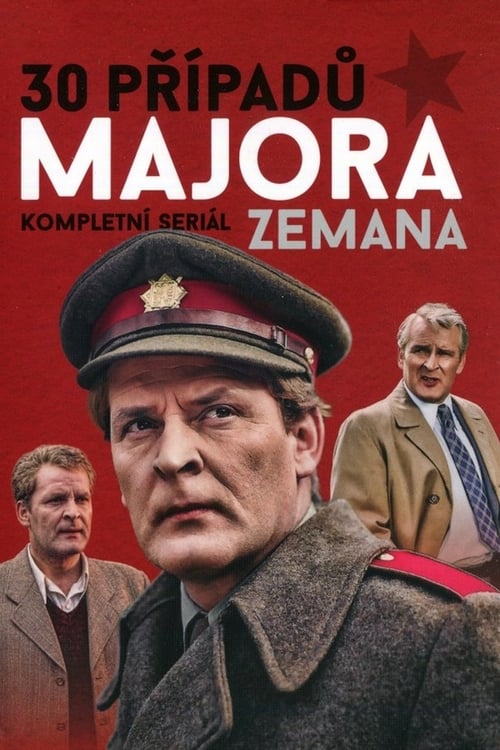
Thirty Cases of Major Zeman is a Czechoslovak action-drama television show intended as a political propaganda to support the official attitude of the communist party. The series were filmed in the 1970s. Each episode encompasses one year, and investigations are stylized to that year. Most are inspired by real cases. The series follows the life of police investigator Jan Zeman during his career from 1945 to 1975.
Thirty Cases of Major Zema
No description available.
Slavné historky zbojnické
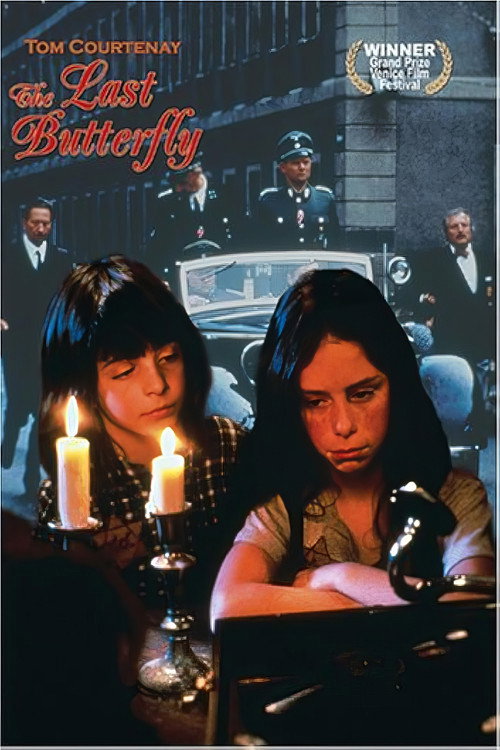
Stage mime Antoine Moreau is compelled by the Gestapo to put on a performance for the children of Terezin, a "model" concentration camp, to convince the Red Cross observers that the camp is truly what it seems. Reluctant at first, Moreau slowly learns the true nature of the camp, including the meaning of the "transports" on which people leave. With a world-class orchestra (made up of people interned in the camp) and a cast of children, Moreau stages a show to end all shows.
The Last Butterfly
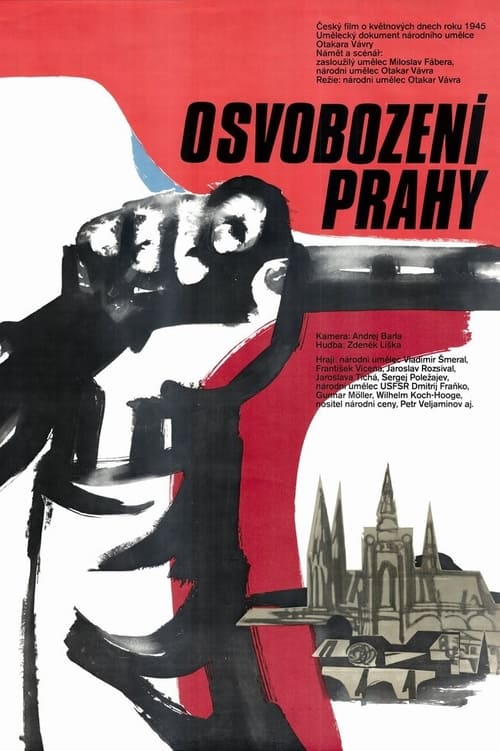
On 20th of April 1945 the Soviet army launches its attack on Berlin. The end has come for Nazi Germany and Hitler decides to commit suicide. In Prague K.H. Frank (Nazi Secretary of State and Chief of police in the Protectorate of Bohemia a Moravia) discusses with his commanders how to transform the city into an impregnable fortress, but the Praguers do not intend to wait any longer. From the early hours of 4th of May people start assembling in the streets and tearing down German signs. On the next day, the 5th of May, the uprising begins.
The Liberation of Prague
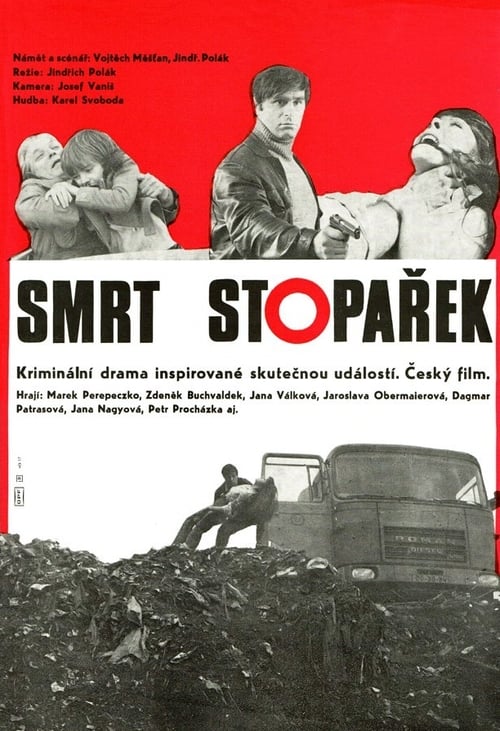
Maniac, a driver, sits on the track women, which then rape and kill. For loved ones, he is an ordinary person who has a wife and child. When exposed, he does not stop before killing his wife and takes his son hostage, under the guise of which he is trying to escape abroad.
Death of Hitch-Hikers
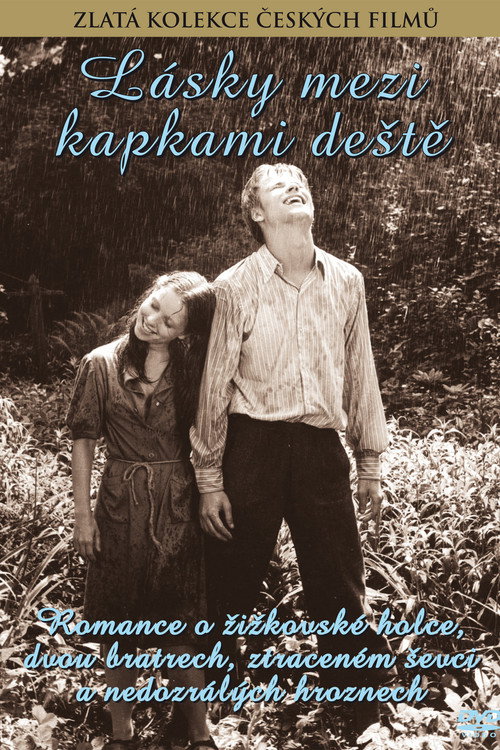
Set in Prague during the years leading up to World War II, this family saga tells the story of a cobbler named Vincenc Bursik (Vladimir Mensik), who uproots his clan from the country to the city, only to suffer the loss of his wife and the failure of his shoe business within months. When his daughter moves away to go live with a wealthy businessman as his mistress, Vincenc is left to take care of his two sons, who spend their days in a secret garden vying for the affections of a teenage girl.
Love Between the Raindrops
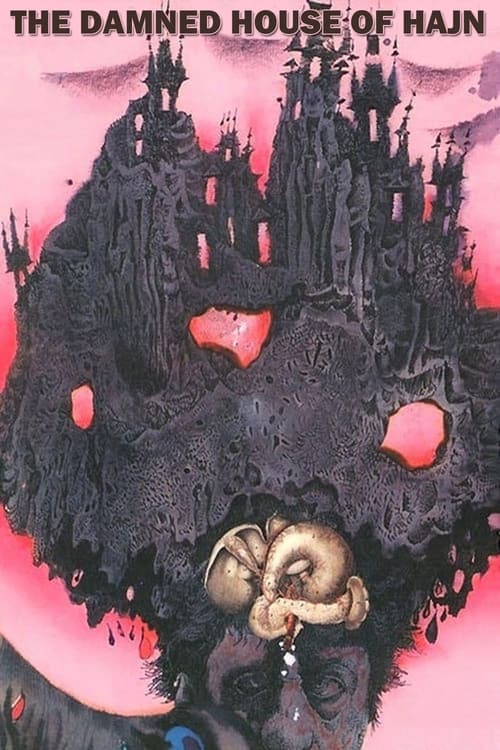
Sonya is the heiress to the riches of a Czech noble family—the Hajns. Petr, a social climber marries her, ignoring some shady goings-on—in particular, an insane uncle who prowls the mansion believing himself invisible, a peccadillo the family indulges. The uncle’s stalking every corner of the house, popping out of cupboards and out from behind curtains slowly takes its toll on the young bride.
The Damned House of Hajn
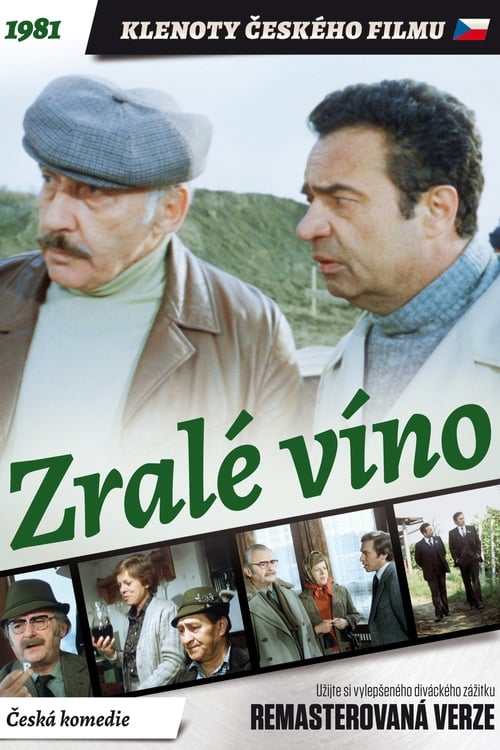
A loose sequel to the 1976 comedy Stormy Wine. The screenwriters and the director recreate on screen a number of characters from the South Moravian town of Pálavice, characterised by their different attitudes and approaches to work and private life. A number of serious issues touching on the times emerge around the story of the con man. The fundamental dispute between the vice-chairman Janák and the chairman of the merged cooperatives ing. Urban, as well as the satirical theme of illegal machinations and bribes, are undoubtedly of general validity.
Mature Wine
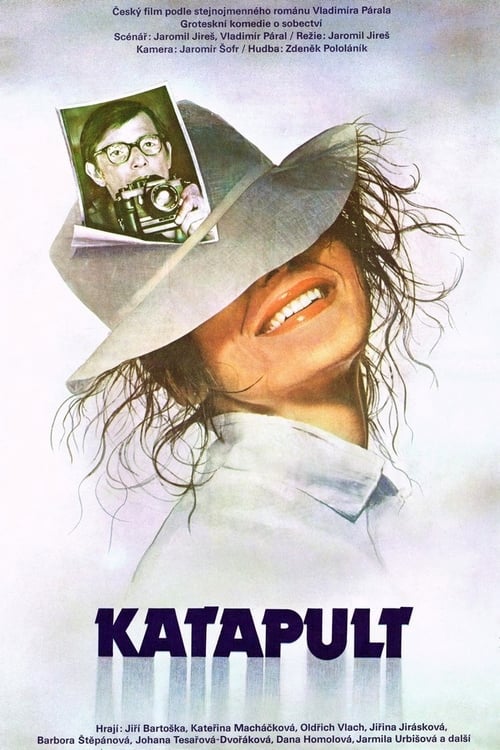
Adaptation of Vladimir Paral's comic novel, which criticizes consumerism as an attitude of life.
Katapult
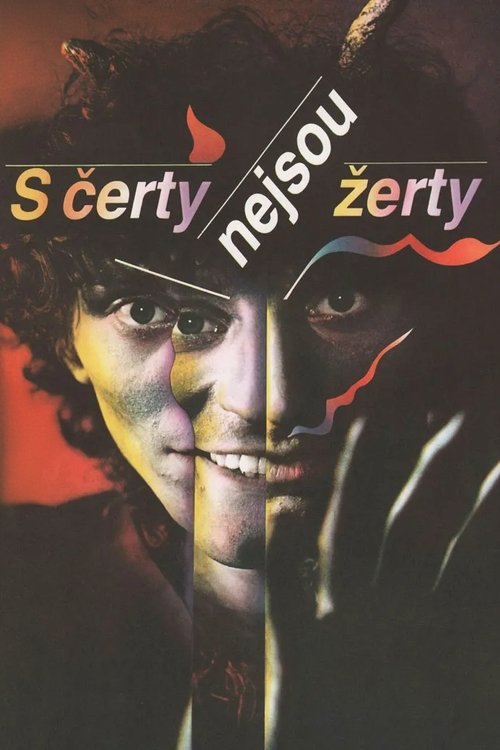
Dorota, a bad woman married the miller, out of sheer greed drives him to death. She then took the mill away from his son Peter and threw him out of the hime. Lucifer, who is known to rule in hell, sends out the devil Janek. He is supposed to fetch Dorota because the measure of her earthly sins is overflowing. But the devil himself can not handle this evil woman and flees to the military. There he meets Peter. By joining forces, they finally succeed in transporting the wicked Dorota to hell. Since then hell is hell. But for Peter, who is suddenly in possession of a magic mantle, begins a nice time, because strangely, the prince shows great interest in him.
Give the Devil His Due
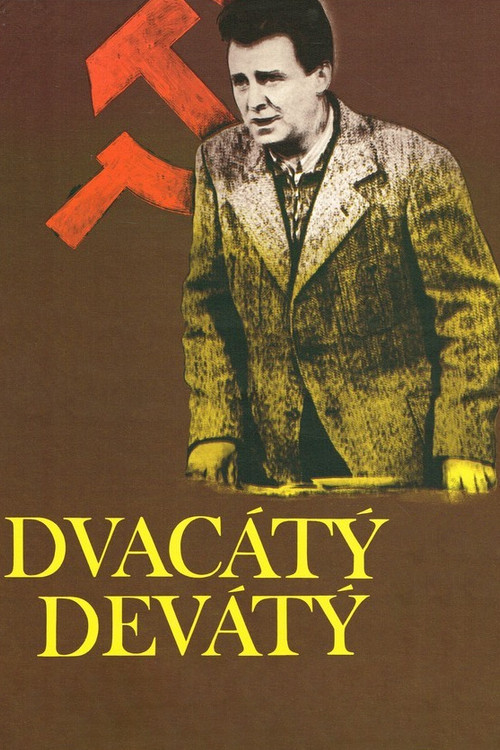
In the era of normalisation, a number of (pseudo)historical films were made, even described as reconstructions, which glorified the world-building mission of the Communist Party and attributed to it exclusively humanitarian intentions ("Days of Betrayal", "Sokolovo", "Liberation of Prague", "The Victorious People"). In 1929, when its fifth congress met, Klement Gottwald, who had taken the line of the Russian Bolsheviks, took over the leadership of the Communists...
Dvacátý devátý
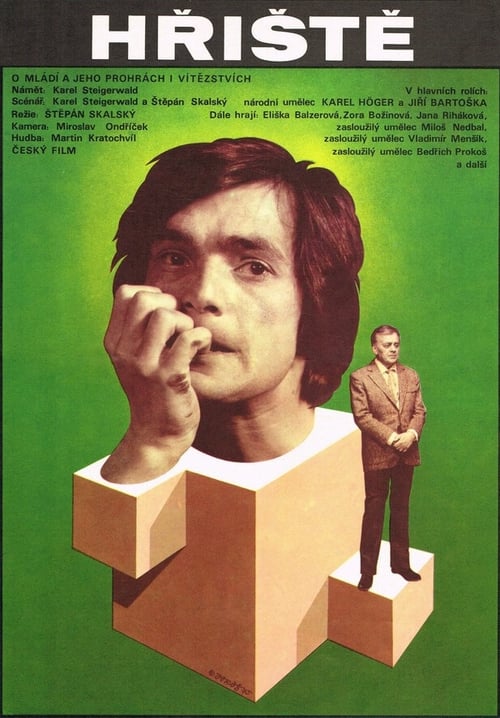
Civil engineer Luděk Turna accepts an attractive offer from a Prague design office. He tries to get ahead even at the cost of deception, but he recovers in time and voluntarily leaves to build a motorway...
Hřiště
Biography of the life of Guillaume Apollinaire.
La Chanson du mal-aimé
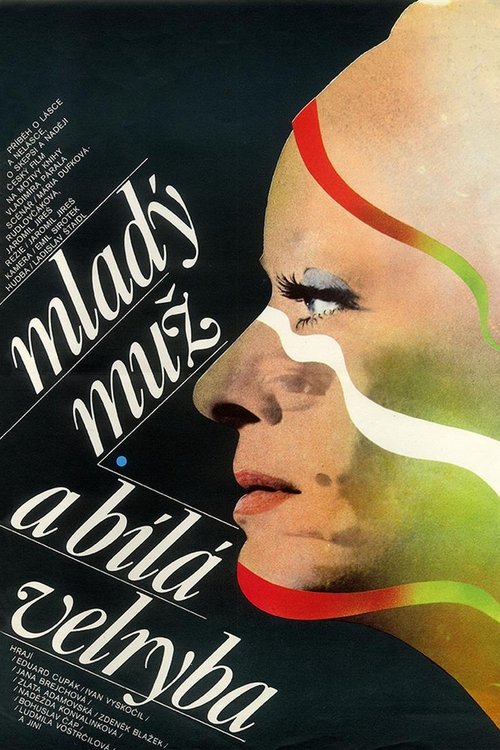
Good-looking Edita Beningerová (Jana Brejchová) arrives at a chemical factory in the North Bohemian town of Ústí nad Labem together with her young assistant Nada (Zlata Adamovská). She is hoping that her ex-husband, outstanding practical chemical engineer Vik Panc (Eduard Cupák), will help her conduct an experiment to validate her proposed theoretical method of isolating cholesterol from lanolin. The success of Edita's invention is crucial for her career at the Prague Institute of Chemistry. Vik's roommate from his hostel Bréta (Ivan Vyskocil) is thrilled. He will finally meet the mysterious and fascinating Edita about whom he has learned so much from Vik.
The Young Man and Moby Dick
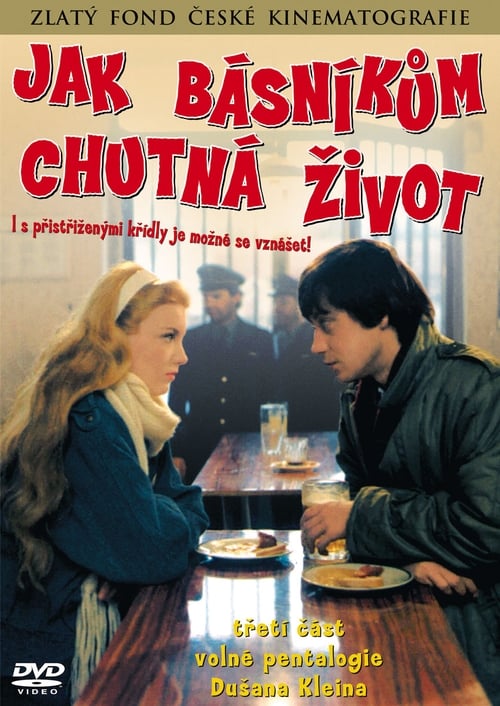
While Kendy returns to his hometown as an assistant director to film a thirteen-part series with a television crew, Štěpán Šafránek, equipped with his mother's advice after graduation, takes up his first position - as an intern at the local hospital. However, his inadaptability to local conditions and his sense of ethics in his chosen profession do not suit his other established colleagues. While they are amused by his zeal and responsibility, Štěpán has increasing problems with his superiors, until he is finally transferred to the position of rural district doctor, which everyone rejects. In Bezdíkov, however, he meets a new, perhaps permanent and reciprocated love, with whom he eventually decides to live and work in northern Bohemia.
How Poets Are Enjoying Their Lives
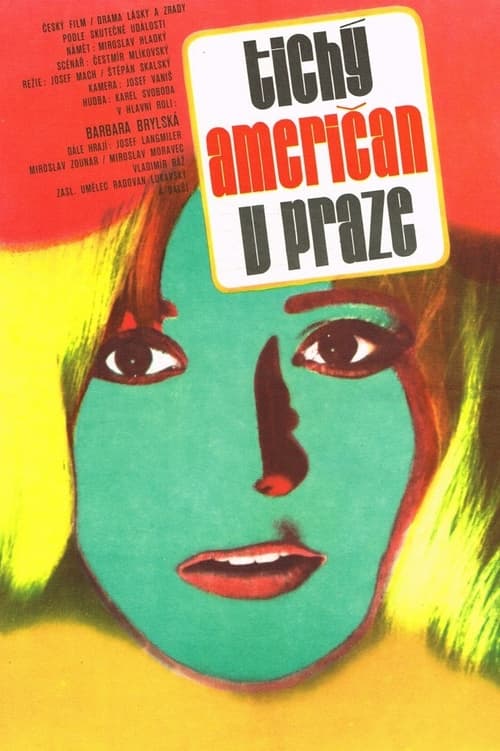
In the era of normalization, even seemingly buried agent stories came back. This one takes place in the immediate post-war years and tells the story of the discovery of a spy network that an American diplomat was spinning on Czech territory. He was unsuccessful: first, a close associate, who was proven to have collaborated with the Nazis during the war, committed suicide, followed by the intervention of the vigilant Security Service. However, the fleeing Americans were joined "in return" by a Czechoslovak agent... This naive adventure story could hardly be taken seriously. The book, which served as the basis for the film, was written based on actual events that took place in 1948.
Quiet American in Prague
A comedy about the unhinged owner of a lavish Art Nouveau villa. However, she is not entirely serious about the frequent advertisements in which she offers to sell it, and skilfully takes advantage of the interest of the often snobbish prospective buyers.
Oči pro pláč
The dramatic fate of a girl forced to live someone else's life...
Útěk do vězení

During WWII a youth deserts his country's army after a combat experience, but not before wounding his commanding officer with a knife in order to escape. The young man, now very emotionally distraught, dresses in women's clothes and eventually joins a passing gypsy caravan, who think him a young girl... as well as a kind of seer, or 'rawney'. In time, however, he regains some composure and becomes attracted to one of the gypsy girls, which only leads to problems within the gypsy band, especially when the wounded commanding officer finds him.