Acting
The true story of pianist Władysław Szpilman's experiences in Warsaw during the Nazi occupation. When the Jews of the city find themselves forced into a ghetto, Szpilman finds work playing in a café; and when his family is deported in 1942, he stays behind, works for a while as a laborer, and eventually goes into hiding in the ruins of the war-torn city.
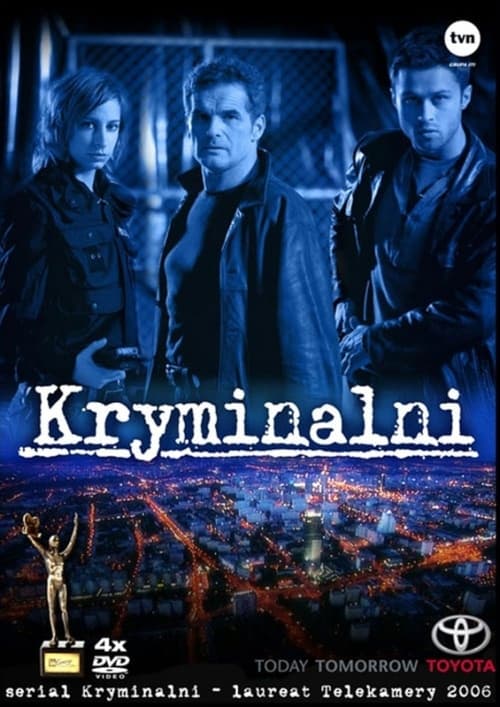
Kryminalni was a Polish crime drama television series that aired on TVN network from September 18, 2004 until May 24, 2008. It ran for 8 seasons and 101 episodes were broadcast in total. It was created by Polish director and screenwriter Piotr Wereśniak and produced by MTL Maxfilm studio. The series followed life and work of police officers from the elite Criminal Terror and Murders Division of the Warsaw Metropolitan Police; the title refers to police officers in the crime section. The three main characters were Adam Zawada, an experienced, tough cup, his younger colleague Marek Brodecki and Barbara Storosz, an ambitious female officer who in the first season joins the team just after graduating. Although none of the main actors had had star status before the series debuted, all three of them rose to prominence and popularity during the 5-year-long run. Many of Poland's best known actors guest starred, usually playing roles of people involved in just one particular investigation. The serial was one of the most popular in Poland: each week it had an audience of 4 million.
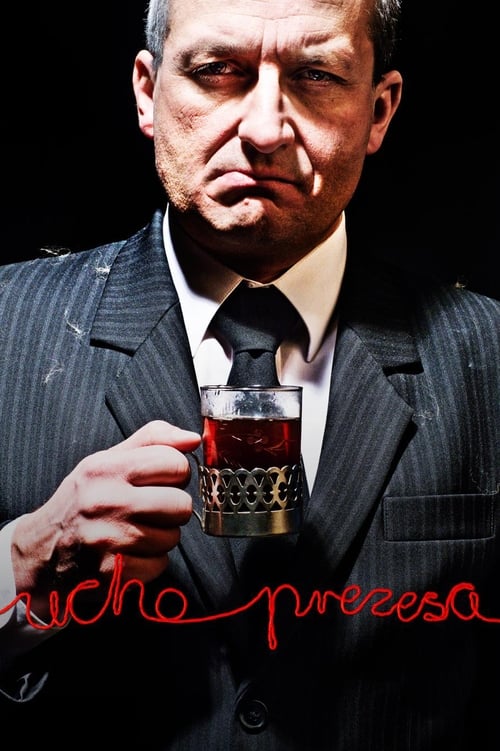
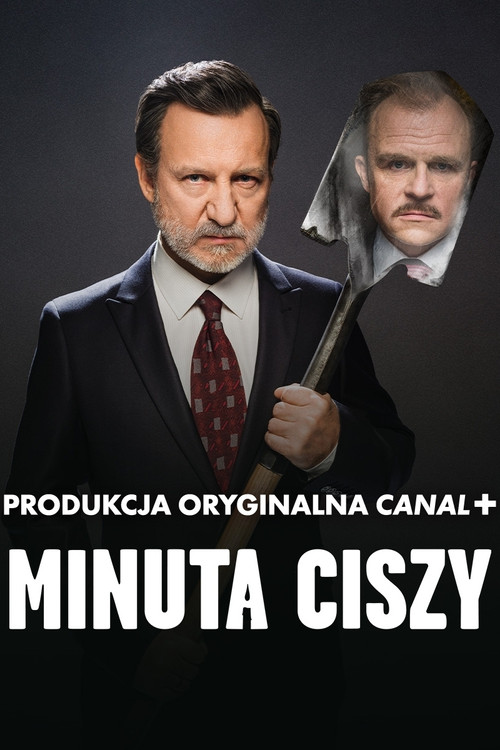
The series follows the chairman of the ruling political party in Poland (Mr Chairman). The narrative takes place primarily in his office where, joined by his assistant Mariusz, he hosts numerous visitors, including government officials and other public office holders.
When their latest heist goes wrong, three older female burglars evade officials by hiding out in a nursing home — where they uncover a sinister secret.
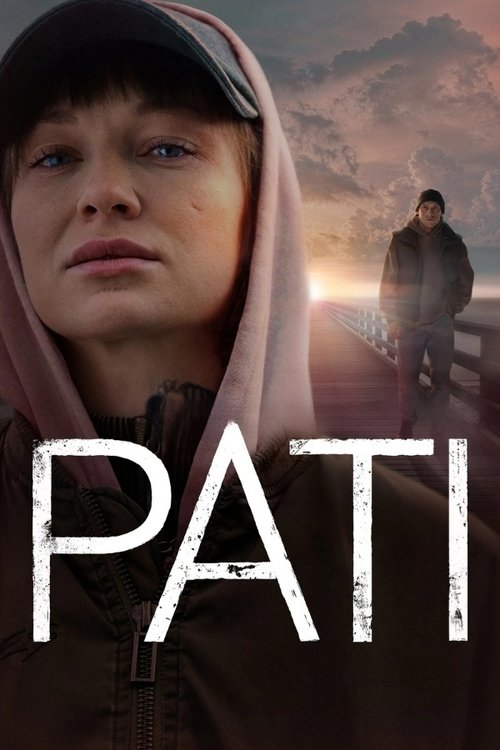
Pati has just found out that in the apartment she lives with her two younger siblings and her mother, the electricity has been cut off again and they are in arrears with the rent. Unfortunately, Julita, Pati's mother, runs away from responsibility in alcohol and drugs, spending time in bars and on the dance floor. Unlike her, Pati has ambitions. She applied to the culinary school in Sopot and is nervously waiting for a decision on whether she will be accepted. Sony, the local drug dealer, starts harassing Pati. He wants her to pay off her mother's debts. Pati discovers that Julita was trying to earn money by dealing drugs. She repays her mother's debt to the dealer with the help of Krystian, who has a crush on Pati. Julita goes to Sony again for drugs.
No description available.
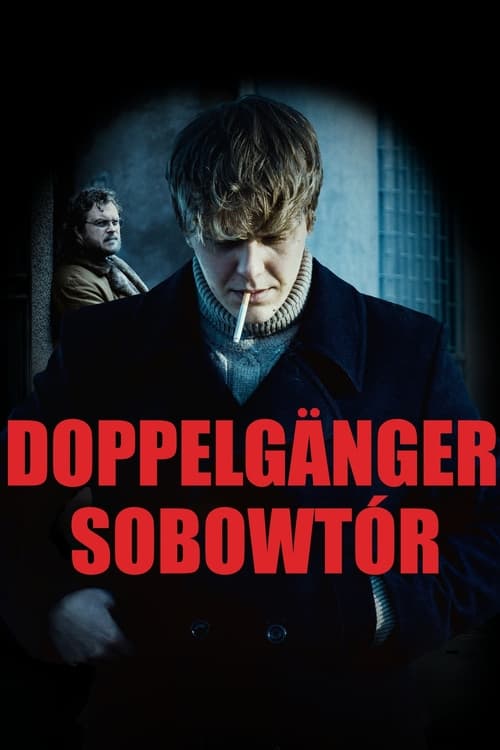
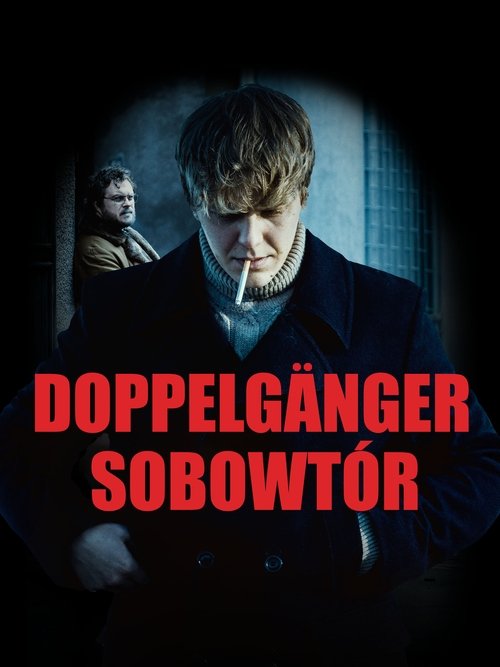
The story of a special service agent who steals another man's identity. Posing as someone he is not, he builds a successful undercover career
Bartłomiej, community elder and orator, must choose an appropriate successor, but finds difficulty in the aftermath of a local girl's tragic hit-and-run death. A community's pain reverberates through fractured relationships and the burden of funereal responsibility.
Jacek is a foodie, gay and Warsaw bon vivant who has his own TV show, several similarly eccentric close ones around him and self-destructive tendencies. A dramedy that makes fun of the Polish artistic elite, for whom Warsaw is “the only real Polish city”, cannot be compared to other shows. It is the authorial work of playwright and screenwriter Pawel Demirski. He wrote it from the beginning with the intention of presenting a hero contrasting with the burnout syndrome often felt today - a vital madman who believes the best is yet to come.
It is 1940. The first transport of prisoners arrives at the newly created concentration camp Auschwitz. One of them is Tadeusz “Teddy” Pietrzykowski, pre-war boxing champion of Warsaw. The camp officers force him to fight in the ring for his and other prisoners’ lives. However, his every win strengthens the hope that Nazis are not invincible. Auschwitz officers notice the growing resistance. The confrontation with the authorities of the camp becomes inevitable.
After a court order sends him to work at a hospice, an ex-criminal strikes up a friendship with a compassionate priest who changes his life.
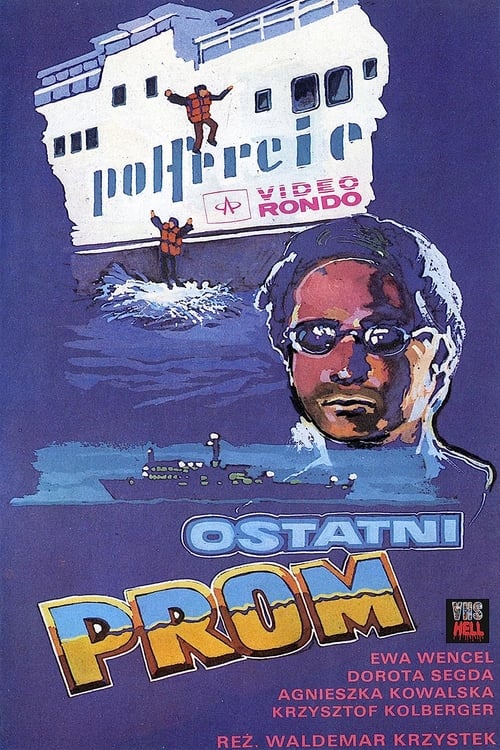
One of the passengers on a ship carrying Poles on a cruise in December 1981 is a dissident high school teacher sent abroad by Solidarity. He is under surveillance of the secret police, anxious to get their hands on the info that he is carrying. When the ship is in the middle of the Baltic sea, martial law is declared and the ship is militarized. The captain announces he will turn and return the home port. Many anguished passengers put the life vests on and jump into the sea, where they are picked up by two German ships. The teacher, however, decides to return to Poland and continue the struggle for freedom.
Wojciech, who does not feel the ubiquitous joyful atmosphere, meets someone who changes his holiday plans. In turn, Karina and Szczepan get embroiled in a fight for an inheritance that may divide even their loved ones. They will see if the only thing that comes out well with the family is in the photos.
After fun-loving metalhead Jacek is disfigured in an accident at work, he becomes the first person in Poland to receive a face transplant. This leads to his status as a media spectacle and martyr, all while battling ensuing identity issues as a consequence.
Polish WWII resistance fighter Witold Pilecki infiltrates Auschwitz, is imprisoned and interrogated by communist officials post-war, depicting his wartime experiences, incarceration, torture, and 1948 execution for opposing Soviet regime.
"Mieso" (Meat) is a satirical and irreverent revision of the most recent history of Poland.
The tale about last years of the legendary Home Army commander, General August Emil Fieldorf "Nil".
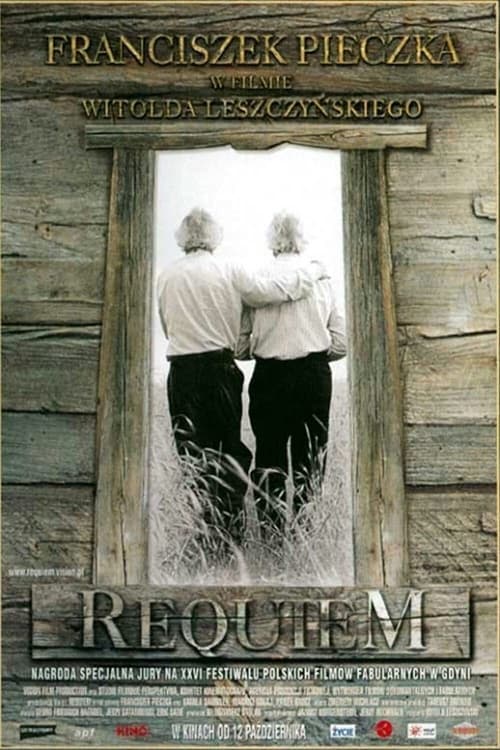
Hans and Jan Bitner live on opposite sides of the iron curtain. Hans lives in France, he leads a quiet life. Bitner is a Pole, involved in the fight for a free Poland. Their lives are different, but there is one detail that links them.