Koray Kesik
Camera
Known For
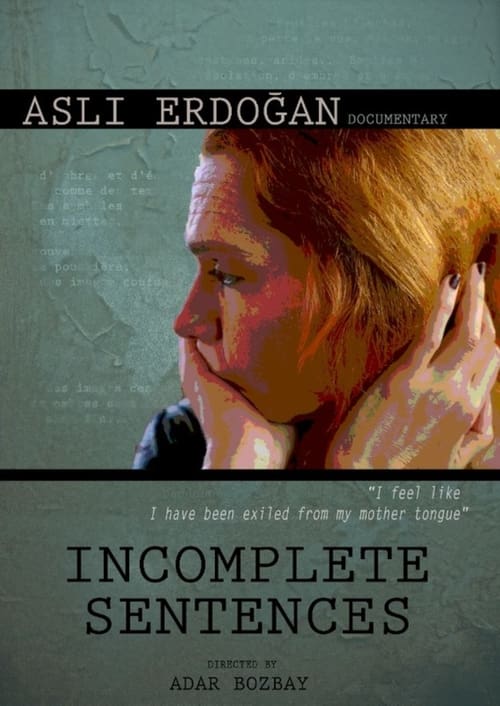
Aslı Erdoğan, world-renowned author and activist, has fallen into silence after she fled to Germany. Incomplete Sentences is a feature documentary on her literature and life, leading to exile in Frankfurt, after the Turkish regime’s oppression results in her unlawful imprisonment. Now, she struggles in exile while everybody is waiting for her to write again. Right after getting out of prison Aslı starts telling her story to the director, wandering in the streets of Istanbul she recites parts from her books and explains the stories behind. When Aslı goes to Germany to receive the Erich Maria Remarque Award she cannot return; thus her exile, which she likens to a semi-open prison, begins. As her health deteriorates and keeps her from writing, the tragedy in her books becomes her own reality.
Incomplete Sentences
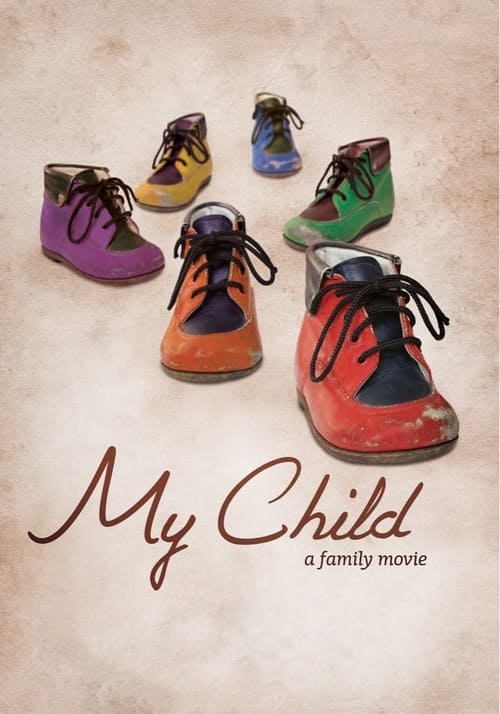
What happens when your child comes out to you? In this feature documentary, parents of lesbian, gay, bisexual and trans-gender individuals in Turkey intimately share their experiences with the viewer, as they redefine what it means to be parents in this conservative society.
My Child
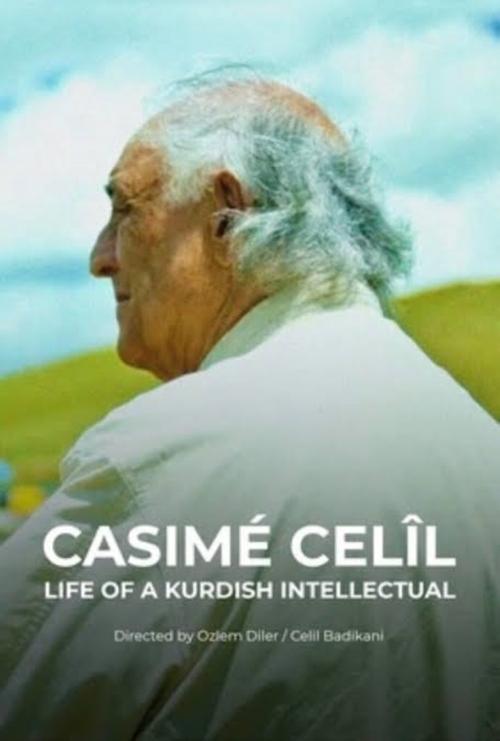
Casimê Celîl was born into a Yezidi Kurdish family in 1908, in a village called Kızılkule, located in Digor, Kars. The village and family life, which he longed to remember throughout his life, ends with the massacre they endured in 1918. During his long road to Erivan, Armenia, he lost all his family members. Left all alone, Casim was placed into an orphanage and was forced to change his name. To remember who he was and where he came from, every morning he repeated the mantra “Navê min Casim e, Ez kurê Celîlim, Ez ji gundê Qizilquleyê Dîgorê me, Ez Kurdim, Kurdê Êzîdî me”, which translates to: “My name is Casim, I am the son of Celîl, I come from the village of Kızılkule in Digor, I am a Kurd, and I am Yezidi”. He clings to every piece of his culture he can find, reads, and saves whatever Kurdish literature or art he comes across. As the year’s pass, Casim finds himself with an impressive collection of Kurdish culture and history.
Jiyana Rewsenbireki Kurd: Casimê Celîl
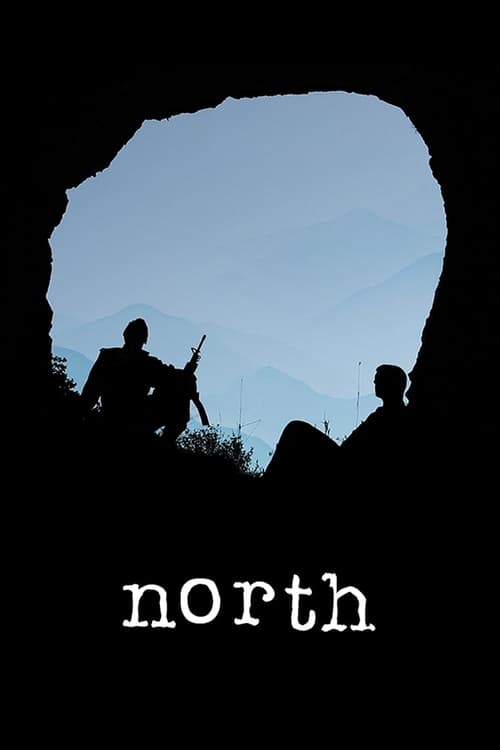
Bakur (North) is a documentary that invites its audience to reflect on a war that has been continuing for decades and gives an insightful look on its main subject, the PKK. The film follows the lives of the guerilla in three different camps on the Kurdish region (north) that lies within Turkish borders.
North
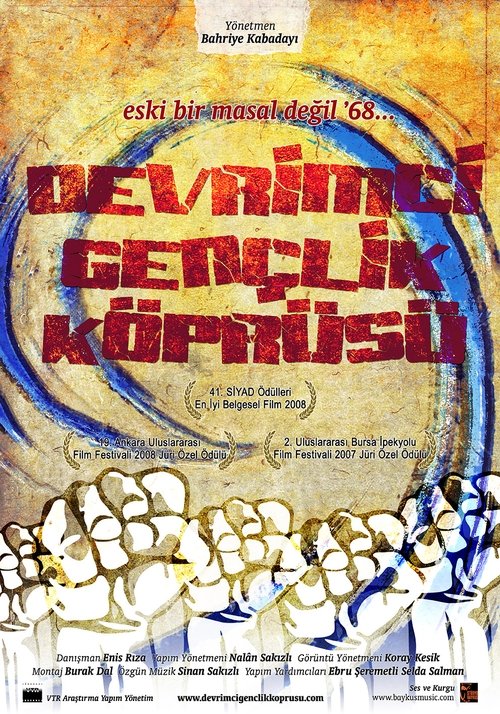
Year 1969 - in Turkey. 60s youth were living the most excited days. There was a great effort to make a bridge in Istanbul, on the Bosphorus. Meanwhile, on the eastern border of Turkey, in a Kurdish city between the borders of Iran and Iraq that is left to its destiny, in Hakkari, Zap River was taking lives since there were no passage on it.
A Bridge at the Edge of the World

Rojbash is the story of a group of Kurdish actors, coming together to restage a play from 25 years ago. Their journey straddles between the play, their dreams and the reality. For Kemal who dedicated his life to Kurdish theatre, political conditions of Kurdish language today, is worse than 25 years ago. In response, he decides to call his actor friends scattered around the world, to restage their old play Rojbash. Intertwining daily life with rehearsals and lines from the play, their clamorous days begin.
Rojbash
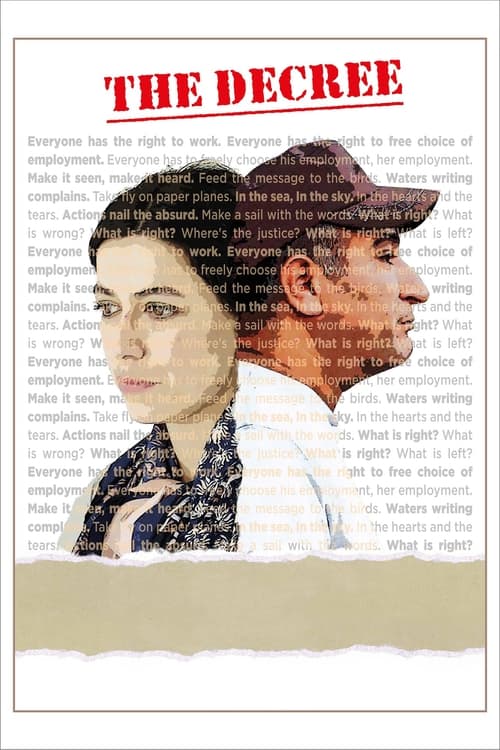
When a wave of dismissals follows the attempted coup in Turkey, Yasemin, a doctor, and Engin, a teacher, are among those who suddenly find themselves on the streets.
The Decree
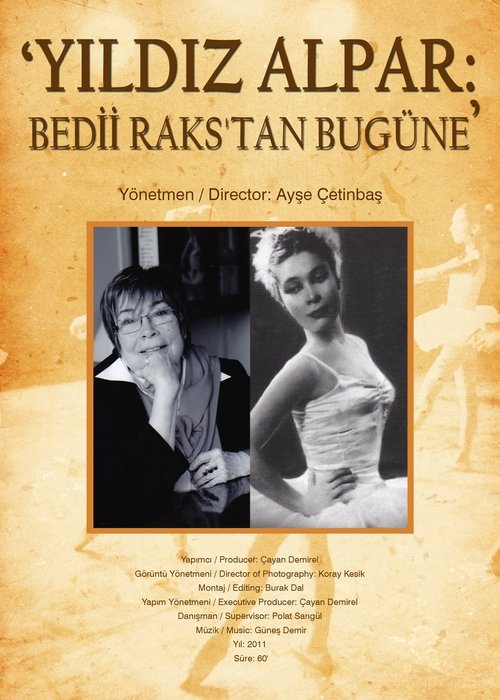
No description available.
Yıldız Alpar: Bedii Raks'tan Bugüne
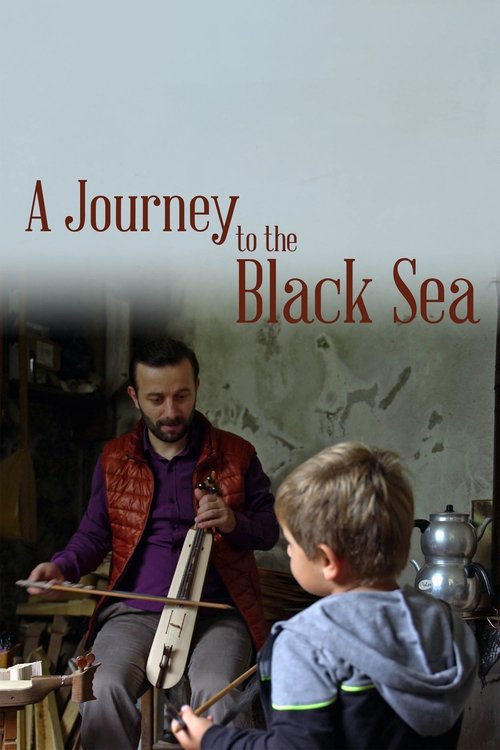
Adem Ekiz lives in Trabzon, Turkey, with his wife and 3 children. He is Muslim and his native language is Greek. He is playing "kemenche." Through his music, he silently breaks the chains between peoples by singing his traditional songs in both Turkish and Greek languages.
A Journey To The Black Sea
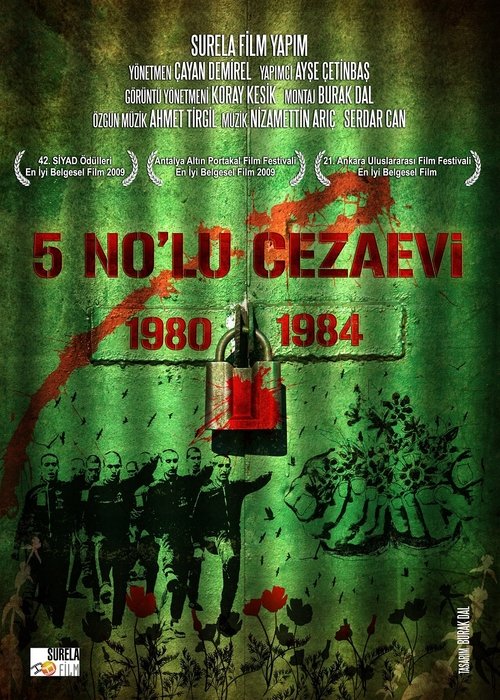
Following the military intervention of 1980 the number of people who died during interrogation or in prison increased. As a result of the unsanitary conditions and torture in prisons, 299 people died while incarcerated.
Prison No. 5: 1980-84
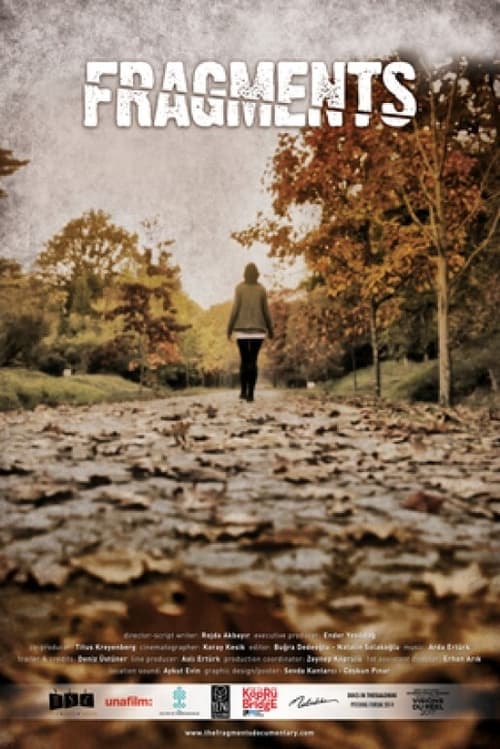
Parçalar is of the journey that the director took in order the piece together her own personal history, to confront her family and settle old scores with her father. The documentary examines the notions of family, immigration, and confrontation. In this emotional documentary, she is faced with her own past and the recent history of Turkey.