Rasim Ismailov
Camera
Known For

A musical fairy tale about a lion who got bored living in the zoo and goes wandering around the city of Baku, where he met and became friends with a boy Rustam.
The Lion Ran Away from the House
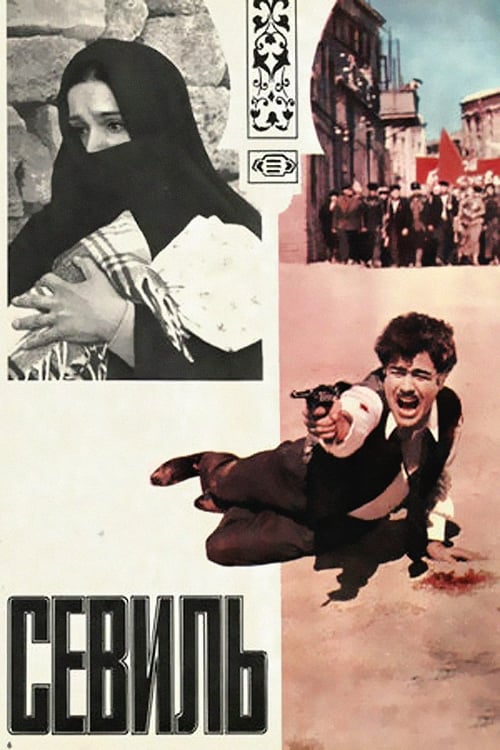
The film takes place in Baku in 1918-19 and then several years later. The film is based on the opera of the same name by Fikret Amirov. Sevil became the first film opera in the history of Azerbaijani cinema.
Sevil
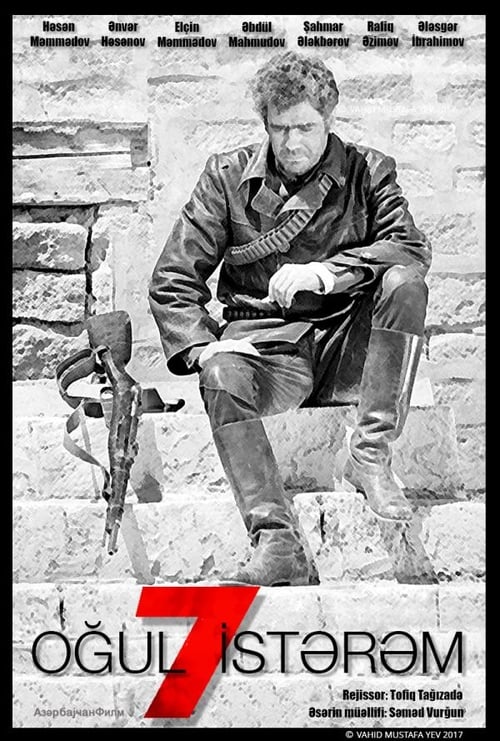
This film was based on Samad Vurgun's "Komsomol poem". Seven sons, like seven samurai become the seven komsomols (communist leaders) who were sent to a village to establish Soviet power. Seven sons become the romanticized images of people's heroes ready to take revenge.
My Seven Sons
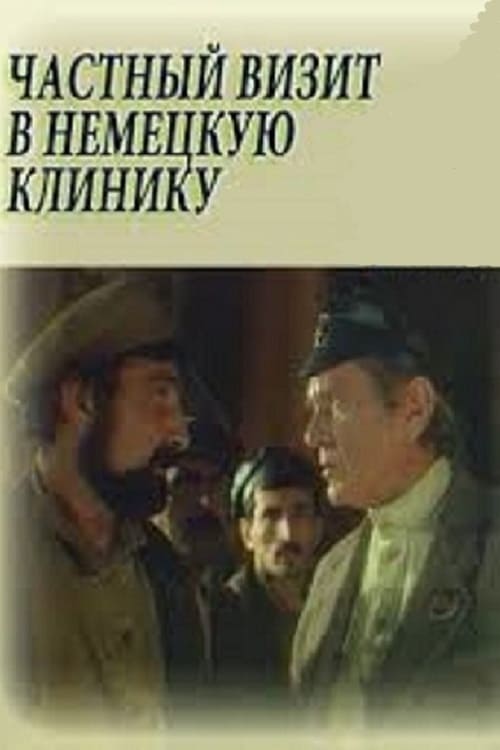
Baku, Year 1920. Secret agent of the Emergency Commission Engineer Mammad Rustamov is sent to Berlin with a special assignment. On the pretext of treating his son's illness, Mammad is endangering his life and people around him.
The Special Visit to German Clinic
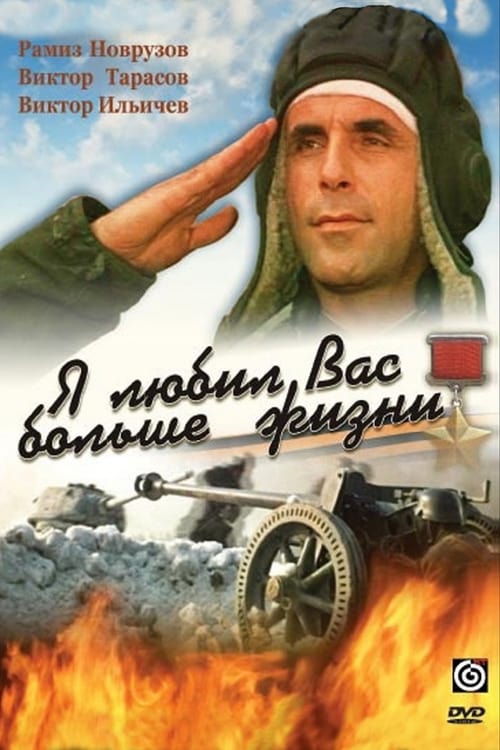
Biopic about general Hazi Aslanov, who died fighting Germans in WW2.
I Loved You More than Life
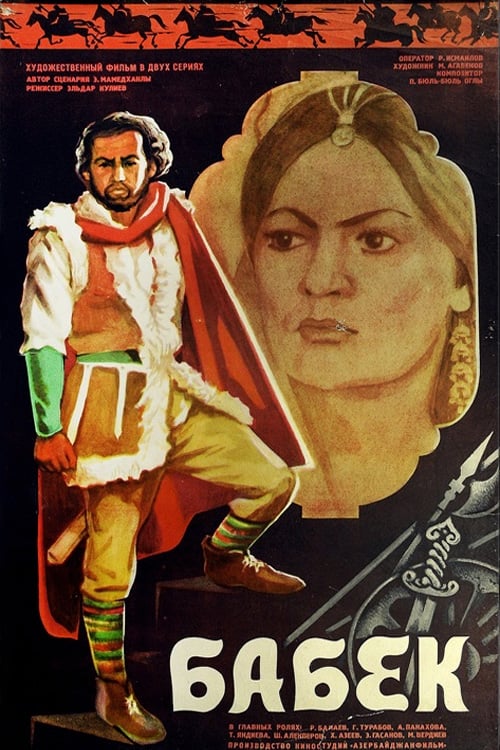
It is an epic movie about an Azerbaijani martur-hero who revolted against the Arab invasion of the 7th century.
Babek

Rukhsara and her son Ibrahim are very concerned about the future of their five daughters growing up at home - Gulkhar, Khalida, Sakina, Zohra and Sevinc. Rukhsara's dream is to give each of the girls a dowry, to send them off to their husband's house according to the "rules”, as they say. Ibrahim knows very well that family happiness is not measured by dowry and shiny furniture. However, for the sake of his mother, he tries to earn dowry money for the girls. The sisters also understand that the foundation of happiness is not laid by dowry. If you hold hands with the person you love, you can overcome all the trials of life with confidence...
The Price of Happiness
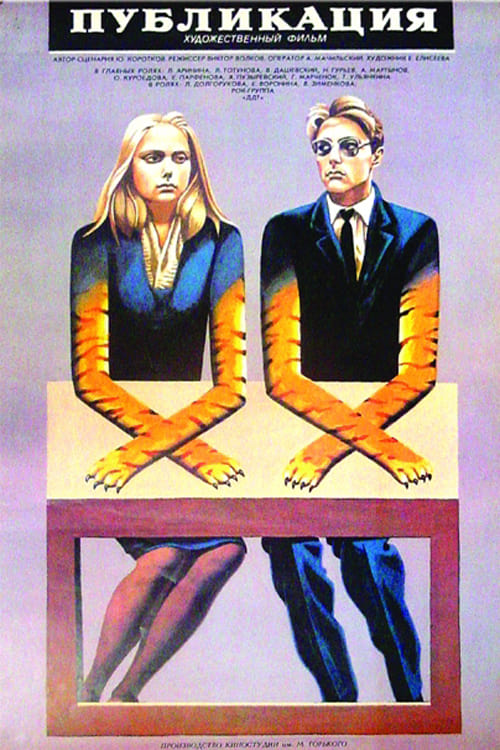
An emergency occurred at the school. An elderly, distinguished teacher suffered a heart attack and was hospitalized after an article was published in the newspaper containing unfair accusations against her. When a new teacher arrived in the tenth grade, one of the students decided to restore justice.
Publication
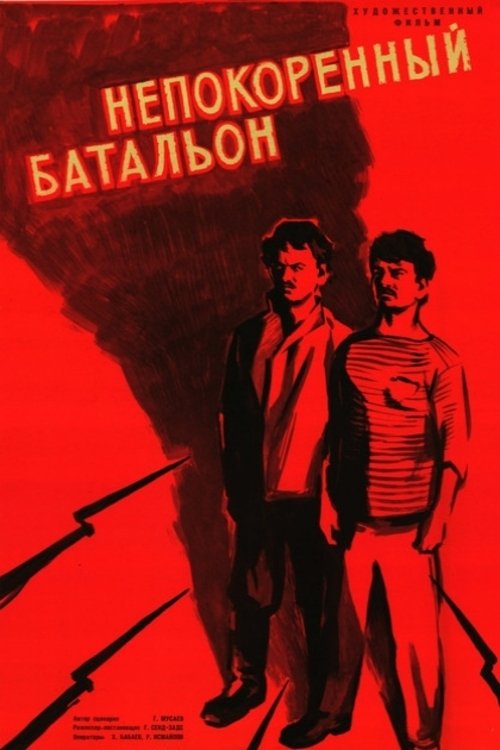
The film is about events which has happened with the "Potyomkin" ship.
The Invincible Battalion
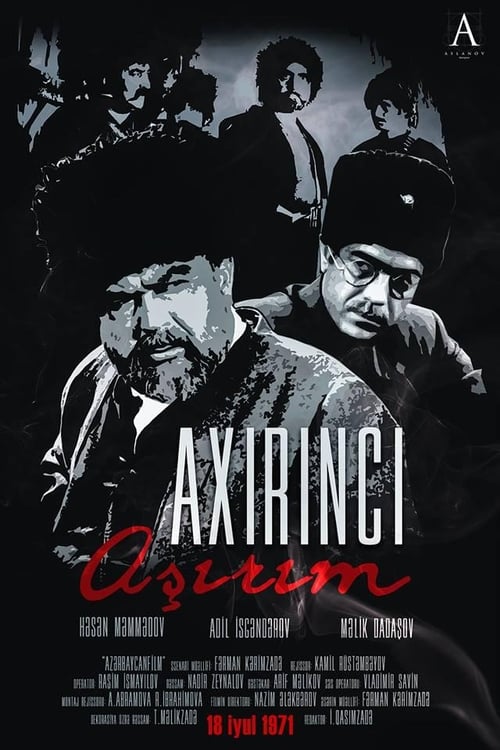
Based on a novel by Farman Karimzade, the movie shows the life in an Azerbaijani village under the Soviet rule in 1930s. Here two former "beys" (land owners) are opposing each other. One is loyal to the ideology of the past and can't reconcile himself to the new power, to second rejects the past and accepts the power of the Bolsheviks, believing that it will establish justice.
The Last Mountain Pass
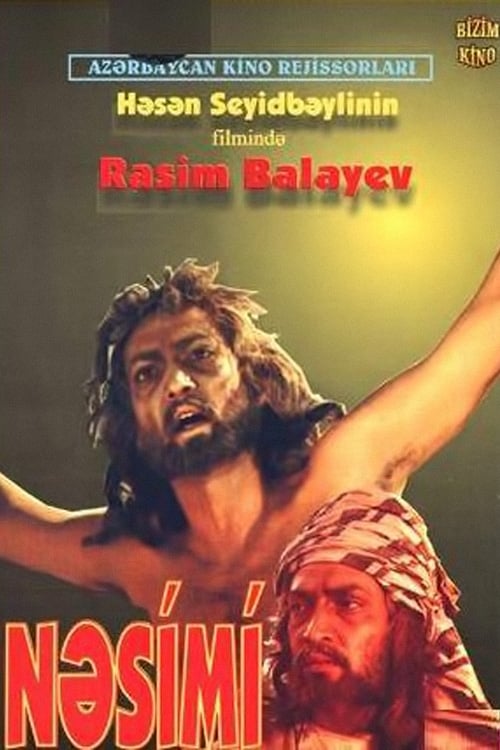
The film is a biographical true story about life of Imadaddin Nasimi, well known throughout the East for his school of philosophy and thought, poems and promotion of moral values in a feudal society. During the 14th-15th centuries, when Azerbaijan was a stage for warring powers and civil wars, Nasimi was the only poet committed to promotion of humanism and moral values inflicting criticism on the ruling system and the society itself. For his intruding role in feudal regimes, Nasimi lived a complex and tragic life.
Nasimi
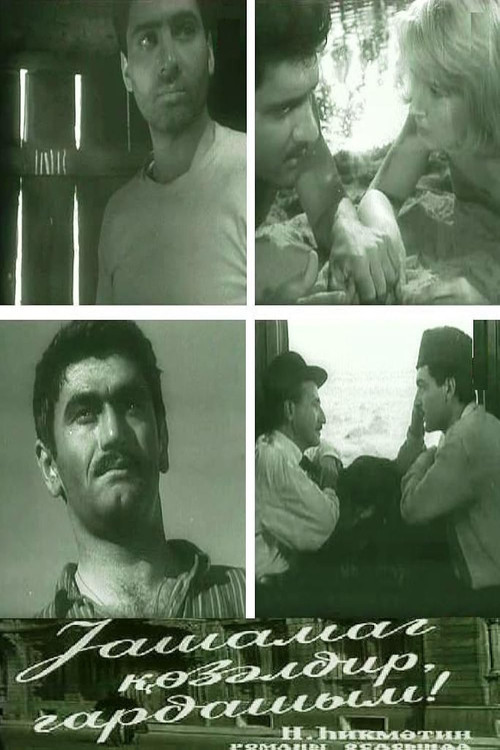
The film is about turkish poet Nazim Hikmat's autobiography.
The Life is Beautiful, Brother!
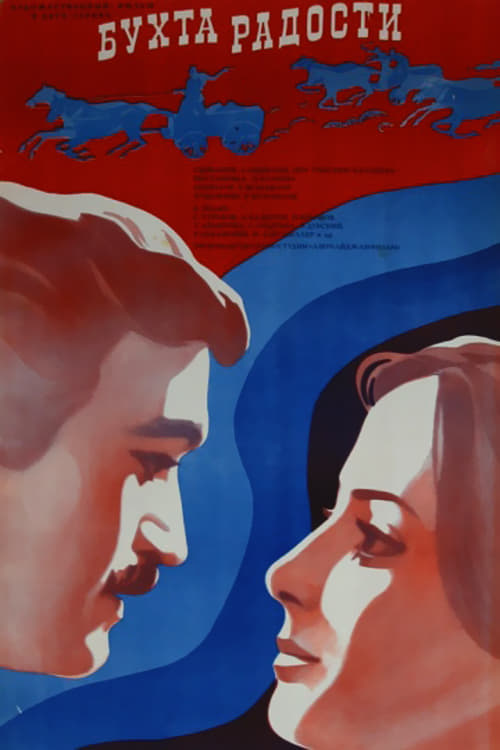
The film is about the first oil-well in the world in the world in the 1920th.
The Bay of Happiness
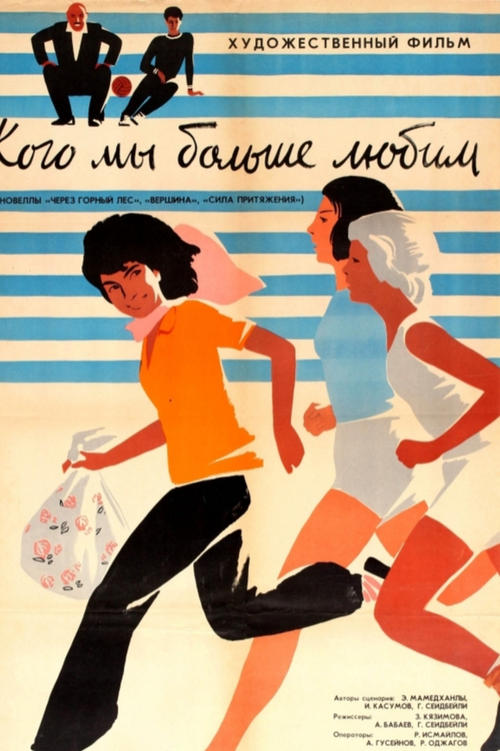
The movie almanac is dedicated to athletes. Three short stories ("Through the Mountain Forest", "The Top", The Force of Gravity") tell about mutual help, friendship, public duty and the formation of the character of a real person.
Who Do We Love More?
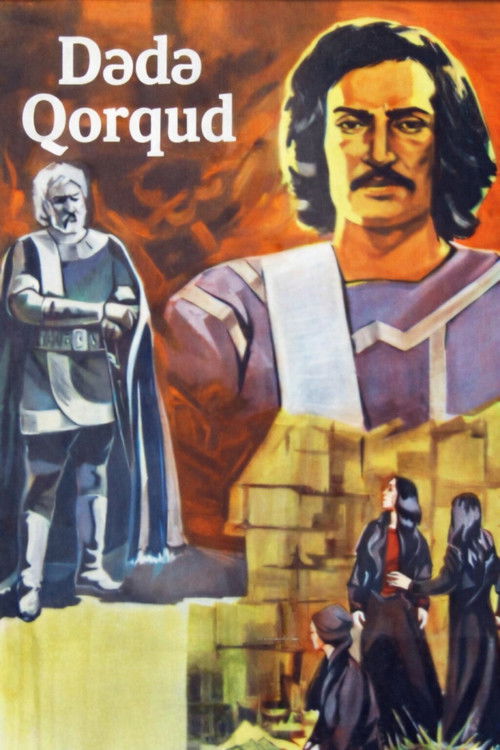
Legend of Azerbaijanian people "Kitabi Dada - Gorgud" is about damatic events, about Dada Gorgud.
Dada Gorgud
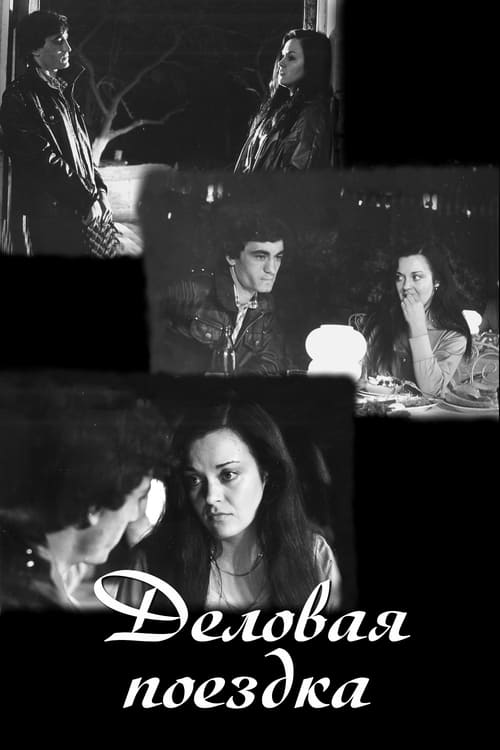
After the story of the same name of Rustam Ibrahimbeyov.
Business Trip
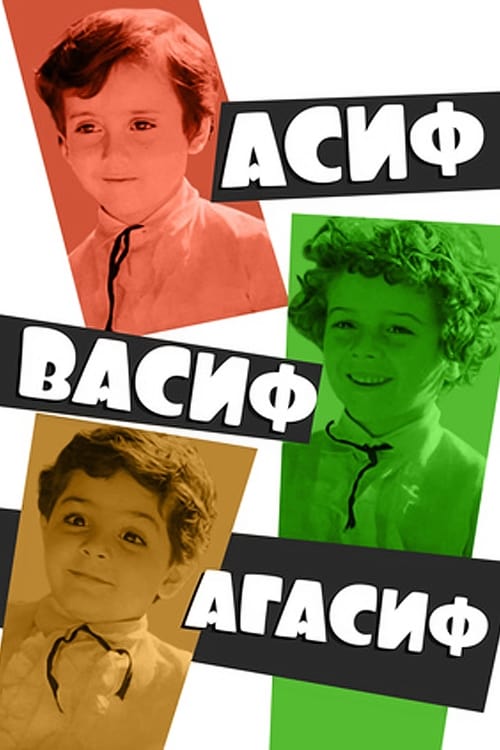
A funny adventures of three little brothers.
Asif, Vasif, Ağasif
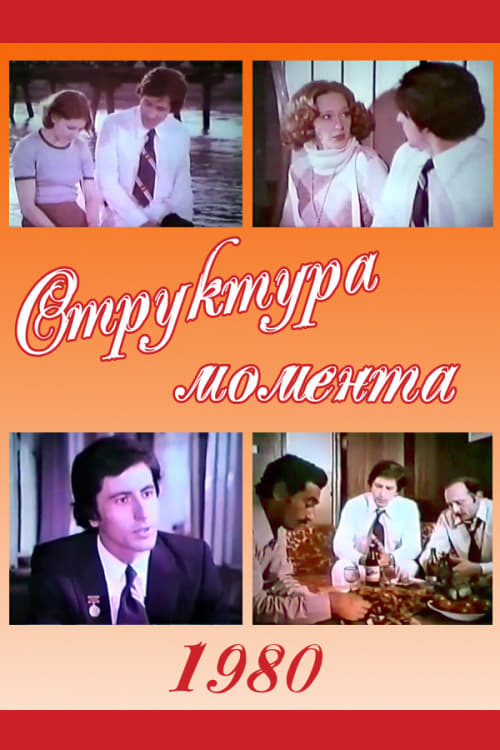
On preserving moral principles and the importance of gaining the trust and respect of others.
Structure of the Moment
The film is about Azerbaijan.
Azerbaijan. Land of Fire
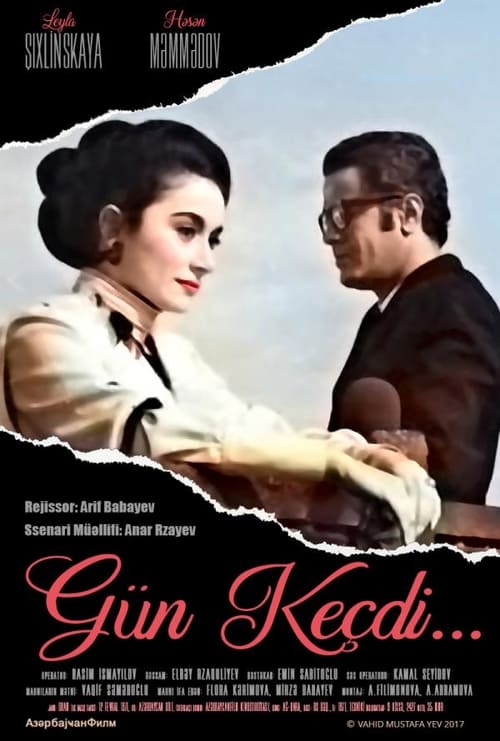
The film is about man and woman who remembered their childhood. The film reflects atmosphere of Baku. It is an adaptation of Anar Rzayev's "Georgian surname" novel.