Gonzaguinha
Acting
Biography
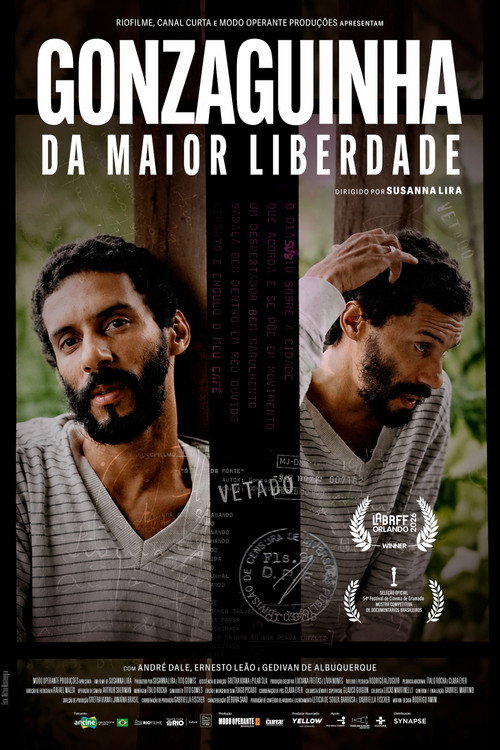
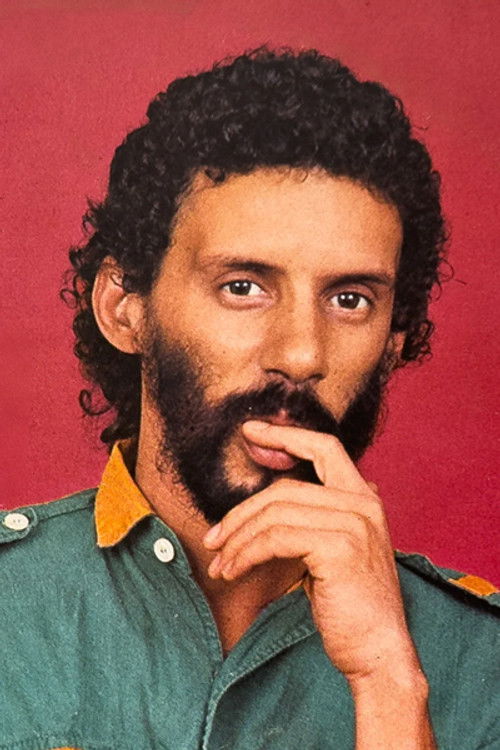
Luiz Gonzaga do Nascimento, Jr. (September 22, 1945 – April 29, 1991), better known as Gonzaguinha, in Portuguese Little Gonzaga, was a noted Brazilian singer and composer. Many eminent Brazilian artists recorded his compositions, such as Maria Bethânia, Simone, Elis Regina, Fagner, and Joanna. Among these, stands out Simone and great hits like "Sangrando", "Mulher, e daí" and "Começaria tudo outra vez". (Wikipedia)
Known For

Os Trapalhões was a Brazilian comedy group and also a Brazilian television series created by Wilton Franco. Its members were Dedé Santana, Zacarias, Mussum and their leader Didi Mocó, that was played by Renato Aragão. The name Trapalhões is derived from the Portuguese verb atrapalhar, which means the opposite of helping, to do something the wrong way or to Those that confuse. The name is translated "Tramps" in English DVD subtitles. It was aired by Rede Globo from 1977 to 1999. On March 18, 1990, Zacarias died due to respiratory failure, but the group and the series didn't come to an end until July 29, 1994, when Mussum died due to an unsuccessful heart transplant.
The Trapalhões

In the past, as Adalberto Rangel, he met and seduced Maria Paula. With a calculated coldheart, he married her, stole her fortune, then abandoned her, unaware she was pregnant at the time. Ten years later, accompanied by her son Renato, Maria Paula plots to recover her dignity and to find justice by getting revenge against the indignities done to her.
Two Faces

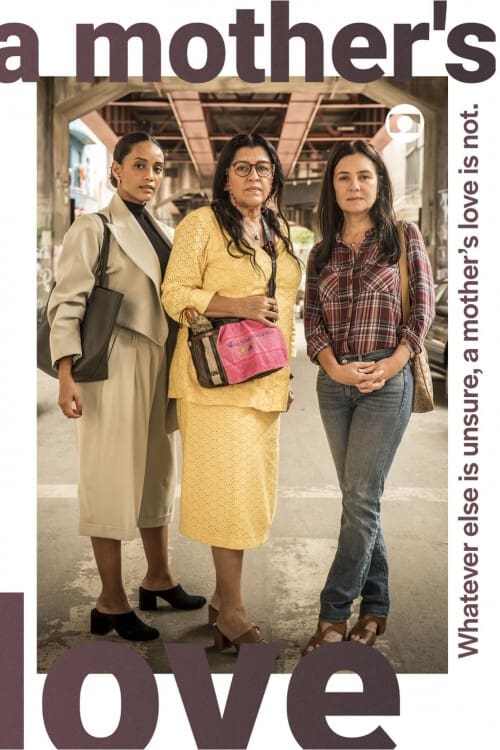
Lurdes is a mother of five who tirelessly seeks for Domenico, a child of hers who was sold by his own father 26 years ago; Thelma is an overprotective mother who finds out she has a terminal illness, and must race against time to make her dreams come true and prepare her son for a life without her presence; Vitória is a successful lawyer who sees the end of her marriage after countless failed attempts to have a baby and decides for adoption, but finds out she is pregnant during the process. In "A Mother's Love", the lives of these women are intertwined while they recognize themselves in the unconditional love provided by motherhood.
A Mother's Love

No description available.
Criança Esperança

No description available.
Grandes Nomes

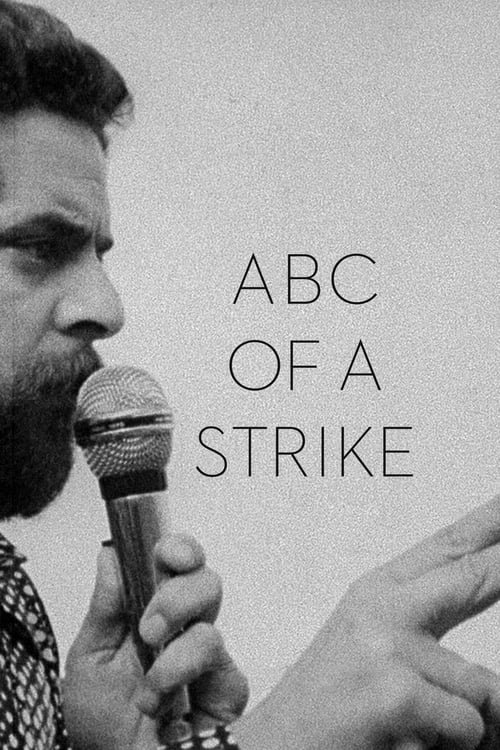
ABC of a Strike captures the 1979 metal workers strikes outside of São Paulo. The footage sat untouched until after the death of highly-regarded director Leon Hirszman in 1987, by which time the material had a new relevance. The gripping film captures the negotiations between the labor unions and the factory bosses and shows the birth of the region’s Worker’s Party, as well as the emergence of its charismatic leader, Luiz Inácio Lula da Silva. Rising from extreme poverty, Lula gained national prominence as a union activist during the late 70s and early 80s. After being jailed during his time as a union leader, he eventually becomes Brazil’s president from 2003 to 2010.
ABC of a Strike

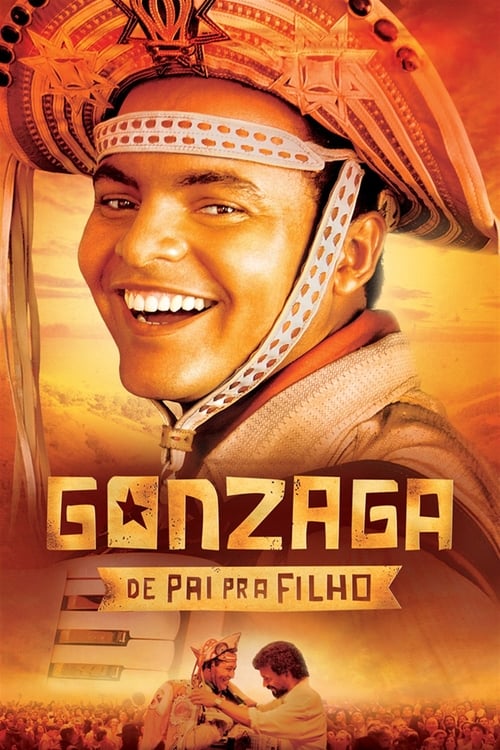
Luiz Gonzaga decides to change his destiny and leaves his childhood home for the big city to overcome a romance. When he arrives, he meets a woman he falls in love with, the Odaleia (Nanda Costa). After the birth of his son and his wife's health complications, he decides to return to the road to ensure a better future for his son. He has a friend in Rio de Janeiro and with him leaves the little one and heads to Brazil. He didn't imagine that this distance between them would develop into a complicated relationship, enhanced by the strong personalities of both. Based on conversations between father and son, this is the story of Luiz Gonzaga, a singer and accordion player known as Rei do Baião or Gonzagão.
Gonzaga: From Father to Son

Latest images of the artist still alive, an unprecedented composition, testimonies of friends, family and icons of Brazilian culture.
João do Vale, Muita Gente Desconhece

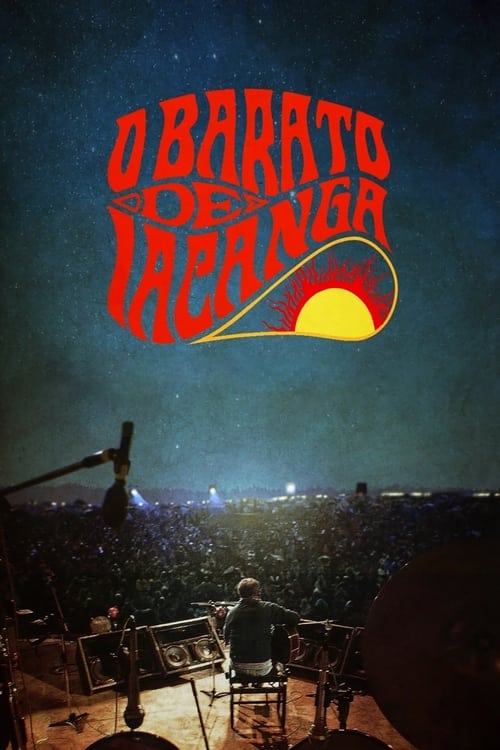
Participants recall a series of festivals held on a farm in Brazil during the '70s and '80s that evolved into liberating celebrations of music.
O Barato de Iacanga

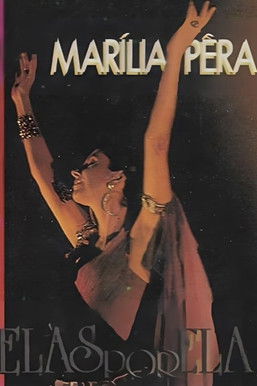
Elas por Ela reconstituted the history of MPB between 1920 and 1970, from the female perspective, also showing the transformation of the role of women in society over these years. Marília Pêra chose 35 singers to honor and, from 50 songs, put together the script for the show.
Marília Pêra: Elas por Ela

No description available.
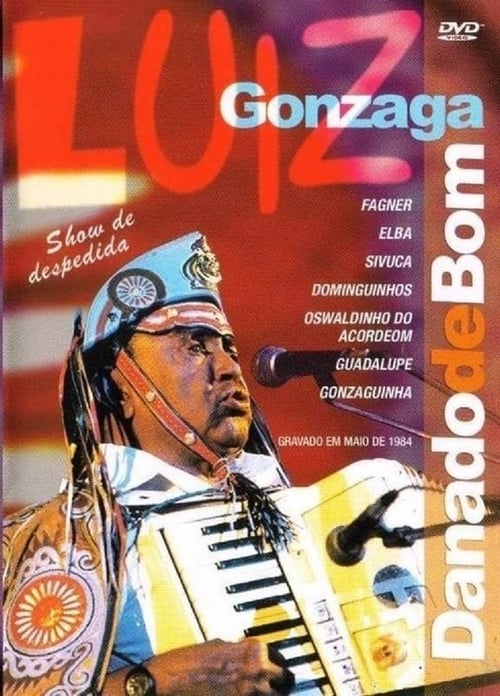
Luiz Gonzaga - Danado de Bom

No description available.