Production
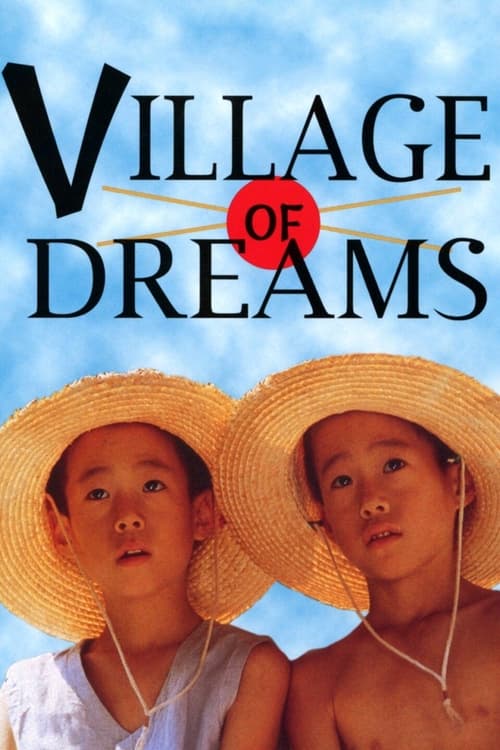
Tells of the childhood of two nine-year-old twins in a rural village in Japan after World War 2. Includes the boys relationships with their schoolteacher mother, civil servant father, elderly landlord, a rough new boy at the school, and three mysterious spirits in the form of old women.
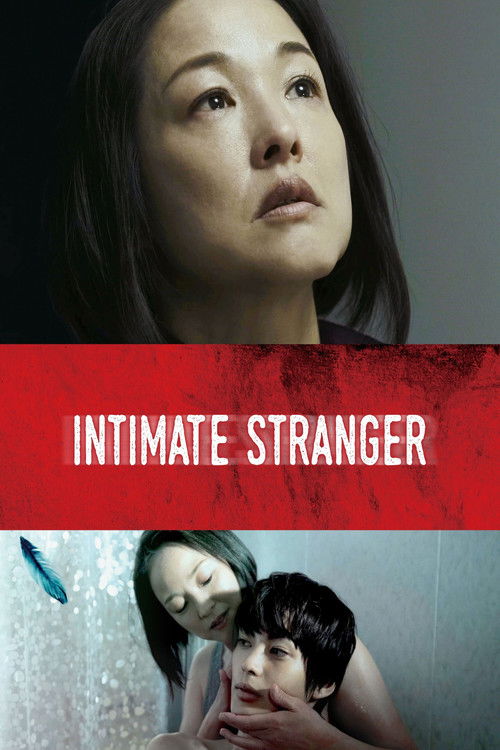
Ryoko Matsumura is a popular writer in her 50's. She also knows that she has Alzheimer’s. Ryoko Matsumura begins to teach at a university. She meets a young Korean man in his 20's. They become attracted to each other.
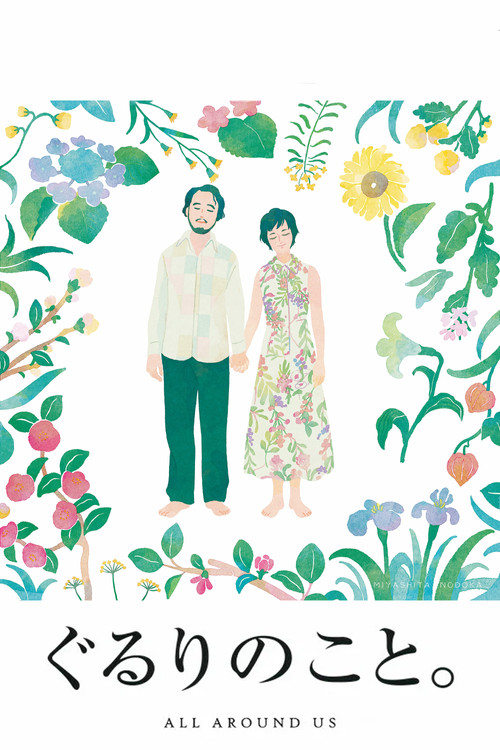
Kanao, a courtroom portrait artist, observes crimes, scandals and the decline of Japanese values without passing judgement. As he and his wife endure the tragedy of their first child’s death, hope slowly unfolds and their love story flickers to life once again.
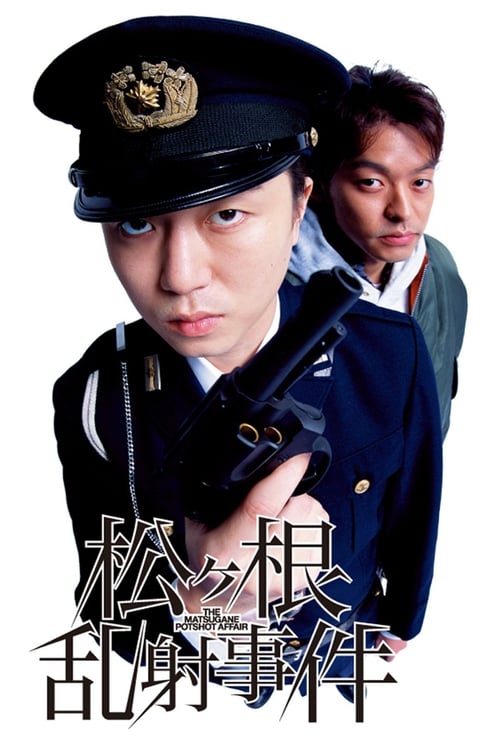
When a gold ingot and a severed human head are discovered in a small provincial town, the rush to solve the curious case wavers between tragic and darkly humorous.
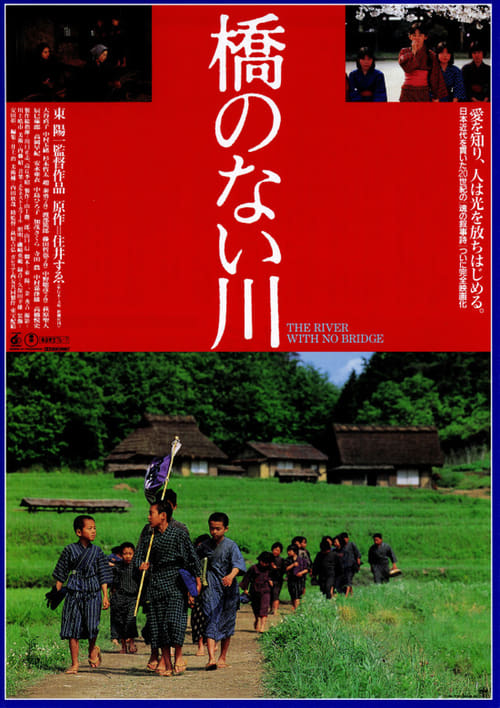
A widow and her two sons, Seitaro and Koji, live in the small town of Komori, where Buraku people are forced to reside. The two boys are continuously harassed by their teachers and classmates through their childhood as a result of their Buraku heritage. In the midst of the 1918 Great Rice Riots in Osaka, Seitaro meets with Asako, the daughter of a rice shop owner, and falls in love with her. She too is of Buraku descent. At the same period, Hideaki, an old friend of the brothers returns to Komori, and he along with Koji and the townspeople create "Zenkoku Suiheisha", the National Levelers Association, an organization pledged to build a bridge over the river of discrimination, making all people equal in every way.
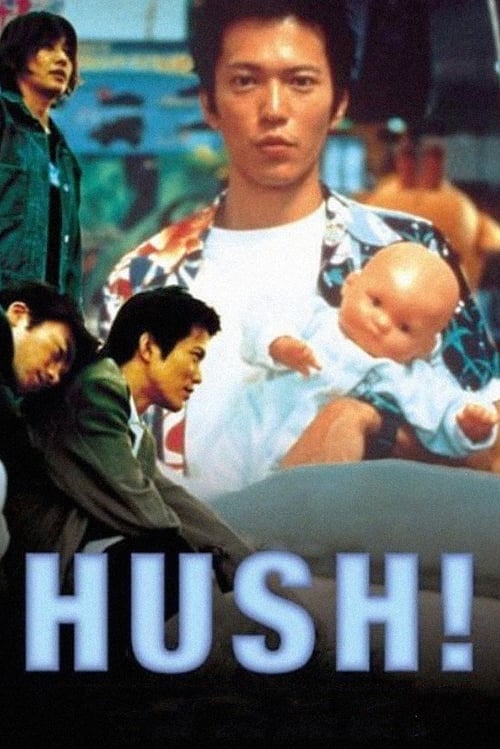
Naoya and Katsuhiro are boyfriends, new in their relationship. Things are uneven at first—Naoya is open and free while Katsuhiro is cautious and closeted—but nothing compares to the chaos that arrives when Asako, a troubled woman with a history of psychiatric problems, abortions, and casual sex, asks Katsuhiro to conceive a child with her.
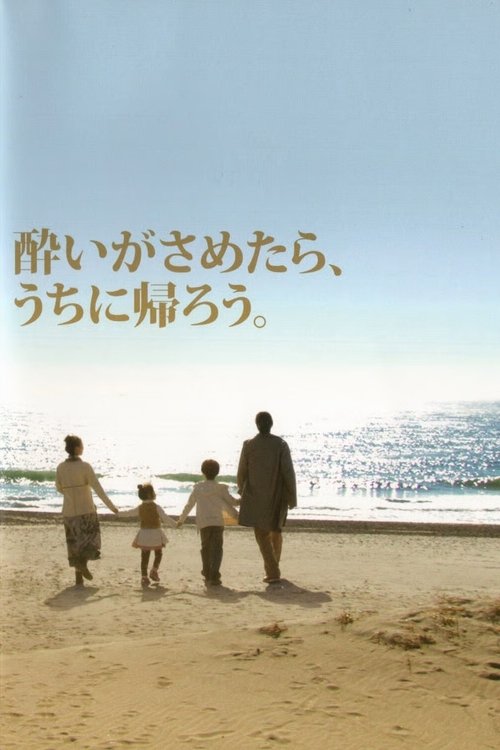
War photojournalist Yasuyuki Tsukahara married popular manga artist Yuki Sonoda and had children. Because of Yasayuki's drinking problems the couple divorced. Yasuyuki is now coughing up blood, hospitalized, and violent. Even with all of these problems Yasuyuki can't give up drinking alcohol. His family gets tired. Yasuyuki is then hospitalized in an alcoholic ward. There he finds comfort living with other patients and having conversations with doctors. With the help of his family, Yasuyuki recovers mentally and physically, but his body has already paid a heavy toll.
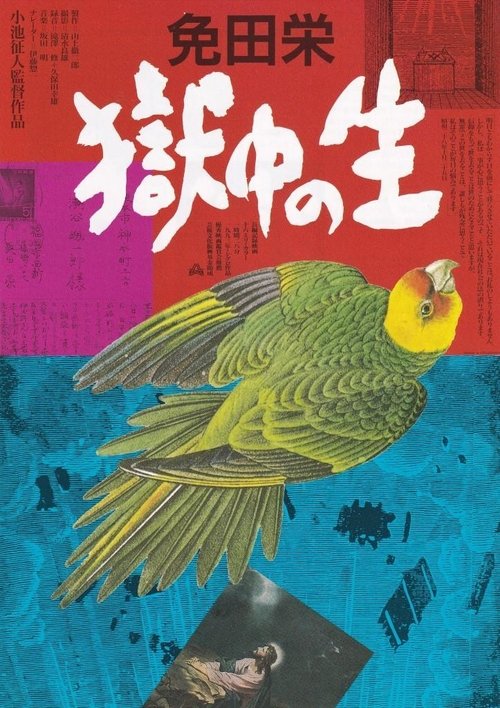
A documentary about Menda Sakae, a man who was wrongfully imprisoned for 34 years.
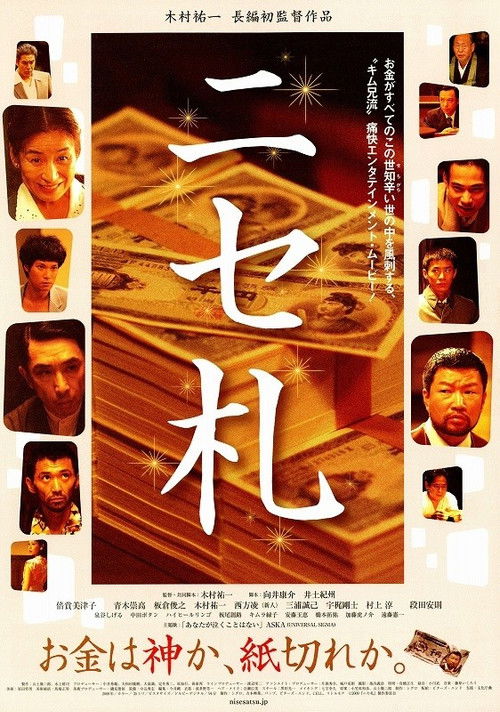
Kageko, a teacher in a small mountain village with a thriving Japanese paper industry, is visited by a former student, who proposes a plan to manufacture counterfeit money. She initially refuses, but eventually decides to join the project for the sake of the poor children in the village and her own mentally handicapped child.
A psychological thriller set in the post-COVID Tokyo. The film follows a woman looking for her missing son, and a shady young man who approaches her, claiming to know her son.
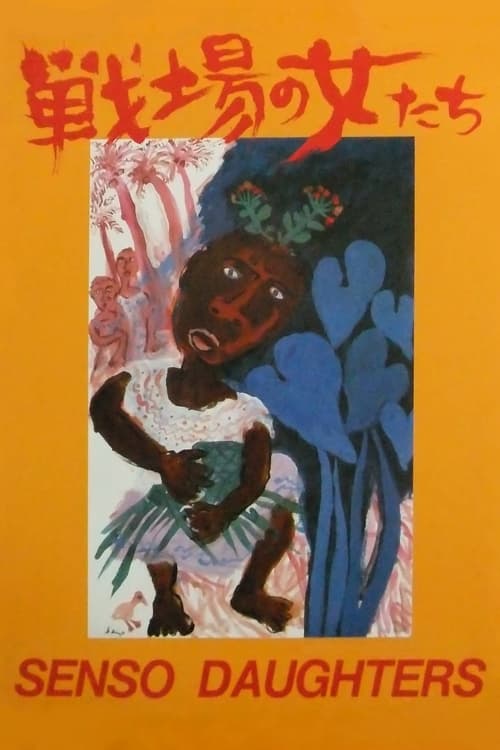
Senso Daughters focuses on the legacy of the Japanese occupation of Papua New Guinea during the Second World War. It is a legacy that arises from rape, starvation and terror. Sekiguchi's documentary lets the residents of Papua New Guinea, especially the women, tell the story of their three years under Japanese Army rule.
No description available.
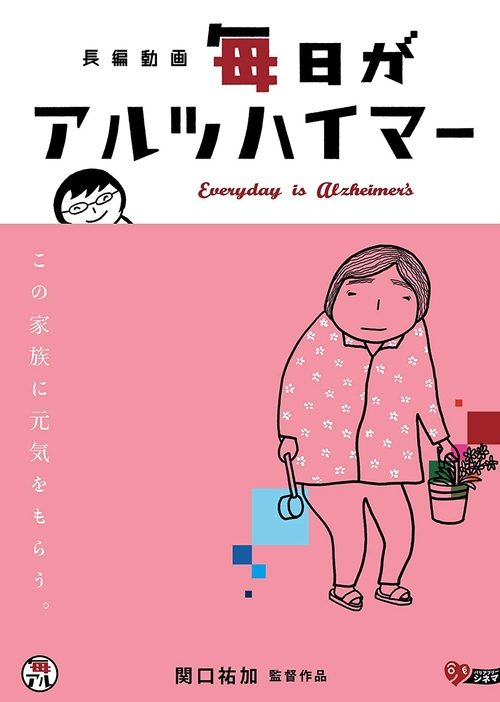
A movie documenting the daily life of director Yuka Sakaguchi after her mother is diagnosed with Alzheimer's and dementia.
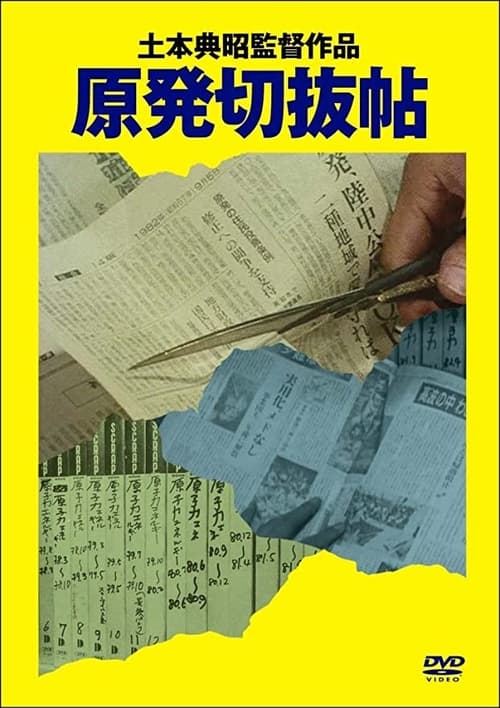
A film essay about nuclear energy in Japan, composed of newspaper clippings collected in scrapbooks
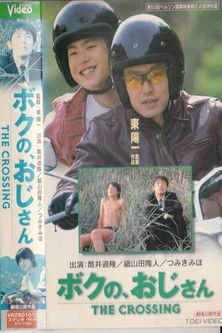
14-year-old Takuya lives in a rural town near mountains and rivers. His 29-year-old uncle Koji works as a graphic designer in urban Tokyo. Koji's father dies and Takuya is arrested for attempted robbery-the two young men must now face a crucial crossing in their lives. The concluding chapter to director Higashi Yoichi's "boy and river" trilogy, the film highlights contemporary themes like family, adolescence, and the healing properties of nature. The wild but beautiful Kuma River stars as a threatening symbol for the boy's rite of passage. Supernatural beings reign in the mountains above the village.
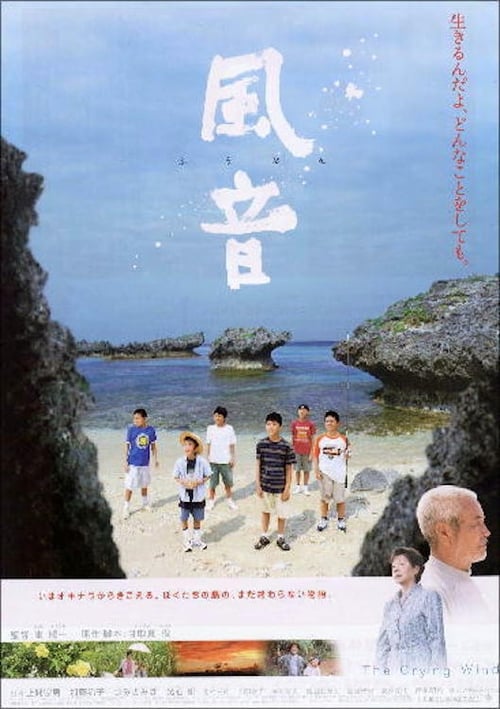
Seikichi, makes his living fishing from a small boat off the coast of Okinawa. He and his 12-year-old grandson Akira live in a small, tree-lined village in the northern part of the island which is surrounded by a white-sand beach and plots of pine and flowering bushes. On the cliff that skirts the shore sits an open-air burial ground containing the skull of a kamikaze pilot who was shot down during the last days of World War II. When the wind blows through the bullet hole in the skull, it produces a whistling sound. The locals call it the "Crying Head."
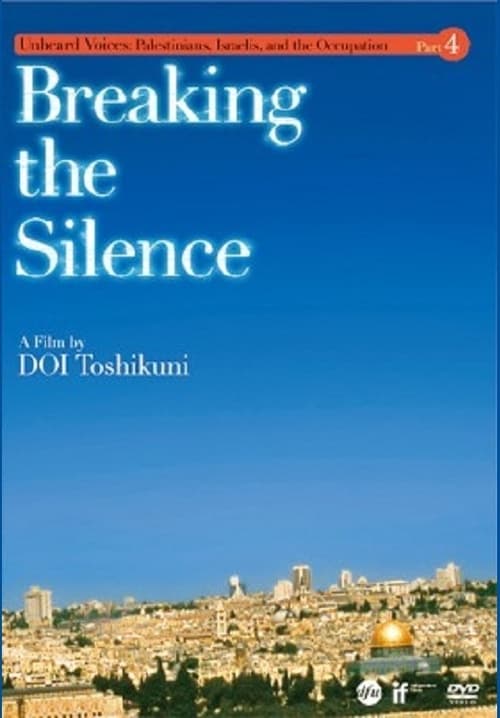
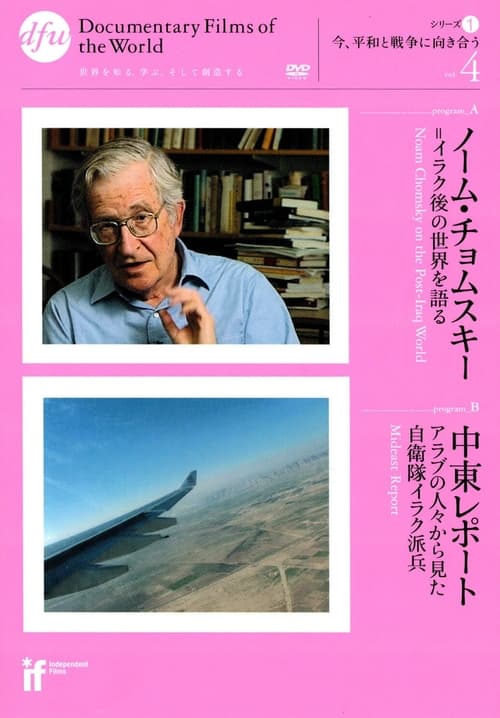
Interviews about Japan's deployment of Self-Defense Forces in Iraq collected from Middle Eastern intellectuals, cultural figures, and Palestinians living in refugee camps in March 2004.
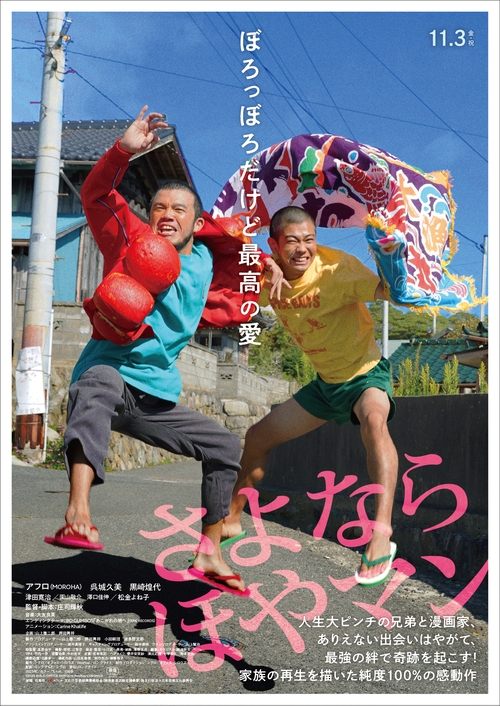
Set on a remote island in Ishinomaki, Miyagi Prefecture, this human drama depicts the strange shared life and family rebirth of two fisherman brothers and a manga artist from Tokyo.
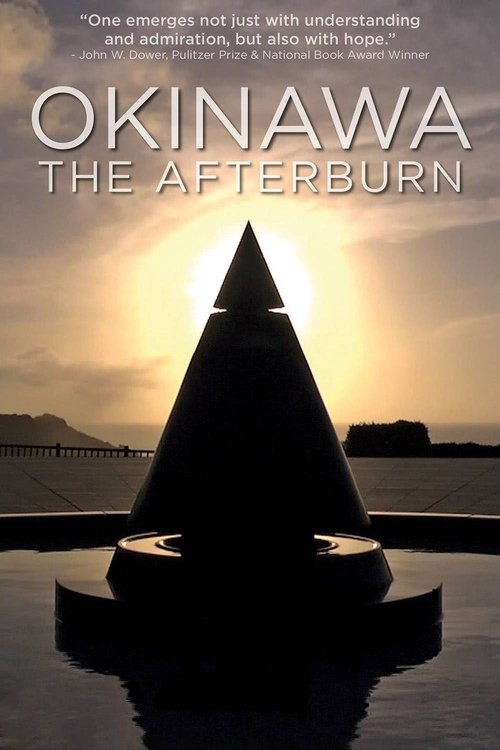
On April 1, 1945, the United States military launched its invasion of the main island of Okinawa, the start of a battle that was to last 12 weeks and claim the lives of some 240,000 people. This film depicts the Battle through the eyes of Japanese and American soldiers who fought each other on the same battlefield, along with Okinawa civilians who were swept up in the fighting. The film also depicts the history of discrimination and oppression forced upon Okinawa by the American and Japanese governments. Carrying up to the current controversy over the construction of a new base at Henoko, the film explores the root causes of the widespread disillusionment and anger expressed by many Okinawans. This ambitious documentary was directed by the American John Junkerman, long-term resident of Japan and Oscar-nominated documentary filmmaker. Okinawa: The Afterburn is a heartfelt plea for peace and an expression of deep respect for the unyielding spirit of the Okinawa people.
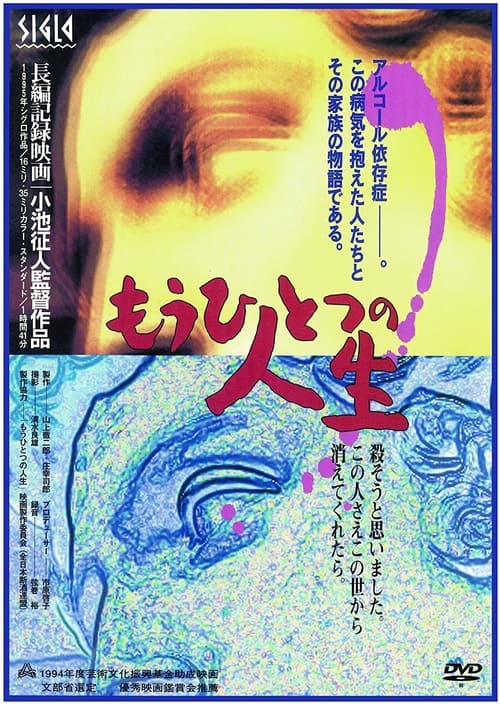
Centers on a support group for alcoholics and their families