Acting
Richard Kimble is falsely convicted of his wife's murder and given the death penalty. En route to death row, Kimble's train derails and crashes, allowing him to escape and begin a cross-country search for the real killer, a "one-armed man". At the same time, Dr. Kimble is hounded by the authorities, most notably dogged by Police Lieutenant Philip Gerard.
Lassie is the pet of Jeff Miller, an 11-year-old farm boy. The two become best friends and enjoy family adventures in the American countryside, teaching each other about love, nature and commitment.
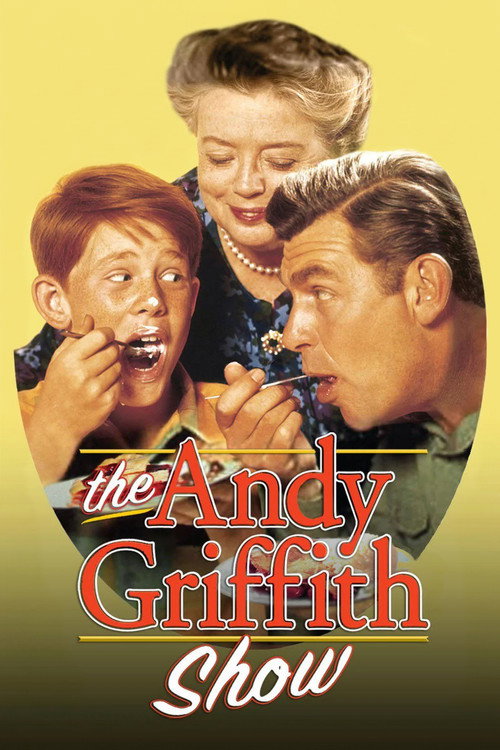
Andy Taylor is the widowed sheriff of the fictional small community of Mayberry, North Carolina. His life is complicated by an inept, but well-meaning deputy, Barney Fife, a spinster aunt and housekeeper, Aunt Bee, and a precocious young son, Opie. Local ne'er-do-wells, bumbling pals, and temperamental girlfriends further complicate his life.
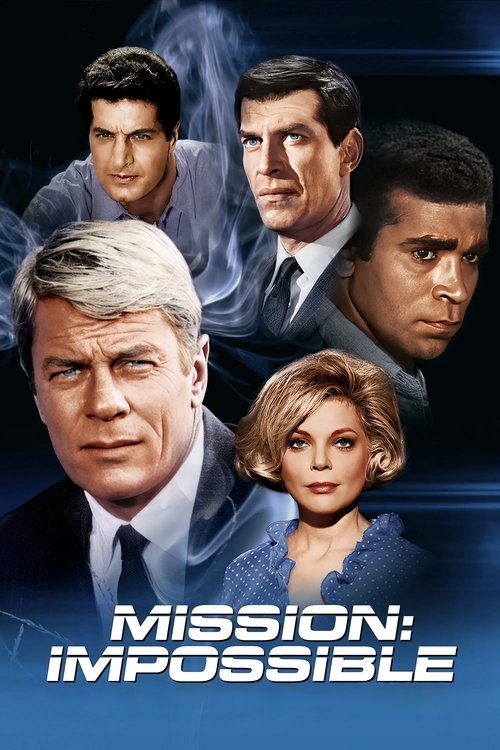
Mission: Impossible is an American television series that was created and initially produced by Bruce Geller. It chronicles the missions of a team of secret government agents known as the Impossible Missions Force. In the first season, the team is led by Dan Briggs, played by Steven Hill; Jim Phelps, played by Peter Graves, takes charge for the remaining seasons. A hallmark of the series shows Briggs or Phelps receiving his instructions on a recording that then self-destructs, followed by the theme music composed by Lalo Schifrin. The series aired on the CBS network from September 1966 to March 1973, then returned to television for two seasons on ABC, from 1988 to 1990, retaining only Graves in the cast. It later inspired a popular series of theatrical motion pictures starring Tom Cruise, beginning in 1996.
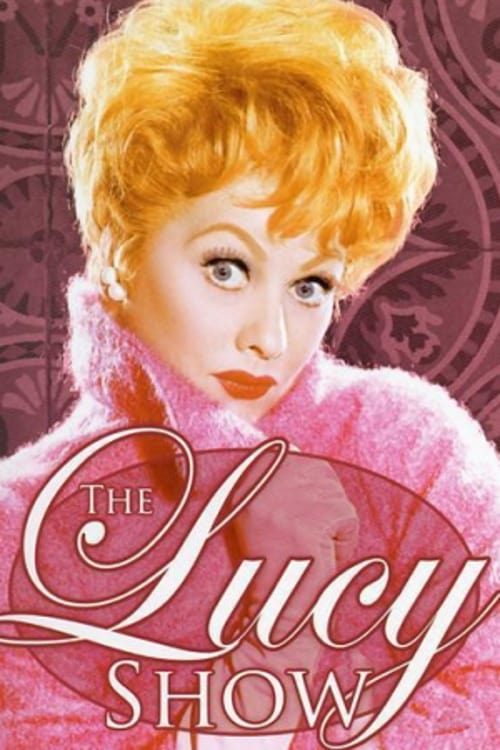
The Lucy Show is an American sitcom that aired on CBS from 1962–68. It was Lucille Ball's follow-up to I Love Lucy. A significant change in cast and premise for the 1965–66 season divides the program into two distinct eras; aside from Ball, only Gale Gordon, who joined the program for its second season, remained. For the first three seasons, Vivian Vance was the co-star. The earliest scripts were entitled The Lucille Ball Show, but when this title was declined, producers thought of calling the show This Is Lucy or The New Adventures of Lucy, before deciding on the title The Lucy Show. Ball won consecutive Emmy Awards as Outstanding Lead Actress in a Comedy Series for the series' final two seasons, 1966–67 and 1967–68.
No description available.
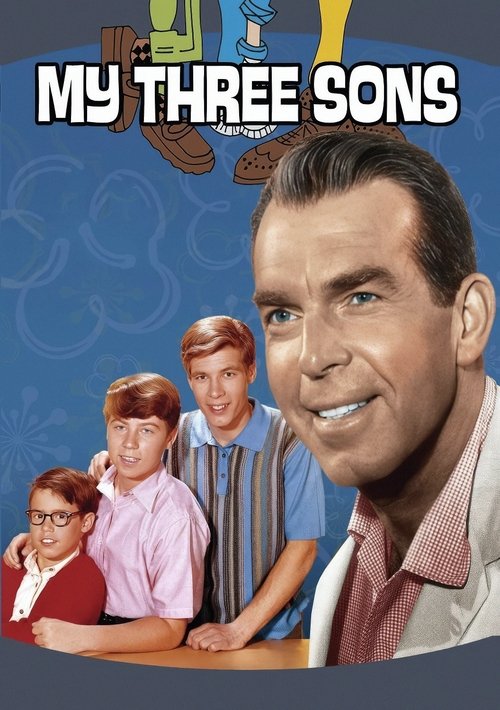
A widower and aeronautical engineer named Steven Douglas raises three sons with the help of his father-in-law, and later the boys' great-uncle. An adopted son, a stepdaughter, wives, and another generation of sons join the loving family in later seasons.
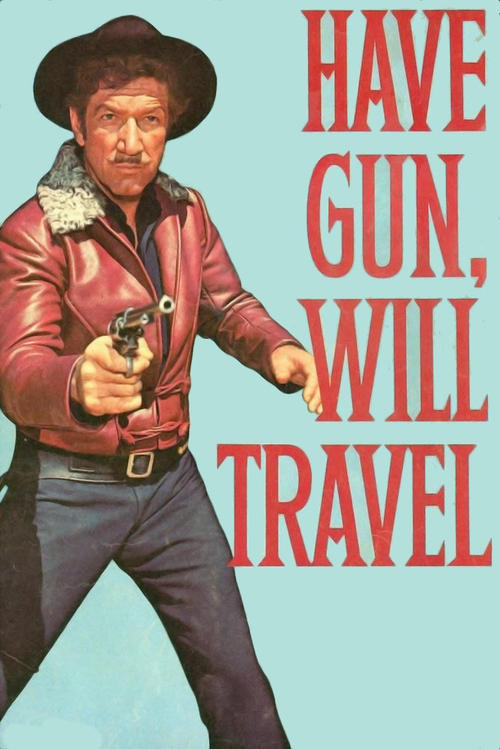
Have Gun – Will Travel is an American Western television series that aired on CBS from 1957 through 1963. It was rated number three or number four in the Nielsen ratings every year of its first four seasons. It was one of the few television shows to spawn a successful radio version. The radio series debuted November 23, 1958. The television show is presently shown on the Encore-Western channel. Have Gun – Will Travel was created by Sam Rolfe and Herb Meadow and produced by Frank Pierson, Don Ingalls, Robert Sparks, and Julian Claman. There were 225 episodes of the TV series, 24 written by Gene Roddenberry. Other contributors included Bruce Geller, Harry Julian Fink, Don Brinkley and Irving Wallace. Andrew McLaglen directed 101 episodes and 19 were directed by series star Richard Boone.
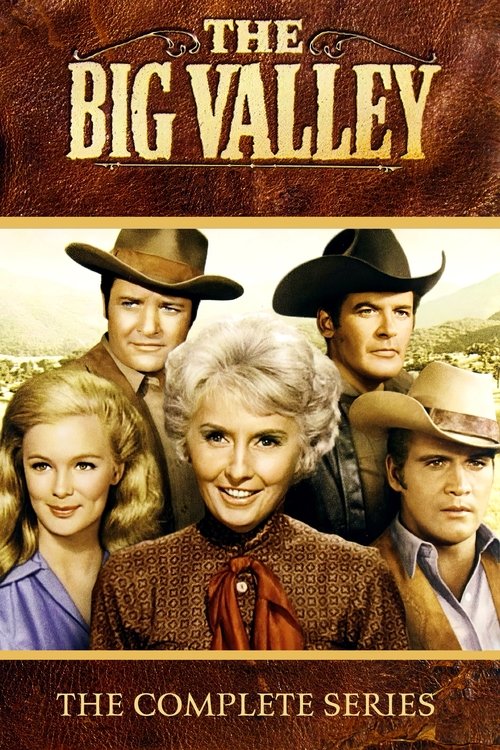
The Big Valley is an American western television series which ran on ABC from September 15, 1965, to May 19, 1969. The show stars Barbara Stanwyck, as the widow of a wealthy nineteenth century California rancher. It was created by A.I. Bezzerides and Louis F. Edelman, and produced by Levy-Gardner-Laven for Four Star Television.
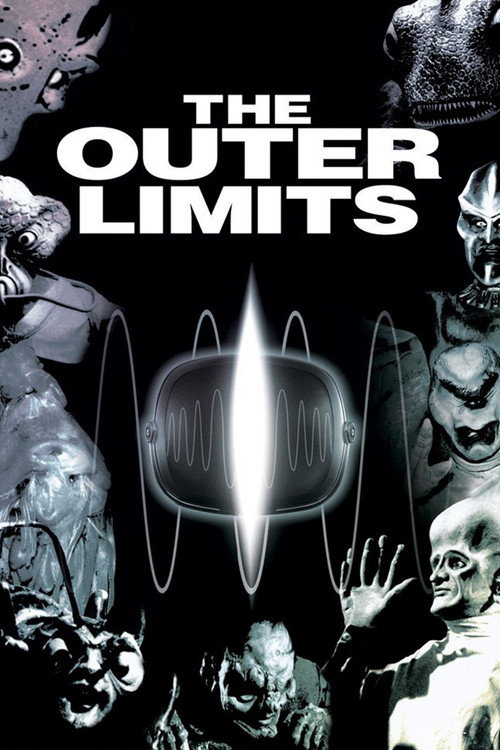
The Outer Limits is an anthology tv series of self-contained sci-fi-horror stories, sometimes with a plot twist at the end.
Wilbur Post and his wife Carol move into a beautiful new home. When Wilbur takes a look in his new barn, he finds that the former owner left his horse behind. This horse is no ordinary horse . . . he can talk, but only to Wilbur, which leads to all sorts of misadventures for Wilbur and his trouble-making sidekick Mister Ed.
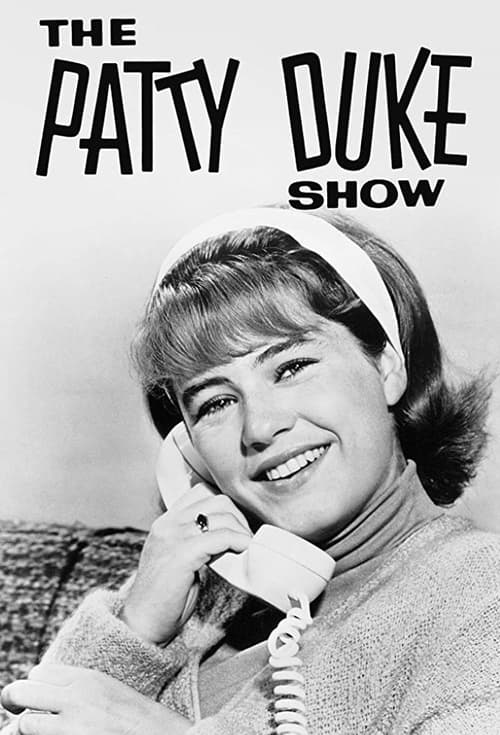
The Patty Duke Show is an American sitcom which ran on ABC from September 18, 1963 to April 27, 1966, with reruns airing through August 31, 1966. The show was created as a vehicle for rising star Patty Duke. A total of 104 episodes were produced, most written by Sidney Sheldon.
The Great Adventure is a historical anthology series that appeared on CBS for the 1963-1964 television season. The series, narrated each week by Van Heflin, and featuring theme music by Richard Rodgers, presented a weekly one-hour dramatization of the lives of famous Americans and important historical events in American History.
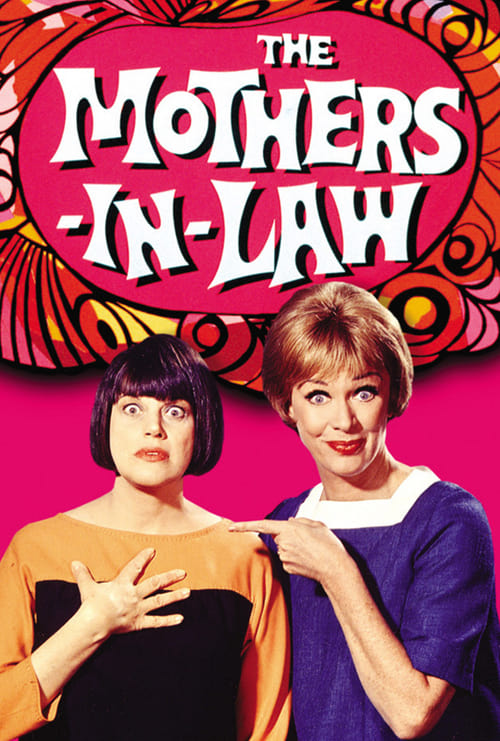
The Mothers-in-Law is an American sitcom starring Eve Arden and Kaye Ballard as two matriarchs who were friends and next-door neighbors whose children's elopement rendered them in-laws. The show aired on NBC from September 1967 to April 1969. Produced by Desi Arnaz, the series was created by Bob Carroll, Jr., and Madelyn Davis.
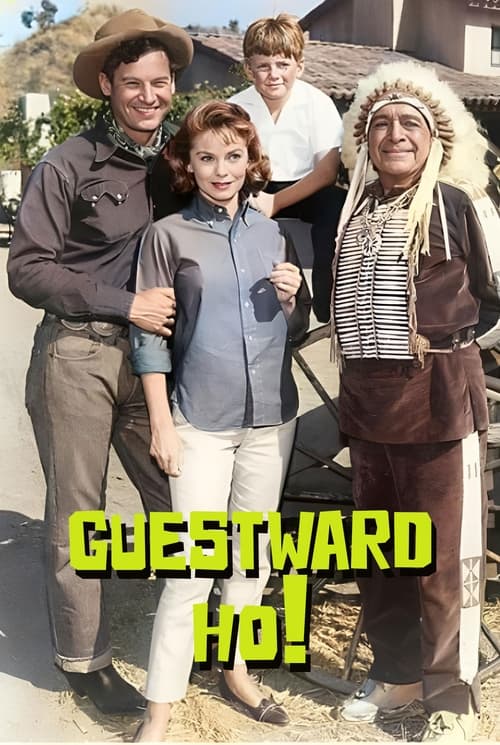
Guestward, Ho! is an American situation comedy which aired on the ABC network in the 1960-1961 television season, based on the 1956 book of the same title by Patrick Dennis, author of Auntie Mame.
Fair Exchange is an American television comedy that ran from 1962 to 1963 on CBS. It stars Eddie Foy, Jr. and Audrey Christie.
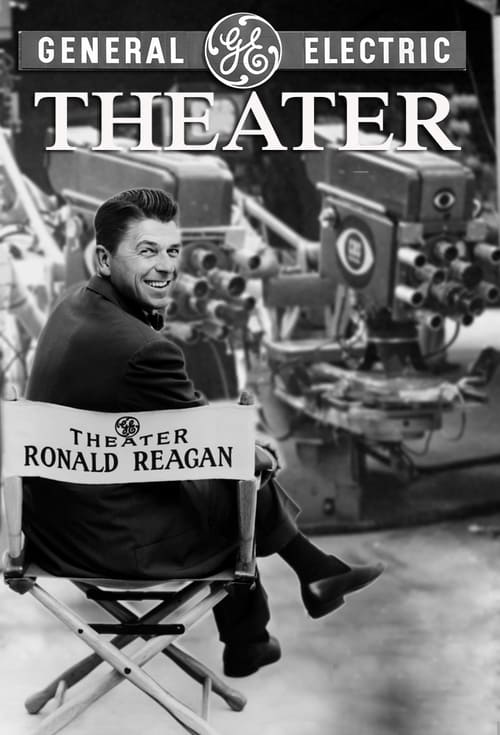
General Electric Theater is an American anthology series hosted by Ronald Reagan that was broadcast on CBS radio and television. The series was sponsored by General Electric's Department of Public Relations.
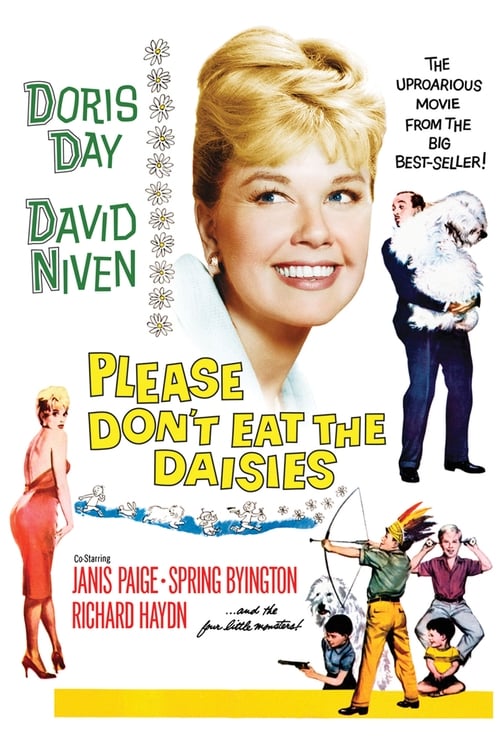
Drama critic Larry Mackay, his wife Kate and their four sons move from their crowded Manhattan apartment to an old house in the country. While housewife Kate settles into suburban life, Larry continues to enjoy the theater and party scene of New York.
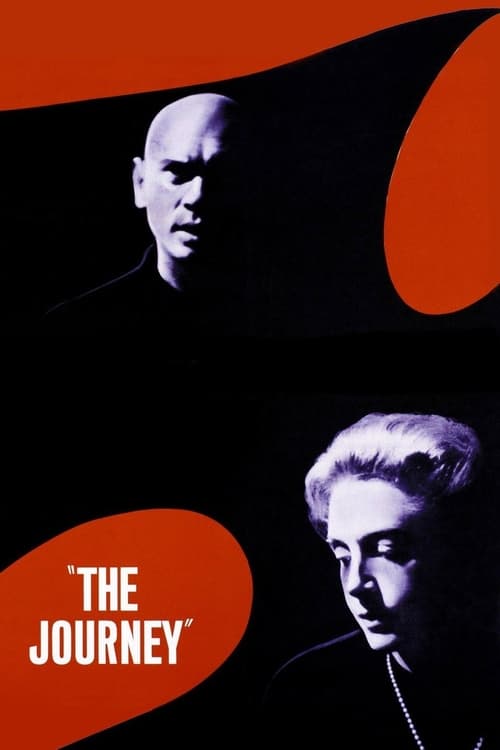
A Communist officer falls hard for a married woman trying to escape from Hungary.
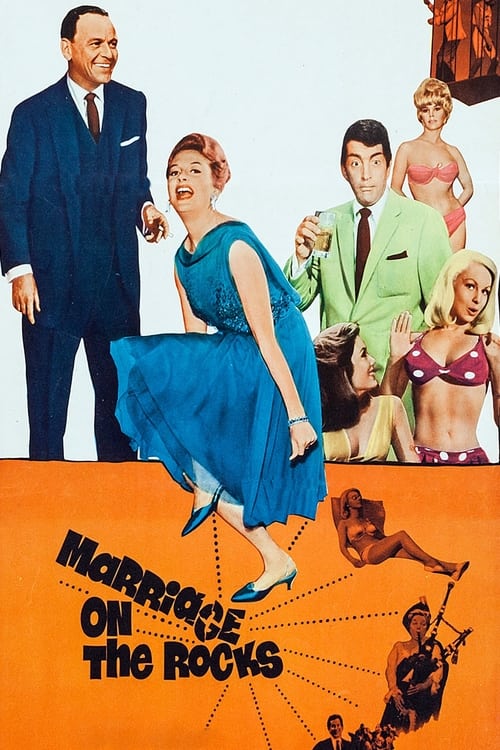
Ad-agency president Dan Edwards goes to Mexico to celebrate his nineteenth wedding anniversary and winds up getting divorced by mistake, whereupon his wife Valerie marries his best friend Ernie Brewer by mistake.