Öyvind Fahlström
Directing
Known For
How and why people refused military service in Sweden at the end of the 1960s. This is the reasoning of the Minister of Defense and the friends of non-violence and pacifists.
No
A street theatre group performs anti-capitalist and anti-militarist plays. The inner conflicts, about how to reach and how tight they shall embrace the working class, escalates and the group split up.
Du gamla, du fria

Seven people march down New York’s Fifth Avenue carrying placards showing six photos of American comic Bob Hope and one of Mao Tse Tung.
Mao-Hope March
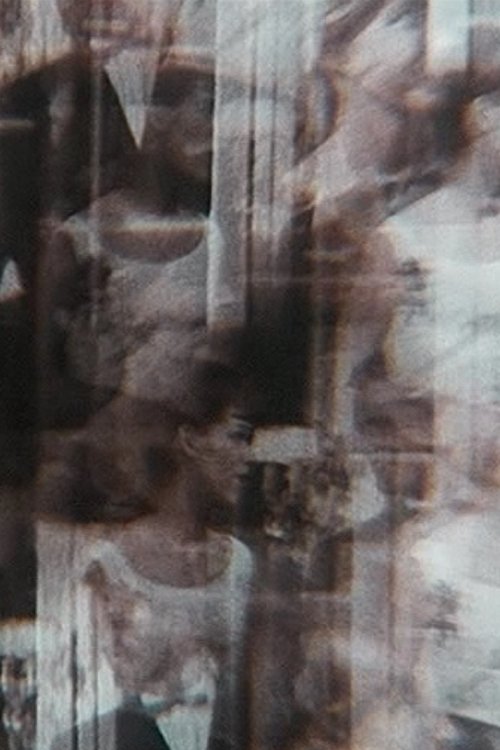
"U-barn was based on a few simple things: combining some forms of societal imprinting through education and advertisement, some educational situations and an old commercial. And then genetic imprinting, i.e., handicaps of some kind, and show how children behave in a class situation in that case. But some facts about LSD are included and some voices that happen to be me and another person talking about the effects of it and they are combined with images of that kind, from therapeutic experiments at a mental hospital. For a long time it remains on a kind of immobile, introverted plane with different levels of consciousness, and then there is the breakout, that is the outwardly activating insight, the story of the crown prince and the draft." (Fahlström)
U-barn
Uncompleted portrait of an artist. Fragmentary images from Öyvind Fahlström's studio, with paintings, collages and Fahlström's friendship gathered around a table.