Acting
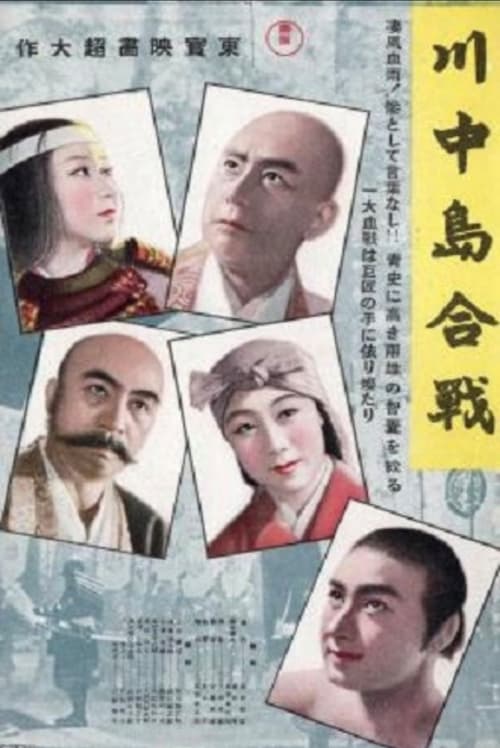
This epic depicts the battle between Uesugi Kenshin and Takeda Shingen. The focus of the story is the struggle by the unit leader in charge of the main supply wagons and the supply troops to transport materiel to the Uesugi army. To this are added episodes involving an itinerant woman.
No description available.
Set in Qingdao, China, a Japanese company locates an office there and begins work and cooperation with a local Chinese company for business. Many Japanese engineers also move to China, with their families, for the company in order to construct a canal. There are young Chinese resisting the Japanese in this area.
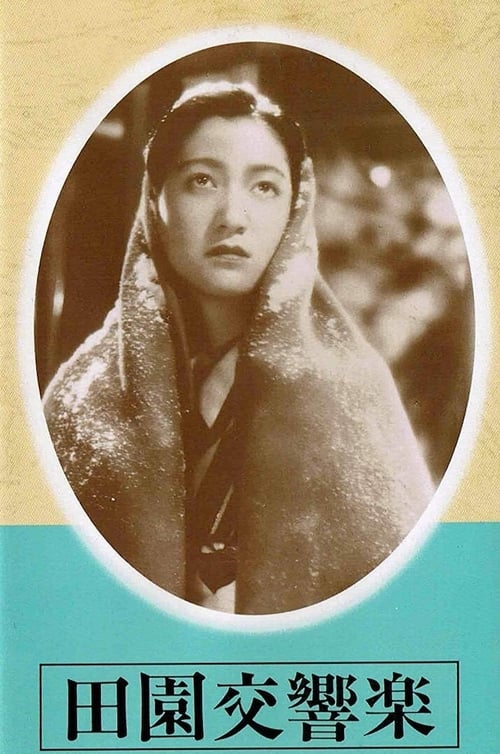
A priest in Hokkaido adopts a blind orphan girl, and as she grows up he finds himself falling in love with her.
Japanese film based on the life of writer Ichiyo Higuchi (1872-1896).
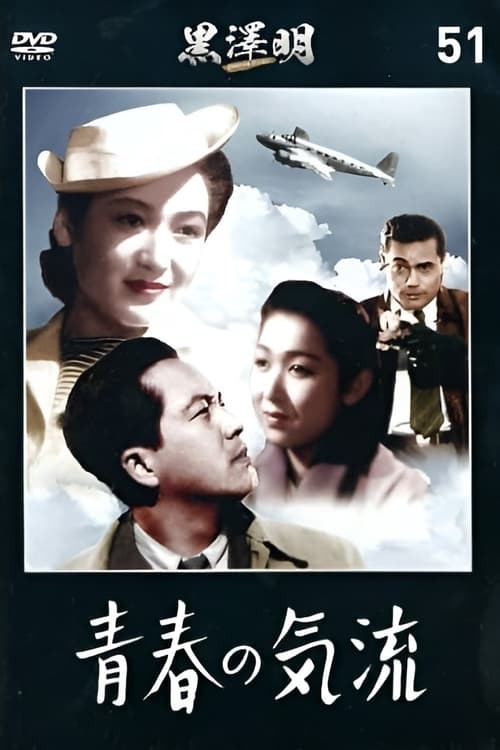
It was supposed to be about a love story, but it was and was not. An aircraft mechanic working for the government is matched by his boss with the latter man's daughter (Setsuko Hara) who is both beautiful and aggressive. Yet, he picks a woman who is less assertive as his bride.
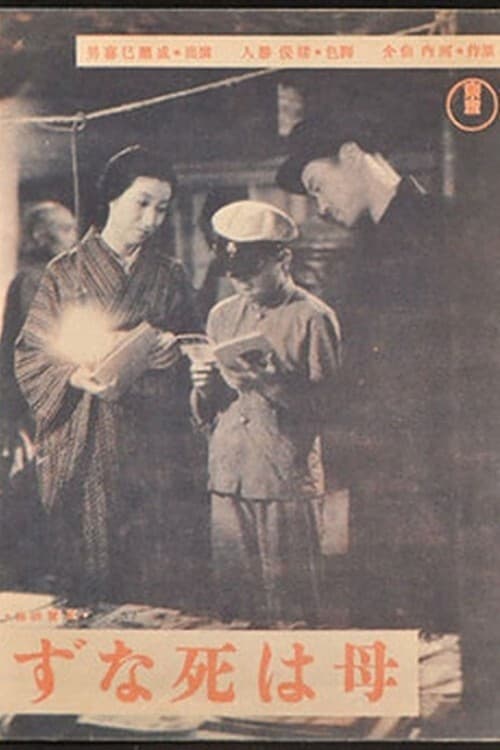
The premature death of a young mother serves as inspiration for her husband and son.
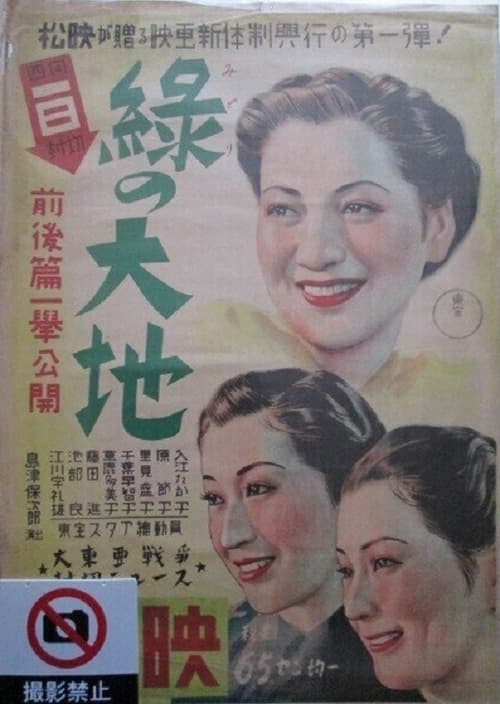
Part two of two.
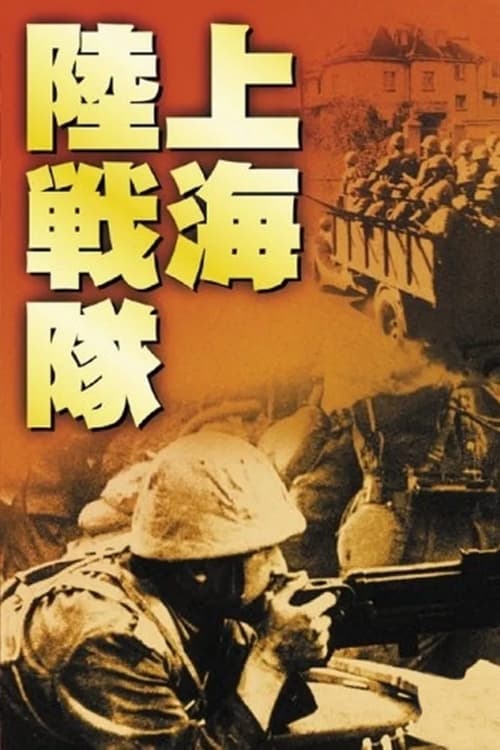
This film attempts to reconstruct the tension of the Battle of Shanghai through an episode in an understated way, introducting its story in a documentary mode. In the film story, Japan's marine regiment protects Japanese residents and Chinese refugees-women and young children-from rampant street fighting, Shanhai Rikusentai unsparingly uses its first eight minutes for an official-mannered self-justification of the war. From the viewpoint of explaining Japan's military operation,the narration refers to the city s spatial division in sync with maps on screen.
Japanese propaganda film
A biographical film chronicling the life of composer Setoguchi Tōkichi (1868-1941) from his early days as a clarinetist in the Imperial Japanese Navy band to his later years when his music, in particular the famed “Warship March” (Gunkan kōshinkyoku), surged in popularity.
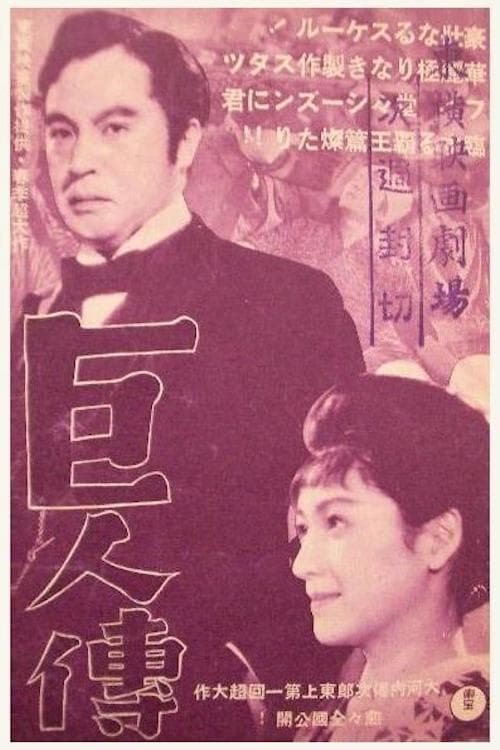
Japanese adaptation of LES MISERABLES. The last film of director Itami took inspiration from Les Miserables. Transpiring during the Southwestern War of 1877 in Japan, which was the last civil war in the country, a criminal escapes prison only to be found by a monk. The criminal decides to turn a new leaf based on their conversation and goes on to become a town's mayor. He hears news of a mistaken arrest and identity. The revelation of truth is the start of a series of miseries.
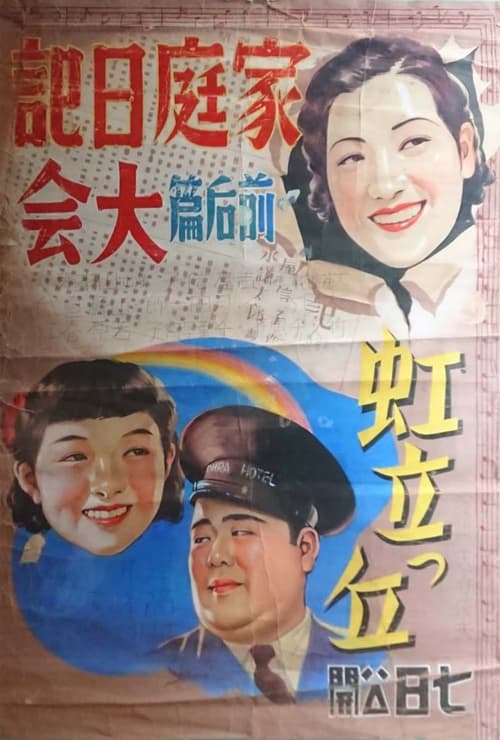
A half brother and sister work at a hotel in Hakone respectively as a porter and a souvenir shop clerk. They are close. One day a woman named Hasegawa checks into the hotel in order to recuperate in a calm environment with fresh air. She is the mother of the store employee. The mother and daughter were separated due to the Kanto earthquake. The girl was practically raised by her older half brother.
Part one of two.