Zenichiro Kito
Acting
Known For
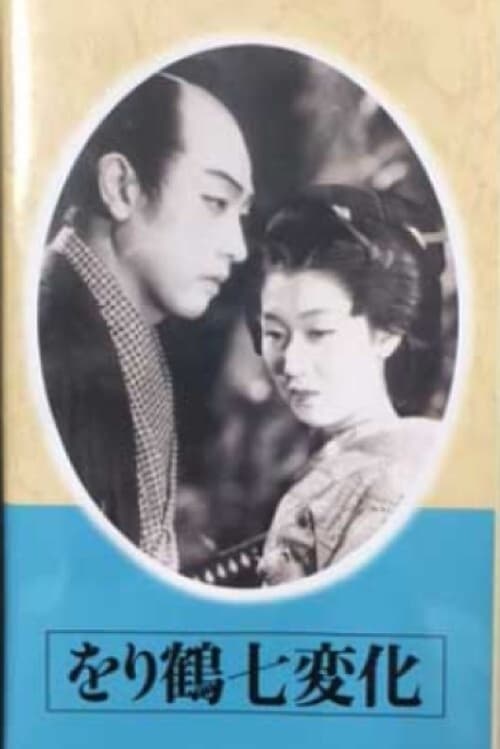
The story is based on the serial novel by Tsunoda Kikuo.
The Seven Changes of a Paper Crane (Part 1)
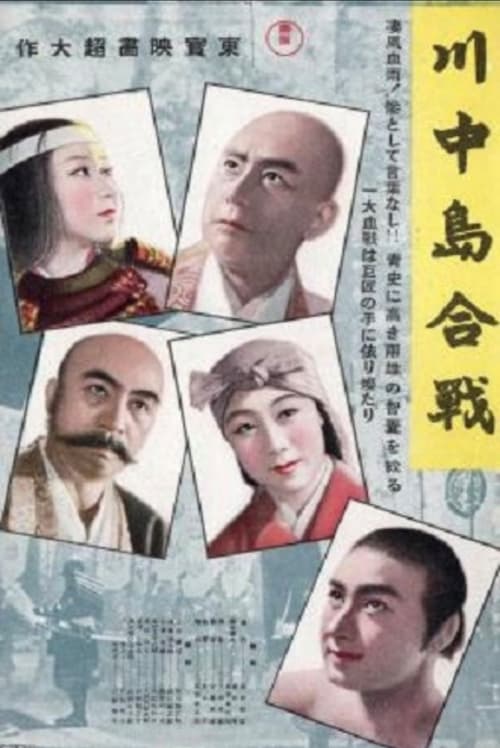
This epic depicts the battle between Uesugi Kenshin and Takeda Shingen. The focus of the story is the struggle by the unit leader in charge of the main supply wagons and the supply troops to transport materiel to the Uesugi army. To this are added episodes involving an itinerant woman.
The Battle of Kawanakajima
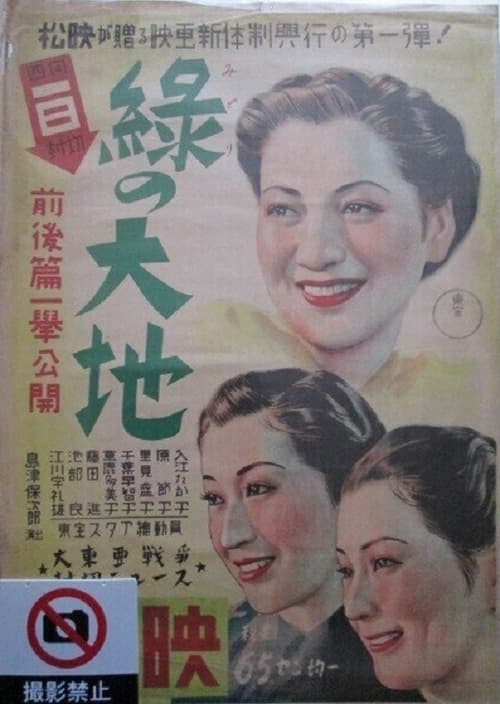
Set in Qingdao, China, a Japanese company locates an office there and begins work and cooperation with a local Chinese company for business. Many Japanese engineers also move to China, with their families, for the company in order to construct a canal. There are young Chinese resisting the Japanese in this area.
Green Earth
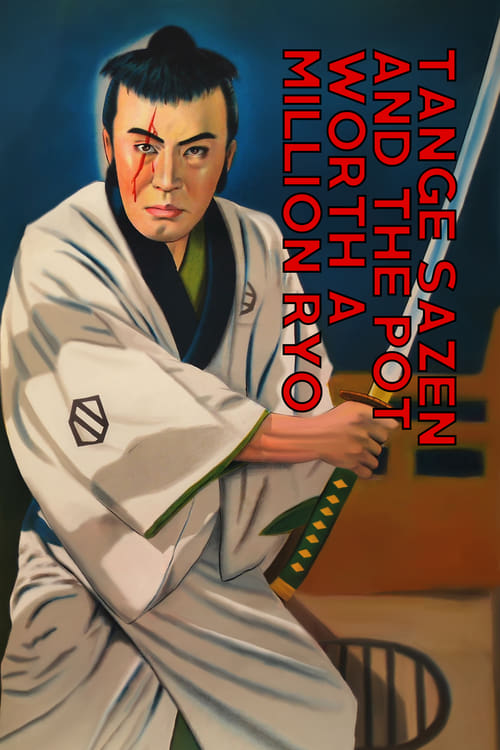
A man gets rid of a cheap pot without knowing it contains a map to a treasure. As word spreads, many join in hunting it.
Tange Sazen and the Pot Worth a Million Ryo
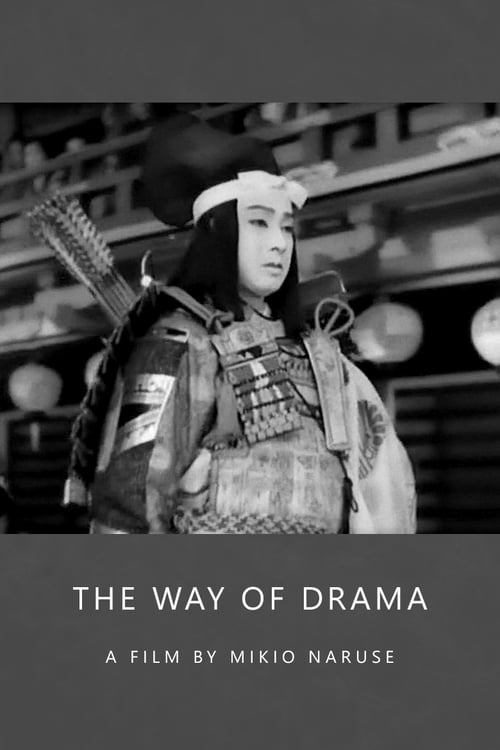
The Way of Drama unfolds in the world of kabuki in Osaka, but also addresses the politics of popular culture and the rivalry between theatrical styles like those used by amateur actors to dramatise contemporary events.
The Way of Drama
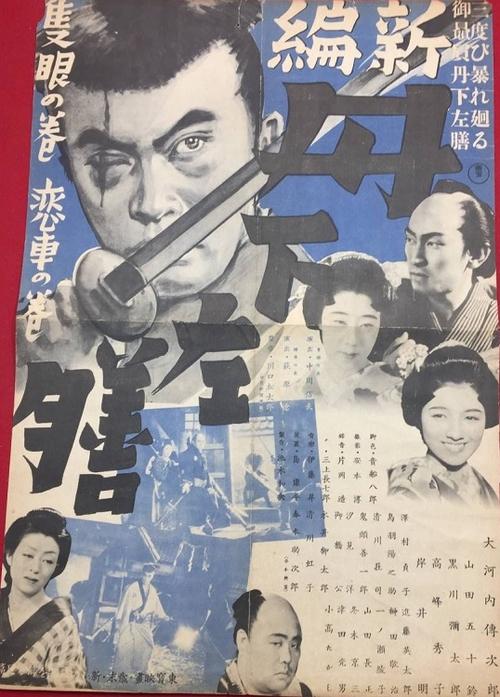
Another adaptation of Tange Sazen.
Shinpen Tange Sazen: Sekigan no maki
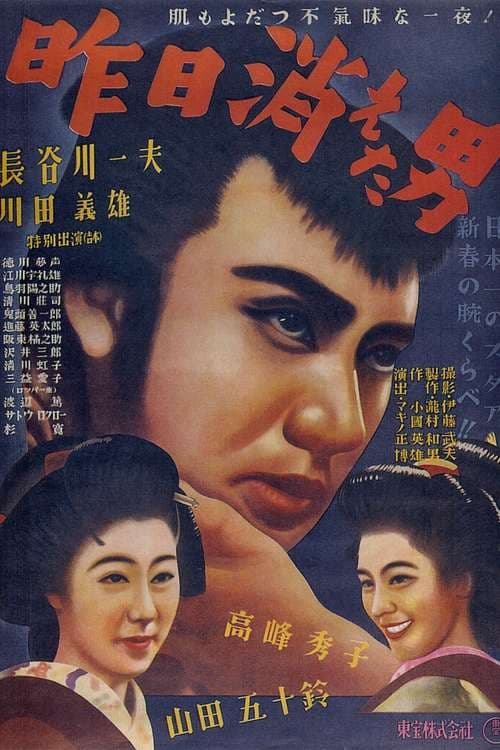
No description available.
The Man Who Disappeared Yesterday
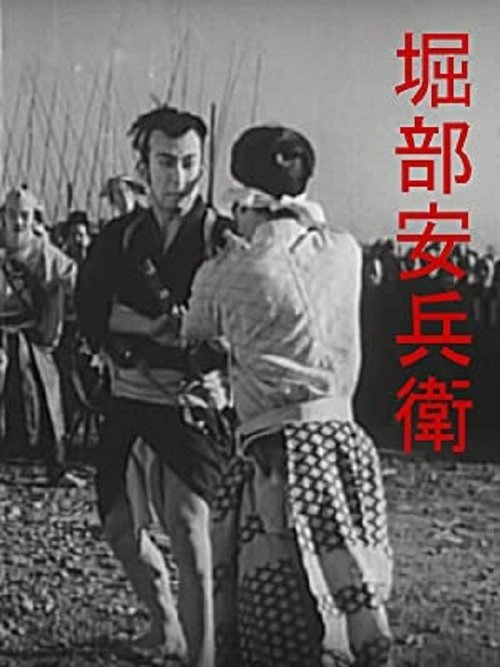
Pre-war jidaigeki film from 1936, produced by Uzumasa Hassei Eiga studios
Yasubei Horibe
The sequel to the 1935 film Great Bodhisattva Pass
Great Bodhisattva Pass 2
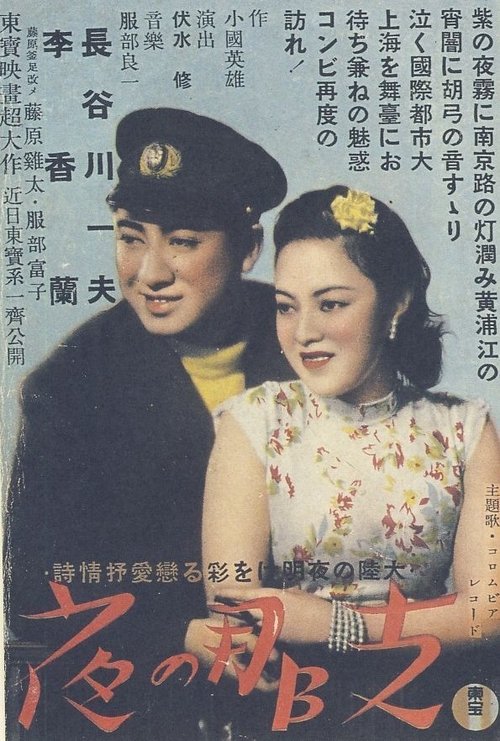
Wartime propaganda filmed by the Japanese in occupied China, Shirley Yamaguchi portrays an orphan rescued from the streets by a kindly Japanese merchant marine officer. Part spy thriller and part Shanghai travelogue, it was part of a popular series known as "Chinese Continental Friendship" made by the occupying Japanese in China.
China Night
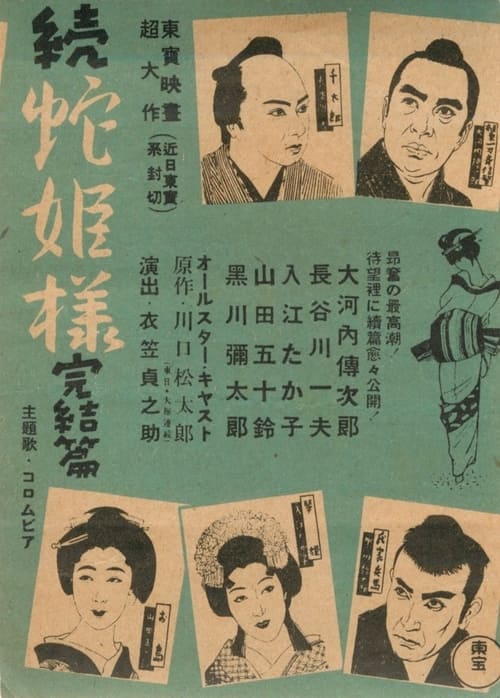
No description available.
Zoku Hebihimesama
Jidaigeki from 1940
Flowers Blooming In the Storm
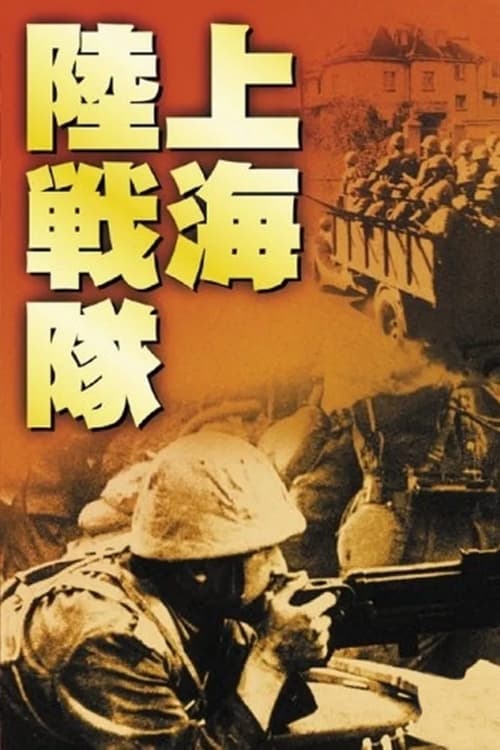
This film attempts to reconstruct the tension of the Battle of Shanghai through an episode in an understated way, introducting its story in a documentary mode. In the film story, Japan's marine regiment protects Japanese residents and Chinese refugees-women and young children-from rampant street fighting, Shanhai Rikusentai unsparingly uses its first eight minutes for an official-mannered self-justification of the war. From the viewpoint of explaining Japan's military operation,the narration refers to the city s spatial division in sync with maps on screen.
Shanghai Landing Party
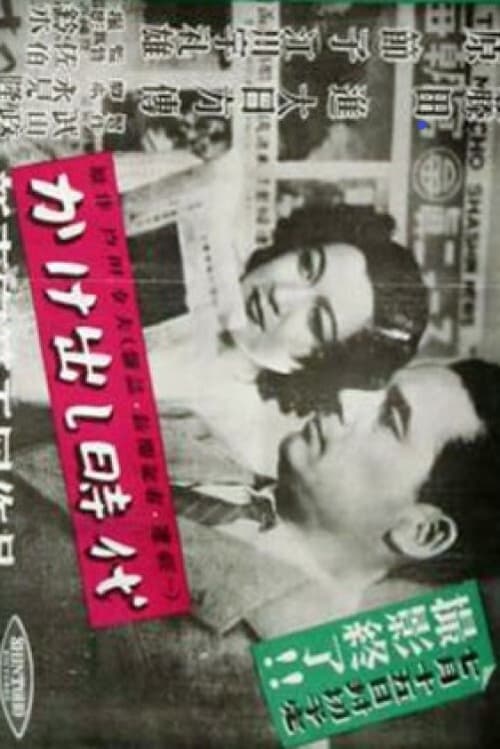
A newly hired daily newspaper writer covering the society beat receives an assignment to cover Tokyo at night by walking and observing it. He gets into the right frame of mind by dressing the part as a vagrant with not a penny to his name. He gets into trouble ending up at the police station slammer overnight. He has no material to write about and, with his assignment unfulfilled, faces a cross editor.
The Age of Beginnings
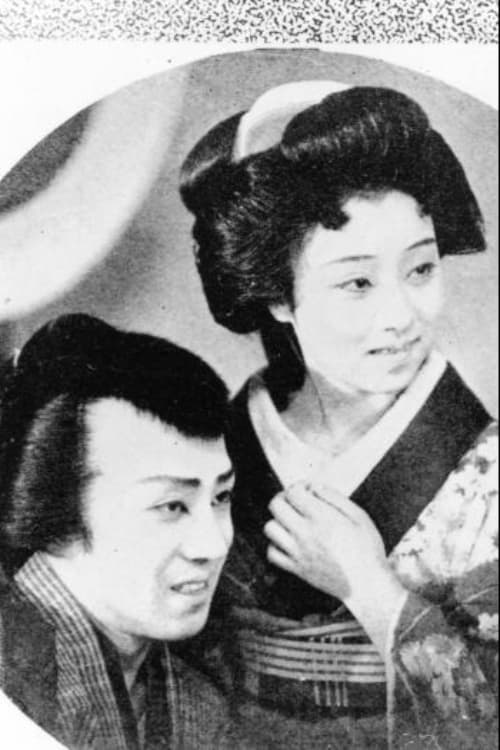
Kinshiro takes over the family, but he thinks he is going to replace the son of his stepmother but runs into trouble when he befriends the yakuza.
Edo Spring
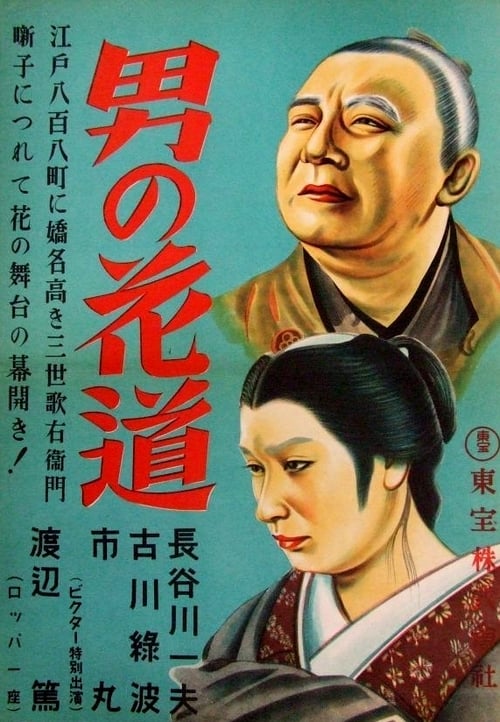
No description available.
A Man's Flower Road of Triumph
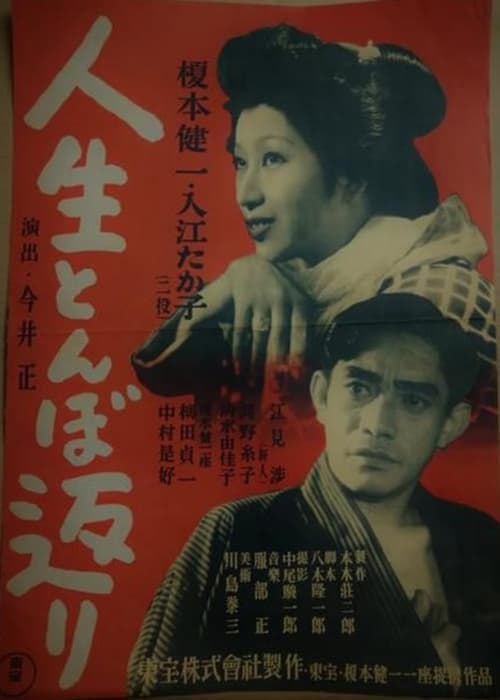
After learning that he has accidentally killed a man in a fight, Unokichi must look after the man's pregnant widow.
Life Is like a Somersault
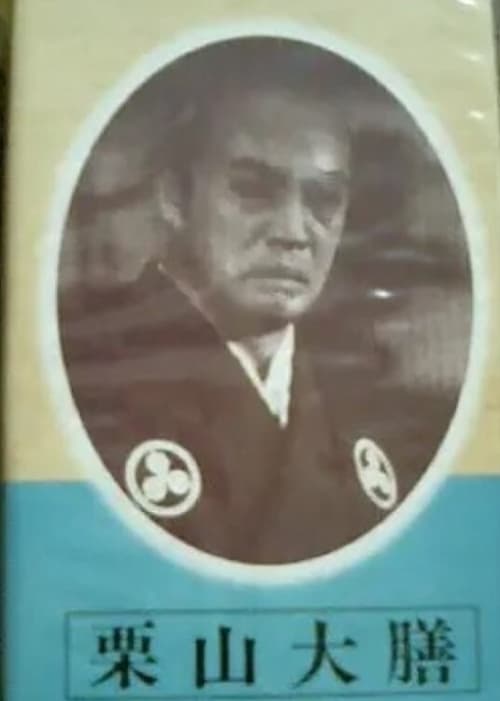
Prewar jidaigeki starring Denjiro Okochi
Kuriyama Daizen
Japanese film.
Nangoku taiheiki
The story is based on the serial novel by Tsunoda Kikuo.