Writing
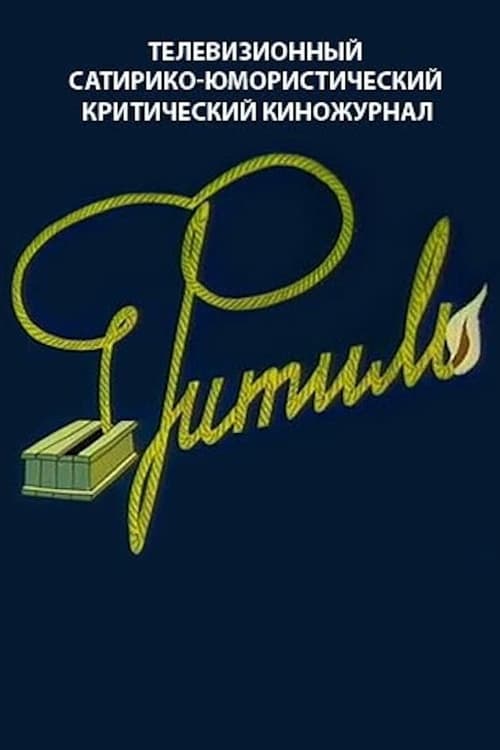
Fitil is a popular Soviet/Russian television satirical/comedy short film series which ran for about 500 episodes. Some of the episodes were aimed at children, and were called Фитилёк, Fitilyok, Little Fuse. Each issue contained from the few short segments: documentary, fictional and animated ones. Directed by various artists, including Leonid Gaidai who presented his famous trio of Nikulin, Vitsin and Morgunov into the cast. It was called in USSR as "the anecdotes from the Soviet government".
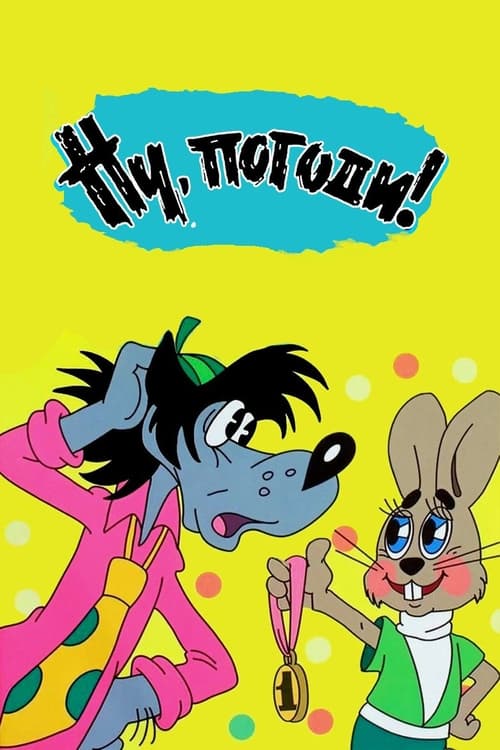
Follows the comical adventures of a mischievous yet artistic wolf [Volk], trying to catch a hare [Zayats]. The series has additional characters that usually either help the hare or interfere with the wolf's plans
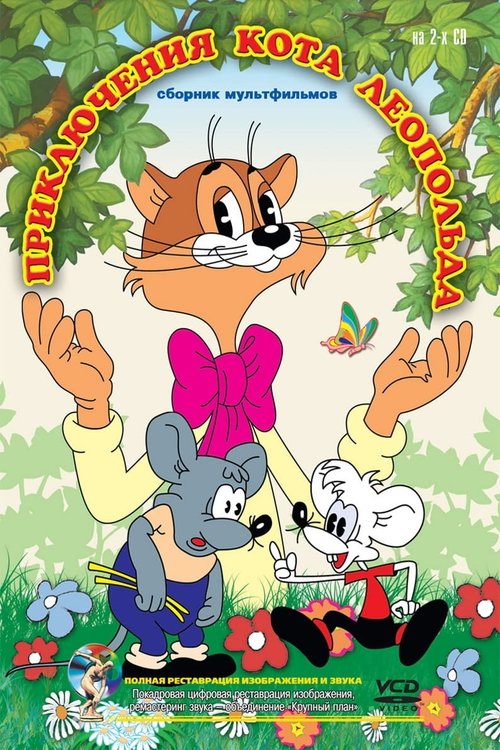
Leopold the Cat is a Soviet/Russian animation series about the pacifistic, and intelligent cat, Leopold. Leopold always wears a bow tie even when swimming. He is always confronted by two mischievous mice, Grey and White. It was filmed by T/O Ekran in 1975 - 1987 and its runtime is 87 min. As of 1987, there were 11 episodes in total. Eventually, in 1995, most of the episodes were released on DVD. It was directed by Anatoly Reznikov, and the screenplay was written by Arkady Hayt. Boris Savelyev wrote the score. The cinematography was by Ernst Gaman, Igor Shkamarda, and Vladimir Milovanov. Nelli Kudrina did the sound. His catchphrase is - "Let's live in friendship, guys". The catchphrases of the mice are "Come out, Leopold!" by one and "Come out, you foul coward!" by the second.
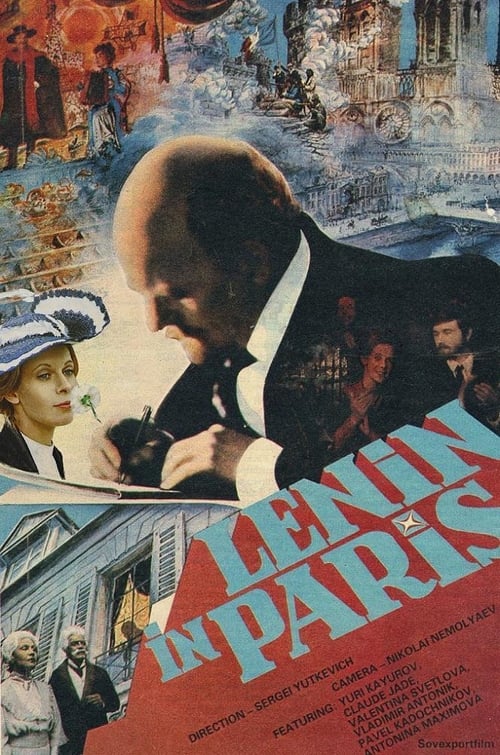
1911. Lenin organizes the first Bolshevik party school near Paris, in the small town of Longjumeau. Through a chain of historical parallels and associations, this time is intertwined with the events of the Paris Commune, the October Revolution and the political struggles of the post-revolutionary years.
No description available.
About how music brought the little animals together.
After suffering a sunstroke Volk finds himfself in a world of fairytales.
Volk goes to a circus only to find Zayats there. The nature of subsequent events can be easily predicted.
Zayats goes to a museum where Volk already waits for him, but not to learn history together.
At a concert that Zayats is hosting Volk tries to catch him yet again.
Pursuing Zayats Volk discovers Soviet showbiz.
Leopold the Cat caught a golden fish while fishing. She is ready to grant him any wish, but he lets her go and asks for nothing in return. Then the mice appear.
After putting on the shoes from the store, the wolf chases the hare, but soon they both lose the shoes on the way. The issue raises the problem of poor quality shoes produced in the Soviet Union at that time.
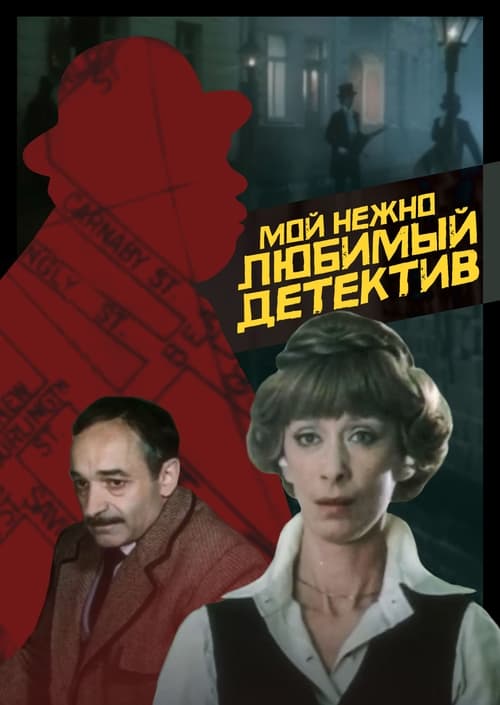
The conceit is that Sherlock Holmes is, as in reality, a fictional creation of Arthur Conan Doyle, but that the place where his office would be is maintained by the brilliant detective Shirley Holmes, who both solves crimes and maintains a museum for people who think Sherlock Holmes is real -- accompanied by a phonograph playing music from the Livanov series which had not long ended. She is accompanied, as might be expected, by a woman Watson, and must fight off the affections of both a Scotland Yard inspector an a parody Latin lover from Spain.
Volk tries to make amends with Zayats but it doesn't go as planned. Some other time he follows Zayats to a science fair, but finds there something he won't be able to handle.
Merab, a Georgian taxi driver who mistakenly crosses into Israel while seeing off his Jewish brother, Yasha, gets stuck without documents. He gets entangled in bureaucratic nightmares, mistaken identity, and KGB plots while trying to return home.
Chasing Zayats on a construction site Volk discovers a new angle in their relationship.
Volk and Zayats participate in the 1980 Olympic Games.
Hare is working at a construction site with a welding machine, from which sparks fly off and hit the Wolf. Wolf notices Hare and starts a chase, but the Hare defends himself with the welding machine. At the end of the issue Wolf crashes into an advertisement for a polytechnic technical school and expresses his desire to learn to operate welding machines there, but it turns out that this technical school accepts only athletes. The episode focuses on the problem that some technical schools and universities at that time, accepted students not based on knowledge, but by athletic merit, so that the institution could show sports results.