
Fyodor Ivanov
Acting
Known For

An adaptation of Robert Louis Stevenson's "Treasure Island" with drastic changes to the plot. A group of English rebels searches for pirate's treasures to buy weapons for the civil war.
Treasure Island

With an international chess tournament in progress, a young man becomes completely obsessed with the game. His fiancée has no interest in it, and becomes frustrated and depressed by his neglect of her, but wherever she goes she finds that she cannot escape chess. On the brink of giving up, she meets the world champion, Capablanca himself, with interesting results.
Chess Fever
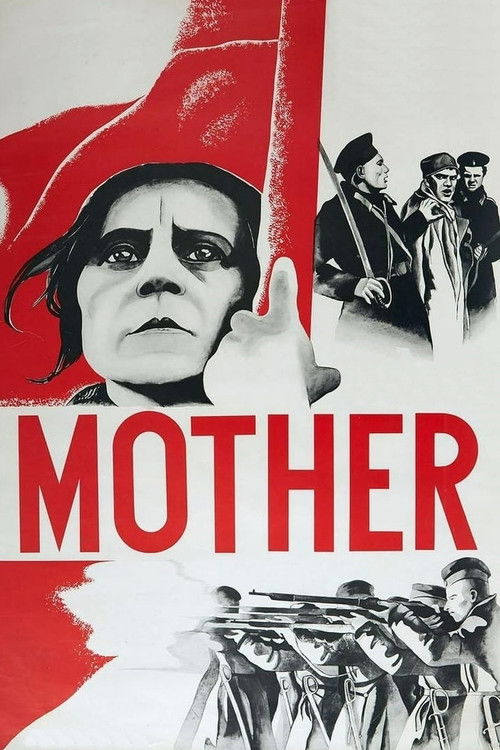
A Soviet woman is caught between her husband and son, who find themselves on opposing sides of the Russian Revolution.
Mother

In 1918 a young and simple Mongol herdsman and trapper is cheated out of a valuable fox fur by a European capitalist fur trader. Ostracized from the trading post, he escapes to the hills after brawling with the trader who cheated him. In 1920 he becomes a Soviet partisan, and helps the partisans fight for the Soviets against the occupying British army. However he is captured by the British when they try to requisition cattle from the herdsmen at the same time as the commandant meets with a reincarnated Grand Lama. After the trapper is shot, the army discovers an amulet that suggests he is a direct descendant of Genghis Khan. They find him still alive, so the army restores his health and plans to use him as the head of a puppet regime. The trapper is thus thrust into prominence as he is placed in charge of the puppet government. By the end, however, the "puppet" turns against his masters in an outburst of fury.
Storm Over Asia
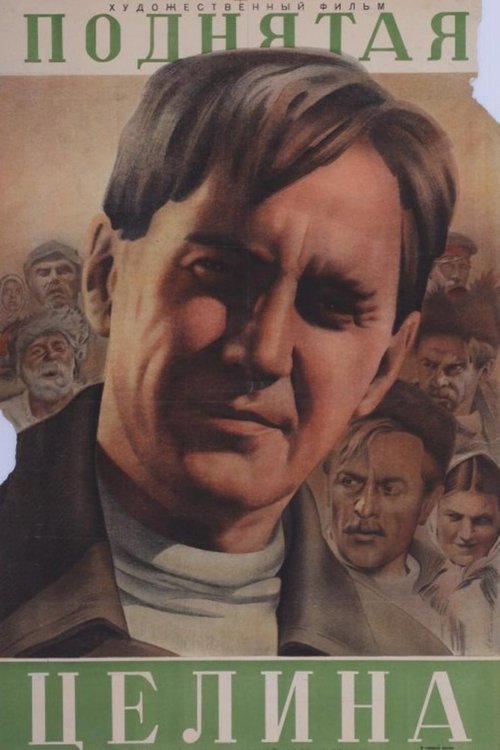
Based on the novel of the same name by Mikhail Sholokhov. About how collectivization was carried out on the Don in sharp contradictions, difficult and tense.
The New Land
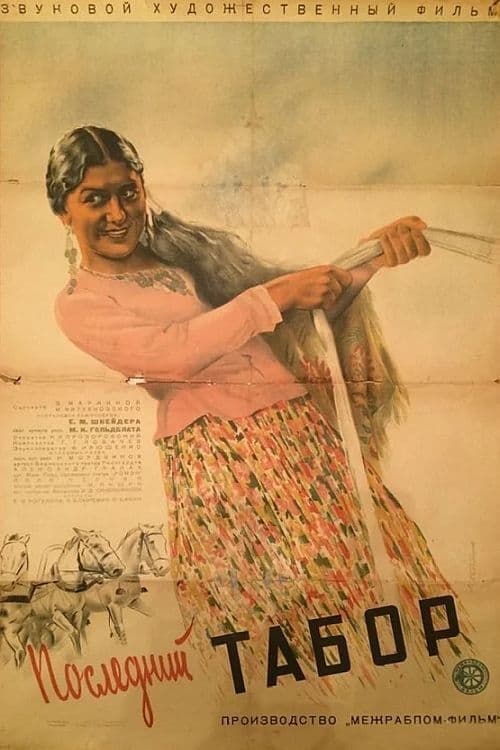
A Soviet agent tries to win over a band of gypsies to a happy life on a farm co-op.
Gypsies
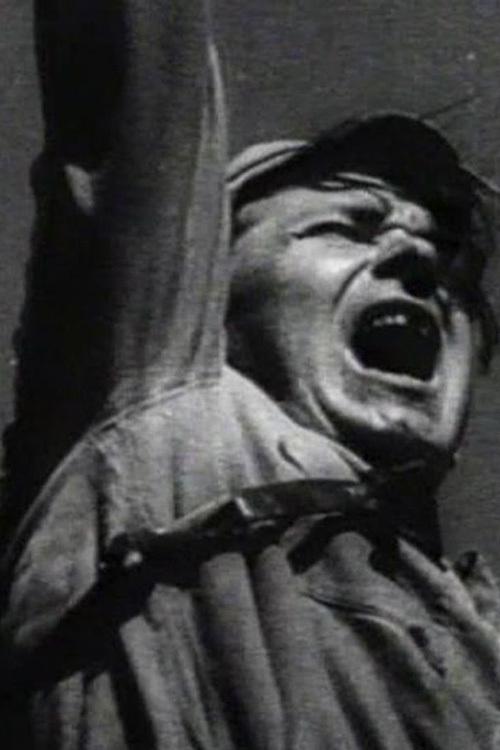
As a response to criticism for the allegedly excessive “mass appeal” of his earlier epic STORM OVER ASIA (1928), Vsevolod Pudovkin unleashed his flair for experimentation in what was supposed to be the director’s first sound feature. Everything went wrong: technical problems forced him to complete the film as a silent; viewers were baffled by the lack of a recognizable plot; then, the ideological climate of the Soviet Union changed. He was now being blamed for catering to bourgeois taste! Time has come to set the record straight. Here’s lyrical cinema at its best, deliberately operatic and yet intimate as it matches the characters’ inner life with the solemn rhythms of nature, and depicted through breathtaking black-and-white photography. A sensation at last year’s Pordenone fest, Pudovkin’s long-forgotten swan song to the art of montage is resurrected by Gabriel Thibaudeau’s emotionally charged live music performance. –PCU (USSR, 1930, 75m)
A Simple Case
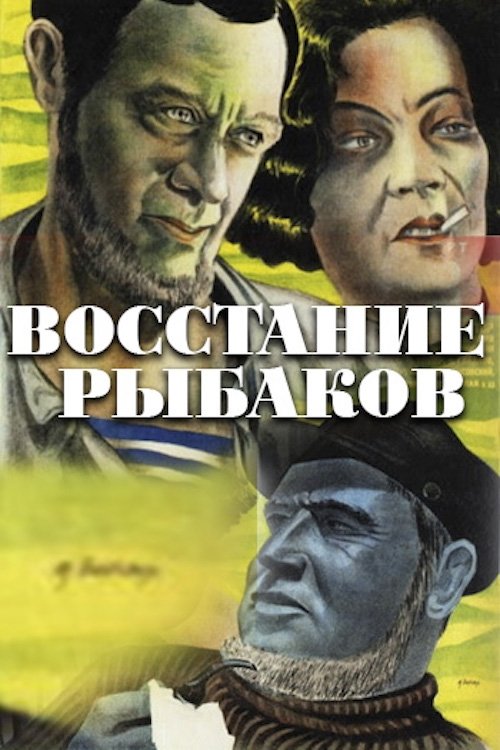
Working fishermen from a small village rise up against the entrepreneurs and the buyers, fighting for higher wages for their hard and difficult work.
The Revolt of the Fishermen

In a capitalist country, workers are heavily repressed but manage to get a "death ray" to fight back. (A part of the movie is lost.)
The Death Ray
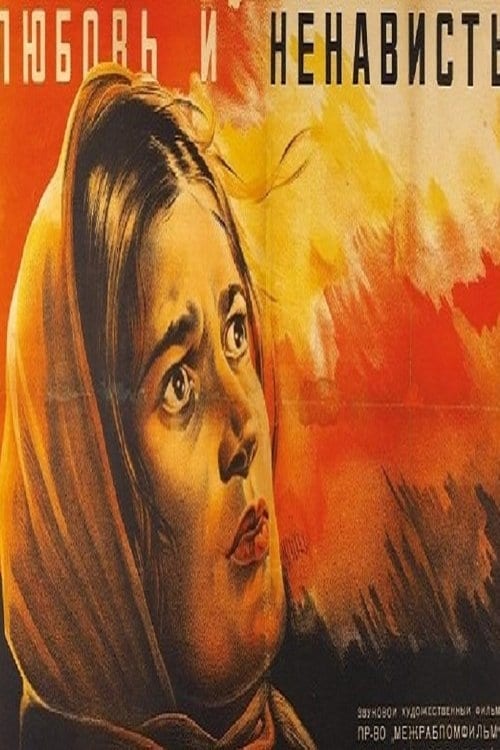
A group of Ukrainian women are forced to work in the mine under the supervision of cruel enemy soldiers. When the soldiers are forced to retreat and decide to blow up the mine, the women organize a guerrilla action to stop them.
Love and Hate
About the fate of a former prisoner of war, who returns to his homeland, to the Soviet Union.
Nastenka Ustinova
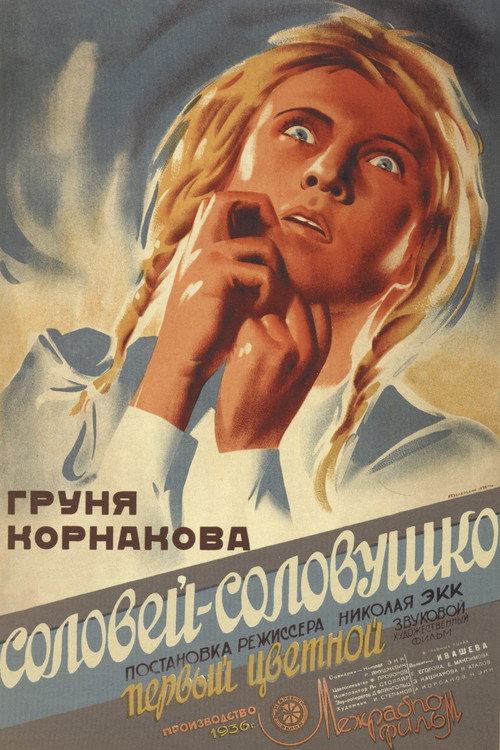
The events in the film take place in pre-revolutionary Russia. A riot of workers of a large porcelain factory is taking place. After the burning of one of the shops, Grunya's father dies in the fire. The owner of the factory caused the fire in order to obtain a fine from the workers. Grunya urgers the workers to fight, but is injured, yet she still urges the people not to give up.
Nightingale
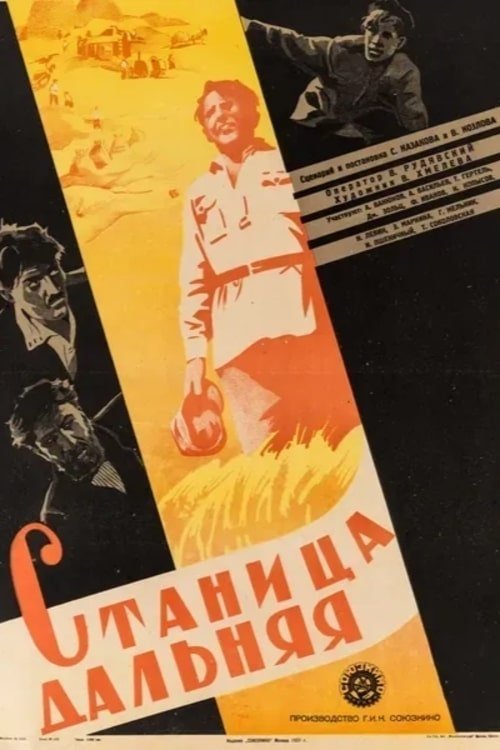
No description available.
Станица Дальняя
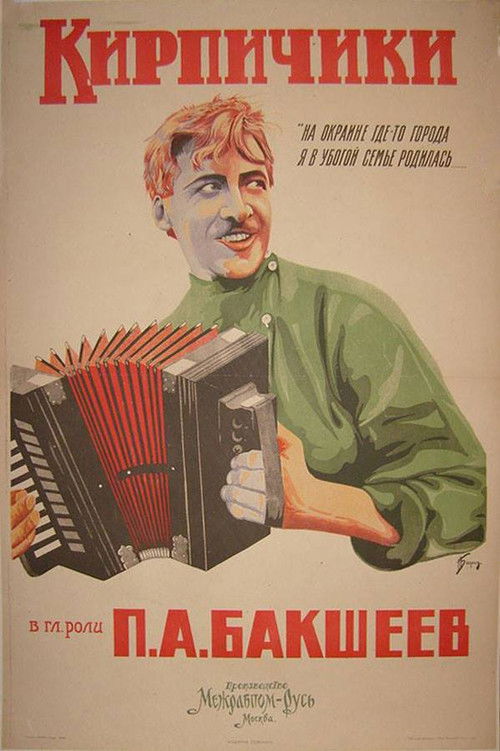
Partially lost.
Bricks
A film about the workers at the cement factory, who insist on developing the Marhot Range, which is rich in marl, which is used to make cement.