Acting
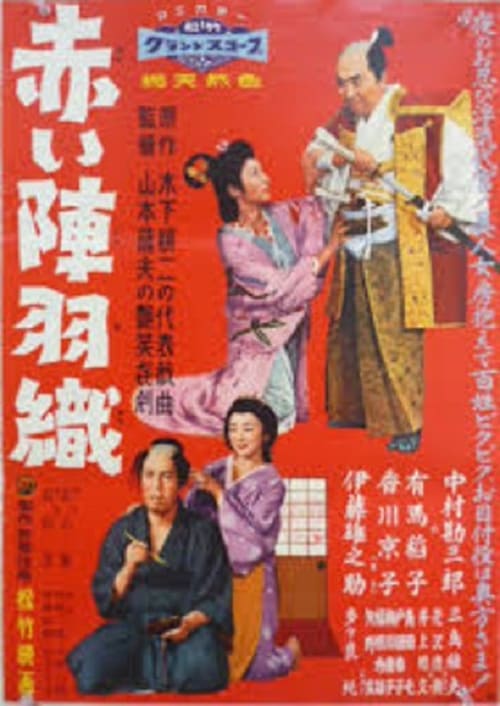
The humorous tale of Jimbei, a miller, and his wife Osen who live in complete happiness. But Osen's beauty attracts numerous would-be lovers among whom is the local governor, a timid creature, who is dominated by his high-born and beautiful wife, who dresses in a scarlet battle-tunic, a sign of his family's military merit around which he fabricates fantastic tales of his prowess in war. During the traditional festival when the villagers are released from observance of all social customs and restrictions, it is permissible for any man to attempt win the favors of the one he loves. However, the timid but romantic governor goes to the length of having the miller arrested to clear the way for his seduction of Osen. But Osen fights off his advances with an old hunting gun and dashes out of the mill. Jimbei, meanwhile, has escaped from jail and dashes home to finds the governor in his bed. Convinced that his wife has been violated, he decides to take an eye for an eye.
In a military family, an illegitimate son is brutalized by his brothers. A patriarchal, feudalistic household where dissent is forbidden is used to reveal the whole imperialist system that afflicted Japan between 1921 and 1946.
Based on the novel by proletarian writer Sunao Tokunaga. The story is about a long strike by workers at a large printing house and the strikers' steadfastness, which neither hunger nor violence could break. The heroine of this story actively participates in her colleagues' struggle against layoffs, oppression, and police brutality.
A man wanders into a seemingly deserted town with his young son in search of work. But after a bit of bad luck, he joins the town's population of lost souls.
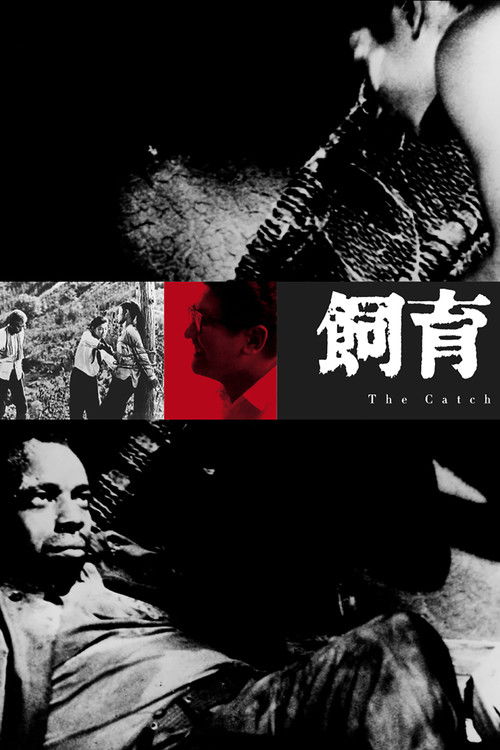
Towards the end of WWII, a black American pilot is captured and imprisoned by rural Japanese villagers, who await official instructions as to how to proceed with their 'catch'.
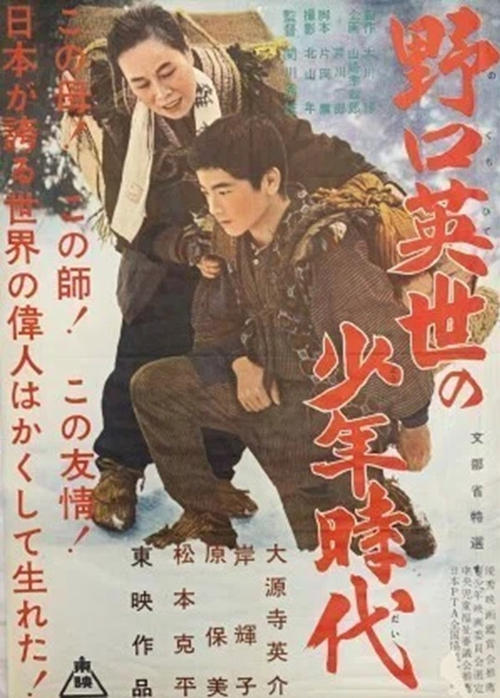
Depicts the boyhood days of Dr. Noguchi, world famous bacteriologist, who was born in a poor village as a farmer's son.
1959 Japanese movie
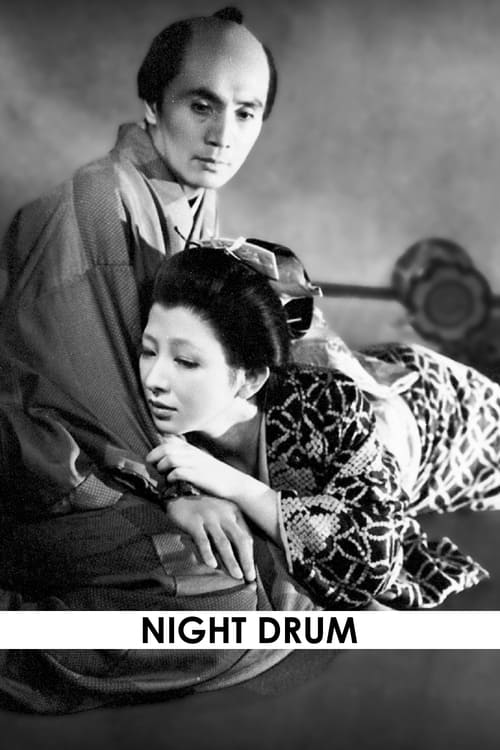
Following a yearlong attendance upon his shogun in Edo, samurai Hikokuro makes a long-awaited return to his home and doting wife, Dane. Initially greeted by the effusive welcome of his family, spiteful whispers also reach his ear about an adulterous affair carried on, in his long absence, between his wife and a famous drummer. With Hikokuro’s honor imperiled by rumor, his family insists on a formal investigation into the veracity of the gossip. Through the combined testimony of many witnesses, a tale unwinds around the visits of a traveling musician hired to tutor the family heir, the spurned attentions of the man who started the rumor, and the ultimate truth behind the accusations. The conclusion of events prove as much an indictment of bushidō as it is of the reluctant parties involved. Adapted from a 1706 play by Chikamatsu Monzaemon and based on a true case.
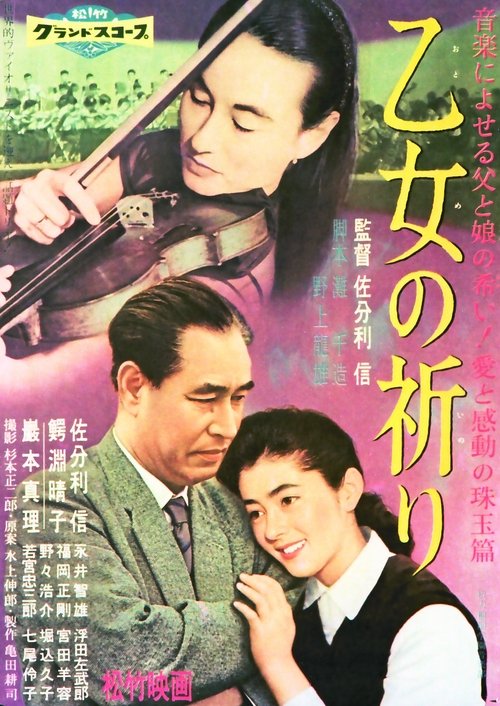
Ichiro Yoshida, the father of the boy Kiyoshi, who has been repatriated from China, returns home after a ten-year separation. The father, who has been estranged from his son for many years, pays no attention to the boy, often punishes him unfairly, and gives all his tenderness to his little daughter, who was born after his return. The boy sees all the injustice of his father and, offended, leaves home. The father realized that he was wrong, that he was guilty before his son. The mother finds the boy and brings him home. The father and the son become friends from that day on.
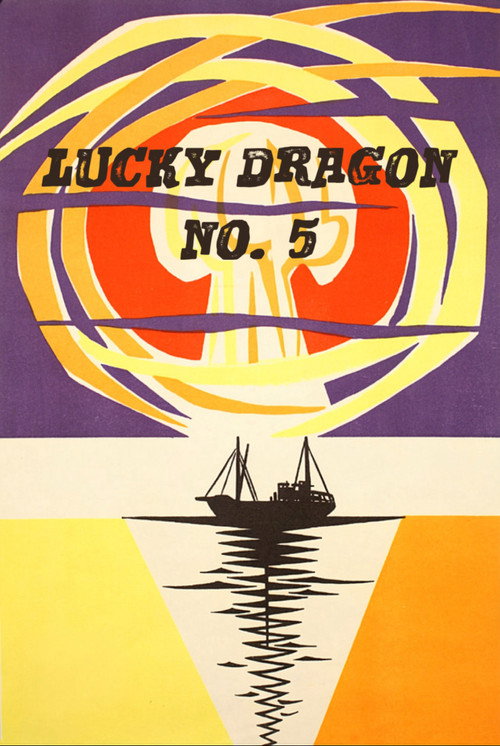
An ageing fishing boat, Dai-go Fukuryu Maru ("Lucky Dragon No. 5") sets out from the port of Yaizu in Shizuoka Prefecture. It travels around the Pacific line fishing. While the ship is near Bikini Atoll, the ship's navigator sees a flash. All the crew come up to watch. They realize it is an atomic explosion, but take time to clear their fishing gear. A short time later, grey ash starts to fall on the ship. When the ship returns to port the sailors have been burned brown. They unload the fish, which are then transported away. They visit the local doctor and then go to Tokyo for an examination. It turns out they are all highly radioactive. Their symptoms become worse, and the contaminated fish causes a panic.
No description available.
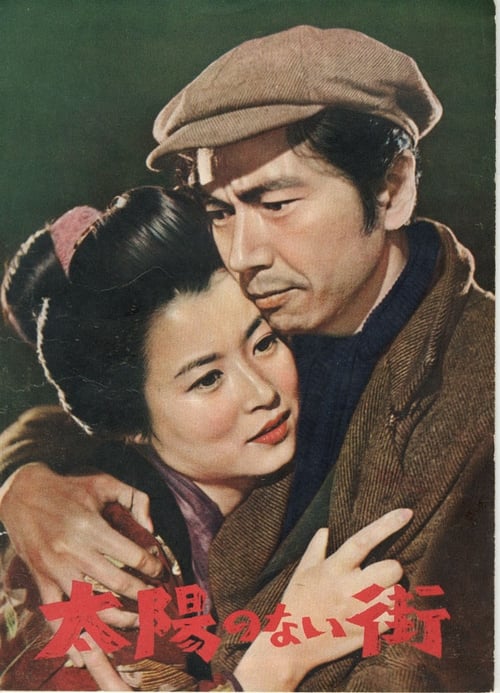
Poor social conditions badly affect the relationship between a married couple, when the husband, who is desperately searching for work, fails to notice the terrible sacrifices made by his wife when she accepts a job at a local inn.
Japanese film.
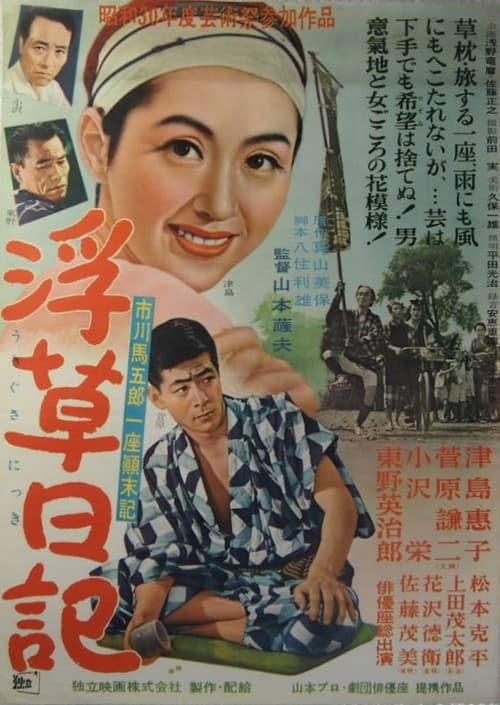
A travelling theater troupe, led by Umagoro Ichikawa, comes to play in a mining town, and manages to sell every seat. Before the play begins, however, a miners' strike is announced, creating an uproar. In addition, the players find they have been cheated out of their profits by a crooked impresario.
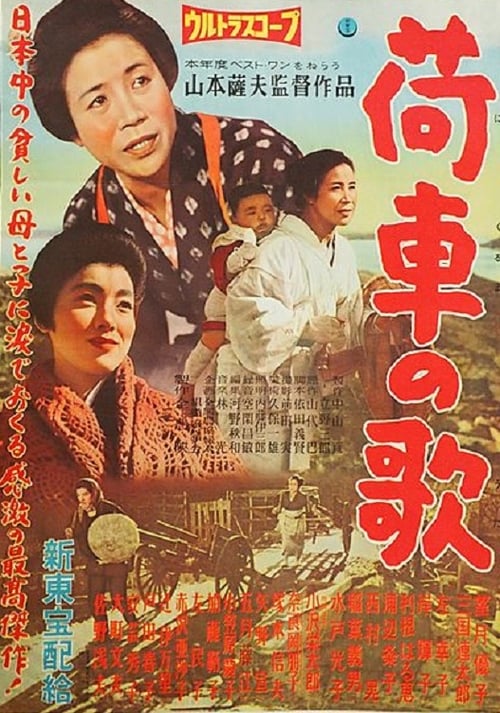
A lifetime story of a woman who stubbornly lives in a poor mountain village in post-war Japan.
1962 Japanese movie
1961 Japanese movie