Writing
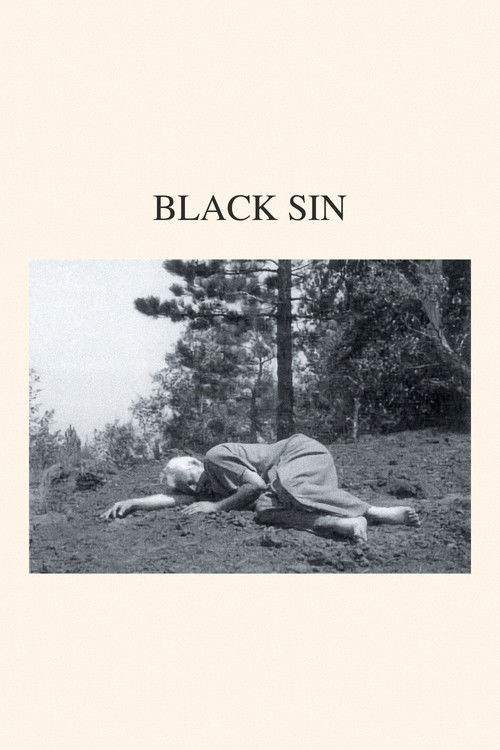
A companion piece to the earlier film ‘The Death of Empedocles’, 'Black Sin' is an adaptation of the third version of Friedrich Hölderlin’s play ‘Der Tod des Empedokles’.
Second part of Hölderlin-trilogy with Udo Samel and Otto Sander in cast.
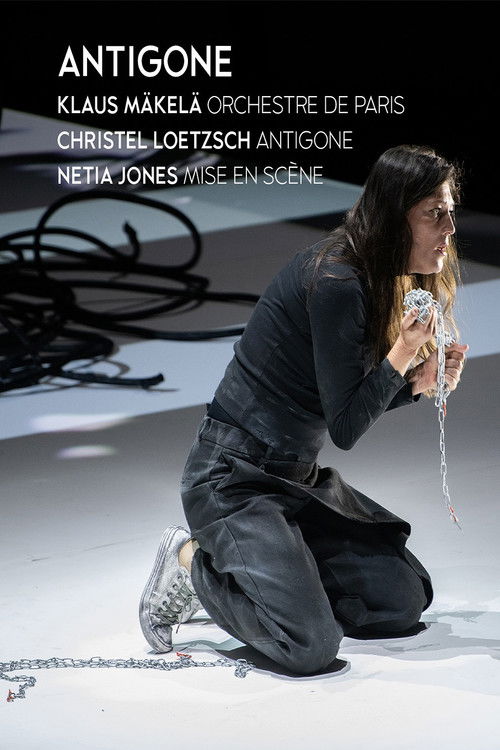
With “Antigone,” the Philharmonie de Paris serves as the setting for a world premiere: an “operatorio” by Pascal Dusapin, brought to life by Christel Loetzsch in the title role, conducted by Klaus Mäkelä and directed by Netia Jones.
A short film by Ula Stöckl, with Grischa Huber and texts from "Hyperion" by Hölderlin: "I would like to show you a free land, a land full of beauty and full of soul and say: save yourself there!"
Eloi, a paunchy middle-aged man, finds Samuel, a young sad sack, about to kill himself by plunging into the sea. Eloi takes Samuel under his wing, giving him a hot meal and bringing him to a seedy night club to introduce him to Esperança, who is said to be the most beautiful sex worker in Lisbon—and is also Eloi’s daughter.
A fearless Antigone, refusing to allow the dishonored body of her murdered brother Polynices to be devoured by vultures and dogs, defies the Thebian tyrant Creon by burying him.
Jean-Marie Straub pushes this musicality of blocks to a paroxysmal extreme, mixing blocks of time (40 years separate the various extracts that are going to be used, and what is to be filmed), blocks of text (Malraux, Fortini, Vittorini, Hölderlin) and blocks of language (French, Italian, German), and from this ruckus emerges the history of the world, yes, History with a capital H, and from the same movement, the political hope of its being overtaken. So this is an adventure film, about the Human adventure, still one that is always, in the end, overtaken by Nature.
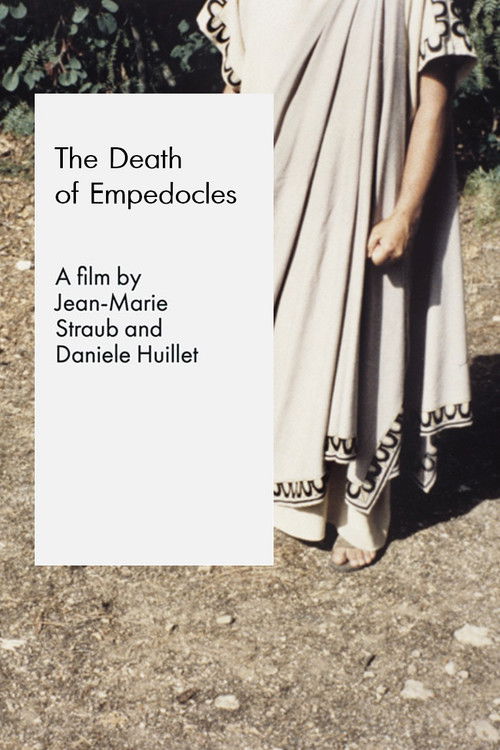
Film adaptation by Straub and Huillet of Hölderlin’s 1798 tragedy on the symbolic death of Empedocles, the legislator in Ancient Greece.
Forgotten Straub-Huillet film that shows outtakes from "Der Tod des Empedokles".