Acting
No description available.
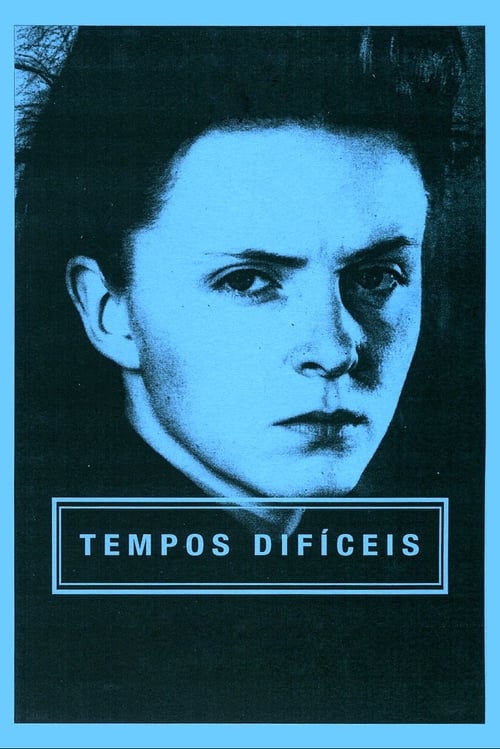
A film adaptation of the Charles Dickens novel "Hard Times" set in a Portuguese industrial town of the 1980s.
In the mid-20th century, a troubled relationship between Germana, a young writer, and Quina, her aunt who lives in the northern Portuguese countryside. Feelings of jealousy, admiration and the complex magnetism between these two strong women arise.
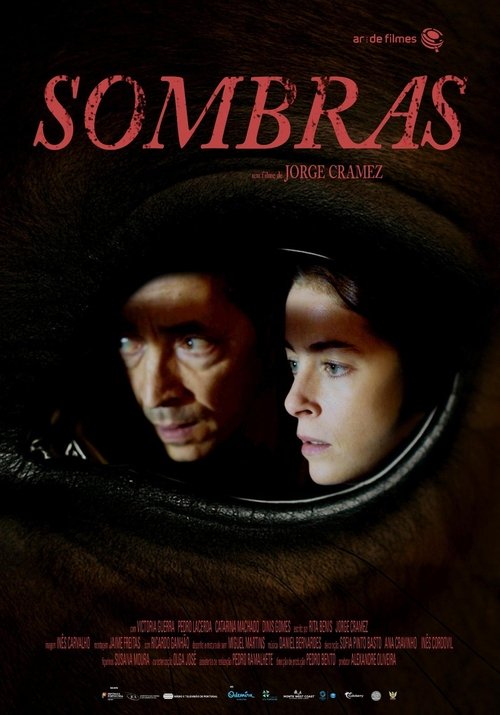
Marta and Jaime are a childless couple who have opted for the peace and quiet of the countryside. Without any surprise, they take in a neighboring child for a few days. However, a nocturnal visit from a strange animal shakes the couple’s logical reasoning about the simple things in life. Could the child have something to do with that terrifying presence? One of the effects of fear is to disturb the senses, making things seem different from what they are, and so, little by little, a fantastic order is established, triggering the most irrational and violent reactions in them. In the end, nothing will be the same for them again.
A European teenager ran away from home to marry a Daesh fighter. She became a bride of the Jihad. Three years later, her life has dramatically changed. She is living in an Iraqi prison camp. Now she has two children to take care of and is pregnant again. She is a 20-year-old widow and soon will be put on trial in the Iraqi courts. What have the experiences of war and brainwashing done to her?
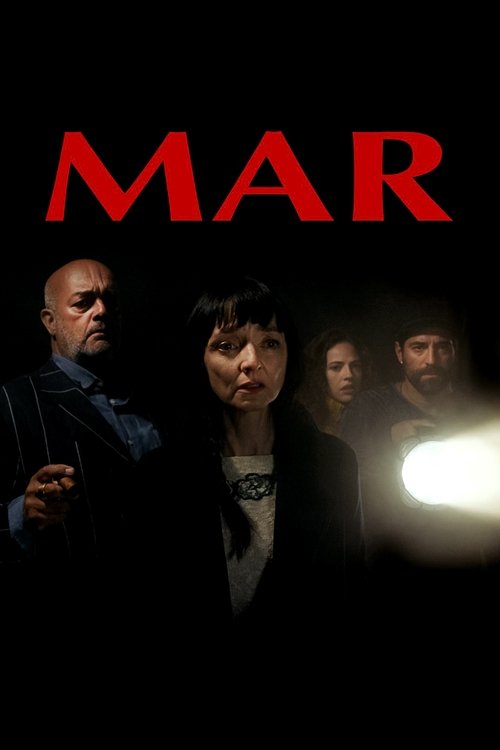
Francisca, a beautiful 50-year-old widow, prepared a peaceful future for herself. In an unexpected outburst, she grabs an opportunity for change and embarks on a sailboat called ‘Hovering Over the Water’.
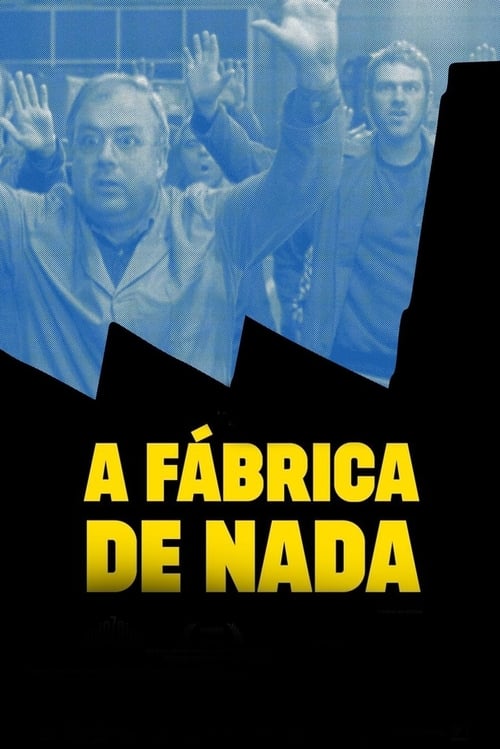
One night, a group of workers realises that the administration is stealing machines and raw materials from their own factory. As they organize to survey the equipment and block the relocation of production, they are forced to stand at their posts with no work to do, as a form of retaliation, while negotiations over general lay-offs take place. The pressure leads to a breakdown of the workers along with the world around them.
The misfortunes of Sofia, the exemplary Madalena and Camila, the troubled vacations of girls and boys, a few years later leading to the resolution of some mysteries, form the perfect trilogy by the Countess of Ségur on education, social, religious, and political power. Desire and its oppression, violence and punishment, in short, the terrible loss combined with inevitable growth. Both adults and children will understand that precepts, rules, and prayers can tear nerves and blood apart.
Northern Portugal. An imposing residence with its garden and magnolia tree. As we know, home is a place that film, this outdoor art, has often used to depict less the joys of family life than a pernicious space. André Gil Mata has made it his stage, with its rooms, its furniture, what plays out there and what has already played out there. From one room to another, from one era to another, the film delves deep into this enclosed space, a kind of suffocating box.
A man faces emotional disconnection while his tumultuous relationship with a woman highlights his struggle to escape stagnation.
An artist’s struggle for perfection becomes a chaotic clash of egos with his demanding muse.
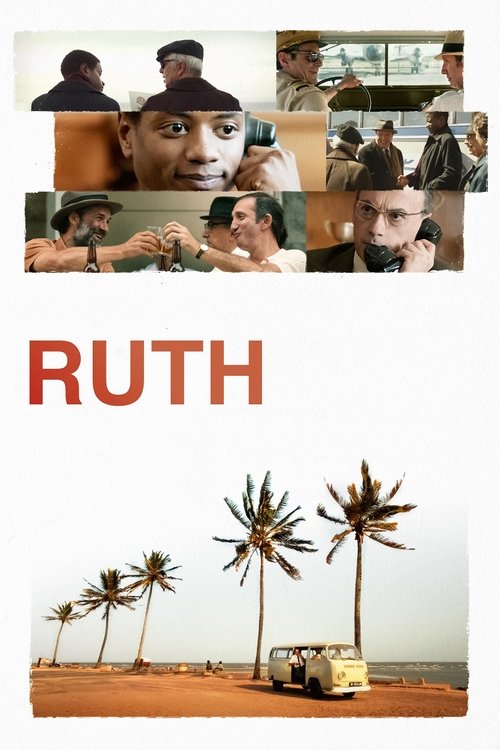
This is the story of a young Mozambican footballer called Eusébio, a gifted athlete destined to great achievements, coveted by rival clubs, Sporting and Benfica, which ends up hiring him. Blackmail, kidnapping attempts, ministers involved, press hysteria and huge money offers make the story of this football transfer into a saga evolving between the two continents. It ends up when the legend begins: with Eusébio’s first match at the Benfica Stadium.
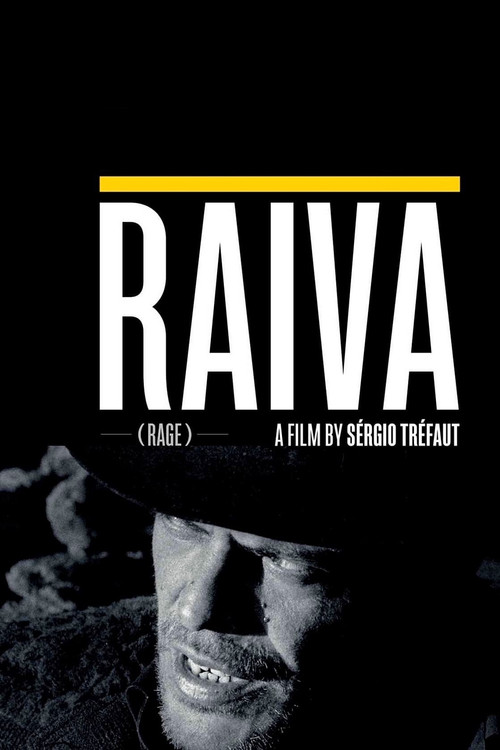
Alentejo, Portugal, 1950. In a desolate region, where the wind seems to speak, where misery and hunger reign over poorest, a desperate man takes his revenge on those who caused his ruin during the darkest night, unable to get honestly the bread needed to feed his family in the daylight.
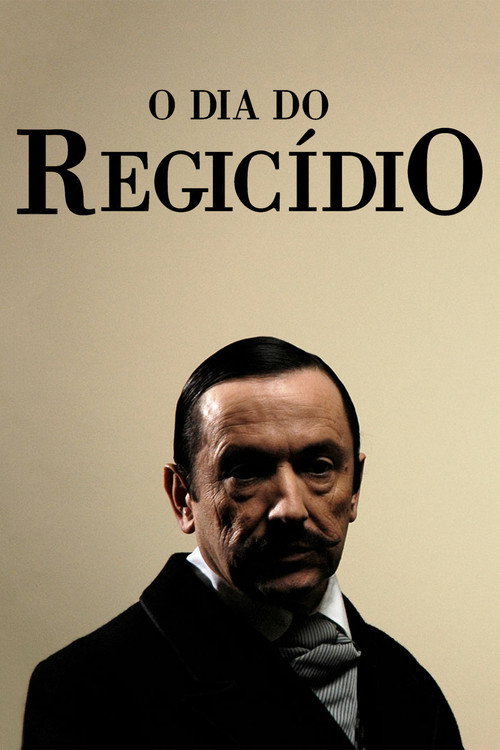
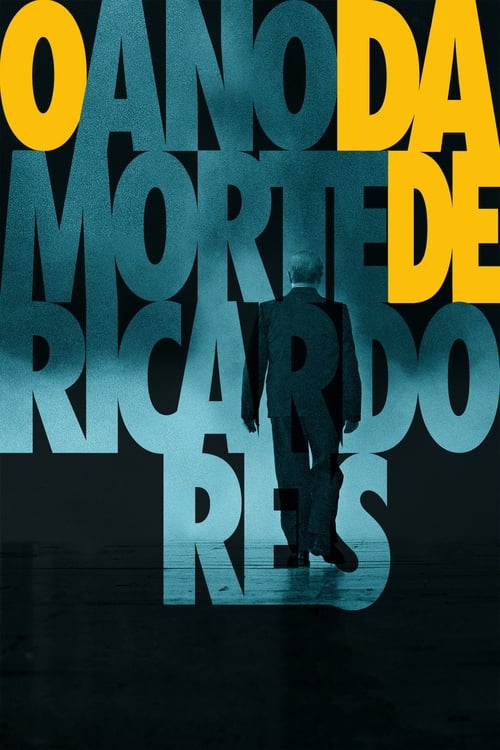
Fernando Pessoa, one of the greatest writers in Portuguese, created an immense parallel world and several heteronyms so as to endure the loneliness of genius. José Saramago, 1998 Nobel Laureate in Literature, has a heteronym, Ricardo Reis, return to Portugal after a 16-year exile in Brazil. 1936 is a perilous year with Mussolini’s fascism, Hitler’s Nazism, Spain’s Civil War and Salazar’s New State in Portugal. And Fernando Pessoa meets his creation, Reis. Two women, Lídia and Marcenda, are Reis’ carnal and impossible passions. “Life and Death as one” allows for literature and cinema.
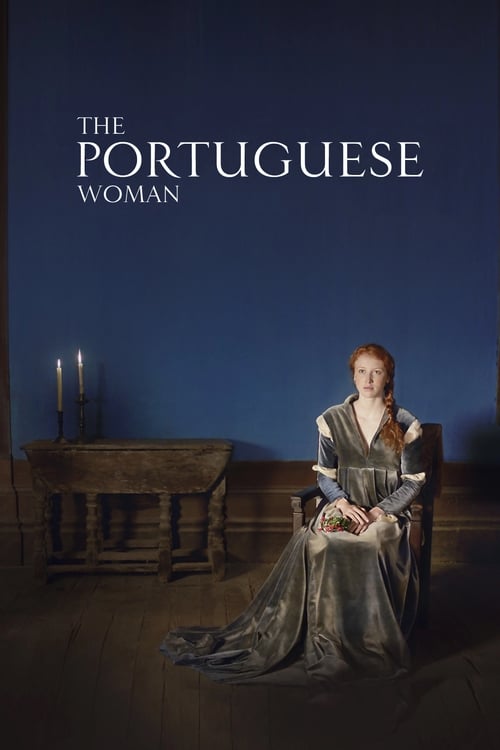
North of Italy, the von Kettens dispute the forces of the Episcopate of Trent. Herr Ketten seeks marriage in a distant country, Portugal. After their honeymoon journey back home, Ketten leaves again for the war. Eleven years elapsed… Rumours are running about the presence of that 'foreigner' in the castle. Some say she's a heretic. Until one day, the Bishop of Trento ends up dying and, with the signature of peace, falls the background of von Ketten's life. Will the Portuguese win, where death seems to be moving in?
Organized like a dream, structured like a musical and with texts, both spoken and sung, that lead us to unexpected, chaotic and exciting situations, which try to grasp part of what the unattainable Alexandre O'Neill left us.
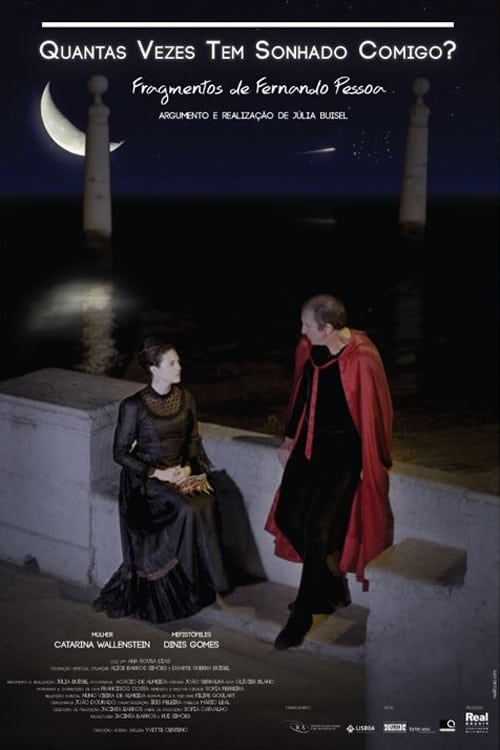
Departing from extracts written by Fernando Pessoa, the characters walk through the city of Lisbon, having the streets and houses where the Poet lived as the background.
Struggling against the crisis in Portugal, a mother doubles up jobs to pay the bills since her husband is unemployed. Their teenage daughter tries to keep living everyday life even if the money is running short, which makes everything uneasy. Escaping from their common reality, they slowly become strangers to one another, as the tension grows in silence and in guilt.