José María Avilés
Directing
Biography
Filmmaker and editor José María Avilés (1988, Ecuador) graduated from Universidad del Cine in Buenos Aires, Argentina in 2012. After attending the Laboratoria de Cine of Martín Rejtman and Andrés di Tella in 2013, he made several short films and worked as an editor on Alba (2016), among other films. In 2017, he made his feature debut as a director with The Death of the Master, which premiered in IFFR. His second feature film Al Oriente will be release at the Biennale College of Venice Film Festival.
Known For

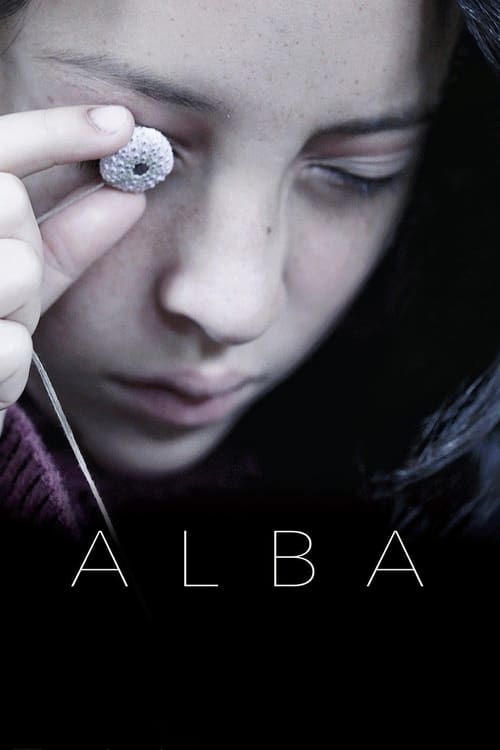
Alba, 11 years old, passes her days in silence. She loves little animals. She has learned to cope with her mother's illness, helping her to use the bathroom. Alba plays silently so that her mother can rest during the day. One night Alba's mother gets worse, and has to be taken to the hospital. With no one else to take care of her, Alba is sent to live with her father, who she hasn't seen since she was three years old. Living with her father is almost unbearable. Embarrassment, her first kiss, visits to mother in the hospital, Edgar's tender efforts to get close to her, and bullying at school; these are some of the experiences that pave Alba's journey to puberty and to self-acceptance.
Alba

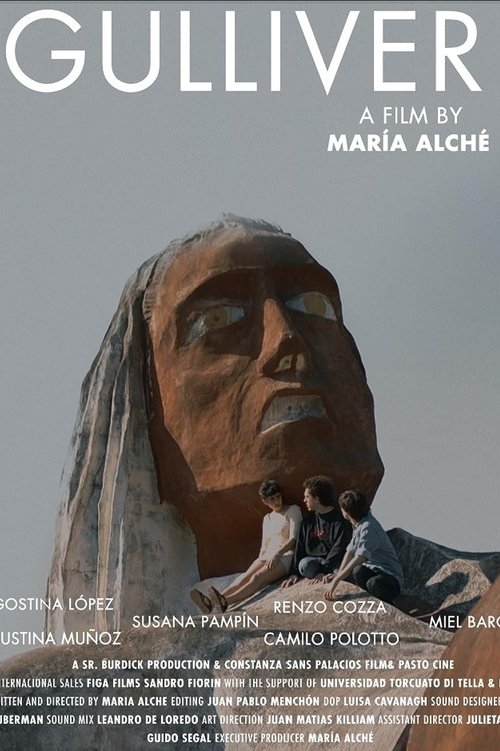
After a party, Agos and Ren find themselves in a strange place where they remember to have been before… A failed world bursting with dependences and doors leading to the same yet different place.
Gulliver

Atahualpa works on the construction of a road that will cross the Llanganates Mountain Range, where it is said that the treasure of Inca Atahualpa was hidden in 1533. One night, Atahualpa is the guide of an expedition that goes in search of the treasure at the beginning of the 20th century.
Al Oriente

The film portrays a night shift of the last fishing community that uses the Art of Xávega, a traditional type of fishing that has barely evolved over the centuries, disappeared on the Spanish coast and in process of extinction in Portugal. At the same time, under the huge cliff and a few meters from the sea, other bodies roam the terrain in search of occasional sexual encounters.
O Arrais do Mar

On 16 April 2016 a severe earthquake hit coastal Ecuador. José María Avilés’ first longer film is based on this national disaster, but at great distance from the collapsed buildings and buried loved ones. He shows how an unexpected event can suddenly modify all the rules of the game, even in the remote town of Angamarca – the location of the film – where the effects of the quake arrive as distant echoes of hostility in the natural environment.
The Death of the Master

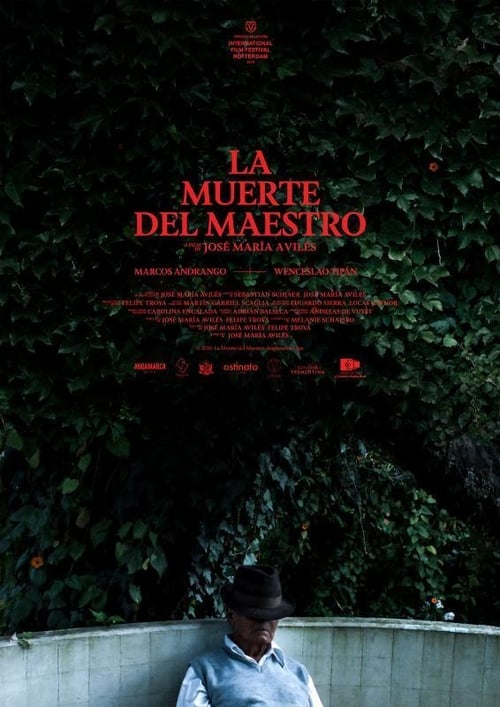
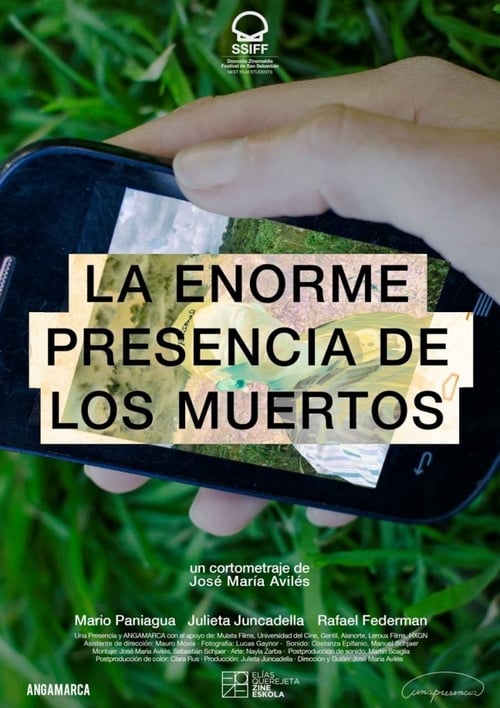
After receiving his last wage and sending it off to his home country, a house painter deliberately abandons his mobile phone on a park bench. Shortly after, a girl finds it and decides to keep it. She takes it as a sign sent directly to her that reveals the presence of the dead. A contemporary ghost story.
The Presence of the Dead
Jaki lives with her parents and two poodles. She writes poetry and sells knishes. One day, she thinks of a new text, but while writing it, her ideas start to mix with her own life.
I Don't See Myself Being Old

African fashion model Alexandra Cartier meets Jorge Luis Borges in a visionary hallucination. What does the famous Argentine modernist writer have to say about our contemporary ecological and pandemic problems?
Black Beauty: For a Shamanic Cinema

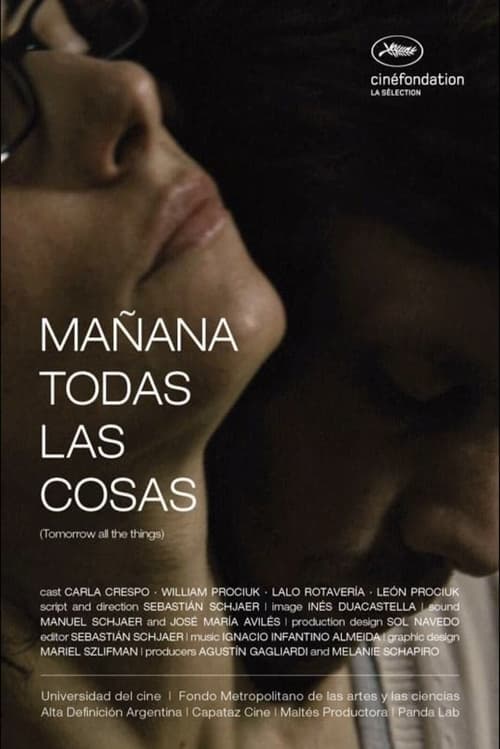
Julia and Diego spend a weekend taking care of Diego’s nephew, in a house far from the city. Everything goes on normally until Julia’s visit to the hospital changes completely their relation.
Tomorrow All the Things

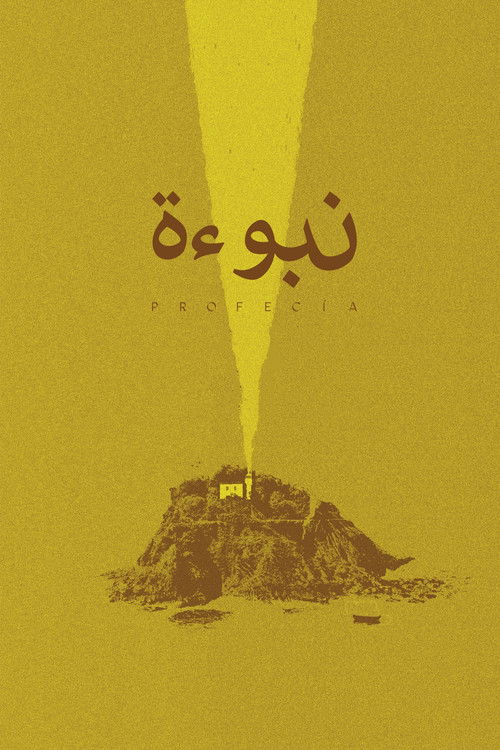
Three young friends of Moroccan origin travel on a lost island, sing, dance, and take us into the shelter of an uninhabited lighthouse. They discover this unknown land like the explorers in a tale of adventures. Following them around in this strange place, Julieta Juncadella carries us away, like a wave, in the movement of a fantasy film. – Elena López Riera