Acting
Polizeiruf 110 is a long-running German language detective television series. The first episode was broadcast 27 June 1971 in the German Democratic Republic, and after the dissolution of Fernsehen der DDR the series was picked up by ARD. It was originally created as a counterpart to the West German series Tatort, and quickly became a public favorite.
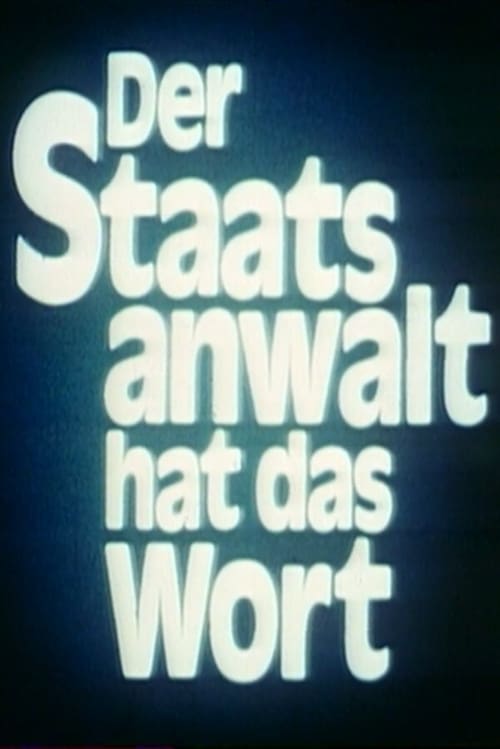
Der Staatsanwalt hat das Wort was an East German television series.
No description available.
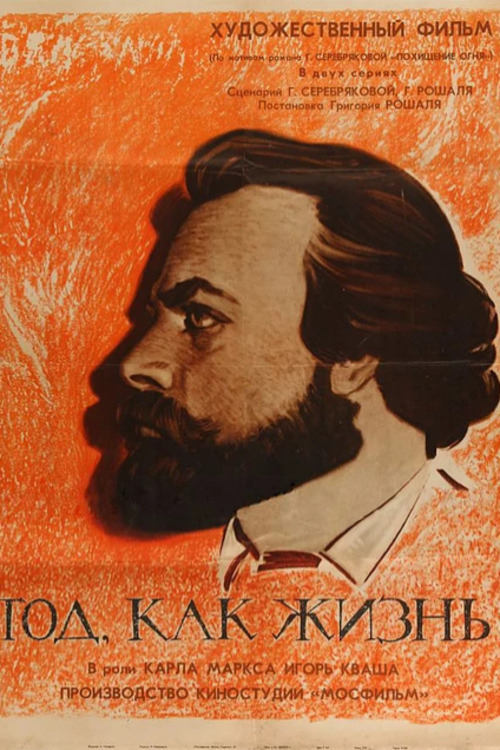
The film takes place in Europe in the 19th century. The film shows the popular uprisings that took place there, as well as the search for truth and the confrontation of Karl Marx and opponents of the revolution.
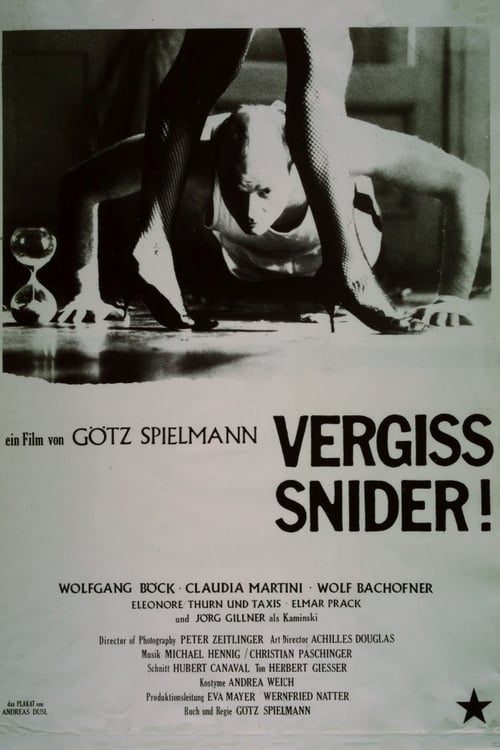
Witty, literary and intellectual Kammerspiel film which presents the day after the end of the world as an allegory.
Budapest in the 1930s. Restaurant owner Laszlo hires pianist András to play in his restaurant. Both men fall in love with the beautiful waitress Ilona who inspires András to his only composition. His song of Gloomy Sunday is, at first, loved and then feared, for its melancholic melody sets off a chain of suicides. The fragile balance of the erotic ménage à trois is sent off kilter when the German Hans falls in love with Ilona as well.
The tranquil family life of a police officer is disrupted when a colleague on duty goes berserk and expects him to make a false statement. A question of conscience? But how does one live with a guilty conscience if one violates the unwritten laws of the police?
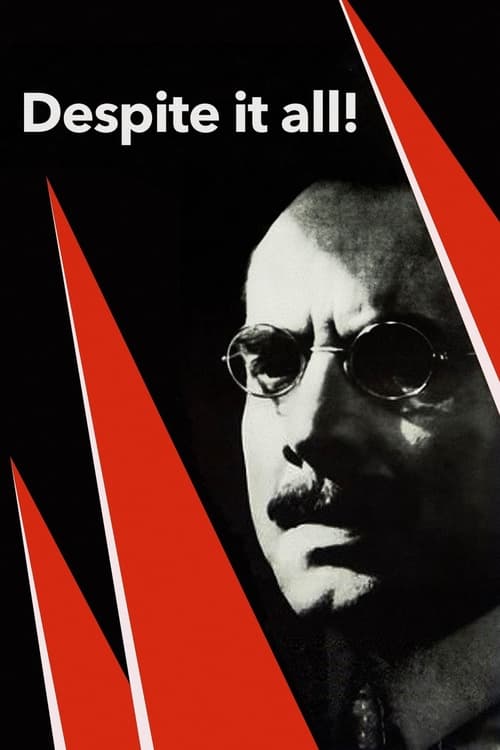
October 1918: Karl Liebknecht is released from prison and Berlin workers celebrate his release. Although WWI is almost over, the German Kaiserreich in vain sends its last reserves to the slaughter. The working class is in a rebellious mood; the uprising of Kiel’s sailors against war and militarism sets off a call for revolution led by Liebknecht. On November 9, Liebknecht declares the Free Socialist Republic of Germany. But pro-Kaiser military and right wing Social Democrats oppose him.
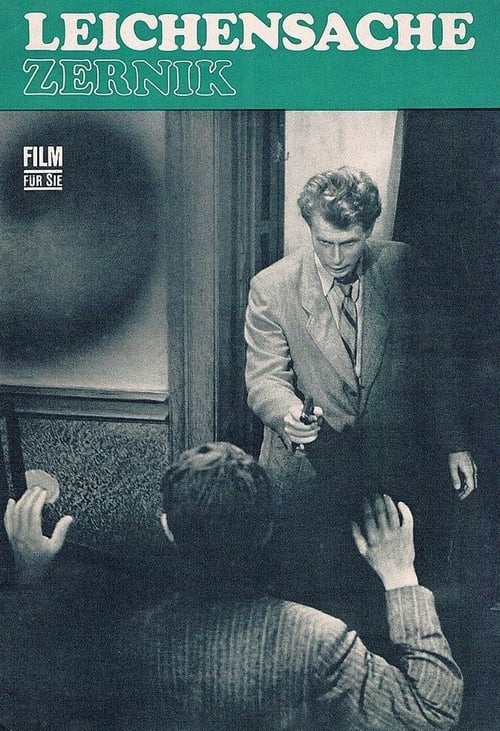
After meeting the woman on the train Erwin Retzmann kills her in the forest.
Vienna in the eighties. An accidental meeting in a restaurant. She, Hannah, is Jewish and has a live-in lover, a young and successful architect. He, Friedrich, is a German and lives permanently in Vienna. Two worlds collide with another, begin to become entangled in each other. Friedrich too, has his problems. He is a "German", which fascinates and repels Hannah at the same time. She tries to get over her confusion by being ironic and flirtatious. Simultaneously, what she has tried to suppress breaks through in flashbacks...
Russian soldier Grisha escapes from a German prisoner-of-war camp in the spring of 1917. He is caught and is to be shot as a spy. This decision is controversial. The dispute continues. Grisha is executed on the orders of the army high command.
Götz von Bredow's elk-leather trousers have their own special meaning: whoever wears them cannot come to any harm. Only they must not be washed. The meticulous Mrs. Brigitte cleans them anyway - but they get lost because the squire Hans-Jürgen, who is guarding them, has to save the life of Eva von Bredow, who is floating in a wash barrel. Meanwhile, Privy Councillor Lindenberg has arrived at the Bredows' house and loses a large sum of money in the game that does not belong to him. He wants to make up for the loss with a robbery. Suspicion first falls on Bredow because his trousers were involved, but Lindenberg is convicted and sentenced to death. This throws the cavalry into turmoil, as robberies are an important source of income for them. The four of them march against the Elector, who is hunting in the Köpenicker Heide. But Bredow, who has his protective trousers back, comes to his aid.
The little African girl Asina is eagerly waiting for her new friend Karli. Karli is a young sailor from Rostock who has promised her a gift on his next arrival in Coccatuttibana. Karli keeps his promise and smuggles a stowaway onboard the “MS Wismar”. Kasimir, a snowman, finds shelter in a cooling chamber. Although the journey turns out to be turbulent, Karli and Kasimir manage to arrive in Africa in good health.
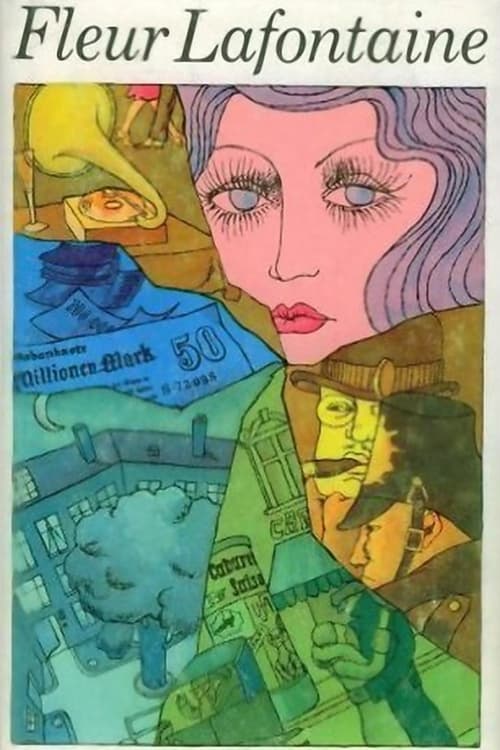
Berlin, 1948: Paralyzed and robbed of her memory, Fleur regains consciousness after a serious fall. The doctor treating her recognizes that her problem is of a psychological nature and encourages her to face up to her past. The daughter of a brothel owner is reluctant to look back: on a hapless childhood, her relationships with bon vivant Dr. Goldner and the politically committed locksmith Philipp (Hilmar Thate) as well as the difficult period of fascism... This exciting journey into the German past is based on Dinah Nelken's novel "Das angstvolle Heldenleben einer gewissen Fleur Lafontaine".
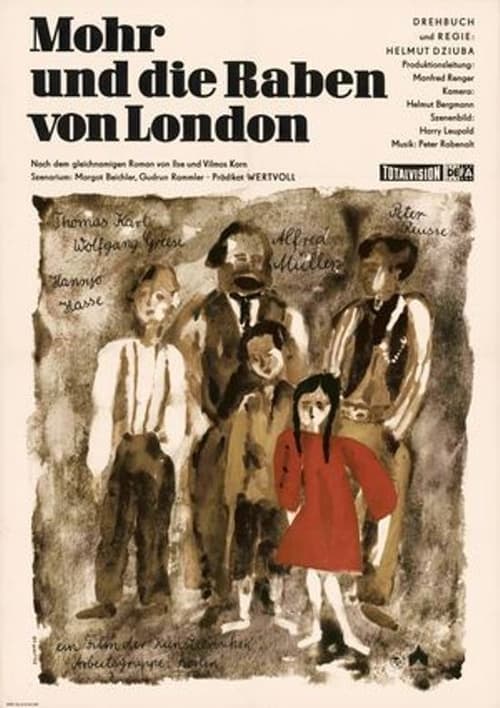
London in 1856. Karl Marx is living in exile in the British capital. One day, "Mohr", as Marx is called by his friends, meets the 13-year old worker′s son Joe. The boy works every day for twelve hours in a spinning mill and even has to work night shifts although that violates current rules. Marx tries to end the illegal activities of the spinning mill owner and one night shows up at the mill together with an inspector. But his foray is undermined by a robbery by the rebellious raven gang that is led by Joe′s brother Billy. The spinning mill owner of course takes this chance to blame his young workers for the theft. But Marx is not let astray and does not stop to fight against child labour. Furthermore, he tries to get the members of the raven gang back on the straight and narrow – with success.
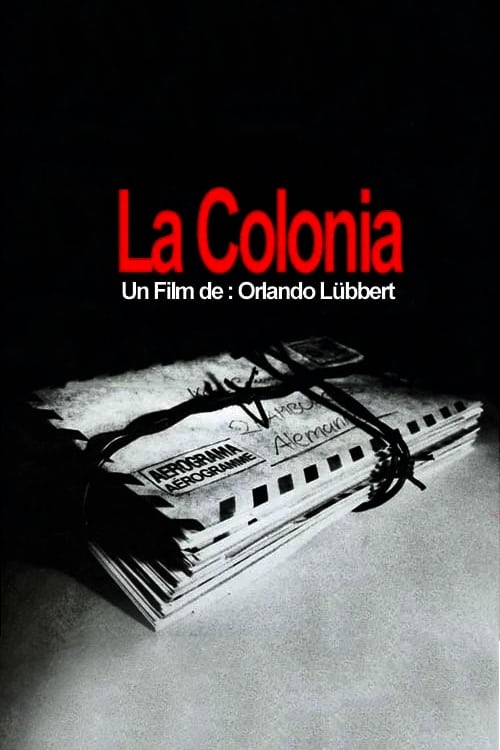
During Pinochet's military dictatorship in Chile, a father strives to free his daughter from the German religious sect, Colonia Dignidad.
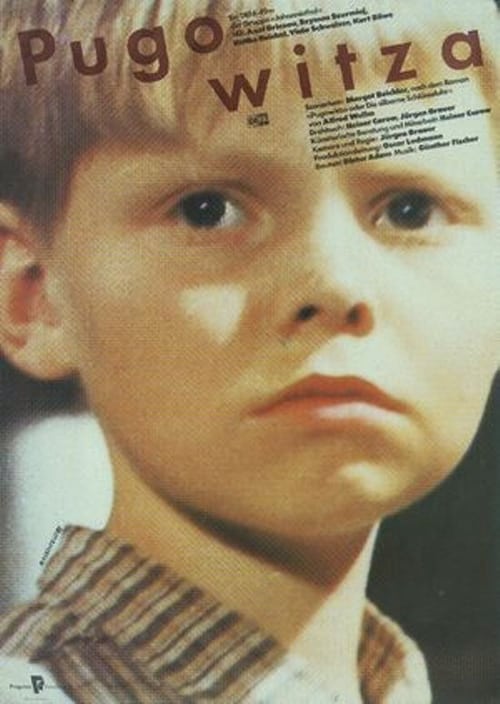
World War II is over and Heinrich, a young German boy, influenced by the Russians, starts to act according to Communist principles in a small German village.
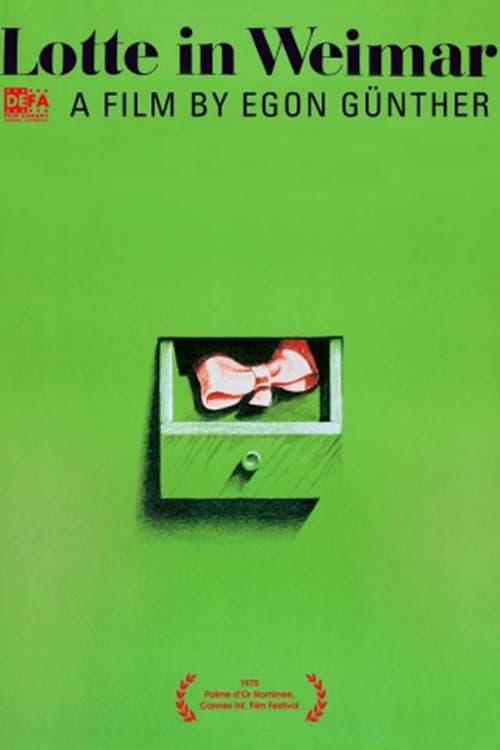
Johann Wolfgang von Goethe (1749-1832) was the author of Werther, the romantic novel that was transformed into a play during Goethe's lifetime and which initiated the whole German romantic movement. The book's story tells of young love and suicide. In this East German film, based on a book by Thomas Mann, Lotte (Lilli Palmer) was the woman who served as the model for the heroine in the novel Werther. She comes to Goethe's hometown for a visit, and her experiences there eerily re-create episodes from the book. Goethe comes across as a pompous old bore, and his friends as pandering sycophants, in this very proper communist party-sponsored, anti-heroic movie.