Production
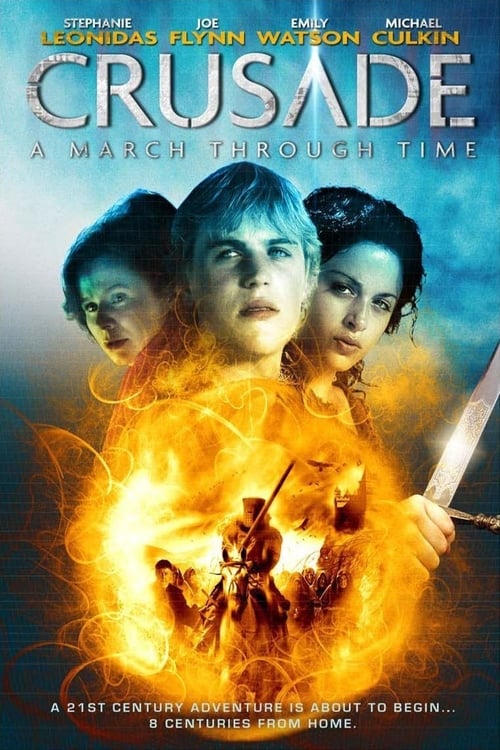
Dolf a 15 year old boy is sent back in time by a timemachine. Accidentally he is sent back to the Middle Ages. He is rescued by children who are part of a childrens' crusade, on their way to rescue Jeruzalem. During the trip Dolf finds out the danger is not coming from outside the crusade, but from within.
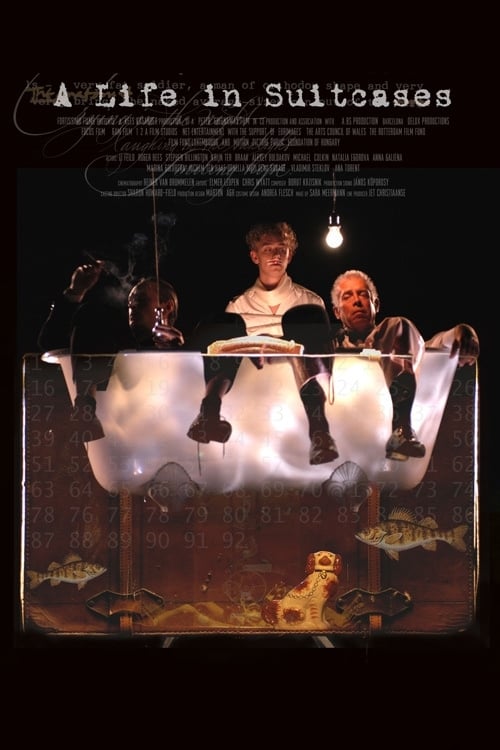
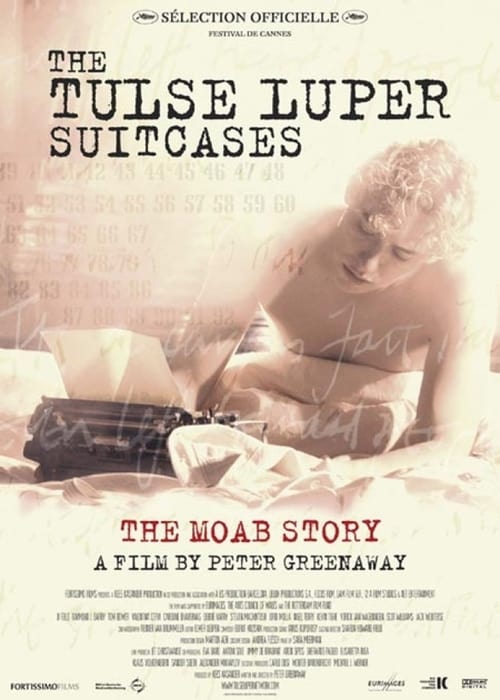
A comic study of 20th-century history, reconstructing the life of writer, creator and professional prisoner Tulse Luper. Born in 1911 Newport and last heard of in 1989, Luper’s life is pieced together from the evidence found in 92 suitcases scattered across the globe. A Life in Suitcases condenses the six-hour trilogy into a single two-hour feature, and in doing so, accentuates the project as a filmic essay in multiple narratives, listings, sidebars, footnotes, commentaries and anecdotes; a project for an Information Age ready to understand that there never is a phenomenon called History, there can only be Historians, gatekeepers to vested interests.
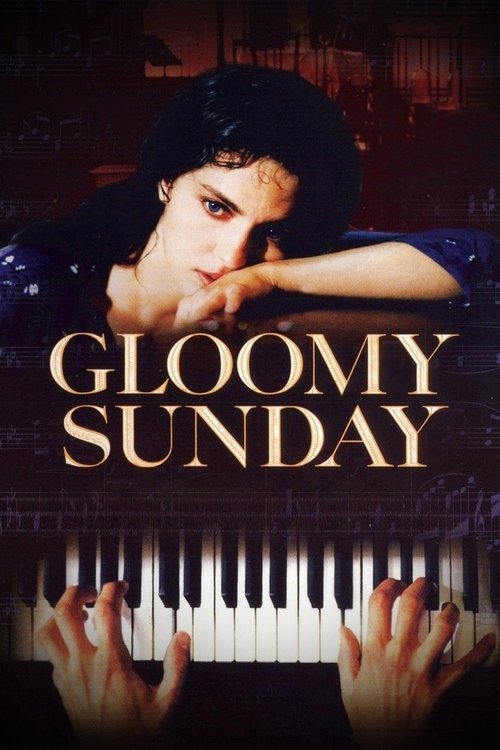
Budapest in the 1930s. Restaurant owner Laszlo hires pianist András to play in his restaurant. Both men fall in love with the beautiful waitress Ilona who inspires András to his only composition. His song of Gloomy Sunday is, at first, loved and then feared, for its melancholic melody sets off a chain of suicides. The fragile balance of the erotic ménage à trois is sent off kilter when the German Hans falls in love with Ilona as well.
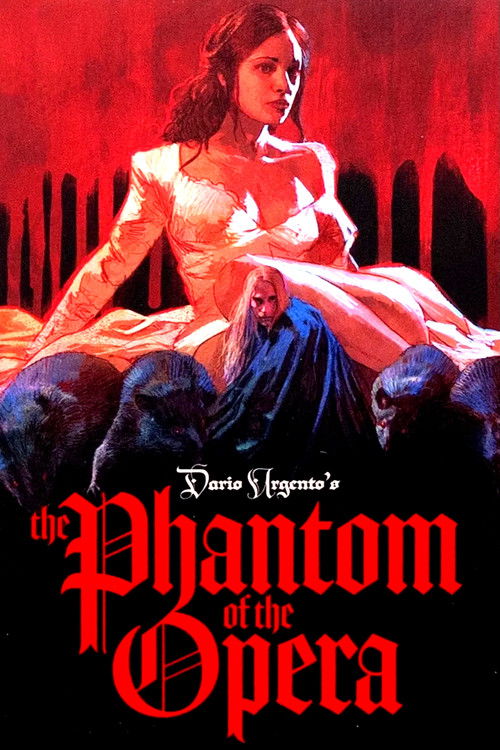
A series of terrifying accidents and brutal murders leave a bloody trail into the subterranean caverns of an Opera house. Below the theatre stalks a man raised by creatures of the underworld.
The true story of Giorgio Perlasca, an Italian cattle dealer and avowed fascist who — trapped in Nazi-occupied Budapest after Italy's armistice with the Allies — nevertheless saved more than 5,000 Hungarian Jews from the Holocaust through a combination of lies, bribery and derring-do.
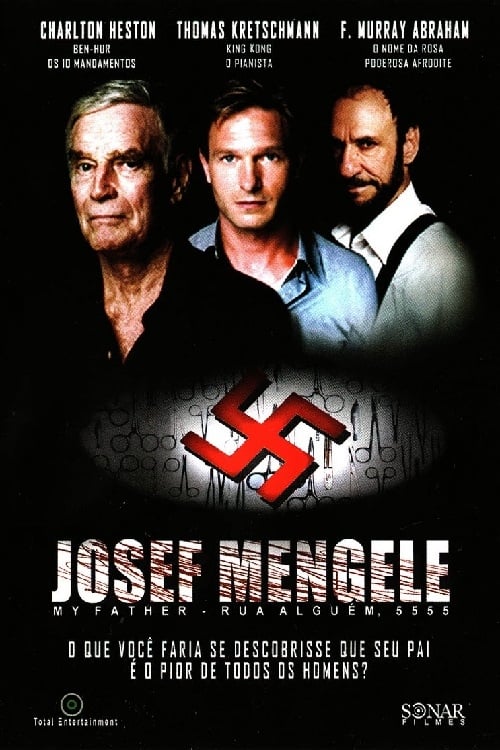
A man who grew up an orphan finally gets to meet his father: The psychopath Dr. Josef Mengele, the Auschwitz surgeon who performed genetic experiments on concentration camp refugees during WWII.
A comic study of 20th-century history, reconstructing the life of writer, creator and professional prisoner Tulse Luper. Born in 1911 Newport and last heard of in 1989, Luper’s life is pieced together from the evidence found in 92 suitcases scattered across the globe. In the first of three parts, we follow Luper through three distinct episodes: as a child during the First World War; as an explorer in Mormon Utah; and as a writer in Belgium during the rise of fascism.
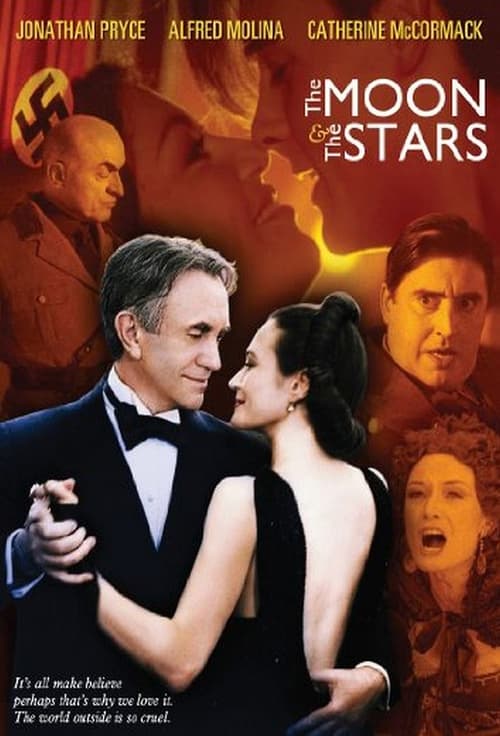
1939: Rome stands on the brink of World War II. In the midst of this political and social tension famed producer Davide Rieta is making a major film. The two lead actors, the German woman Kristina Baumgarten and the English man James Clavel ace each others' initial antagonism and eventually fall in love. Meanwhile the fascist police are looking for an excuse to arrest the Jewish filmmaker and any other potential "troublemakers." The producer and his crew decide to make one final extraordinary effort to complete the film - against all odds.
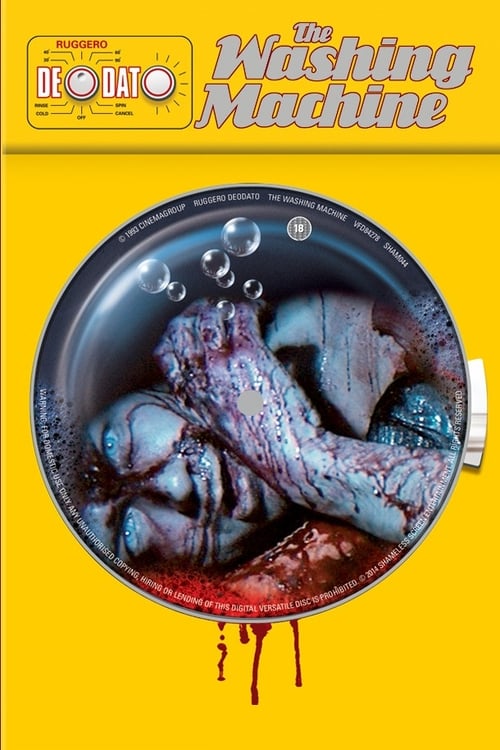
Three sisters - voluptuous Vida, Maria (nicknamed "Sissy"), and Ludmilla - live together in a run-down apartment building in Budapest. The sisters all vie for the attentions of Yuri Petkov, a dubious middle-aged pimp who plays them off against each other. One evening, Ludmilla claims to have found Yuri's body stuffed into their washing machine, but when Inspector Stacev arrives to investigate the body has disappeared. The good-looking young inspector attempts to discover the truth but in doing so becomes drawn into the sisters' bizarre sex games...
Autumn 1944. Yellow star, ghettos, Arrow Cross terror. The inhabitants of Hungary's capital, Budapest, await the tragic fulfilment of their fate with helpless resignation. However, above one of the city's villas, once a week in the evening the stars of hope sparkle, if only for a few minutes. This short time gives fresh heart to those hiding here and kindles hope in their tortured souls to live for another day. This mysterious power is none other than a beautiful song that can be heard at such times from the villa's tower room.
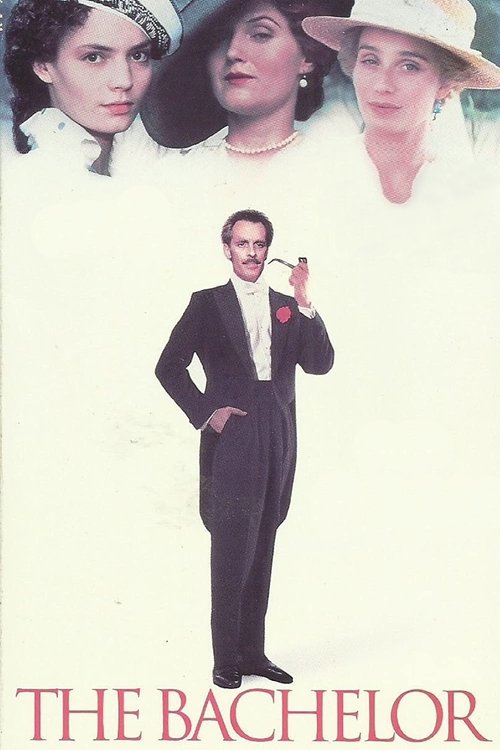
In pre-WWI Austria-Hungary, a physician struggles with his decision about which woman will he marry.