Directing
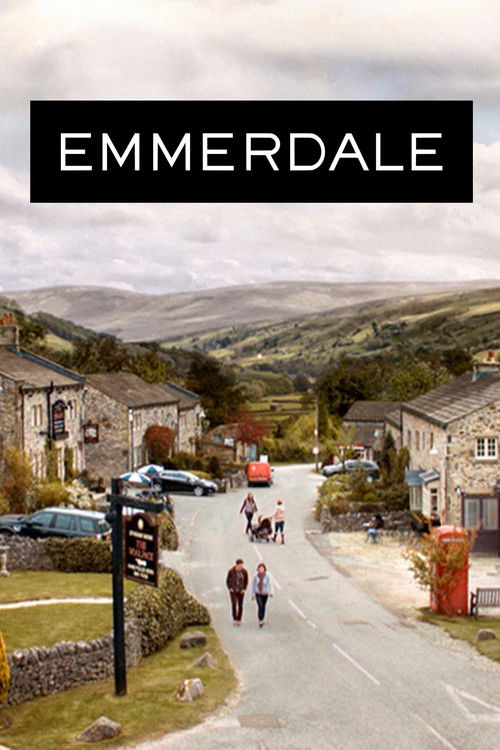
The lives of several families in the Yorkshire Dales revolve around a farm and the nearby village. With murders, affairs, lies, deceit, laughter and tears, it's all there in the village.
Play for Today is a British television anthology drama series, produced by the BBC and transmitted on BBC1 from 1970 to 1984. During the run, more than three hundred programmes, featuring original television plays, and adaptations of stage plays and novels, were transmitted. The individual episodes were between fifty and a hundred minutes in duration.
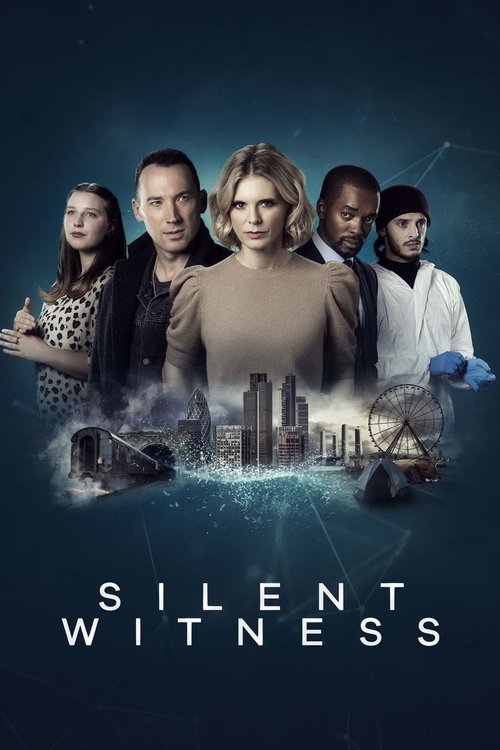
A team of exceptional forensic pathologists and scientists investigate heinous crimes and use their skills to catch the people responsible.
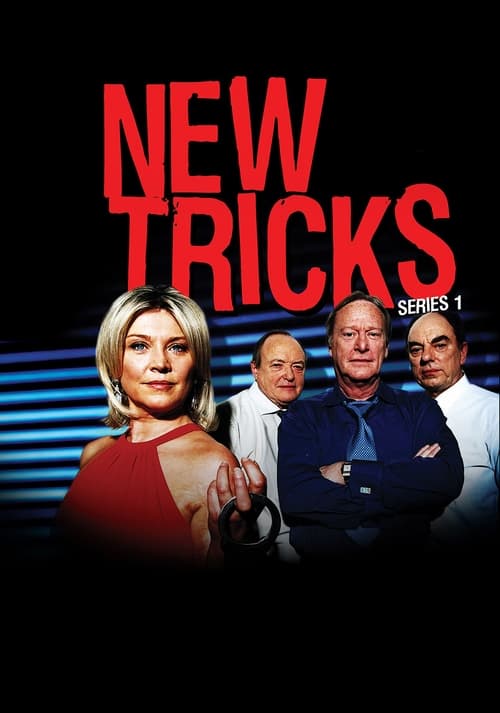
New Tricks is a British comedy-drama that follows the work of the fictional Unsolved Crime and Open Case Squad of the Metropolitan Police Service. Originally led by Detective Superintendent Sandra Pullman, it is made up of retired police officers who have been recruited to reinvestigate unsolved crimes.
Jim Bergerac is a detective sergeant in The Foreigners Office who likes to do things his own way. While dealing with his own personal demons Bergerac has a knack of finding trouble, and sometimes causing it.
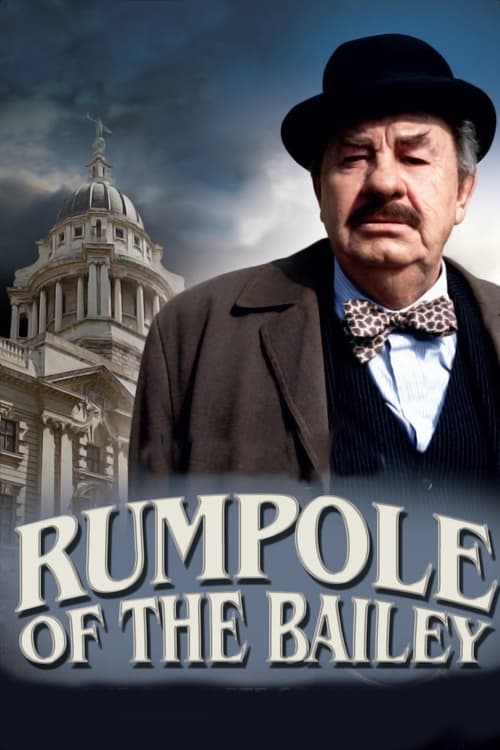
Rumpole of the Bailey is a British television series created and written by the British writer and barrister John Mortimer. It stars Leo McKern as Horace Rumpole, an aging London barrister who defends any and all clients, and has been spun off into a series of short stories, novels, and radio programmes.
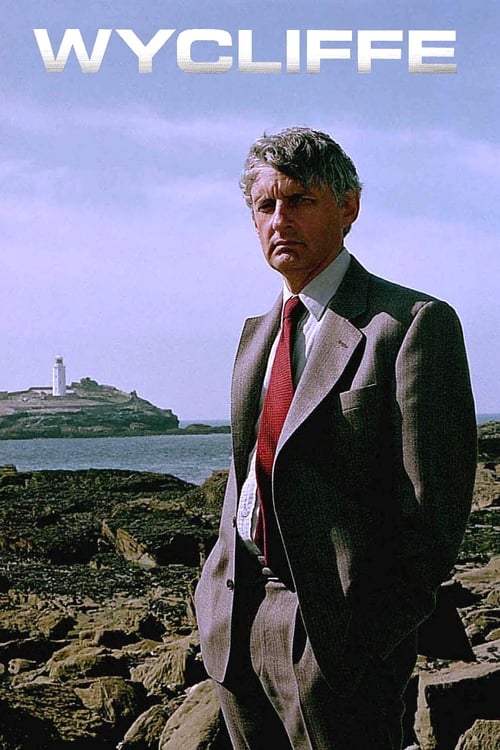
Wycliffe is a British television series, based on W. J. Burley's novels about Detective Superintendent Charles Wycliffe. It was produced by HTV and broadcast on the ITV Network, following a pilot episode on 7 August 1993, between 24 July 1994 and 5 July 1998. The series was filmed in Cornwall, with a production office in Truro. Music for the series was composed by Nigel Hess and was awarded the Royal Television Society award for the best television theme. Wycliffe is played by Jack Shepherd, assisted by DI Doug Kersey and DI Lucy Lane. Each episode deals with a murder investigation. In the early series, the stories are adapted from Burley's books and are in classic whodunit style, often with quirky characters and plot elements. In later seasons, the tone becomes more naturalistic and there is more emphasis on internal politics within the police.
Barlow at Large is a British television programme created by Troy Kennedy Martin and Elwyn Jones. It broadcast from September 1971 to February 1975, with a total of 29 episodes across four series. Stratford Johns reprises his role of DCI Charles Barlow from Z-Cars, Softly, Softly, and Softly, Softly: Taskforce. Barlow at Large originated as a three-part self-contained spin-off from Softly, Softly in 1971 with Barlow co-opted by the home office to investigate police corruption in Wales. Johns departed in 1972, but returned for a further series of Barlow at Large in the following year, Barlow having gone on full-time secondment to the Home Office. In 1974, the series was rebranded Barlow and two further series of eight episodes each followed, introducing DI Tucker. After the finale's transmission in February 1975, Barlow was next seen in the programme Second Verdict in which he, alongside a former colleague, investigates unsolved cases and unsafe historical convictions.
Anthology drama series.
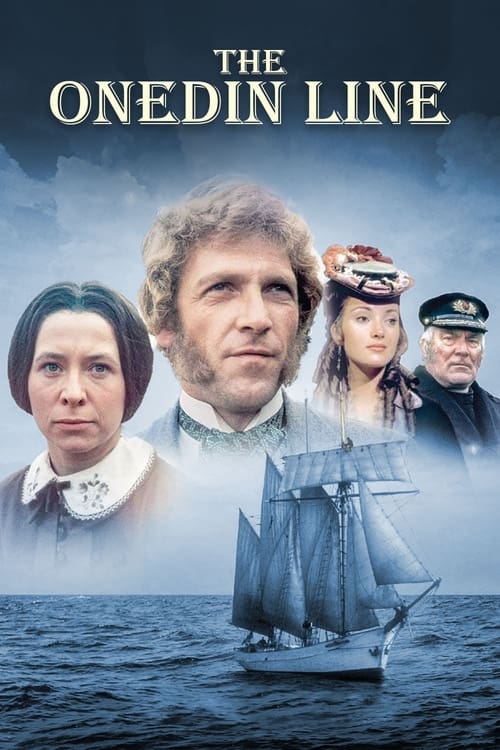
The Onedin Line is a BBC television drama series which ran from 1971 to 1980. The series was created by Cyril Abraham. The series is set in Liverpool from 1860 to 1886 and deals with the rise of a shipping line, the Onedin Line, named after its owner James Onedin. Around this central theme are the lives of his family, most notably his brother and partner, shop owner Robert, and his sister Elizabeth, giving insight into the lifestyle and customs at the time, not only at sea, but also ashore. The series also illustrates some of the changes in business and shipping, such as from wooden to steel ships and from sailing ships to steam ships. It shows the role that ships played in affairs like international politics, uprisings and the slave trade.
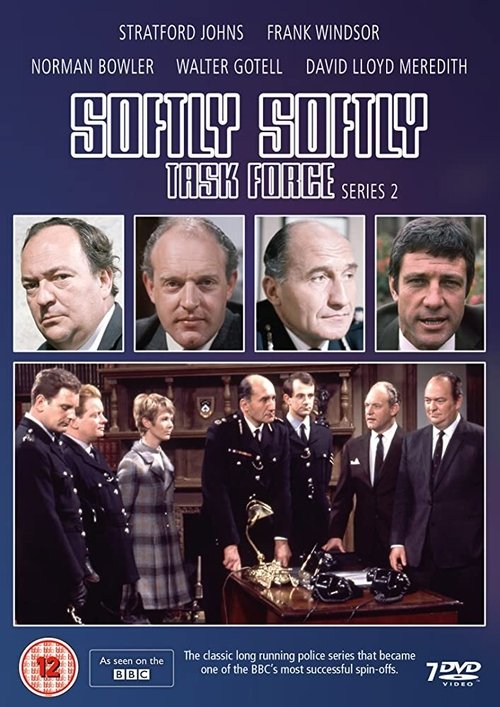
Softly, Softly: Task Force is a police based drama series which ran on BBC 1 from 1969 to 1976. It was a revamp of Softly, Softly, itself a spin-off from Z-Cars. The change was made partly to coincide with the coming of colour broadcasting to the BBC's main channel BBC1. The programme was due to be called simply Task Force, but reluctant to sacrifice a much-loved brand the BBC compromised this so it became Softly, Softly: Task Force.
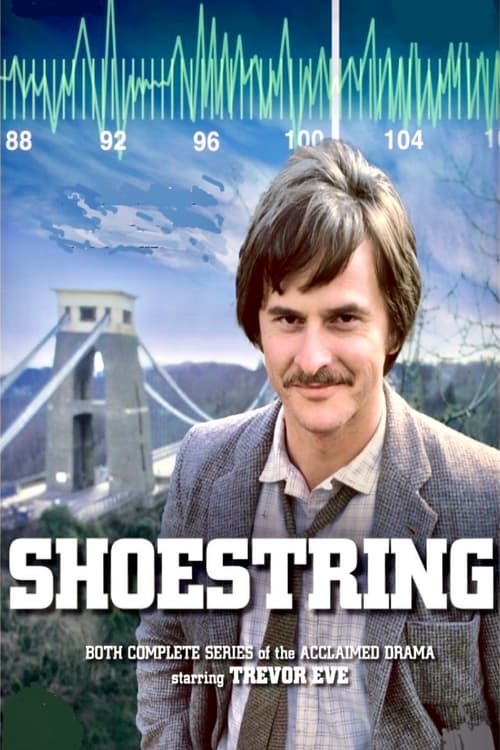
Shoestring is a BBC detective drana set in Bristol and starring Trevor Eve as private detective Eddie Shoestring, who operatee his own show on Radio West, the local radio station. The programme ran between 30 September 1979 and 21 December 1980, in two series with 21 hour-long episodes. Eve opted not to return after two series, as he wanted to diversify into theatre, so the production team changed the setting to Jersey and created Bergerac, also following a detective returning to work after a bad period in his life.
Detective series set in and around Edinburgh, Scotland. Inspector John Rebus, whose methods earn him the wrath of his superiors, does not hesitate to circumvent the law to enforce it.
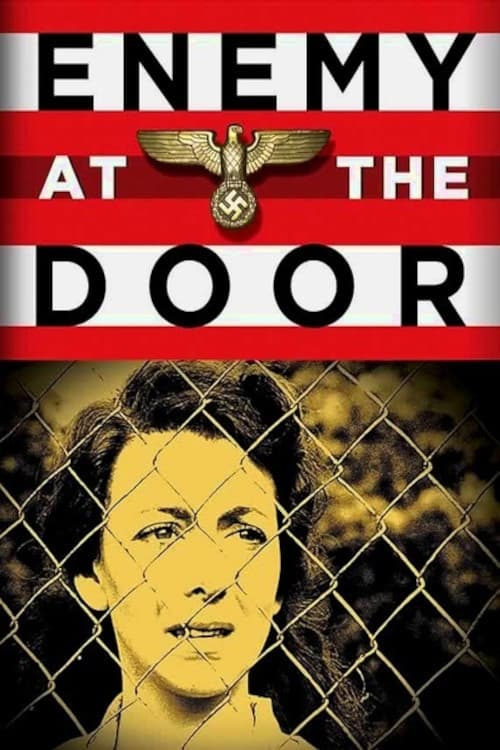
Enemy At The Door is a British television drama series made by London Weekend Television for ITV. The series was shown between 1978 and 1980 and dealt with the German occupation of Guernsey, one of the Channel Islands, during the Second World War. The programme generated a certain amount of criticism in Guernsey, particularly for being obviously filmed on Jersey despite being ostensibly set on Guernsey. The series also marked the TV debut of Anthony Head as a member of the island resistance. The theme music was by Wilfred Josephs.
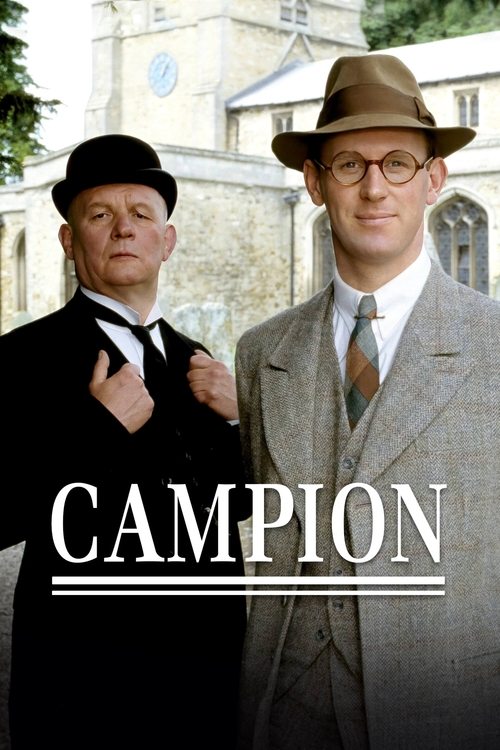
Campion is a television show made by the BBC, adapting the Albert Campion mystery novels written by Margery Allingham. Two series were made, in 1989 and 1990, starring Peter Davison as Campion, Brian Glover as his manservant Magersfontein Lugg and Andrew Burt as his policeman friend Stanislaus Oates. A total of eight novels were adapted, four in each series, each of which was originally broadcast as two separate hour-long episodes. Peter Davison sang the title music for the first series himself; in the second series, it was replaced with an instrumental version.
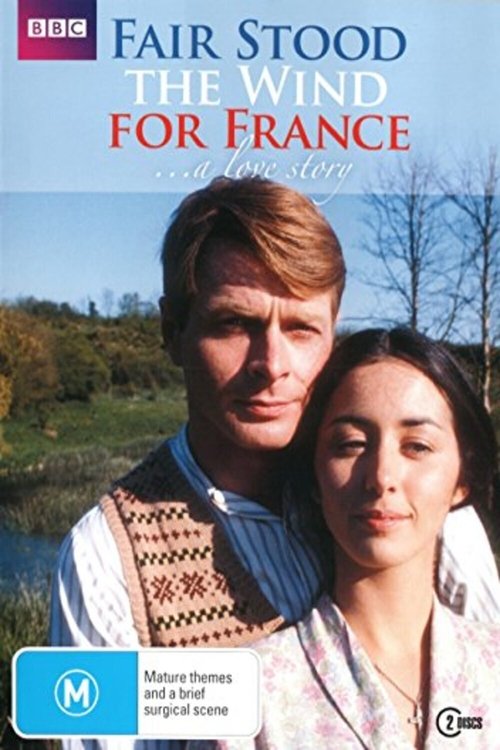
When John Franklin crash-lands his Wellington bomber in occupied France at the height of the Second World War, he is concerned for the safety of his crew and worried about his own badly injured arm. His crew escapes, but the family of a mill owner risk their lives to hide Franklin in their home until he regains his health. During the following balmy summer months, the pilot's situation is further complicated by his feelings for Francoise, the daughter of the house, but as German patrols move in, his only chance of survival is to flee from France.
"Dangerous" Davies always gets the cases no one else wants, and no one notices when he eventually succeeds. But his old-fashioned decency and dogged determination have won him legions of loyal fans.
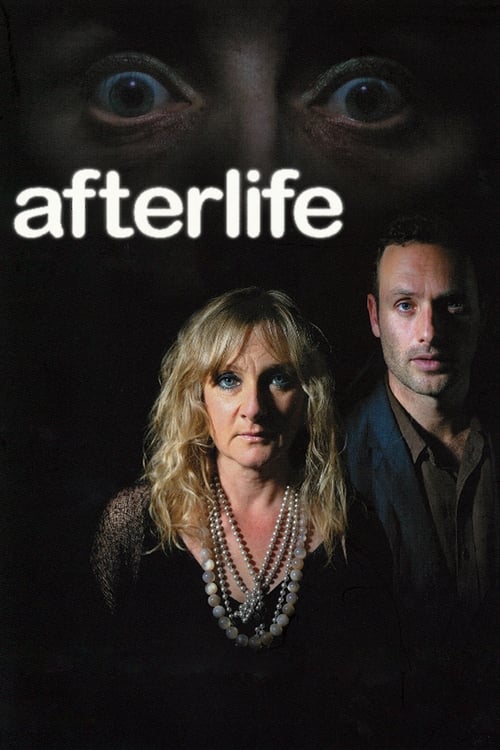
University lecturer Robert Bridge becomes involved in a series of supernatural events surrounding medium Alison Mundy.
Drummonds was a British television drama produced for the ITV by London Weekend Television, ehich ran for two seasons between 1985 and 1987. Set in a mid-1950s boys' boarding school, the series follows the lives of the students and staff, particularly headmaster George Drummond and his wife, Mary.
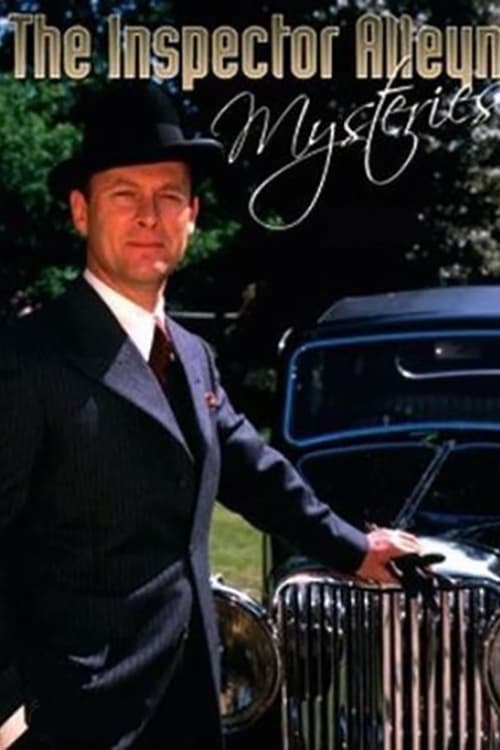
In spring 1948, Alleyn joins a weekend party at Frantock Hall. His deductive powers are tested to the limit as he uncovers the sinister connection between the theft of a priceless chalice and a game of murder that goes horribly wrong. Adapted from the novels by Dame Ngaio Marsh, featuring the character Chief Inspector Roderick Alleyn.