Esther Auger
Acting
Known For
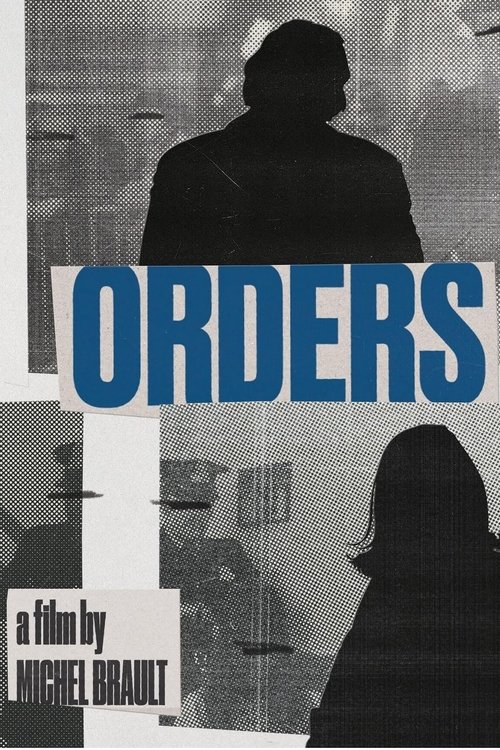
A fact-based account of ordinary citizens who found themselves arrested and imprisoned without charge for weeks during the October Crisis in 1970 Quebec.
Orders

In 1953 the Canadian government relocated Inuit families from Northern Québec to the High Arctic, promising an abundance of game and fish and assuring them they could return home after two years if things didn't work out. They would not see their ancestral lands for 30 years. Abandoned in flimsy tents, the Inuit were left to fend for themselves in the desolate settlements of Resolute Bay and Grise Fiord, where the sea was nearly always frozen and darkness reigned for months on end.
Broken Promises: The High Arctic Relocation
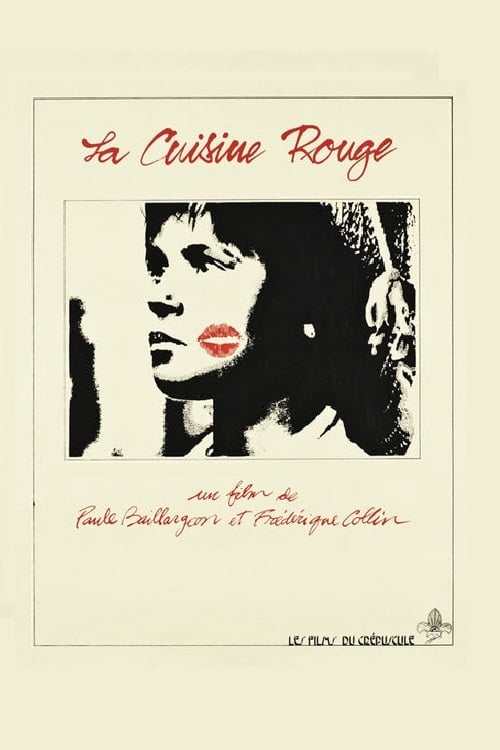
On a wedding day, women are confined to the kitchen to prepare the meal while the men wait to be served. While men talk politics and sports, women talk about their condition. A teenager observes the gap between the sexes. Co-directed by two actresses, Paule Baillargeon and Frederique Collin, The Red Kitchen is the birth of the Quebec women's cinema. The birth of the film was difficult, and funding has been largely achieved through donations from friends and a benefit concert. This war of the sexes takes place in a demanding formal research, based on the improvisation of the actors, whose preparation took place over long sessions in the workshop. The end result mixes black humour, horror and a very expressive fantasy that gave rise to heated debates.
The Red Kitchen
This feature documentary follows three newly arrived people in Canada and their experiences with the Canadian Refugee process. As claims are assessed and paperwork is double checked, we begin to examine exactly who can be considered a refugee.
Asylum

In 1920 a group of young Montreal women artists formed the nucleus of what would later become known as the Beaver Hall Hill Group. Members recount how they created an artistic environment of mutual support that lasted for more than three decades.
By Woman's Hand
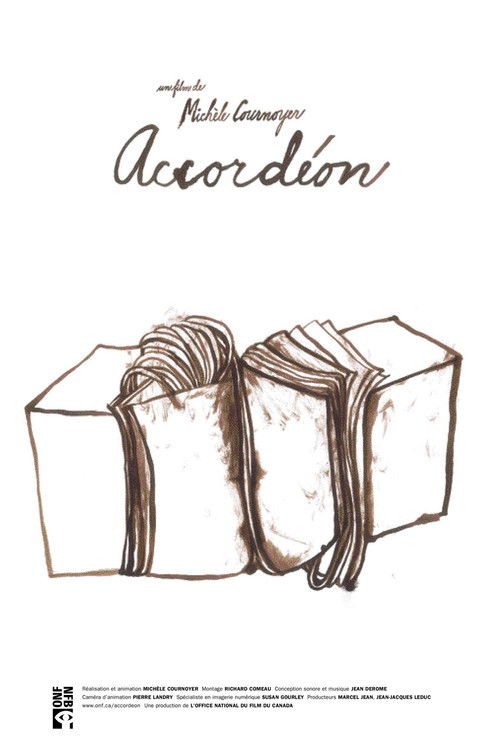
Exploration of the connections between sex, love and technology.
Accordion
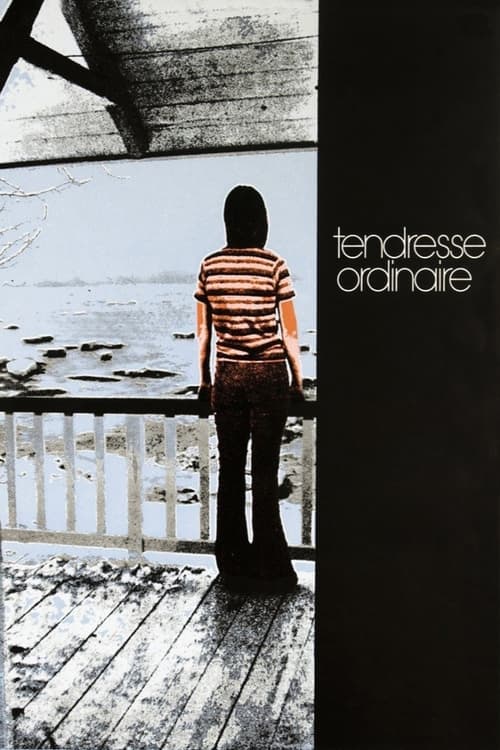
A lonely woman spends the winter isolated and reminiscing about the past as she waits for her husband to return from a prolonged absence.
Ordinary Tenderness

Elvis Gratton is back from Santa Banana. Now it's time to get ready for the holiday season. Our man is very busy. At the mayor's reception, he performs his greatest hits.But then tragedy strikes.Elvis dies.Will it all end on such a sad note?
Pas encore Elvis Gratton !
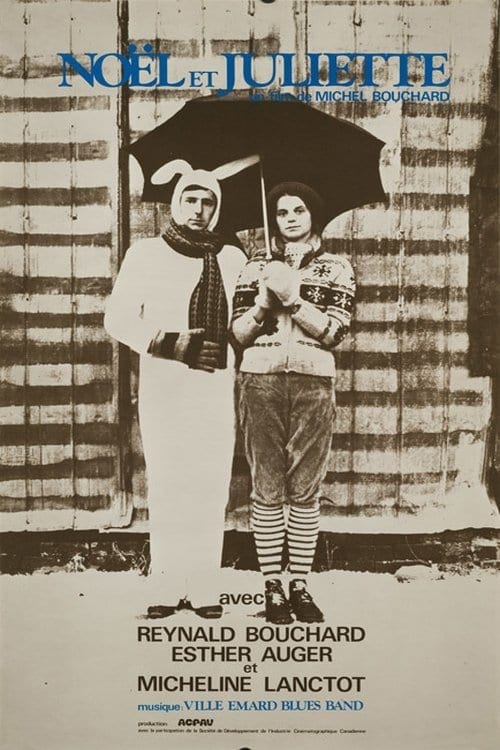
No description available.
Noël et Juliette
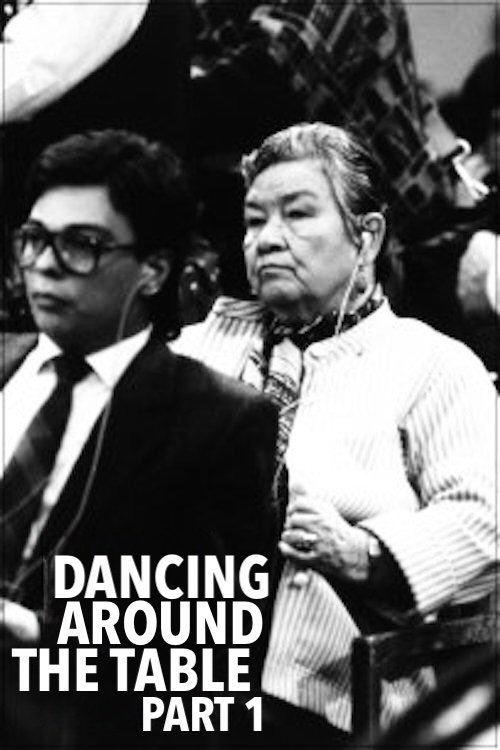
Dancing Around the Table: Part One provides a fascinating look at the crucial role Indigenous people played in shaping the Canadian Constitution. The 1984 Federal Provincial Conference of First Ministers on Aboriginal Constitutional Matters was a tumultuous and antagonistic process that pitted Prime Minister Pierre Elliot Trudeau and the First Ministers—who refused to include Indigenous inherent rights to self-government in the Constitution—against First Nations, Inuit and Métis leaders, who would not back down from this historic opportunity to enshrine Indigenous rights. The conference was Pierre Elliott Trudeau’s last constitutional meeting before he resigned and the process was handed over to his successor, Brian Mulroney.
Dancing Around the Table, Part One
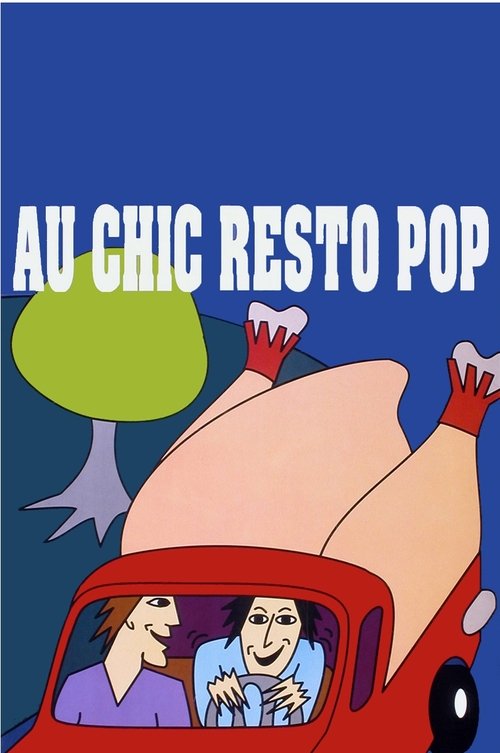
In a poor eastern quarter of Montreal, a restaurant is dedicated for the poors only: le Chic Resto Pop. It used the surplus of some merchants to offer cheap meals. The young people who work there for free get a lot of satisfaction in their work in spite of the difficulties. The movie is build around six songs written by them.
Au chic Resto Pop

Produced in 1988, this feature documentary presents a living history of Quebec's last 40 years as seen through the eyes of one couple. Pauline Julien and Gérald Godin, two Quebec artists, share their perspectives on the events that have marked Quebec's evolution. Julien, a singer, and Godin, a poet, express their love and passion for the province (and each other) while providing a unique take on the Quebec nationalist movement.
A Song for Quebec

No description available.
Québec fête juin '75

In this feature-length documentary, six teenage girls, aged 14 to 16, agree to open up and have their private worlds invaded by the camera. They have to face problems that they intend to take on "to the end": early experience of sexuality, belonging to a gang, relationships with parents, social tolerance, friendship... They live tender and pure lives in their own way.
Les filles c’est pas pareil
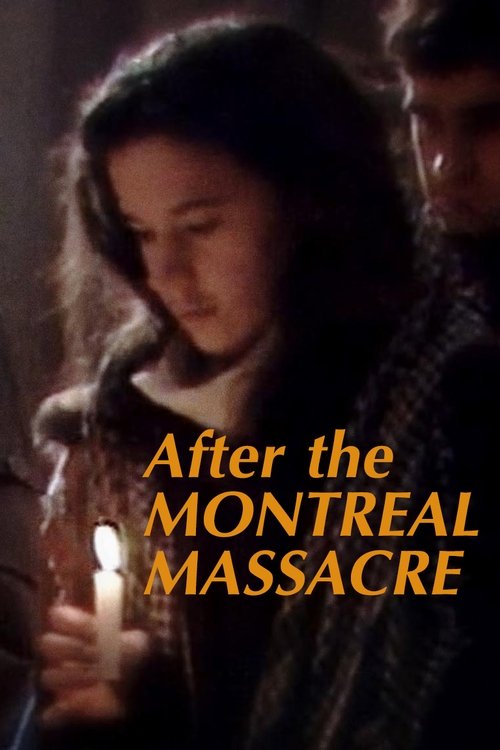
December 6, 1989. Sylvie Gagnon was attending her last day of classes at the University of Montreal's École Polytechnique, when Marc Lépine entered the building. Separating the women from the men, he opened fire on the women students, yelling 'You're all a bunch of feminists.' Sylvie survived, while fourteen other women were murdered. This video makes the connection between the massacre and male violence against women, setting the stage for an exploration of misogyny and sexism.
After the Montreal Massacre

The reality of life before, during, and after the signing of the North American Free Trade Agreement (NAFTA), and the profound effects the economic agreements between big business and government can have on human lives. Filmed over a three year period in Canada, the United States, and Mexico, this documentary poses a sobering question: In this global war of cut-rate economies, are people on the losing side?
The Emperor's New Clothes

This feature documentary follows a number of women with disabilities as they affirm their right to seek, develop and sustain intimate relationships with the partners of their choice. In this moving one-hour film, four disabled women from across Canada share their personal experiences, with particular emphasis on sexuality, self-esteem, stereotyping, and parenting.
Toward Intimacy
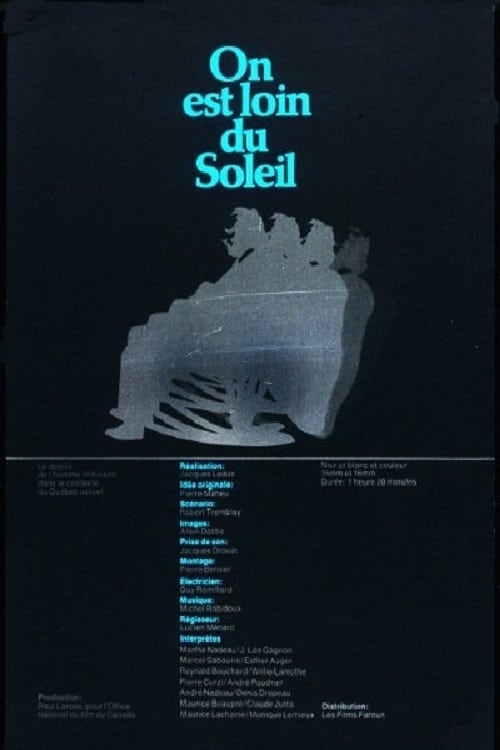
The six members of the working-class Bessette family each mimic a certain stage of the life of the iconic Brother André and are an incarnation of his values and characteristics.
Far from the Sun

Alanis Obomsawin, a North American Indian who earns her living by singing and making films, is the mother of an adopted child. She talks about her life, her people, and her responsibilities as a single parent. Her observations shake some of our cultural assumptions.
Our Dear Sisters
After spending the first 16 years of her life with her Canadian mother, Reema re-connects with her Iraqi father by spending 2 months with him in Jordan. On returning home to Nova Scotia, she realizes she will always have a double identity, and that it is both a burden and a treasure.