
Marcelo Martinessi
Writing
Biography
Marcelo Martinessi is a Paraguayan director and screenwriter, born in 1973 in Asunción, Paraguay. A communications student at the Catholic University of Asunción, Marcelo spent time in New York, London, and Madrid, where he studied film and production at various institutions. From his short films, Karai Norte (2009), Calle Última (2010), and El Baldío (2012), the director has imbued his stories with social and identity themes. His shorts, which have received support from National Geographic, have been successfully presented at several festivals around the world. He made his feature film debut with the acclaimed film Las Herederas (2018), which has won awards at prestigious festivals such as Berlin, Cartagena, Montreal, and San Sebastián, among others.
Known For
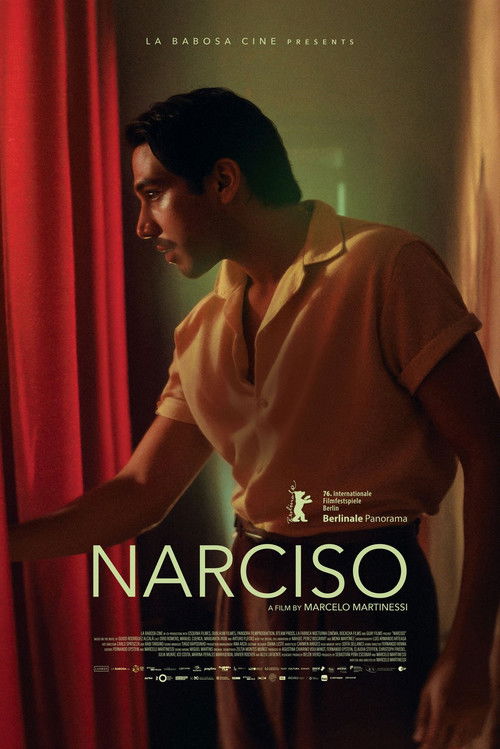
Paraguay, 1958. The charismatic Narciso returns from Buenos Aires with rock ’n’ roll in his veins. Under the suffocating military regime, his radio show becomes a music sensation and a symbol of freedom.
Narciso
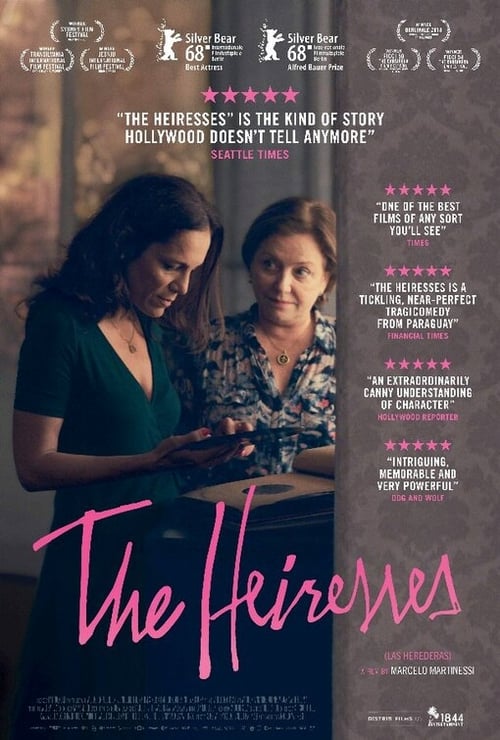
After her girlfriend is imprisoned on fraud charges, Chela is forced to face a new reality. Driving for the first time in years, she begins to provide a local taxi service to a group of elderly wealthy ladies. As Chela settles into her new life, she encounters the much younger Angy, forging a fresh and invigorating new connection.
The Heiresses
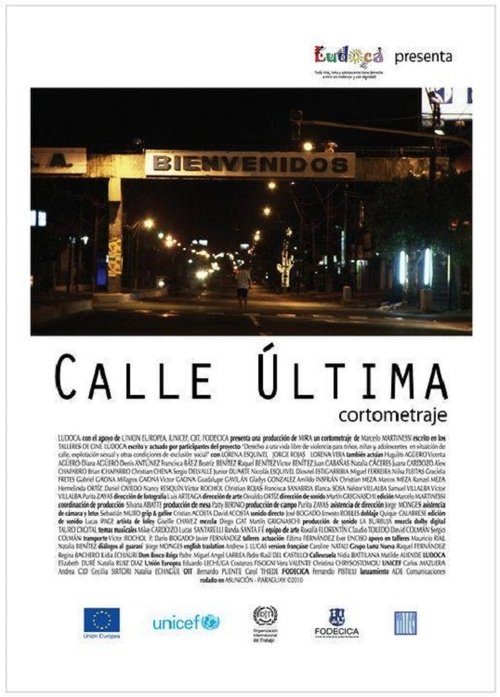
Miriam is thirteen years of age. Today could be her last day at school. This film follows her day - with all its ups and downs - and describes her efforts to find acceptance.
Ultima Street

The vast Gran Chaco natural region in Paraguay is under serious threat from large-scale deforestation and wildfires. Filmmaker Sebastian Peña Escobar travels with the German entomologist Ulf Drechsel and the Paraguayan ornithologist Jota Escobar to this vulnerable, flammable area, which looks like an apocalyptic landscape with red dirt roads and dry thorny trees.
The Last Ones

No description available.
El Baldío
Follows the journey of Spanish Jesuit and anthropologist Bartomeu Melià on his visit to a Mbya Guaraní indigenous community, which he first encountered 47 years ago and where he lived before his exile from Paraguay.
Diario Guaraní
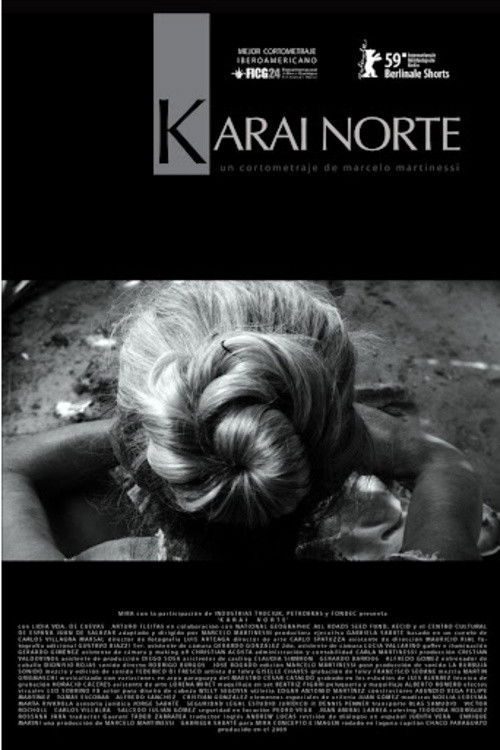
The revolution is over, but outlaws in the arid Chaco still harass the poor. An old woman reluctantly welcomes a lone gaucho.
Man of the North
Based on an original interview about the Curuguaty massacre, The Lost Voice interrogates Paraguay's recent history.
The lost voice

Many Paraguayan women migrate from their villages to the city to earn money to support their families. As domestic workers, they become part of a system of exploitation accepted by society and legitimized by Paraguayan law. This is the story of one of them and everything she leaves behind when she goes.
Partida
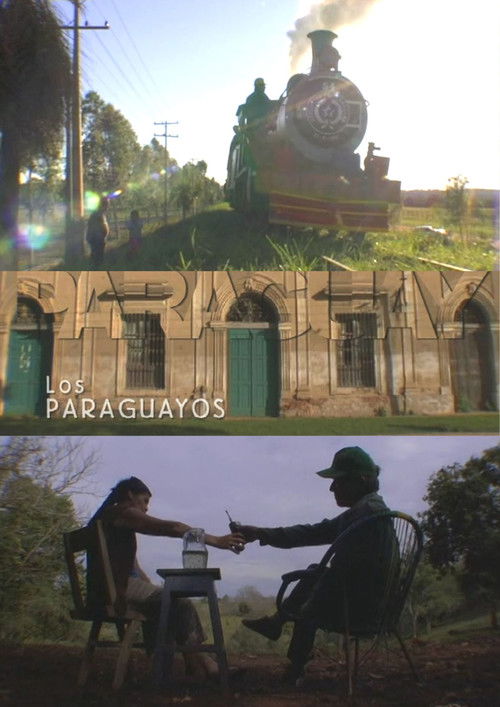
From the origin of the Guarani nation to contemporary Paraguay: historians, anthropologists, writers and artists try to unravel the knots of a reality full of contrasts.
Los Paraguayos
An approach to the land problem in Paraguay from the War of the Triple Alliance to the present day.
La tierra en Paraguay
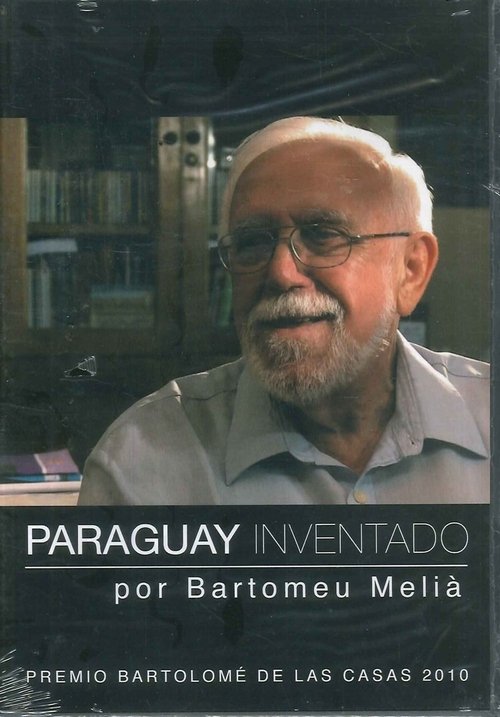
A series of talks with leading figures in the country's cultural life, where the Jesuit priest, writer, researcher and linguist Bartomeu Meliá recounts his arrival in Paraguay in 1954 and his long history of life, exile and intellectual production always linked to his adopted homeland, Paraguay.