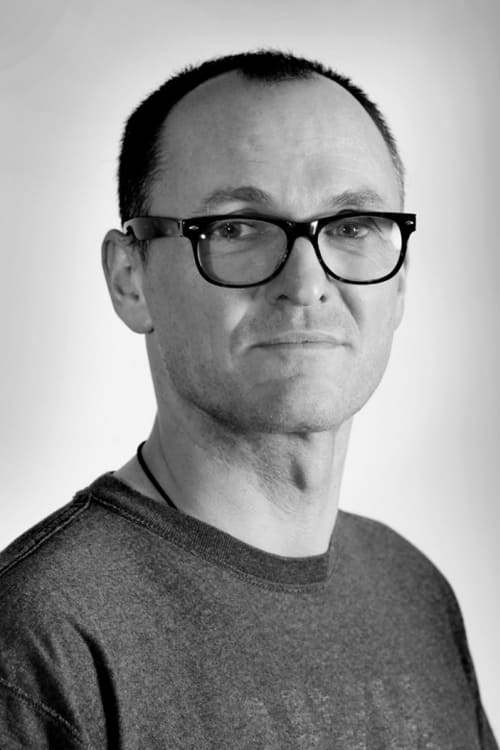
Róbert Kirchhoff
Directing
Known For
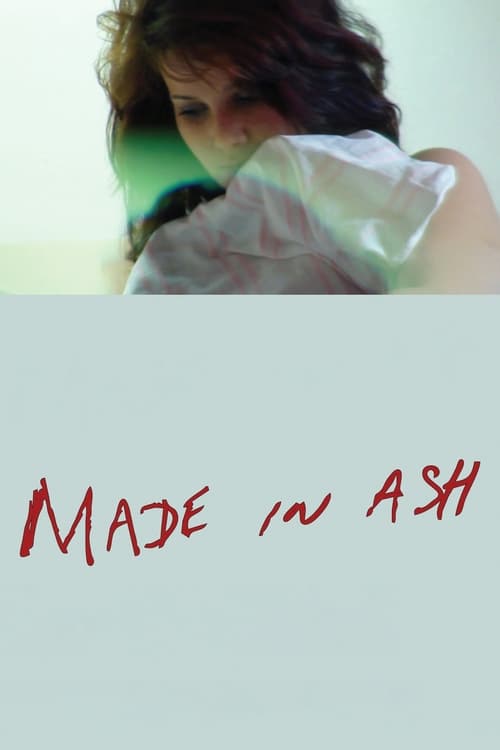
A grittily realistic tale of prostitution at an Eastern European border town
Made in Ash
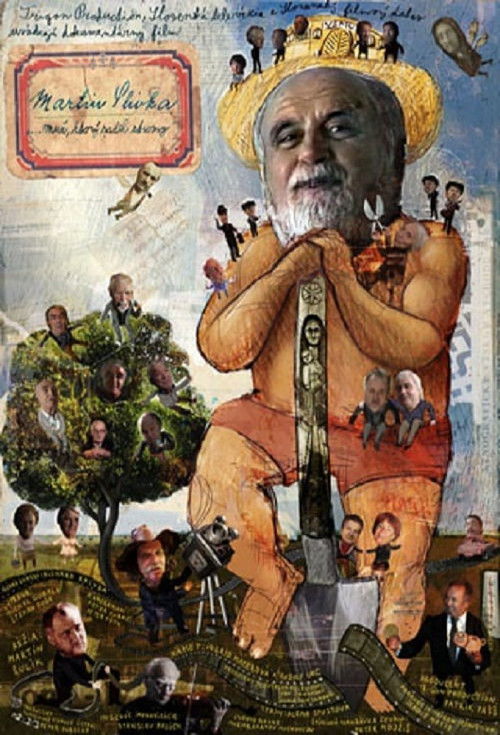
A tribute to Martin Slivka, one of the most important personalities of Slovak cinematography and culture. He was the creator of Slovak documentary ethnographic film, director, screenwriter, dramaturgist, film theoretician, pedagogue, author and ethnograph, but mainly – exceptional person. This documentary is not only a remembrance of maestro Slivka through words of his close friends and colleagues, but also an attempt to slightly uncover the secret of his rich life and work.
Martin Slivka: The Man Who Planted Trees
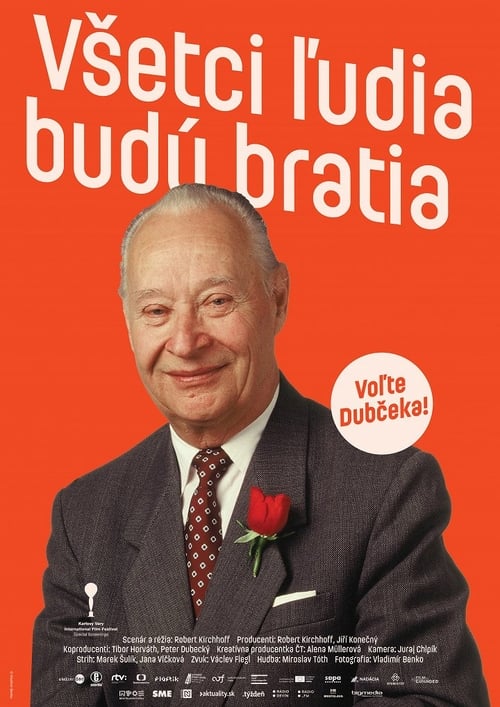
A film about the phenomenon of Alexander Dubček, a Czechoslovak politician, one of the most prominent personalities of the Prague Spring of 1968, author of the concept of “socialism with a human face”.
All Men Become Brothers
Slovak director Marek Kuboš has not shot a film in 13 years. His first film ever – a student exercise at film school – was a self-portrait. The circle is closed, the source of creativity has seemingly dried up. All that is left to do in the last self-portrait is to clean up after oneself, to recapitulate one’s successes and failures, and to bid farewell to one’s protagonists. This introspective meta-documentary is not so much a study of a creative crisis as it is a self-therapeutic process and an attempt at offering a comprehensive profile of the filmmaker at a time of unstable certainties. Appearing in the role of Kuboš’s consultants are essentially all leading Slovak documentary filmmakers.
The Last Self-portrait
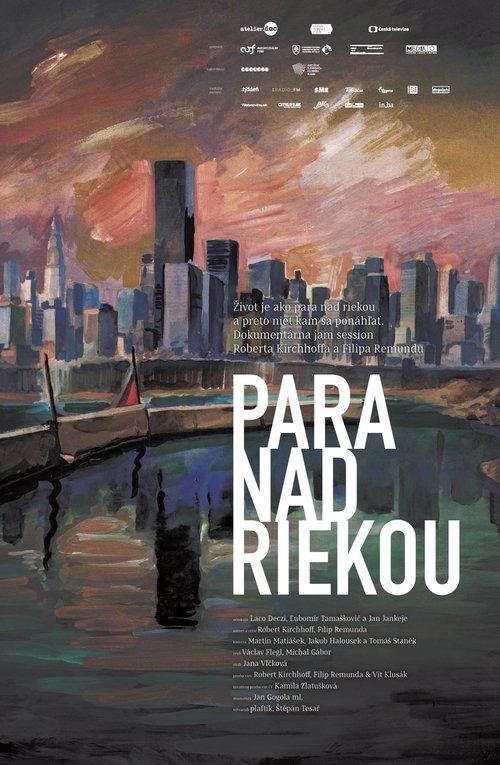
Like the steam that silently appears and then disappears over a flowing river, the life of every human is just as fleeting, and this particularly applies in the case of artists. The transience of their fame is the main topic of this documentary, which provides a glimpse into the lives of three ageing jazzmen: trumpeter Laco Deczi, saxophonist Ľubomír Tamaškovič, and contrabass player Ján Jankeje, who fled from the Soviet-occupied Czechoslovakia to the West, where their stars shone alongside those of the world’s famous musicians.
Steam on the River
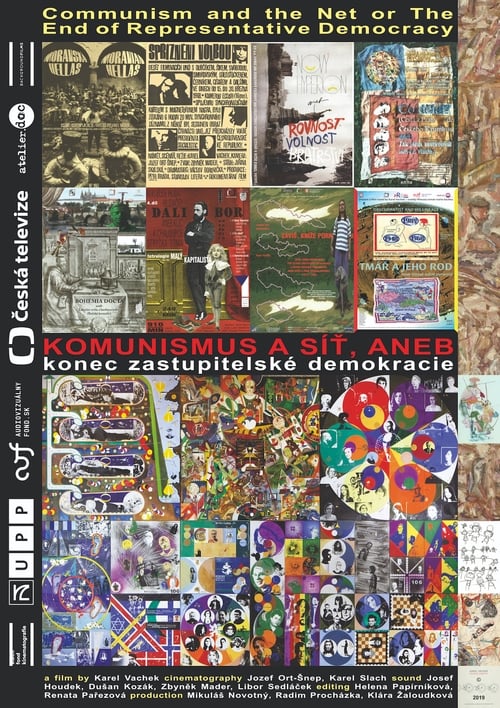
The six-hour essay in four parts examines the history of regimes and revolutions, leaders and martyrs, from a philosophical perspective. The collage of personal memories, staged scenes and archives of collective memory compares the Prague Spring to the Velvet Revolution and shows the exposure, conflict, crisis, and catharsis of the post-communist society.
Communism and the Net, or the End of Representative Democracy
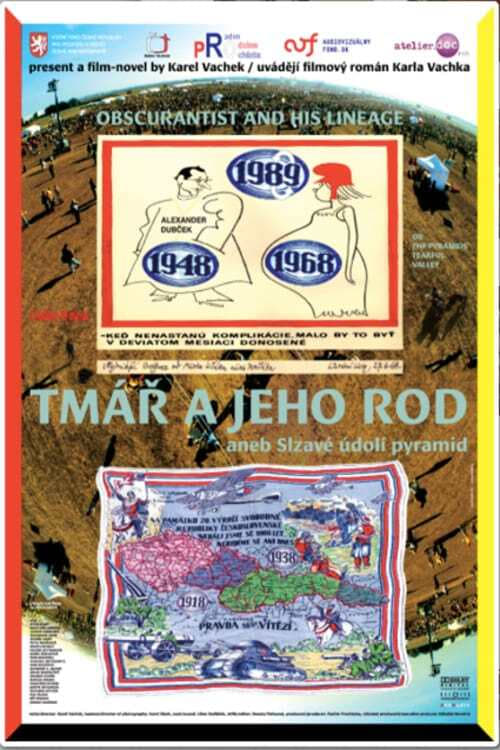
Karel Vachek’s latest documentary essay deals with the fine line between an internal belief in God and institutionalized religion. At the same time it brings up the need for a healthy sense of skepticism and the benefit of not believing in anything that advertises itself as certain. The filmmaker sets out for the USA, Japan, Great Britain, Poland, and the Balkans in his sometimes amusing investigation of spiritual substitutes, such as esoteric "teachings” or various fraudulent and magical practices, to which we sometimes fall prey due to our natural religious cravings. In addition to a Czech "prefab” family, who describe the carryings-on of their poltergeist, well-known mystery buffs appear in the film: Erich von Däniken, Raymond Moody Jr., and Ivan Mackerl.
Obscurantist and His Lineage or The Pyramids' Tearful Valley
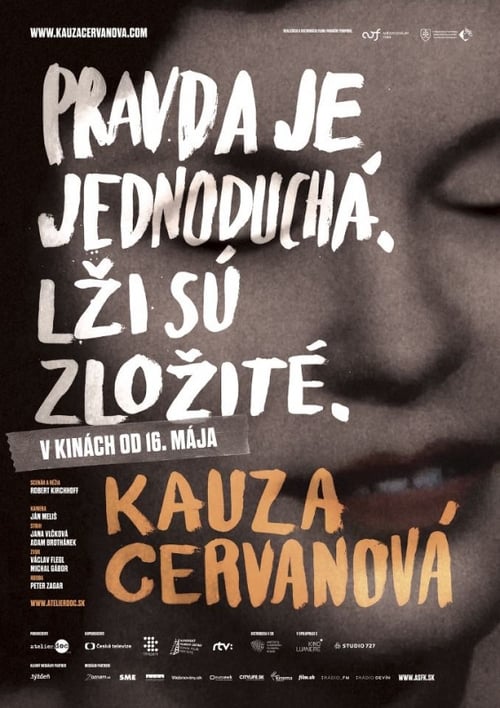
The film is a Slovak version of The Thin Blue Line, recounting the unsolved disappearance and murder of a young woman that happened thirty years ago. It was a case that was paraded in the communist media at the end of which seven individuals were found guilty of this heinous crime. They are the same individuals who at present proclaim their innocence.
Normalization
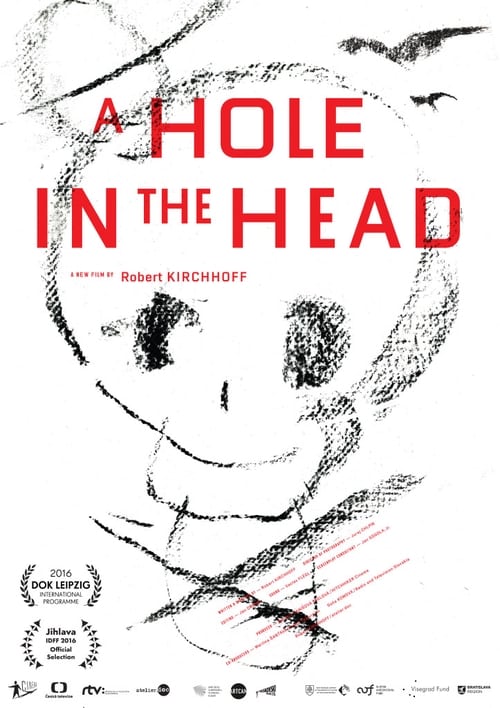
A pig farm in Lety, South Bohemia would make an ideal monument to collaboration and indifference, says writer and journalist Markus Pape. Most of those appearing in this documentary filmed in Slovakia, the Czech Republic, Poland, France, Germany and Croatia have personal experience of the indifference to the genocide of the Roma. Many of them experienced the Holocaust as children, and their distorted memories have earned them distrust and ridicule. Continuing racism and anti-Roma sentiment is illustrated among other matters by how contemporary society looks after the locations where the murders occurred. However, this documentary film essay focuses mainly on the survivors, who share with viewers their indelible traumas, their "hole in the head".
A Hole In The Head

A time-lapse documentary about Zuzana Čaputová's tenure as President follows her political work, personal dilemmas and the difficult challenges facing Slovak society.