Art
No description available.
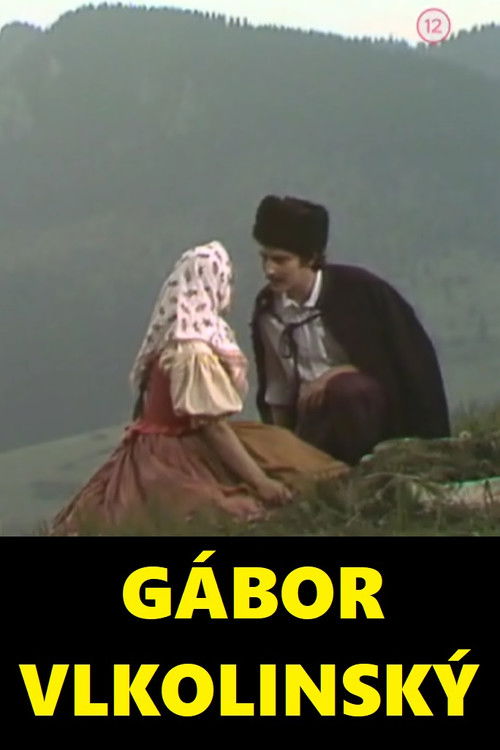
The TV dramatization of PO Hviezdoslav's epic tells of a time when the feudal system as a social force begins to disappear. Its only salvation is to merge with the people. Ežo is a supporter of this idea.
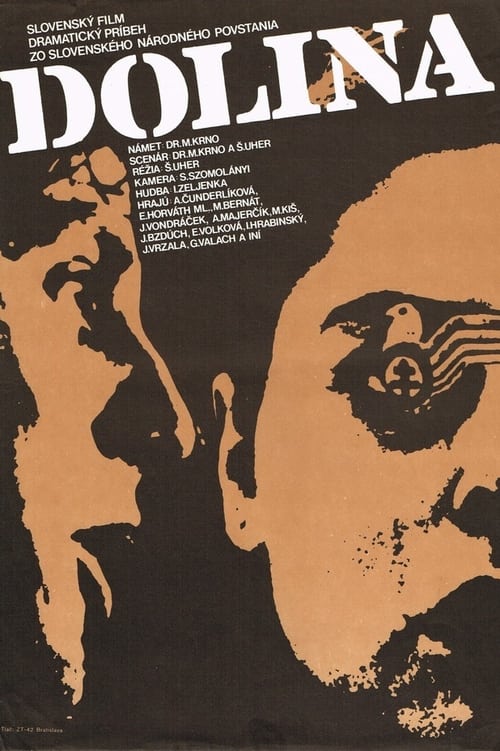
A dramatic story of the emotional, moral and political maturation of two young people during the Slovak National Uprising.
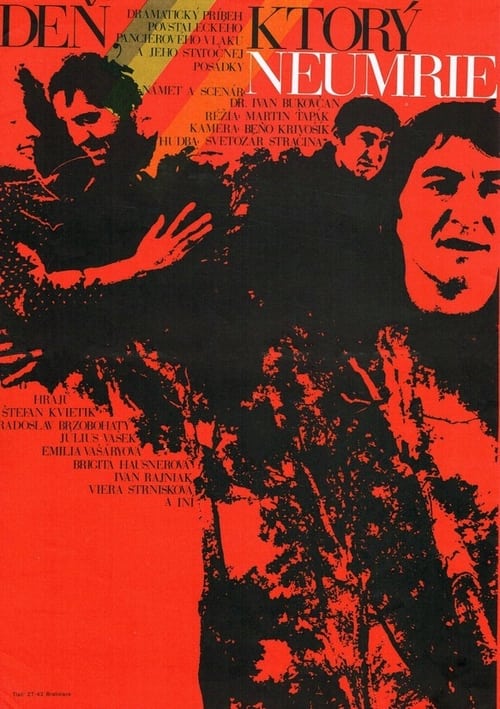
In the story of a partisan armored train crew operating in the rebel territory of Slovakia, the inner drama of Matúš Siroň, who hates war with a passion, unfolds. After managing to escape from the Eastern Front, he falls into German captivity. When he is liberated by partisans during a train transport, he initially refuses to fight. However, the circumstances of the Slovak National Uprising force him to change his mind...
In Gack's house, someone is constantly robbing him of bread and pastries. The main suspect, according to Lopušný, is his companion Belák. The farce ends with Gacek being punished, Lopušný and Belák being compensated and reconciled with the rich thief. The main storyline of the farce Pytač consists of the fourfold transformation of the landowner Dobši, his wife Pľuta and his daughter Matilda, who is about to be married off.
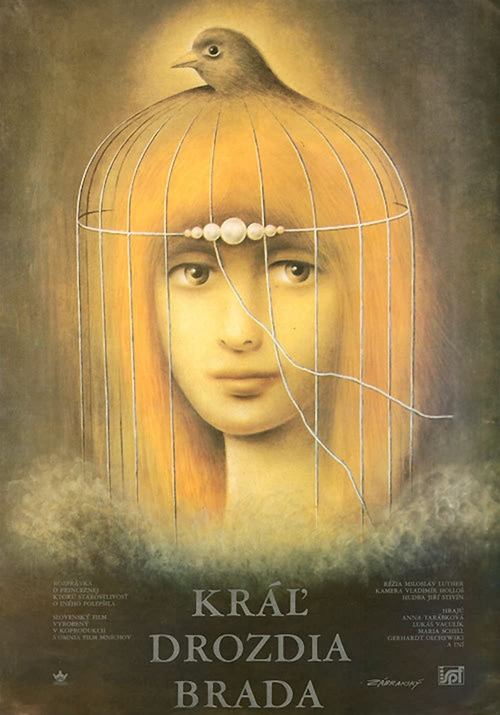
When a selfless king learns of a beautiful princess in a neighboring kingdom who callously turns down every suitor with an insult, he tries his luck to no avail. So, he hatches a plot with her father in which the princess is married to him, in disguise as a beggar, so he can teach her lessons about humility and compassion.
A fairy-tale about an old lady who takes care of snow and Jakub who does not fear death. It reflects the idea of people's longing for happiness, love and understanding, their effort to overcome troubles and win over death. It criticizes greed and evil desires.
A funny adventures of a group of boys during summer vacation.
The film presents a parade of customs, music, songs and dances of the Slovak people in four seasons, based on a theatre play by I. Teren and K.L. Zachar from the first years after the liberation.
The television dramatization of Pavel Országh Hviezdoslav's epic addresses the issue of the relations between nobles and squires towards the common people and presents the squires with a single alternative - either side with the people or perish.
An alcoholic tries to rob an intellectual and suddenly recognises him as his childhood friend. They recall their childhood mischief and their glorious time, which was at the beginning of the First World War, which was at first somewhere far away, but its threatening echo was coming closer every day. In their childhood they dreamed of reaching the very edge of the world, which they thought was in Istanbul. The alcoholic takes the professor to a restaurant, and there their dreams come true. The intellectual got to Istanbul (the name of the restaurant), and the alkie was able to get drunk with his mate's money.
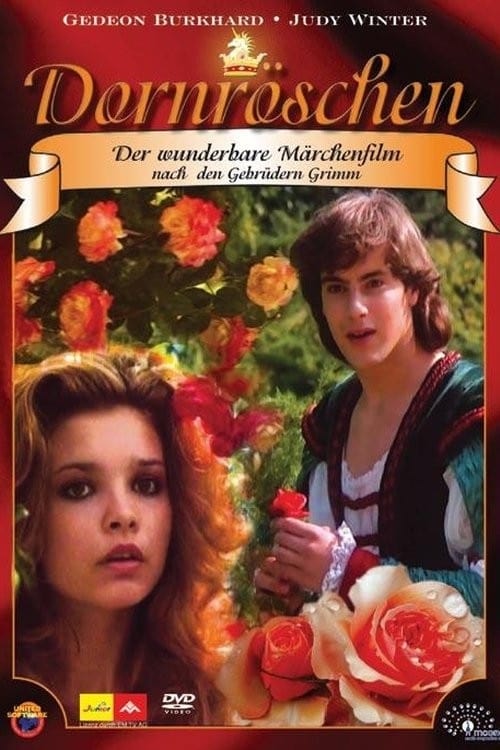
A beautiful princess born in a faraway kingdom is destined by a terrible curse to prick her finger on the spindle of a spinning wheel and fall into a deep sleep that can only be awakened by true love's first kiss.