Camera
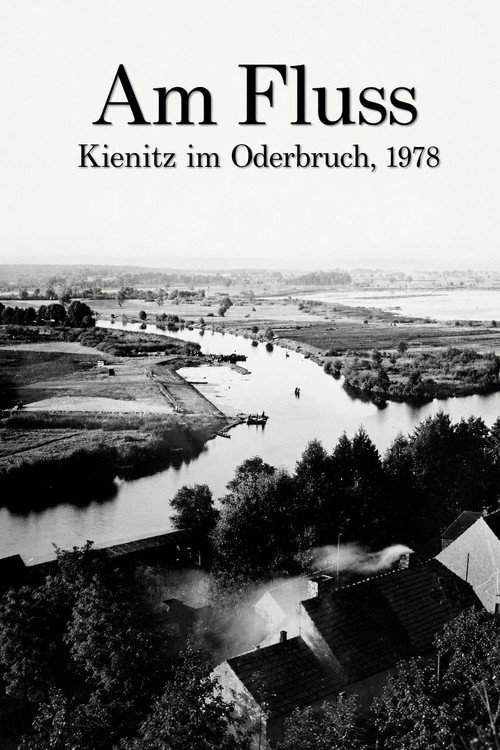
A documentary about the village Kienitz at the river Oder, about the people, their life, their history.
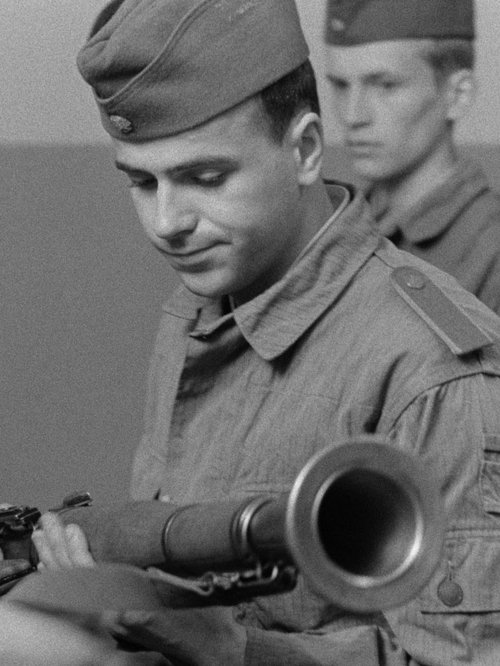
Young East German men starting their compulsary 18-month military service at a Rostock garrison.
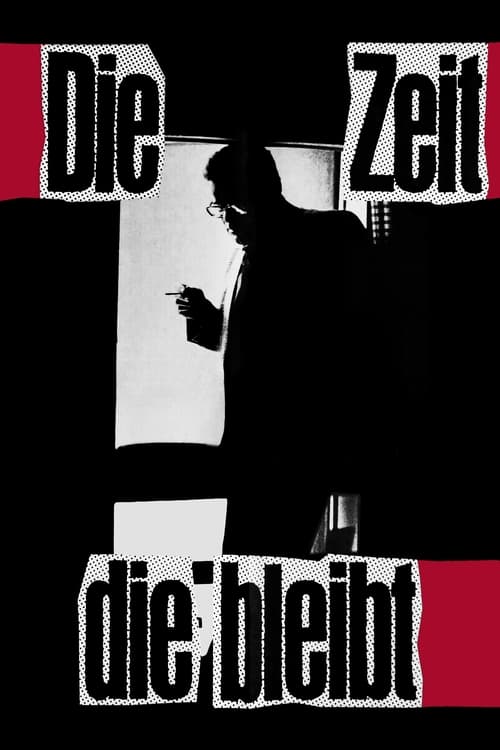
A documentary about German director Konrad Wolf (1925–1982).
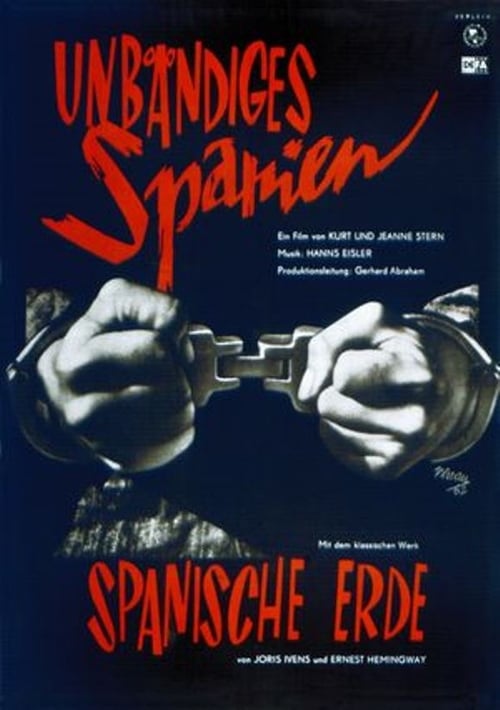
Documentary film about the Spanish Civil War.
A DEFA documentary celebrating the 10th World Festival of Youth and Students, held in East Berlin in the summer of 1973. Blending reportage with staged elements, it presents the festival as a showcase of international solidarity, culture, and socialist ideals.
Documentary with beautiful black-and-white CinemaScope shots, which combined impressive scenes from a trip to the Ukraine with historical reminiscences. The censors criticized the "too narrow and too intimate view" of the Soviet Union; they didn't like the fact that bells were ringing, that a chauffeur from the film crew or an elderly peasant couple recalled the horrors of war or that Nikolai Gogol and Yevgeny Yevtushenko were quoted - that was considered backward-looking. Without the knowledge of the filmmakers Karlheinz Mund and Christian Lehmann, the film was shortened and mutilated; the seventeen minutes that were allowed for a public screening are only the torso of a large draft.
Documentary about three painters painting cities.
Documentary about the sisters Lene and Berta who live in a village in Thuringia.
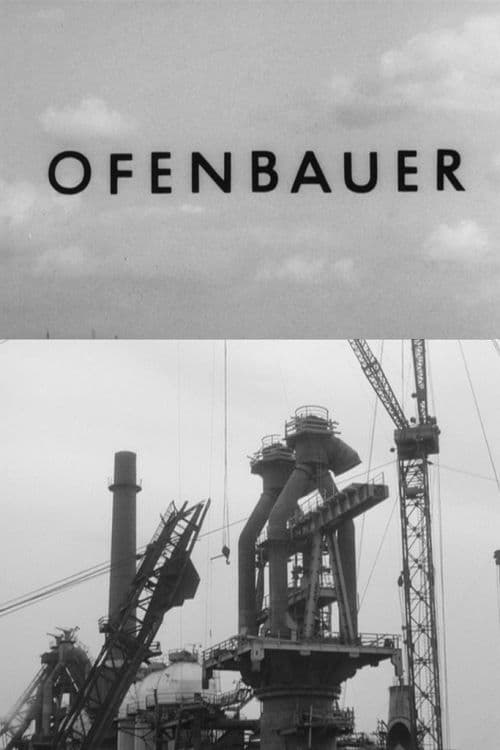
At the EisenhĂĽttenkombinat Ost an der Oder, a new blast furnace is being moved to replace a burnt-out one. 2000 tons have to be moved 18 meters: Three times we hear it in the commentary. Master Klaus is now in command. His orders are to be obeyed at all costs. Men at work: tense faces, examining hands, the sound of screeching winds and steel cables stretched to breaking point. Everything is going well, and it is a new best performance: The downtime of the plant has been reduced from 80 to 40 days, the commentary says.
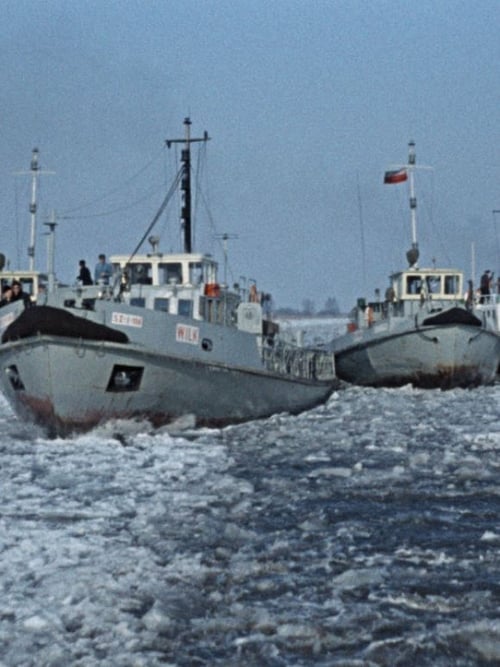
Documentary reports on the annual icing of the Oder in the 160-kilometer border area between the GDR and the People's Republic of Poland. Icebreakers from both countries with experienced skippers join forces to make the international waterway between Frankfurt and Szczecin navigable again. Everyone works hard as a team and even a broken-down ship cannot stop them from achieving their goal. A look back at the winter of 1947 with its flooding shows what the freezing of the river and the subsequent thaw can do if the ice floes are not drained into the Baltic Sea via Lake Dammsch in good time. The skippers from both countries have known each other for years and trust each other; the camaraderie that has developed on the Oder unites the people, they control the river in winter for the common benefit of all.
This color documentary tells the story of the "Mamais." In 1960, a group of workers at the Bitterfeld chemical plant set themselves the task of becoming the first "socialist brigade" in the German Democratic Republic (GDR) to act in accordance with the slogan "Work, learn, and live socialist."
A film about Jewish cemeteries in East Berlin, based on a screenplay by Günter Kunert, with text by Rabbi Martin Riesenburger. There are shots of gravestones and inscriptions – deported, murdered, perished; in Auschwitz or Theresienstadt. Commentary reminds us of the victims – "in 1933, 160,564 Jewish citizens lived in Berlin; in 1945, 3,500".
No description available.
The film’s subtitle identifies it as a “study of the constructive discontent of a composer”. It is a portrait of the pugnacious musician Paul Dessau (1894 – 1979), who was controversial in East Germany, as a teacher. It follows the composer as he rehearses the “Bach Variations” with the Berlin state opera orchestra, as well during classes at the Polytechnic School I in Zeuthen, where he strives to teach the students a critical attitude. In an interview, Dessau bemoans the simplification of artistic media and elucidates the meaning and necessity of “hard sounds in an era that is not soft”. As we see when he works, “pleasure requires effort” … “art is never comfortable. Building socialism is not comfortable at all. That’s why I’m in favour of the uncomfortable”.
Four men from different professions, all around 50 years old (including a pastor and a stage designer), are interviewed about their childhood in fascist Germany. In individual conversations, they recall childhood experiences and reflect on them from today's perspective.
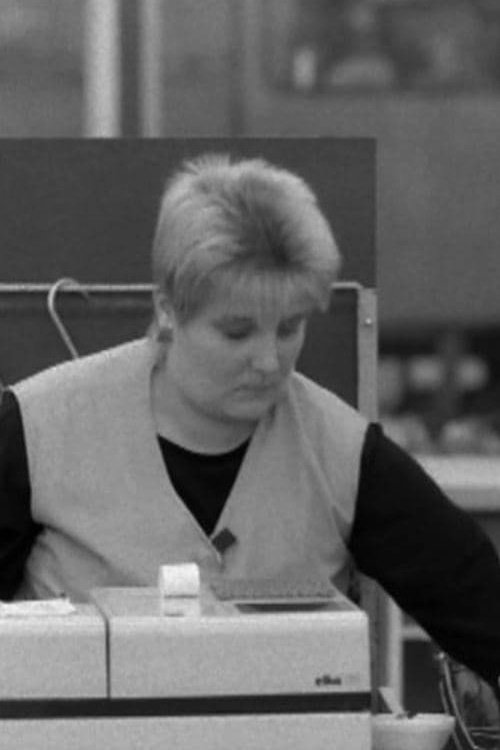
Sketches from a store cashier's everyday life.
The documentary shows historical film footage from the workers' and farmers' faculties (ABF) of the GDR, which existed until 1962 and were intended to help level out class differences in the education sector by preparing mainly workers' and farmers' children for a university career.
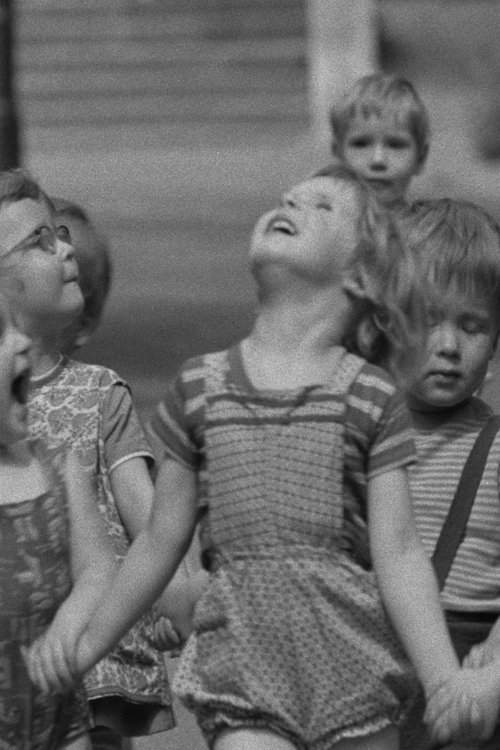
Impressions of a playground in Berlin. It is also the playing field of the elderly chess and card players - counterpoint to the argument of isolation and emptiness in old age.
After a few years of separation, a young Russian girl, Olga, comes to New York to reunite with her boyfriend, Sasha, who defected from his ballroom dance team at the International competition.
Tracing biographical lines, Volker Koepp steps into his oeuvre, rich in encounters. Returning to Lithuania, Moldova and Chernivtsi, he looks back and brings things up to date, as the war against Ukraine becomes a determining element of the present. Epic.