Writing
Documentary about the sisters Lene and Berta who live in a village in Thuringia.
No description available.
36 year old welder Karin works at an agricultural factory in Mecklenburg, Germany.
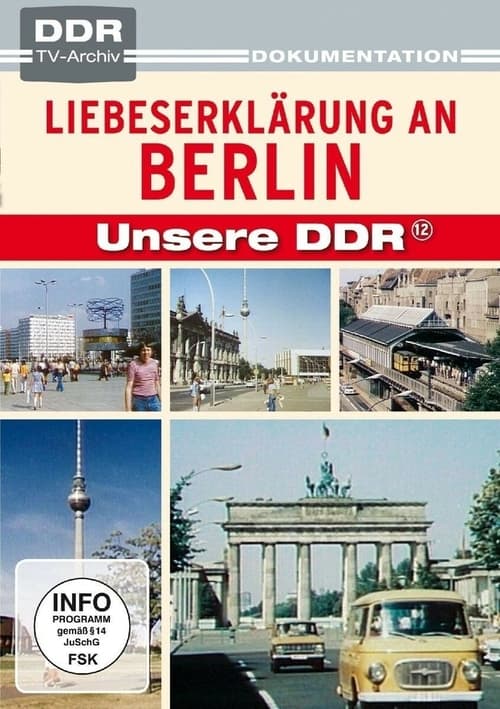
A stroll through East Berlin in 1977 - unique original recordings of the GDR capital by day and night, summer and winter, accompanied by music, offer a comprehensive insight into the diversity of urban life at that time. Numerous sights, famous buildings and squares, such as the television tower, the Red City Hall, the Palace of the Republic, Alexanderplatz and Unter den Linden, are shown. Popular places for leisure and recreation are also filmed, including the zoo, Volkspark Friedrichshain, the Christmas market on Alex and the Pankow outdoor pool. The film team also interviews a wide variety of Berliners, giving an impression of the lifestyle and everyday life of the capital's inhabitants at the time. The cityscape is rounded off with insights into new housing developments, renovated streets, businesses, restaurants and stores as well as official political events, military parades and memorial ceremonies.
The young Munich sensational reporter Raoul Miller has attacked a lot of people in his cocaine report, who now take terrible revenge: they kill his girlfriend Raphaela and his parents. The drug mafia also ensures that Raoul loses his good reputation and becomes an outsider. But Raoul does not give up...
The life and work of Halle-born Georg Friedrich Händel, the Händel Museum, and the Händel Festival in Halle are presented.
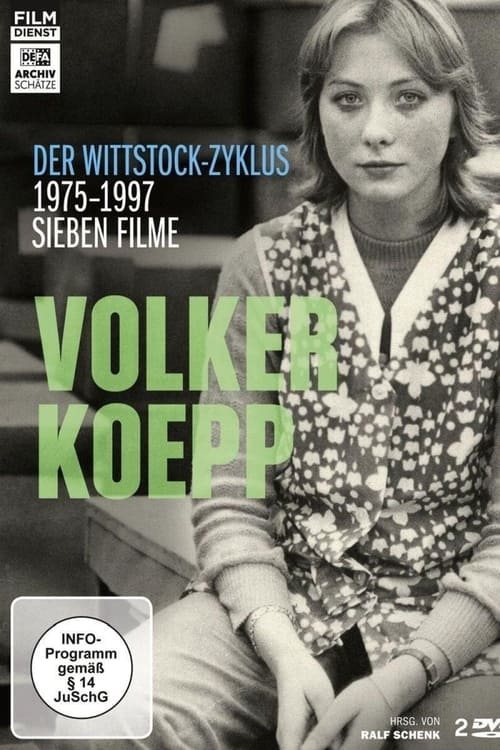
Wittstock an der Dosse is located in the German state Mark Brandenburg, apx. 90 kilometers from Berlin. Since 1974 Volker Koepp visited the town several times to examine life of the female workers in the textile industry. He interviewed them about their work, spare-time, thoughts and feelings. Three of them were questioned repeatedly for a long-time overview. This is the outcome of 10 years of Koepp's work. Written by Tom Zoerner
The fourth part of the Wittstock cycle is not only a continuation of the cinematic chronicle of the "Ernst Lück" tricot factory, but also a first summary of the development of the company since its almost ten-year existence. Edith Rupp takes center stage. She is now a master craftswoman and has become engaged, but is still skeptical about what the future will bring.
Wittstock an der Dosse is located in the German state Mark Brandenburg, apx. 90 kilometers from Berlin. Volker Koepp came into the town in 1974 to interview women and girls about their work in the textile industry, their spare-time occupations, about their thoughts and feelings.
Part 3 of the Wittstock series also shows the surroundings of the textile factory. Older gentlemen in a pub reveal that two factories produced fabrics for the military here during the Second World War. In 1945, only a handful of handlooms remained. The contemporary witness does not say why. It was probably too sensitive to reveal the reason on camera in 1978: The Soviet occupying power dismantled many production facilities in the GDR after the end of the war and transported them to the home of the victorious Red Army.