
Radamés Gnattali
Sound
Biography
Radamés Gnattali (27 January 1906 – 3 February 1988) was a Brazilian composer of both classical and popular music, as well as a conductor, orchestrator, and arranger. He was the brother of the conductor and arranger Alexandre Gnattali. Gnattali's musical career straddled popular and classical genres and their traditions. His arrangements of samba pieces, involving strings, woodwind and brass (rather than the traditional accompaniments with two guitars, cavaquinho, accordion, tamborin and flute) exposed him to lifelong critical attacks from Brazilian musical traditionalists who resented the "jazzing up" of the genre. Conversely, some of his serious concert pieces (música de concerto) attracted the opposite criticism of inappropriately introducing instruments such as the mandolin, marimba, accordion, mouth organ and electric guitar into the concert hall. In doing this, he was inspired by his friends from the world of popular music, including Jacob do Bandolim, Edu da Gaita and Chiquinho do Acordeom ("Accordion Chiquinho"), for each of whom he composed dedicated concert pieces.
Known For

No description available.
Grandes Nomes
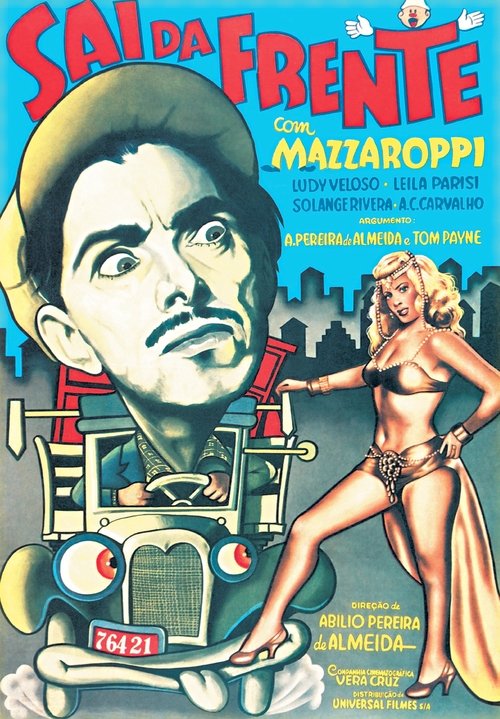
Isidoro Colepicula is a humble truck driver hired to transport some furniture from São Paulo to Santos, in his worn out truck he calls "Anastácio". Hiding among the pieces travels a bride who's trying to escape her own marriage. With his dog Coroné, he gets himself into many amusing situations, especially when the packed vehicle is left without brakes on a steep road, and he has to chase after it.
Sai da Frente

Documentary about the birth of bossa-nova, in Brazil, and the major stars of this musical style.
Coisa Mais Linda - Histórias e Casos da Bossa Nova

No description available.
Fuzileiro do Amor

Otavio is an idealistic union leader trying to organize workers at a factory to resist the company's exploitative practices. His son, Tião, one of the employees, is more of a realist and doesn't want to risk losing his job by striking. This clash of perspectives puts the father and son at odds. Fortunately, Tião's mother, Romana, is on hand to act as a moderator between the two opinionated men.
They Don't Wear Black Tie
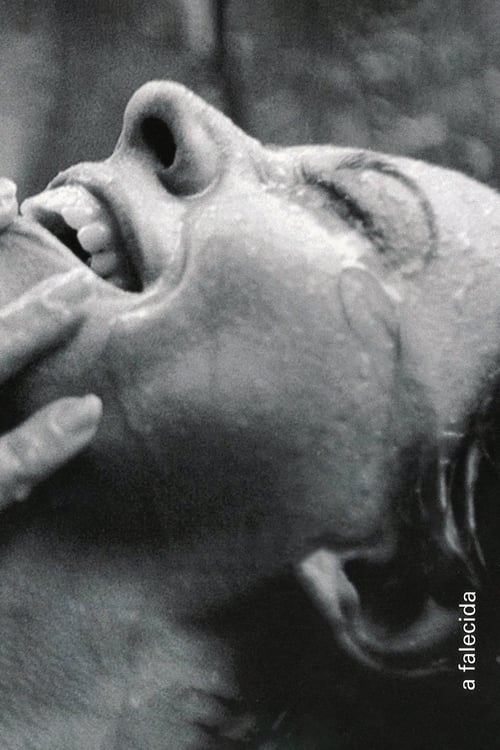
After visiting a fortune teller, Zulmira is informed that a blonde woman will threaten her peace. After talking to her husband Toninho, she suspects that her cousin Glorinha may be that blonde.
The Deceased

Glorinha, a middle-class 15 year old girl, always thought her mother Judite had killed herself, and that her father Gilberto has gone crazy as result. Her friend Nair takes her to a high-class bordello, where she wants to work. When uncle Raul, who raised her, discovers her prostitution, he decides to finally tell her all the truth about her parents' story.
Perdoa-Me Por Me Traíres

The dreams and problems of three friends: Malagueta, an inveterate gambler; Perus, former factory worker who abandoned the assembly line to earn his living at the billiards; and Bacanaço, trickster who puts on chic airs, always dreaming of performing the ultimate big swindle.
O Jogo da Vida
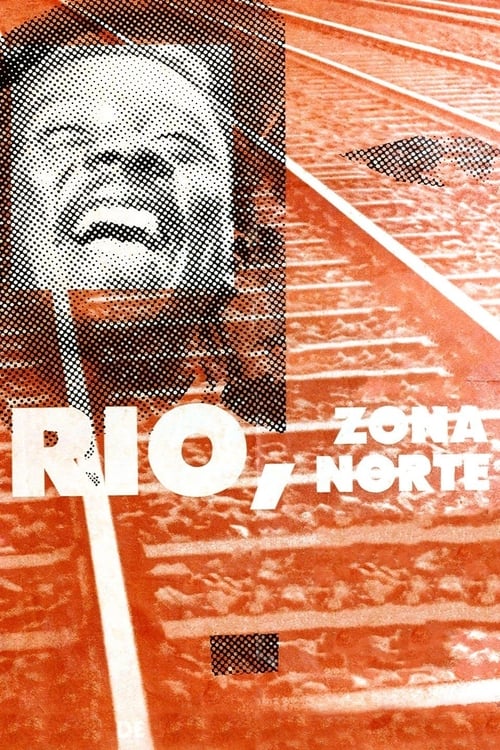
A talented songwriter of sambas is forced to face the social injustices of the city around him.
Rio, Northern Zone

On a scorching summer day in Rio de Janeiro, five impoverished black boys venture out of their favela to peddle peanuts throughout the bustling city. As they navigate the various districts of Rio, they bear witness to a series of unfortunate events and encounters, unfolding a vivid tapestry of urban life in Rio de Janeiro during that period. These true misadventures shed light on the gritty reality of the city, unveiling its vibrant urban tapestry.
Rio, 100 Degrees F°

At Pedrinho's request, Dona Benta begins to tell the legend of the Minotaur. In the middle of the story, a strange visitor appears on the farm and takes Aunt Natácia to some unknown place. Upon discovering that she was kidnapped by the Minotaur, the whole gang goes on an adventure to try to save Aunt Nastácia. And that's when the fun begins.
Sítio do Picapau Amarelo: O Minotauro
No description available.
Titio Não é Sopa
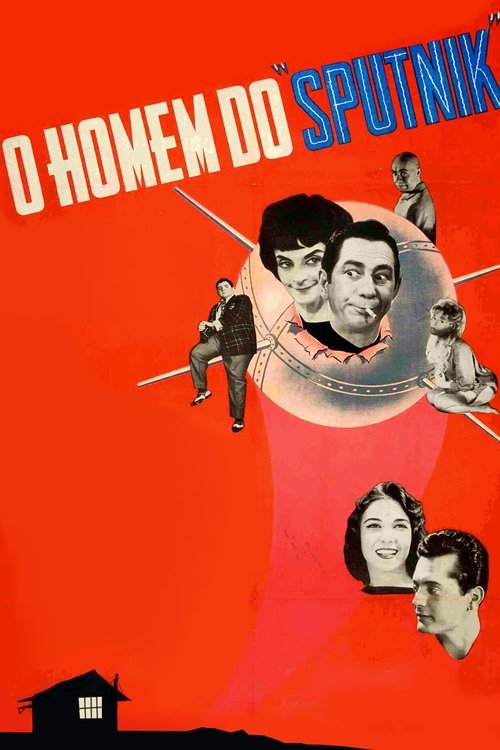
An UFO that could be the Russian satellite Sputnik falls on a hillbilly's hencoop.
The Man of The Sputnik

A fictionalized biography of Brazilian composer Zequinha de Abreu (1880–1935), who penned the song "Tico-Tico no Fubá" that became an international hit in the 1940s.
Tico-Tico no Fubá
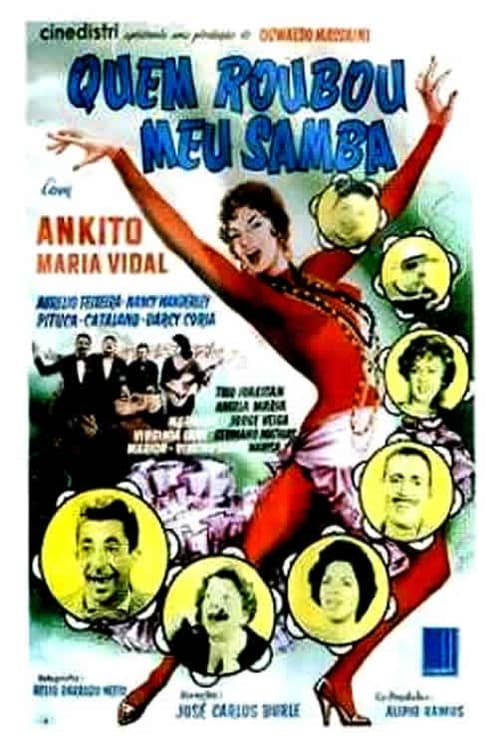
Somebody is selling songs for two recording companies, simultaneously. The owner of one of them hires a detective to find out the swindler's identity. But the private-eye is clumsy, and messes things up even more.
Quem Roubou Meu Samba?
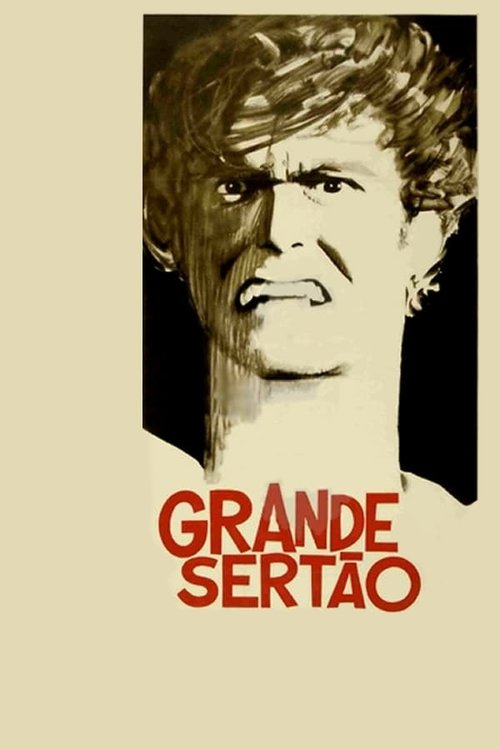
Cowboy Riobaldo is attracted to same sex Diadorim, not knowing that "he" is a girl dressed in man's clothes. After Diadorim's father is killed, she swears revenge, being joined by Riobaldo in this mission.
Grande Sertão
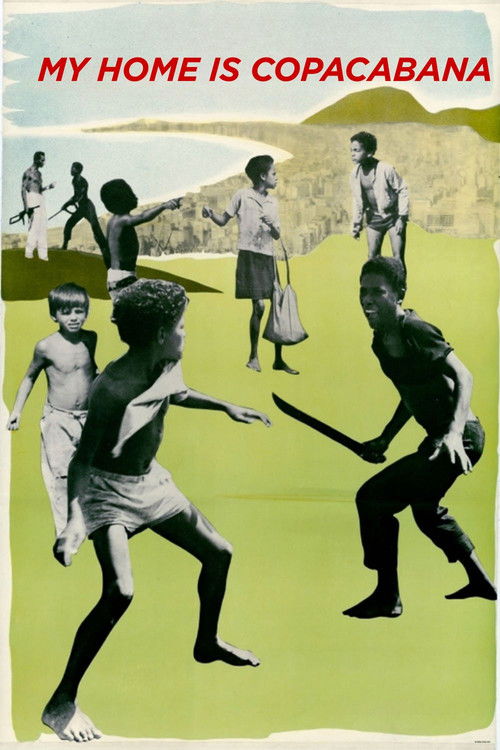
Arne Sucksdorff’s drama follows four homeless children—Jorginho, Rico, Lici, and Paulinho—struggling to survive in the Rio de Janeiro slums. They shine shoes, scavenge food, and pickpocket while dreaming of escape from the streets. When Rico, once escaped from a brutal institution in Caxambu, falls ill, he chooses to return there rather than die outside. A somber portrait of poverty and resilience, the film was selected for the 1965 Cannes Film Festival.
My Home Is Copacabana

No description available.
Assassinato em Copacabana
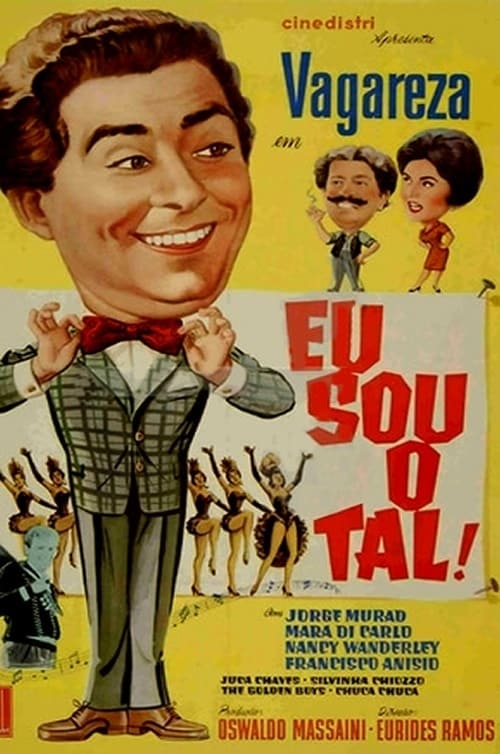
Winner of a Theater talent contest, in which he was the only one to enroll, Belizário da Silva leaves his hometown, and tries to make it in Rio de Janeiro.
Eu Sou o Tal
No description available.