FEEL IT.STREAM
?

Ronald Weyman

Directing

Biography

Ronald Weyman was a notable Canadian filmmaker recognized for his contributions to cinema. Born on 15 December 1915 in Erdith, Kent, England, UK, he was a producer and director, known for Wojeck (1966), The Serial (1963) and On Camera (1954). He gained prominence for his directorial work, particularly in the realm of independent filmmaking. Weyman's films often explored diverse themes and narratives, showcasing his artistic vision and storytelling skills. He was married to Giovanna Alford Terrace and Alison Alford. He died on 26 June 2007 in Flesherton, Ontario, Canada.

Known For

No image
9.0

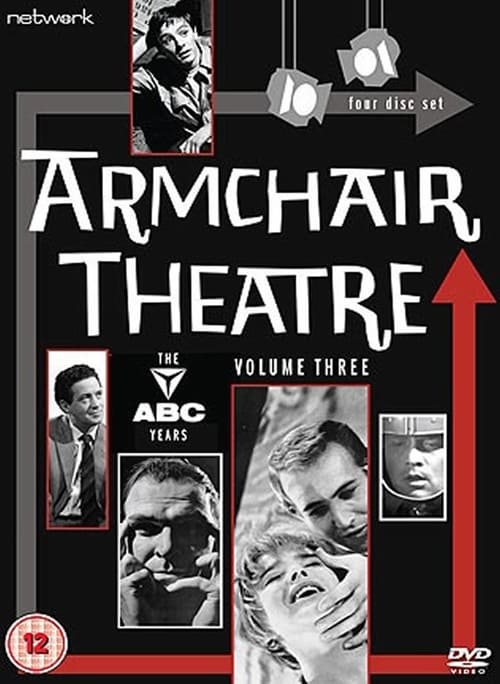
Armchair Mystery Theatre is a 60-minute United Kingdom television anthology mystery series. Thirty-four episodes aired from 1960-65. It was hosted by Donald Pleasence and produced by Leonard White.

Armchair Mystery Theatre

1960
Wojeck
9.0

A coroner searches for truth and justice with the help of his friends, while trying to hold his family together. (inspired by the headlines of Dr. Morton Shulman, chief coroner in Toronto) In the 1960s, Canadian TV underwent a shift led by "Wojeck" and "This Hour Has Seven Days." "Wojeck," influenced by Dr. Morton Shulman's work, explored safety standards through naturalistic filmmaking by Ronald Weyman and Grahame Woods. John Vernon's portrayal of Wojeck, a Polish Catholic confronting moral dilemmas, tackled societal issues like abortion and drug addiction. Guided by Weyman and David Peddie, the show bravely addressed topics like homosexuality and elderly neglect, gaining acclaim and international recognition.

Wojeck

1966
Armchair Theatre
6.0

Armchair Theatre is a British television drama anthology series of single plays that ran on the ITV network from 1956 to 1974. It was originally produced by Associated British Corporation, and later by Thames Television from mid-1968.

Armchair Theatre

1956
Railroad Town
9.0

A delightful trip back to an era in which railroad was king. The small community of Melville, Saskatchewan, is a railroad town. Long-time CBC host Fred Davis visits with various railway workers and learns about the operation of one of the vital service stations which keep the Canadian National Railway running smoothly.

Railroad Town

1956
The Research Director
N/A

A description of the work of a research director of a United Steel Workers Union in Canada. The painstaking research and analyses of economic information, and the arrangement of arguments that lie beneath the negotiations of labour unions for better wages and working conditions are shown.

The Research Director

1954
Sable Island
7.0

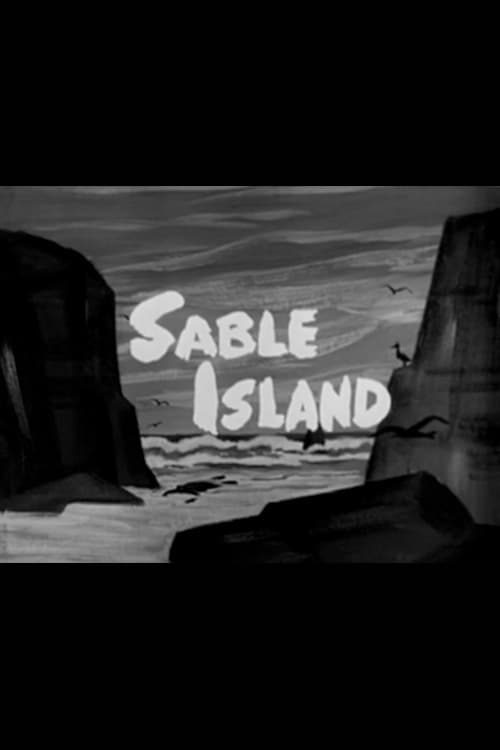
This short documentary profiles the uniquely cloistered wildlife of Sable Island, known as the “Atlantic graveyard” due to its inhospitable conditions. Barren sands and endless gales proved too much for human settlement on this island off the coast of Nova Scotia. Only a small group of researchers and maintenance people occupy the island; horses run wild, seals and birds multiply profusely, and the Ipswich sparrow has found a fruitful breeding ground for itself. Sable Island provides a perfect opportunity to observe nature in an untouched, organic laboratory.

Sable Island

1956
No image
7.0

This short 1949 documentary studies the impact Canada's National Health Program has had on people who might otherwise not had been able to obtain medical help.

White Fortress

1949
Tourist Go Home
7.0

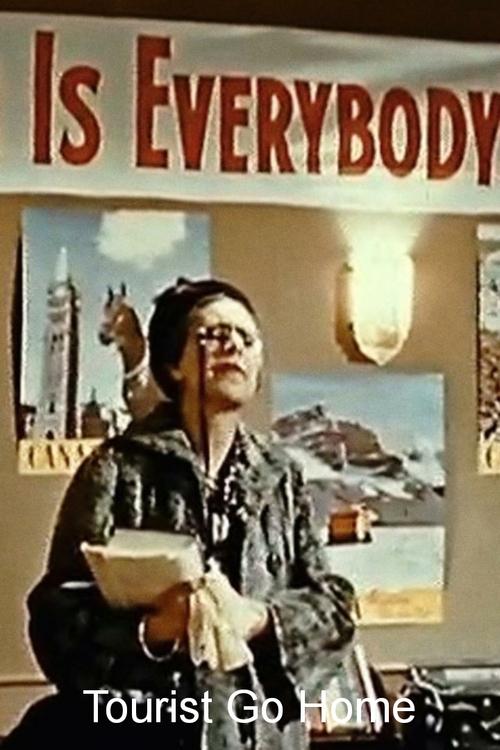
This short film is a humorous look at the tourist industry in Canada. In tongue-in-cheek fashion, it points out the importance of good public relations in the tourist industry - more specifically, what not to do to tourists. (Sourced from the National Film Board of Canada: https://www.nfb.ca/film/tourist_go_home)

Tourist Go Home

1959
No image
9.0

Arthur Hill stars in the CBC-TV drama The Golden Handshake, filmed in Toronto. Play concerns the plight of an unemployed executive. With Hill are Norman Allin, and Ron Weyman. TV Movie, 1973

The Golden Handshake

1973
No image
10.0

Having served three years for armed robbery, Charles Brown has just been released from Kingston Penitentiary with only a suit of clothes and $25 to his name, but he figures he'll be all right since he learned how to do carpentry in prison which should land him steady work. The prison administration provides him with the name of the John Howard Societies if he does need assistance on the outside. He finds that once people know of his record, they won't give him a chance. And even if he doesn't mention his prison sentence, his criminal record eventually catches up with him. Even with the Societies taking on the task, getting a job for Brown is not easy and which will take great powers of persuasion. If no one is willing to give him a break, Brown may need to resort to his old ways and end up just another statistic sent back to prison.

After Prison What?

1951