Directing
Davie is about to embark on his working life. Today is his first day at the local knackery.
In this new documentary, Susan Kemp explores the life and work of the great British director Antonia Bird, who died in 2013. Bird blazed a trail from the radical hotbed of the Royal Court Theatre in the 70s, via the groundbreaking early days of EastEnders and Casualty in the 80s, all the way to Hollywood in the 90s and back again. She always had something urgent to say, but her career was a long struggle to get her voice heard. Featuring many of her close collaborators, including Robert Carlyle, Irvine Welsh, Kate Hardie and Mark Cousins, this documentary is the first to examine Bird’s legacy, and to place her where she belongs – among the most important British film, TV and theatre directors of her era.
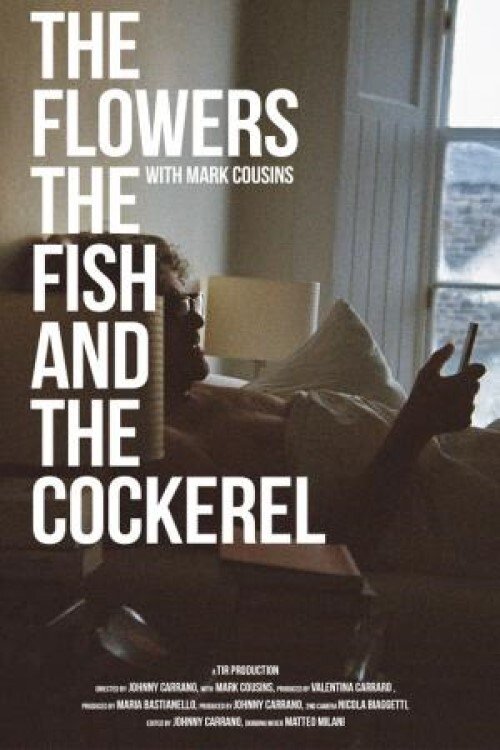
A first encounter. At the Venice Film Festival. A second encounter. Again the Venice Film Festival. A crescendo of curiosity, wish to know and discover more. Months go by. A crazy idea. Dear Mark, can we make a documentary about you? The journey begins, Edinburgh in the background, an intimate film on the creative daily life of Mark Cousins. Director, writer, film polymath, teacher but, more than anything, Mark. Mark shows himself unfiltered, he lives his life in front of our camera, but he can’t help it, he must turn his camera on us. The subject becomes the filmmaker. The filmmaker becomes the subject. Questions, answers, doubts, truths and lies.
Structuring this intimate and insightful portrait of Lynda Myles, academic Susan Kemp invokes a form known to define, criticise, and shift paradigms in culture – the manifesto. Meshing archival material with interview subjects including Jim Hickey and B. Ruby Rich, Kemp employs a series of provocations to tease out the philosophy behind a lifetime of ground-breaking film work. In the film's central conversation, Myles beautifully expresses the thrill of putting on a show (including the 1972 Women's Event, pioneering retrospectives of Douglas Sirk, Sam Fuller and Raoul Walsh and many more) while always avoiding the polite.