Luis Felipe Noé
Acting
Known For
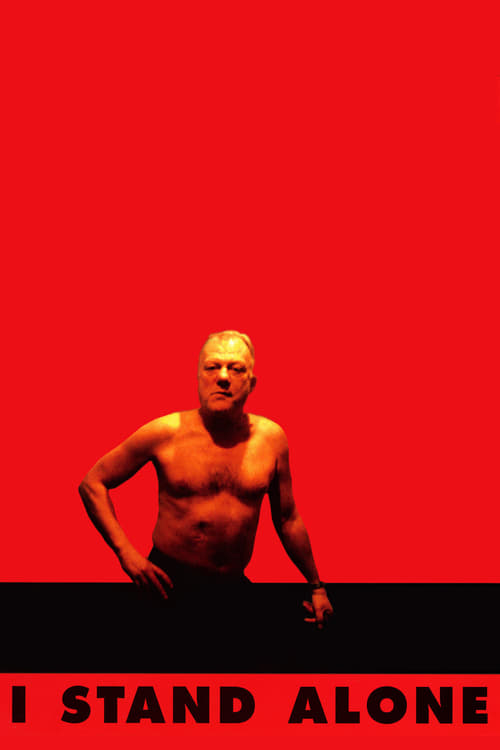
After completing jail time for beating up a man who tried to seduce his mentally-handicapped teenage daughter, the Butcher wants to start life anew. He institutionalizes his daughter and moves to the Lille suburbs with his mistress, who promises him a new butcher shop. Learning that she lied, the Butcher returns to Paris to find his daughter.
I Stand Alone
No description available.
Resistencia Cultural
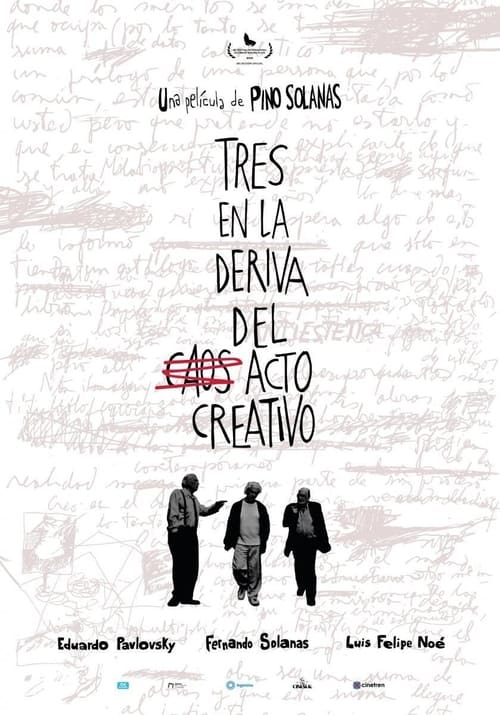
Last homage to the great director Fernando Solanas, dear to our hearts, who came multiple times in Competition to the Festival and two times to Cannes Classics. Through this documentary rich in sensibility and visual flair aided by stunning graphics, “Pino” Solanas evokes creation.
Three in the Drift of the Creative Act

After a volcanic eruption, a small village from which no one can escape. The plague spreads, and among the survivors, famine rules. For a piece of bread, Charlotte sleeps with the grocer. Night is falling. At the top of a hill, someone is watching.
Tintarella di Luna
A journey through the life and work of artist Ricardo Carpani, his artistic and ideological formation, and the importance of his pictorial output, considered a symbol of the political struggle of the 1950s, 1960s, and 1970s. Once the rise of state terrorism began, Carpani was forced into exile and spent ten years in Europe. During this period, he continued his political commitment, creating works that denounce the horrors experienced in Argentina during those years.
Carpani, vida y obra
No description available.