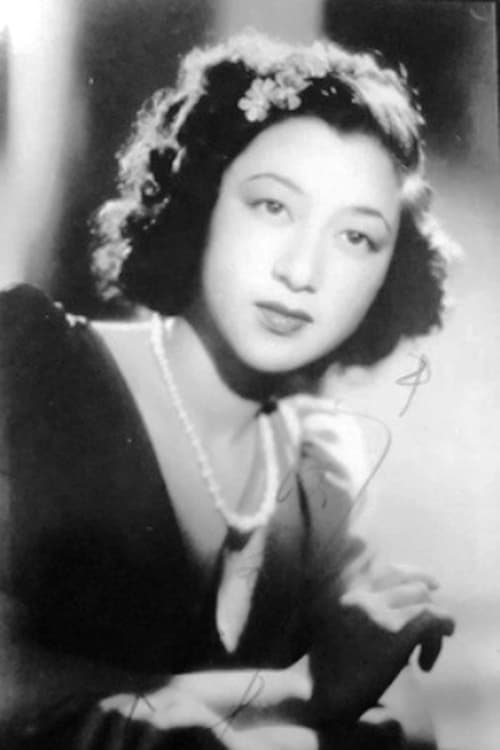
Hatae Kishi
Acting
Known For
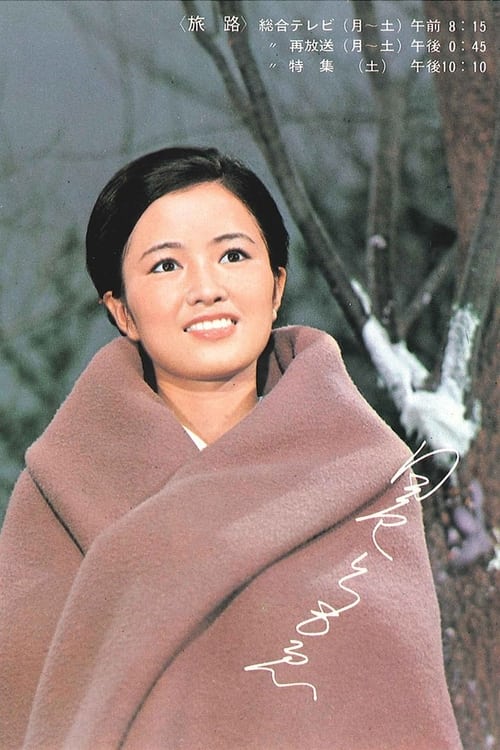
The 7th NHK Asadora. Starring Tadashi Yokouchi in a narrative about an employee of the national railroad living through 50 years of modern history with his wife.
Tabiji
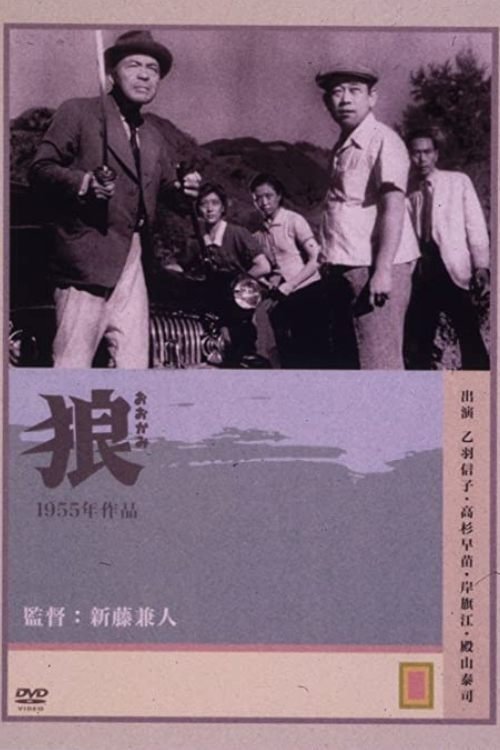
A group of five rookie insurance salespersons, driven to desperation by the impossibility of their work in Japan's failing postwar economy, form a plan to rob a cash delivery truck in order to provide for their families.
The Wolves
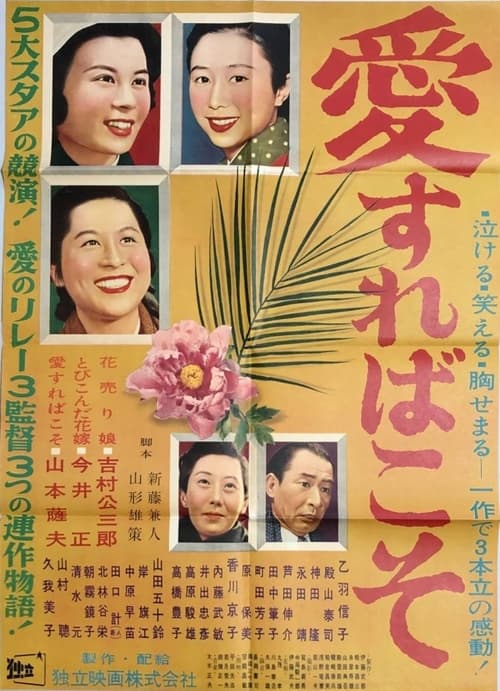
The film consists of three short stories. Tomiko, the heroine of the first story, "The Flower Girl" (dir. Kozaburo Yoshimura), is a little girl who bears the unbearable burden of caring for her family. Tomiko's father has been unable to find work for a long time, and her older sister is terminally ill—it is unlikely that she will ever recover. To feed her family, Tomiko runs around the city from morning until late at night selling flowers... The second novella (dir. Tadashi Imai) also depicts the lives of the poor. An unfamiliar girl brings young Kavano a letter from his mother. It turns out that the girl's name is Kuniko, she is very hardworking, but her family is dying of hunger. Therefore, her mother decided to send Kuniko to her son so that he would marry her. The short story is called "The Unexpected Bride." The third short story, which gave the film its title, is particularly interesting: "When You Love" (dir. Satsuo Yamamoto). It shows the family of a young peace activist.
If Indeed One Loves
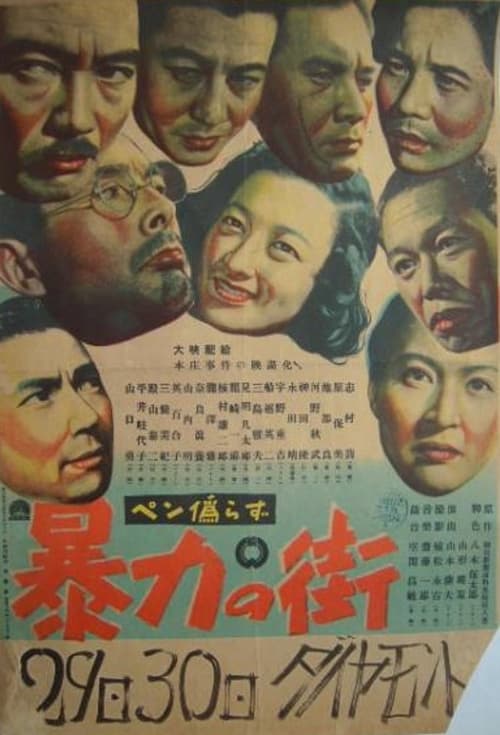
An attempt is made to suppress a journalist's investigation of collusion between a rural police chief and the local gangster bosses.
Town of Violence
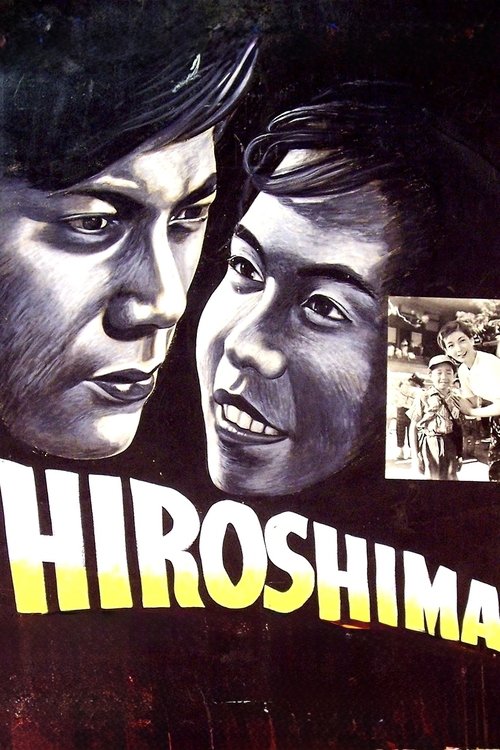
Historical fiction about the aftermath of the atomic bombing of Hiroshima, Japan, on 6 August 1945, and its effects on various civilians, especially children, of that city.
Hiroshima
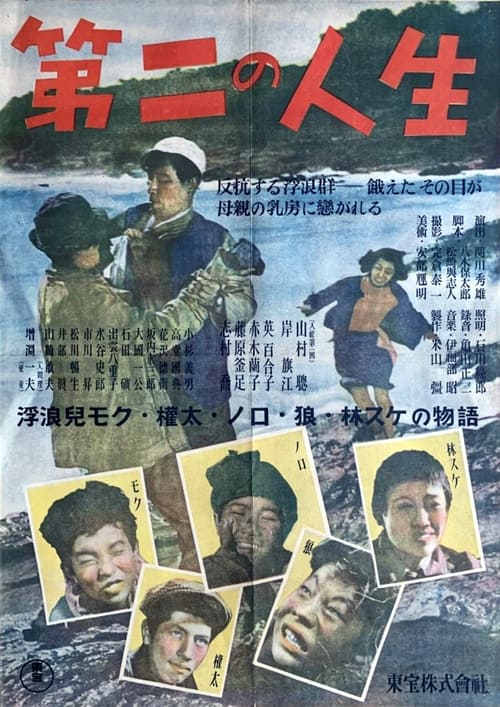
1948 Japanese drama film.
A Second Life
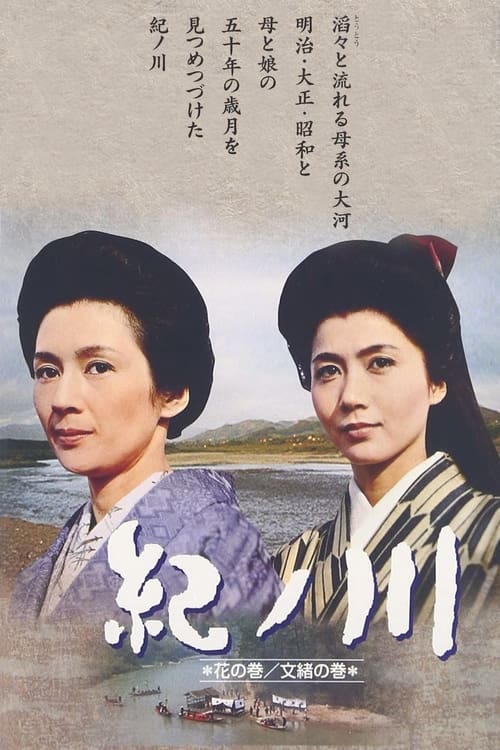
Epic saga of an idealistic land-owning family dealing with militarism, war, social change and economic reform.
The Kii River
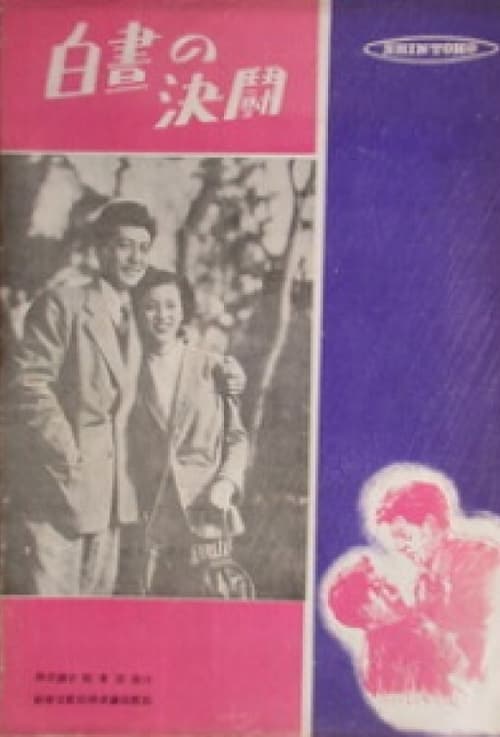
A film by Kiyoshi Saeki
Duel in the Sun
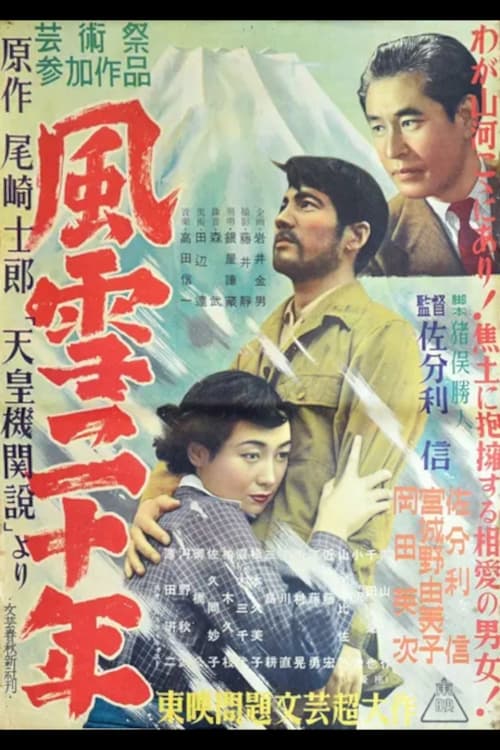
The Stormy Era of Twenty Years
The Stormy Era of Twenty Years
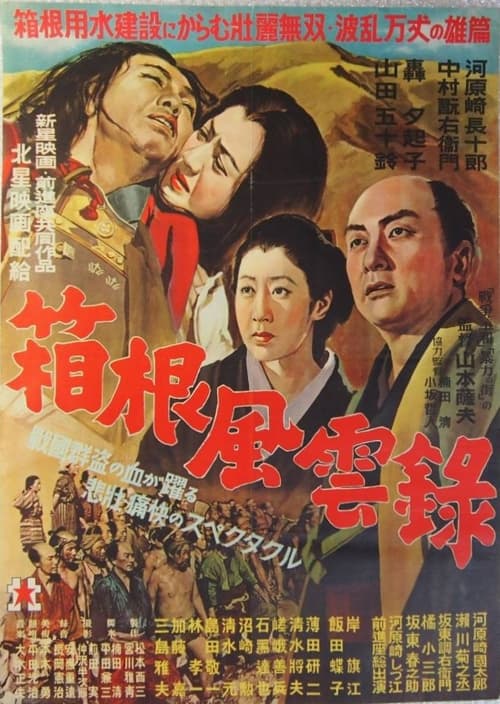
A period film about a peasant revolt in the region near Mount Fuji, occasioned by high officials' depriving the farmers of their water rights.
The Stand in Hakone
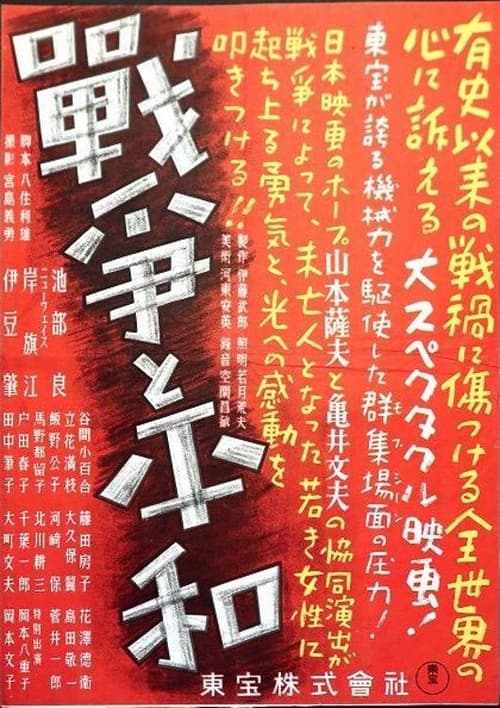
A woman remarries after receiving official notification that her husband has died, but he returns.
War and Peace
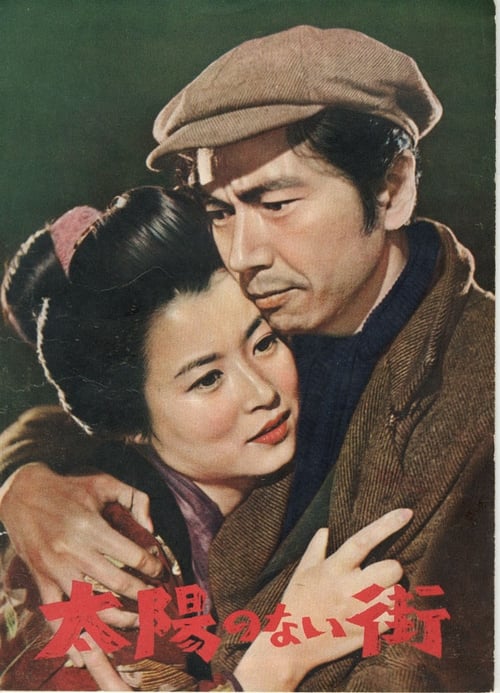
Based on the novel by proletarian writer Sunao Tokunaga. The story is about a long strike by workers at a large printing house and the strikers' steadfastness, which neither hunger nor violence could break. The heroine of this story actively participates in her colleagues' struggle against layoffs, oppression, and police brutality.
The Street Without Sun
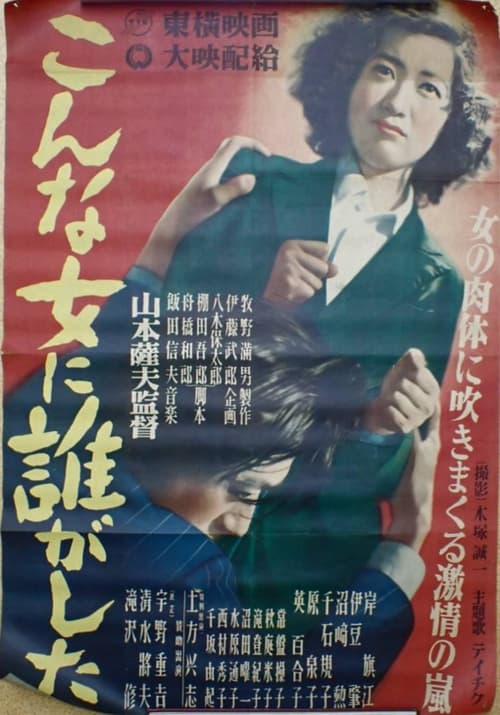
No description available.
Utako's Story
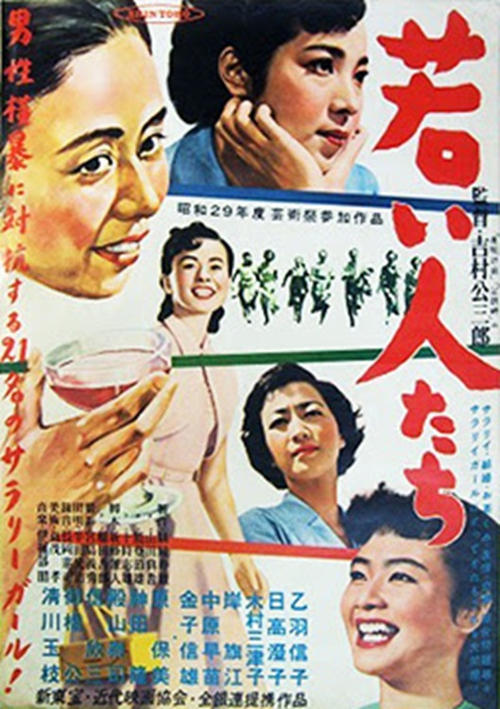
No description available.
Wakai hito-tachi
No description available.
Senka o koete
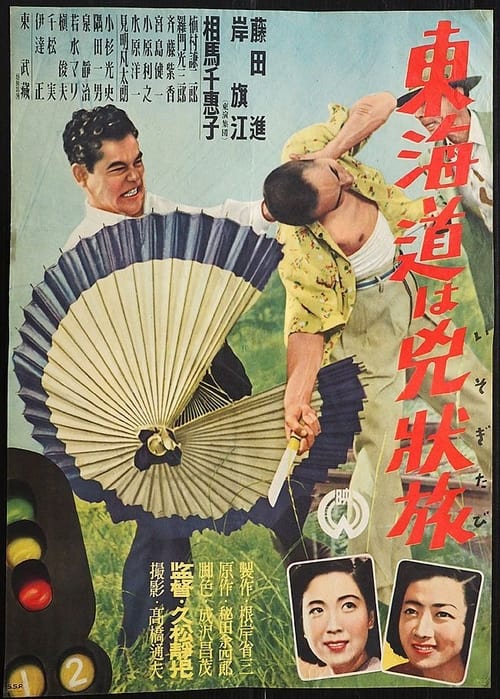
Adaptation of the original story by Hida Yoshiro, whose depiction of the world of the yakuza is unparalleled. Gisuke, a weather-beaten yakuza with nostalgia and memories of love in his heart.
Tōkaidō wa kyōjō tabi
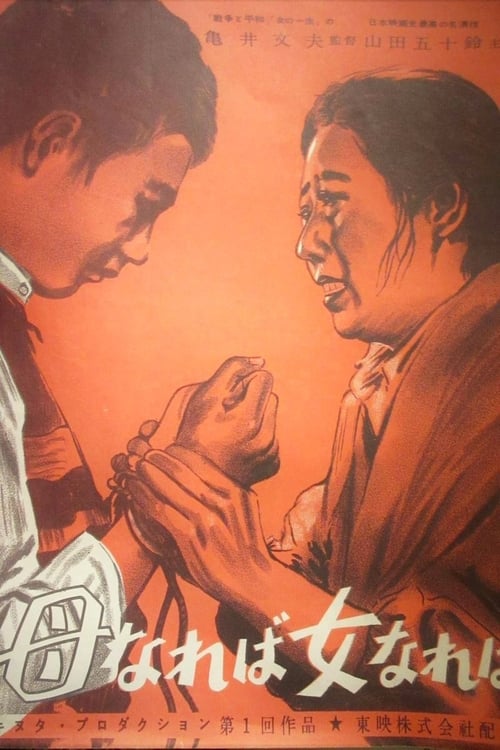
No description available.
Become a Mother, Become a Woman
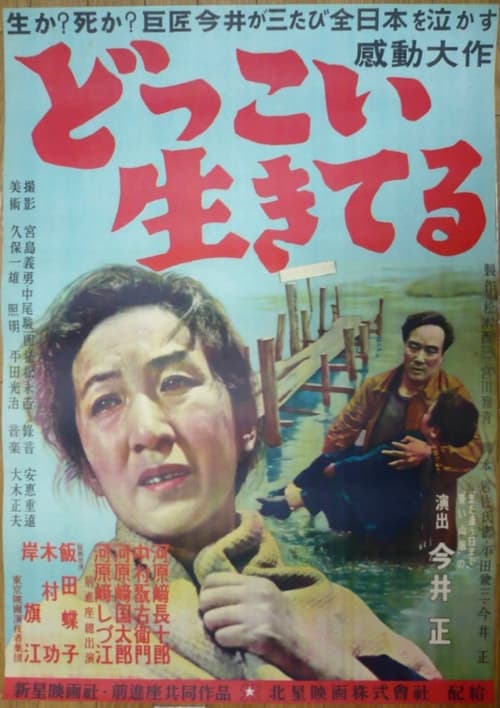
About the struggles of day labourers to achieve dignity and a standard of living above the starvation level. Utilising the Zenshinza theatrical troupe.
Still I Live On
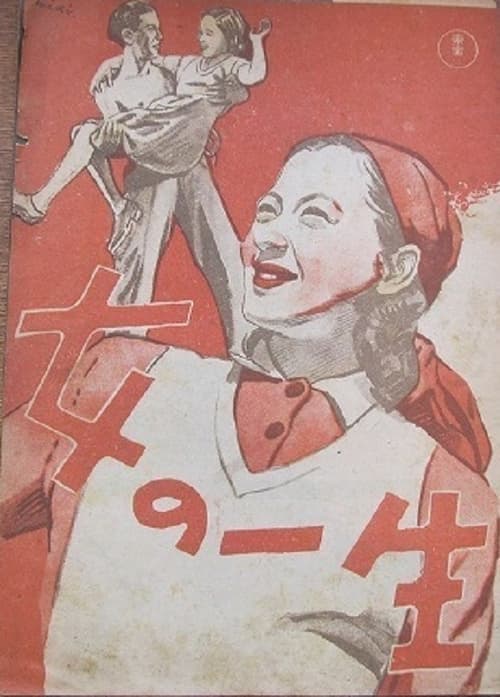
No description available.
A Woman's Life
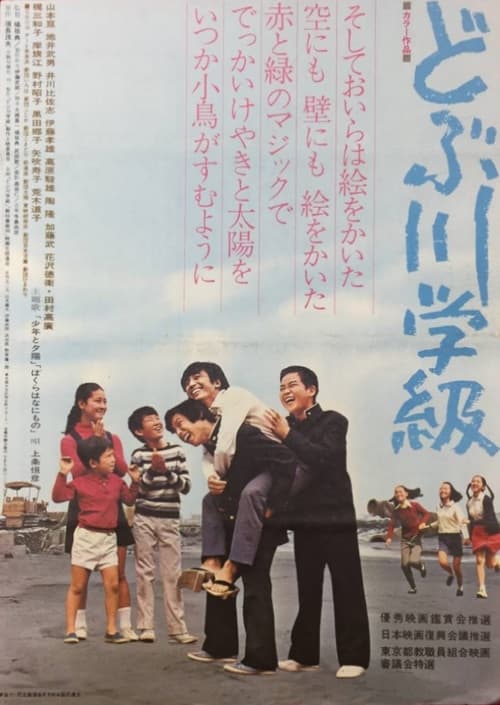
The struggle of a young man and boys who try to create the environment where they can speak their minds freely.