
Damião Lopes
Sound
Known For

The story of how the lottery invented to finance a zoo was incorporated by Rio de Janeiro's popular culture and, in the hands of organized gangsters, transformed itself into an immense crime empire.
Lei da Selva: A História do Jogo do Bicho

Tunico is the most famous “Pirate Parrot” of Rio de Janeiro and is always chasing reporters to appear on TV. After a serious accident at an amusement park, Tunico meets Beto, a mysterious young man who becomes his apprentice. This encounter will reveal the dark side of the relentless pursuit of fame at any cost, in a Brazil with more than 70 million televisions turned on every day.
Papagaios

For this behemoth, Bressane took his opera omnia and edited it in an order that first adheres to historical chronology but soon starts to move backwards and forward. The various pasts – the 60s, the 80s, the 2000s – comment on each other in a way that sheds light on Bressane’s themes and obsessions, which become increasingly apparent and finally, a whole idea of cinema reveals itself to the curious and patient viewer. Will Bressane, from now on, rework The Long Voyage of the Yellow Bus when he makes another film? Is this his latest beginning? Why not, for the eternally young master maverick seems to embark on a maiden voyage with each and every new film!
The Long Voyage of the Yellow Bus

As a privileged teenager living in an affluent suburb of Rio de Janeiro, Jean has little to worry about beyond games, grades and girls. But as his overbearing father drags the family into debt, Jean is forced into a change of lifestyle which opens his eyes to the world beyond his 'casa grande' - not least that of the feisty, mixed-race firecracker Luiza. Cultures, classes and generations collide in this engrossing coming-of-age drama from Brazil.
Casa Grande
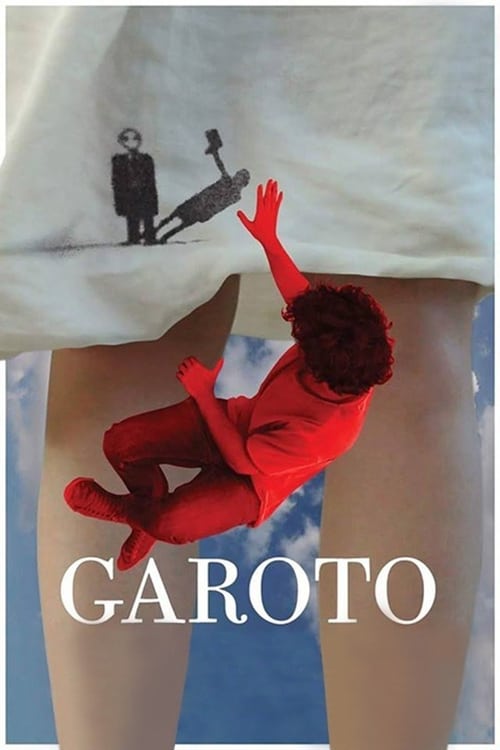
Inspired by Jorge Luis Borges’ The Disinterested Killer Bill Harrigan, Garoto follows a young couple who find themselves in an enchanted place where they experience an amorous and spiritual adventure.
Kid

Brazilian soccer players Sócrates, Casagrande and Vladimir lead a historic movement in sports by adopting a democracy within their team, making a statement against the country's military dictatorship.
Democracia em Preto e Branco
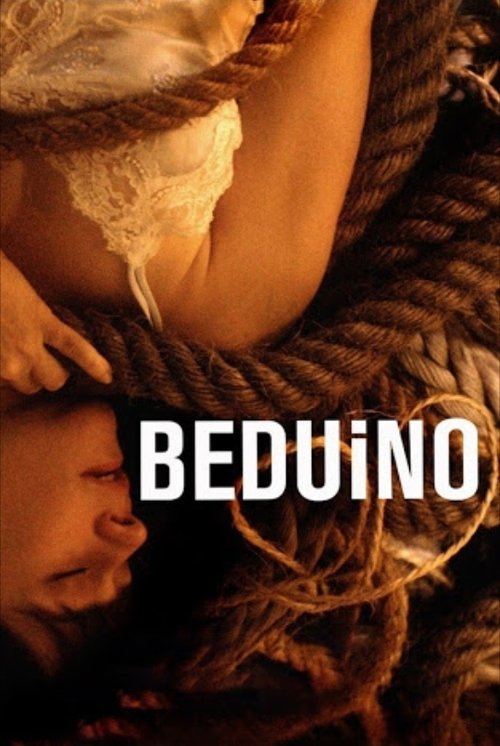
A curious couple, whose existence takes place where art arises along a singular metaphysical desire. They search for it through repeated and varied representations, in a setting of light where hope and desperation blend together.
Beduíno

A marginal version of Brecht’s piece, “Baal”.
Canção de Baal

A delicate and tenacious writer, widowed three years ago, engages in frequent conversations with a parrot. However, she’s always observed by a large portion of raw meat.
Seduction of the Flesh
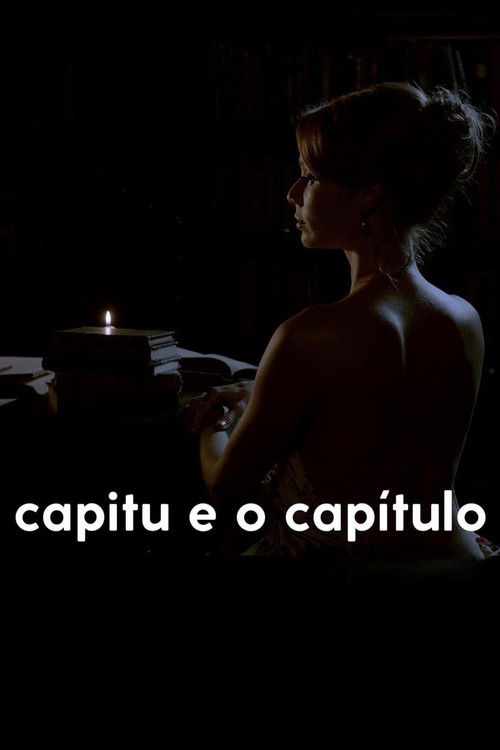
“If you had to choose between me and your mother, who would it be?” Capitu asks provocatively of her problematic lover. Elsewhere, they dance to inaudible music with their friends, each couple keeping to a rhythm of their own. At times, this depiction of the memories we see one Dom Casmurro commit to paper with a flamboyant pen seems to be an interplay of conflicting emotions – particularly when jealousy raises its head. Adapted from the Brazilian classic novel 'Dom Casmurro' (1899) by Machado de Assis as an ironic/philosophical essay on poetry and jealousy, and featuring fragments of Bressane’s previous works.
Capitu and the Chapter
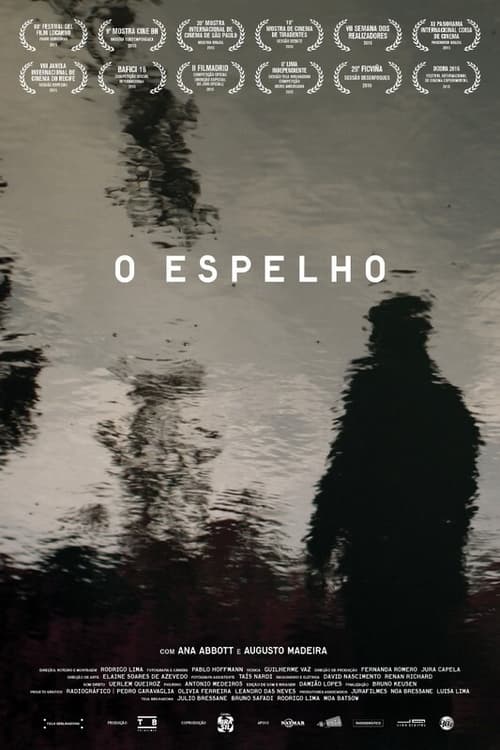
A man is mysteriously called to the entrance gate of an abandoned country home. As if she was coming out of a water mirror, a woman emerges from the mud at the bottom of a lake. As they approach each other, a spell is cast. Together they experience the enchantment of hallucination, memory and dreams. Reflections on the water will reveal secrets hidden in the nature of the soul. The Mirror is a recreation of Machado de Assis’ (1839-1908) homonymous tale
The Mirror
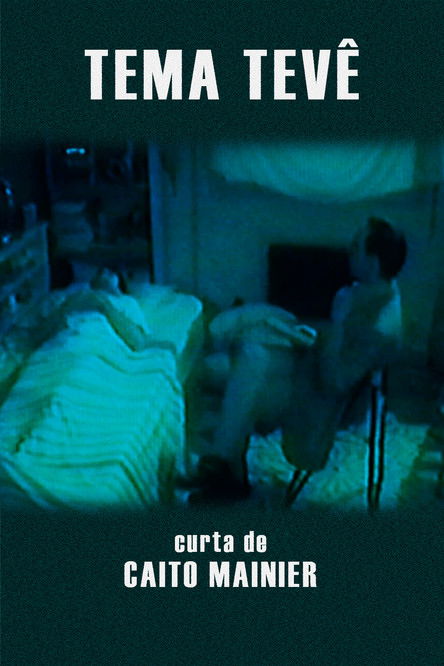
The story is about a young man who has the strange habit of waking up in a dead body position and decides to buy a security camera to investigate what happens while he sleeps. What he sees is shocking.
Tema Tevê

Brazilian short film, directed by Julia Murat.
Pendular

The film portrays the trajectory and life of the “Agudá” people today. This is a group of descendants of Africans enslaved in Brazil, who returned to their homeland with the end of slavery, and also descendants, Brazilian and Portuguese, of slave traffickers, who settled in that region of Africa in the 18th and XIX. Present in Benin and Togo, the “agudás” assimilated the surname and part of the culture of their masters.
Agudás – Os Brasileiros Do Benin

Focusing on the real-imaginary doubt, the film delves into the role of the stage actor alongside the set-up of Sam Shepard's 'Mente Mentira'.
Mentiras Sinceras

Aunt Virginia is a 70-year-old woman who has no children and has never been married, and ends up being convinced by her sisters, Vanda and Valquíria, to move to another city in order to take care of her parents. Taking place in just one day, the film follows Virginia's preparation to receive the sisters who are coming to her house to celebrate Christmas.
Aunt Virginia

Tião, 5 years old, seeks to understand the events involving his family at that time. Including his mother's illness that takes her away from him.
Wormhole

From saved memories of a long journey, a letter is sent to the future. Alone, away from home and on the eve of her 30th birthday, a Brazilian is on a journey through Africa. In the letter to her daughter, she tells of encounters with women living in their cultures and times. A diary, a road movie and an invitation to all the people who lead their own paths.
Here is So Far

In a small city in northeastern Brazil, a poor family goes though many hardships and pains while seeking a better life.
Entre o Amor e a Razão

Birth, life and death of a carnival sculpture. Linked to the mythology of the Orixás, a metaphor of creation based on the Babalotim doll, a boy idol who has lived through many carnivals.