FEEL IT.STREAM
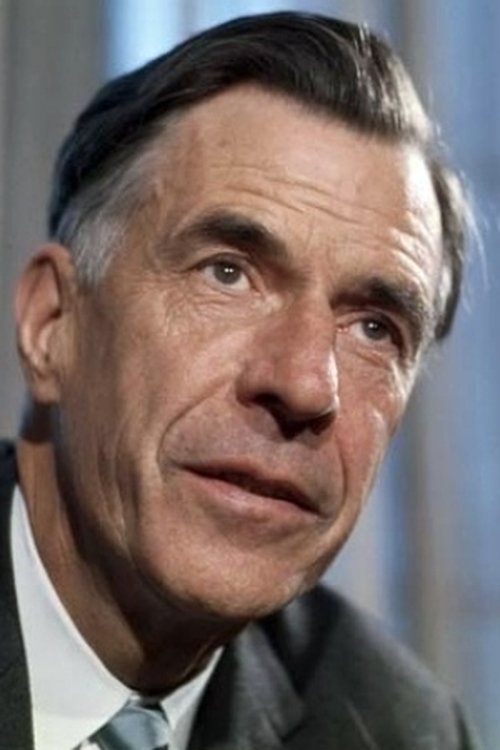
John Kenneth Galbraith

John Kenneth Galbraith

Acting

Biography

John Kenneth Galbraith OC (October 15, 1908 – April 29, 2006), also known as Ken Galbraith, was a Canadian American economist, diplomat, public official, and intellectual. His books on economic topics were bestsellers from the 1950s through the 2000s. As an economist, he leaned toward post-Keynesian economics from an institutionalist perspective. Galbraith was a long-time Harvard faculty member and stayed with Harvard University for half a century as a professor of economics. He was a prolific author and wrote four dozen books, including several novels, and published more than a thousand articles and essays on various subjects. Among his works was a trilogy on economics, American Capitalism (1952), The Affluent Society (1958), and The New Industrial State (1967). Some of his work has been criticized by economists Milton Friedman, Paul Krugman, Robert Solow, and Thomas Sowell. Galbraith was active in Democratic Party politics, serving in the administrations of Franklin D. Roosevelt, Harry S. Truman, John F. Kennedy, and Lyndon B. Johnson. He served as United States Ambassador to India under the Kennedy administration. His political activism, literary output and outspokenness brought him wide fame during his lifetime. Galbraith was one of the few to receive both the World War II Medal of Freedom (1946) and the Presidential Medal of Freedom (2000) for his public service and contributions to science. Galbraith was born on October 15, 1908, to Canadians of Scottish descent, Sarah Catherine (Kendall) and Archibald "Archie" Galbraith, in Iona Station, Ontario, Canada, and was raised in Dunwich Township, Ontario. He had three siblings: Alice, Catherine, and Archibald William (Bill). By the time he was a teenager, he had adopted the name Ken, and later disliked being called John. Galbraith grew to be a very tall man, attaining a height of 6 feet 9 inches (206 cm). His father was a farmer, school teacher, head of a cooperative insurance company, and local official of the Liberal Party. His mother, a homemaker and a community activist, died when he was fourteen years old. The family farm was located on Thomson Line. Both of his parents were supporters of the United Farmers of Ontario in the 1920s. His early years were spent at a one-room school which is still standing, on 9468 Willey Road, in Iona Station. Later, he went to Dutton High School and St. Thomas High School. In 1931, Galbraith graduated with a Bachelor of Science in Agriculture from the Ontario Agricultural College, which was then an associate agricultural college of the University of Toronto. He majored in animal husbandry. He was awarded a Giannini Scholarship in Agricultural Economics (receiving $60 per month) that allowed him to travel to Berkeley, California, where he received masters and Doctor of Philosophy degrees in agricultural economics from the University of California, Berkeley. Galbraith was taught economics by Professor George Martin Peterson, and together they wrote an economics paper titled "The Concept of Marginal Land" in 1932 that was published in the American Journal of Agricultural Economics. ... Source: Article "John Kenneth Galbraith" from Wikipedia in English, licensed under CC-BY-SA 3.0.
Known For

The Dick Cavett Show
6.8

The Dick Cavett Show has been the title of several talk shows hosted by Dick Cavett on various television networks.

The Dick Cavett Show

1968
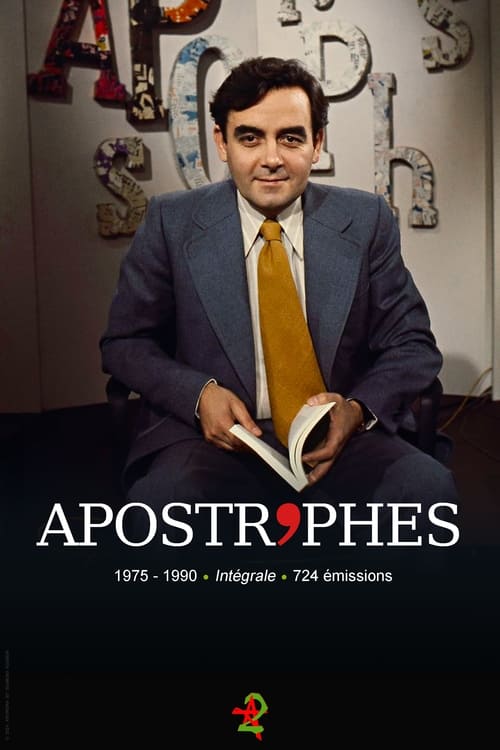
Apostrophes
8.5

Apostrophes was a live, weekly, literary, prime-time, talk show on French television created and hosted by Bernard Pivot. It ran for fifteen years (724 episodes) from January 10, 1975, to June 22, 1990, and was one of the most watched shows on French television (around 6 million regular viewers). It was broadcast on Friday nights on the channel France 2 (which was called "Antenne 2" from 1975 to 1992). The hourlong show was devoted to books, authors and literature. The format varied between one-on-one interviews with a single author and open discussions between four or five authors.

Apostrophes

1975
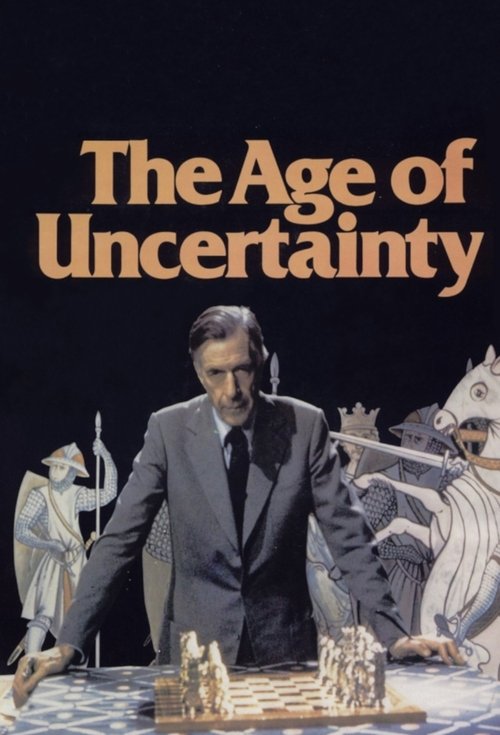
The Age of Uncertainty
9.0

A 13-part personal view by John Kenneth Galbraith of the rise and crisis of Industrial Society.

The Age of Uncertainty

1977
Adventures on the New Frontier
5.5

A look at the daily business of U.S. President John F. Kennedy, with a focus on some of the political issues he faces six weeks into his term. Preserved by the Academy Film Archive in 2007.

Adventures on the New Frontier

1961
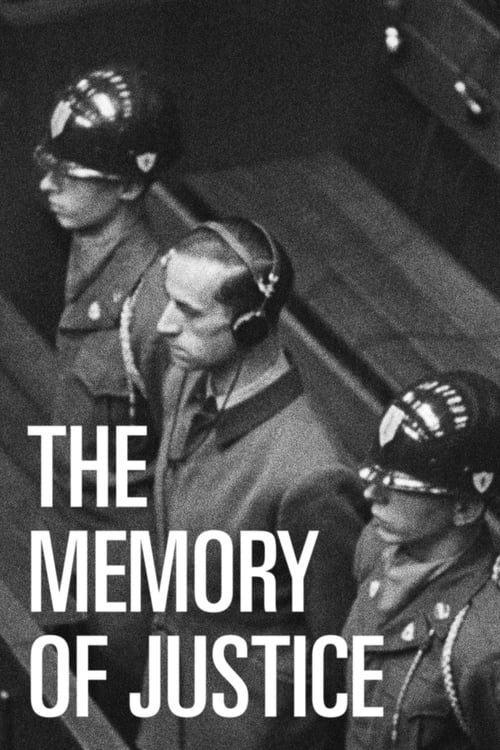
The Memory of Justice
6.8

This exceptional, disturbing, and thought-provoking two-part documentary compares the atrocities committed by the Nazis as revealed during the Nuremberg trials to those committed by the French in Algeria and those done by the Americans in Vietnam. The four-hour epic questions the right of any country to pass self-righteous moral judgements upon the actions of another country.

The Memory of Justice

1976
No image
7.7

Relive the glory moments of John F. Kennedy's life as A&E's award-winning "Biography" series presents the compelling story of this unforgettable leader and the rich dynasty he left behind. John F. Kennedy will always be remembered as the youthful president who inspired America, a charismatic leader who gave the nation a sense of pride and confidence. His sharp mind, quick wit, and boundless determination won him friends, confidantes, and devoted followers. A World War II hero, respected senator, and author of the Pulitzer Prize-winning "Profiles in Courage," Kennedy regarded life as a race against boredom. Through archival footage and interviews with friends, famous journalists, Hollywood actors, and former staffers- including ex-cabinet member John Kenneth Galbraith- "JFK: A Personal Story" revisits pivotel moments of Kennedy's life and presidency with clarity and insight.

John F. Kennedy: A Personal Story

1996
Year of the Woman
9.0

Utitlising humour, fantasy, animation, poetry and theatrics, Hochman and her crew challenge the male establishment for ignoring the first meeting of the National Women's Political Caucus and Shirley Chisholm's bid for US vice-president.

Year of the Woman

1973
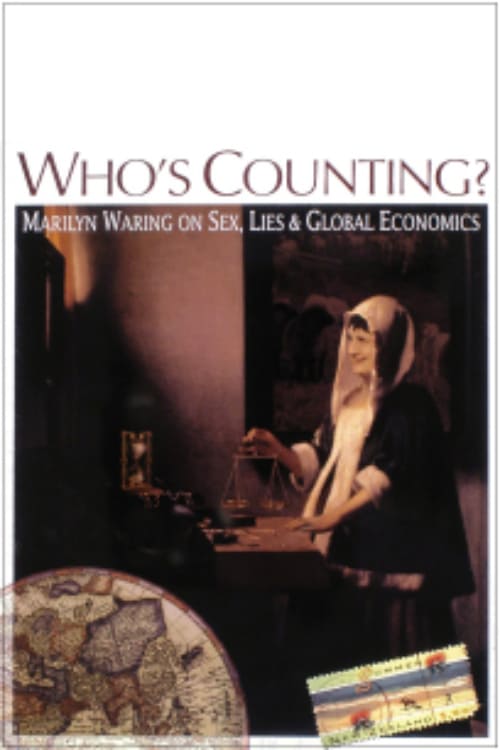
Who’s Counting? Marilyn Waring on Sex, Lies and Global Economics
10.0

This documentary profiles economist and writer Marilyn Waring. In extensive interviews, Waring details her feminist approach to finances and challenges commonly accepted truths about the global economy. The filmmakers detail Waring's early rise to political prominence and her successful protests against nuclear arms. Waring also speaks candidly about wartime economies, suggesting that government policies tend to marginalize the fiscal contributions of women.

Who’s Counting? Marilyn Waring on Sex, Lies and Global Economics

1995
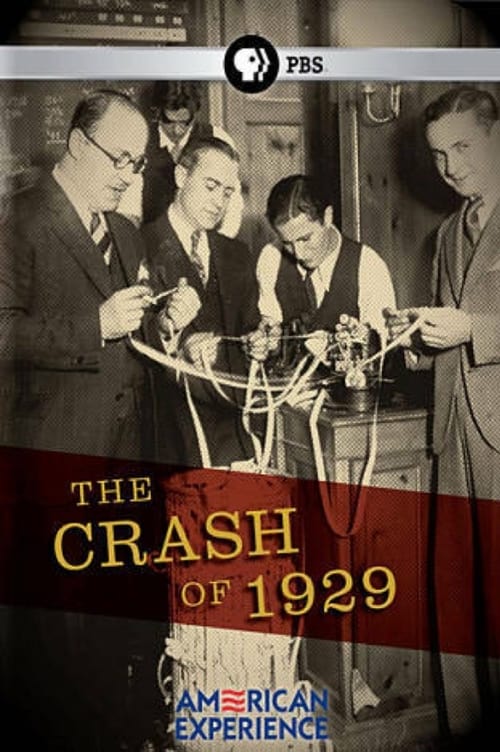
The Crash of 1929
N/A

Based on eight years of continued prosperity, presidents and economists alike confidently predicted that America would soon enter a time when there would be no more poverty, no more depressions -- a "New Era" when everyone could be rich. But when reality finally struck, the consequences of such unbound optimism shocked the world.

The Crash of 1929

1990
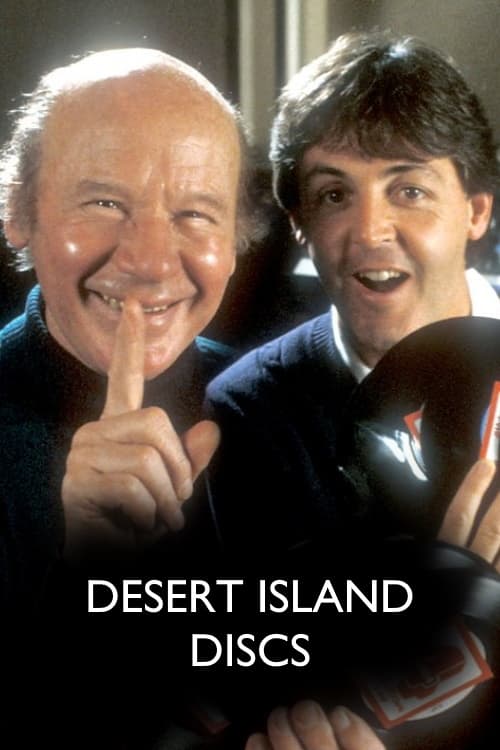
Desert Island Discs
N/A

Arena celebrates Roy Plomley's Desert Island Discs with the help of many celebrity castaways, including Frankie Howerd, Russell Harty, Trevor Brooking, the Lord Mayor of London, Professor JK Galbraith and Arthur Askey. The special guest for the 40th anniversary programme was Paul McCartney who was also a fan of the show: 'I love its homeliness. It conjures up the best in traditional British pleasure, like the great British breakfast. It's an honour to be asked'.

Desert Island Discs

1982
No image
N/A

The battle of the Huertgen Forest was one of the bloodiest of World War II. This is the true story of a battlefield reunion of American and German soldiers nearly 55 years after they fought in the Huertgen forest.

On Common Ground

2001
Race to Oblivion
N/A

Documentary about the dangers of the nuclear arms race, including an interview with an eyewitness of the bomb drop on Hiroshima and scientific statements describing the devastating consequences of a nuclear war.

Race to Oblivion

1982
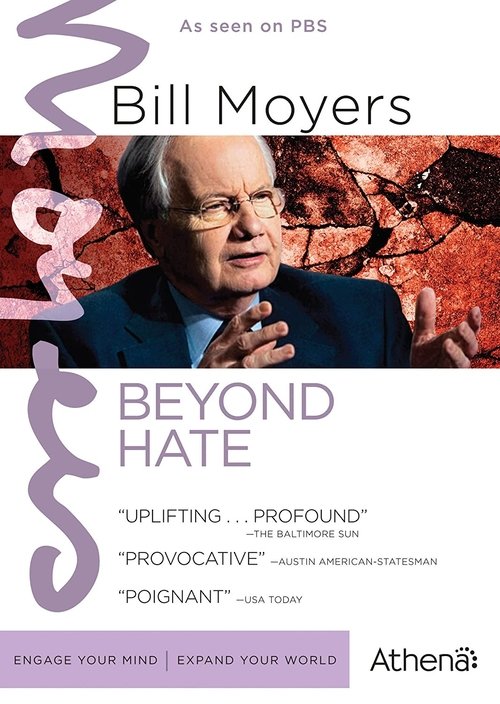
Bill Moyers: Beyond Hate
9.0

Hate has many faces: racism, anti-Semitism, homophobia, sectarianism, domestic violence. But do we really understand its roots, and are there practical ways to cope with it? What is hate doing to us? And what does hate do for us?

Bill Moyers: Beyond Hate

1991
No image
N/A

A look at the advertising industry.

The Nagging Thoughts

1970
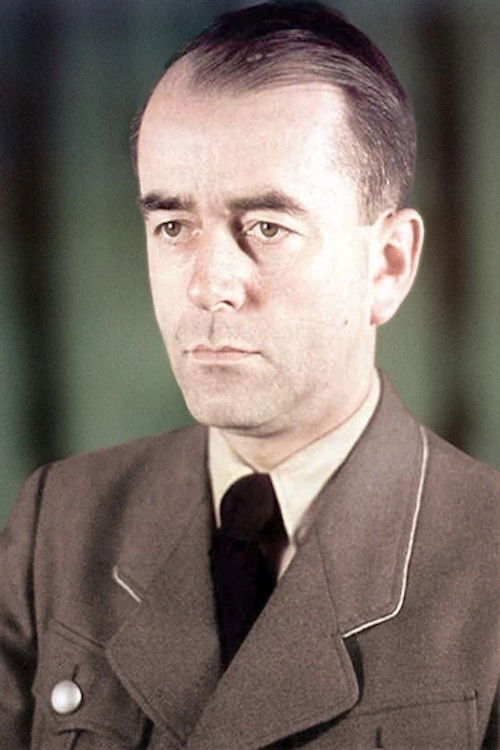
Albert Speer: The Nazi Who Said Sorry
N/A

Albert Speer - Hitler's architect, arms minister and only friend. After the war, he became the Nazi who said sorry, even for the crimes he claimed had been kept secret from him. Was his remorse genuine, or did he know more than he admitted, still proud of his meteoric career under Hitler?

Albert Speer: The Nazi Who Said Sorry

1996
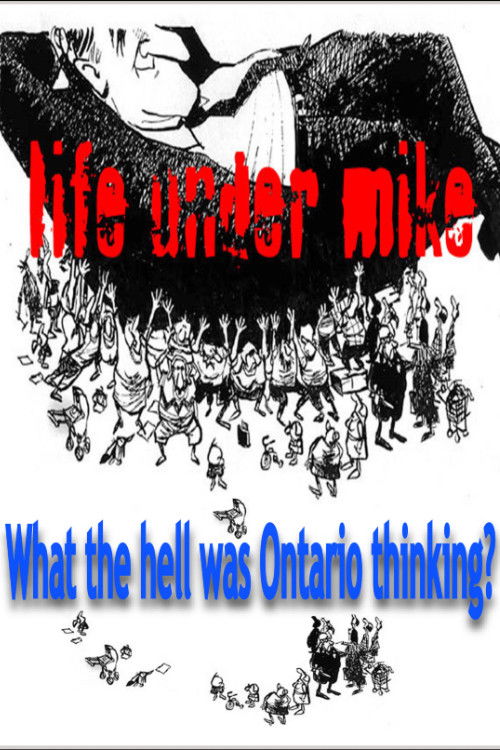
Life Under Mike
7.0

A film examining the state of life in the Canadian province of Ontario under the far right regime of Premier Mike Harris.

Life Under Mike

2000