Writing
Brava Gente was a television series aired by TV Globo in Brazil between 2000 and 2003, initially as a special year-end. The program was adapted from stories and national stories, and plays by famous playwrights, screenwriters and signed by a number represented by several actors and actresses. The genres of the stories varied each week with the style of each director or author. Brava Gente in the stories ranged from comedies and dramas. In all 53 episodes were shown, broadcast on Tuesday nights.
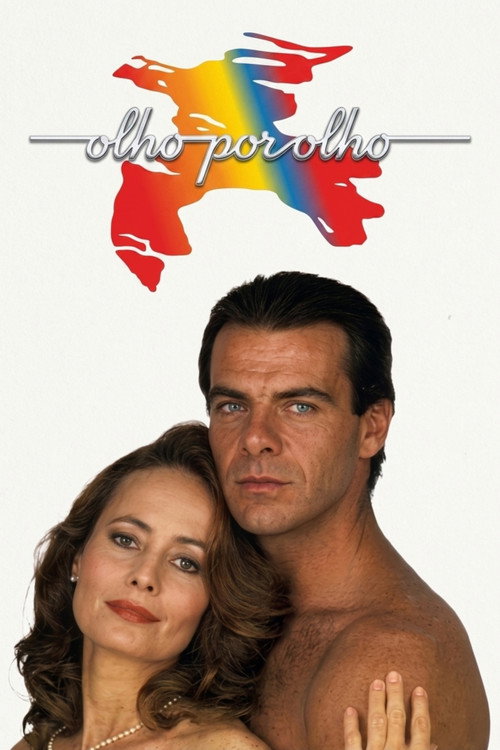
No description available.
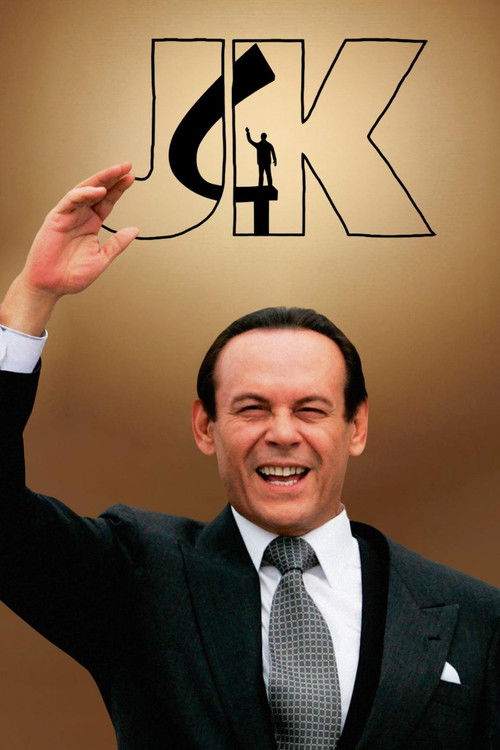
Juscelino Kubitschek was born in Diamantina. Rising from a humble childhood to become a respected physician, he married Sarah and began the journey that would lead him to the presidency of Brazil.
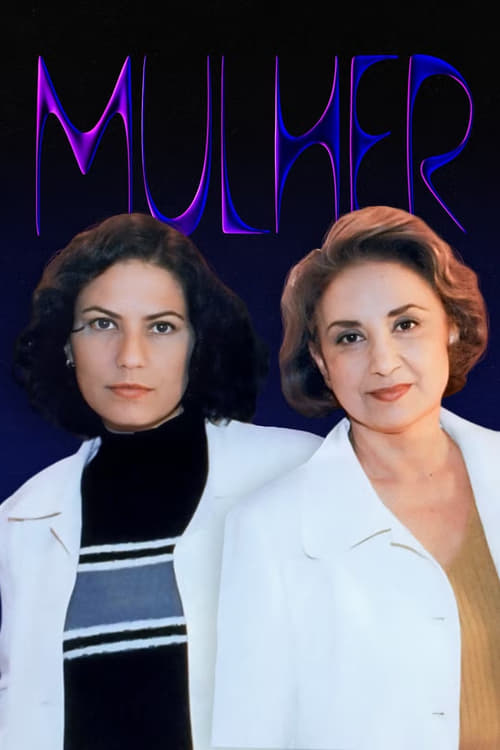
The whole story develops from the doctor Martha, who has worked for 40 years, always at the same clinic in Rio de Janeiro. She knows Cris and realizes that she has found a successor. Then begins the friendship of the two, who try to practice their profession with the utmost ethics, despite the owner of the clinic, who is always trying to say, save.
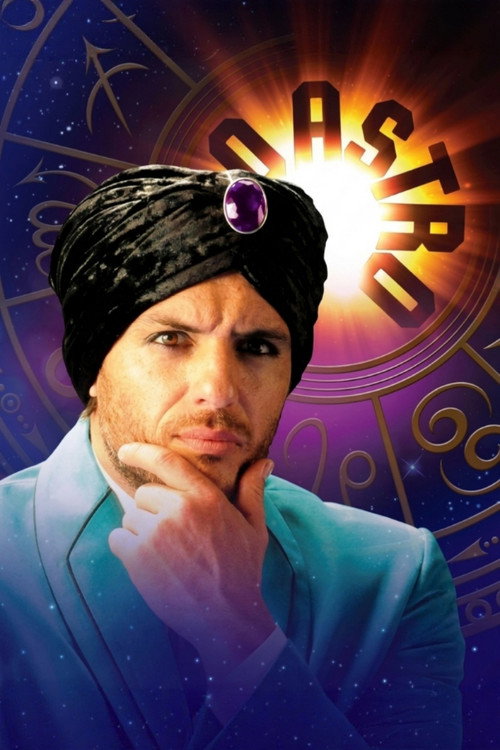
The illusionist is mysterious, captivating and mesmerizes all those around him. But is he really a swindler or a man with extraordinary powers? This fascinating telenovela tells the story of seductive Herculano Quintanilha, who exerts significant influence over his great love Amanda, the Hayalla family and his friends. These and other enigmas can be found in The Illusionist, a telenovela where seduction is the great secret.
Inspired by the work of the same name by João Ubaldo Ribeiro, the miniseries tells the love story between João Pedros, a biologist who decides to make a living from fishing, and the unhappy Ana Clara, married to the corrupt Ângelo Marcos, Secretary of Health. Together with his lover, Bebel, Ângelo plans to take real estate speculation to the paradisiacal island of Santa Cruz. And for this he counts on the complicity of Tavinho and Nando, who belong to the local elite.
A Brazilian theatre group that through talent, irony and humour confronted the Brazilian violent dictatorship in the 1970s revolutionising the gay movement worldwide and changing theatre and dance language to an entire generation.
Singer Dalva de Oliveira and composer Herivelto Martins lived intensely, both on stage and in their personal lives. Their thirteen-year marriage and the conflicts that intensified upon their separation contributed to a significant body of artistic and cultural work. Author: Maria Adelaide Amaral.
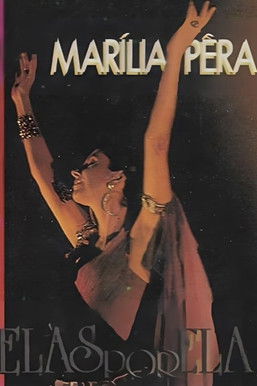
Elas por Ela reconstituted the history of MPB between 1920 and 1970, from the female perspective, also showing the transformation of the role of women in society over these years. Marília Pêra chose 35 singers to honor and, from 50 songs, put together the script for the show.
Taxi driver Oswaldir (Stepan Nercessian) entertains his passengers with stories from his daily work. In the special, the taxi driver tells several cases to a passenger (Luiz Gustavo), such as the story of the manicurist Ivonete (Rita Guedes), a woman so stunning that she was called to be Miss Irajá and pose for the cover of a magazine. Despite all the praise she received, she didn't have a boyfriend. Until Haroldão (Ernesto Piccolo) appeared. He won her over with a beautiful line, but soon let her down.
Reunited for their mother’s funeral, four sisters – Selma, Regina, Laura and Lúcia – find themselves forced to divide much more than an apartment in Copacabana. While dividing the articles, the sisters compare options, destinies, lifestyles, and expectations. The turbulent sale of the apartment represents a turning point in their lives: they know they have never been so deeply involved as accomplices, or as sisters.
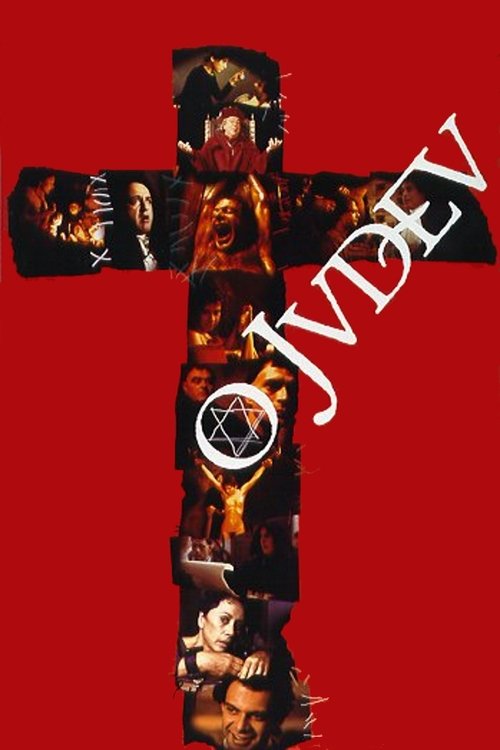
The story of Brazilian Antônio José da Silva, a jewish poet, playwright and lawyer living in the 18th Century Lisbon, who managed to avoid Inquisition by converting himself to Catholicism, after being tortured. But his fierce criticism of Portugal's élite led him to persecution and torture, becoming kind of a scapegoat.
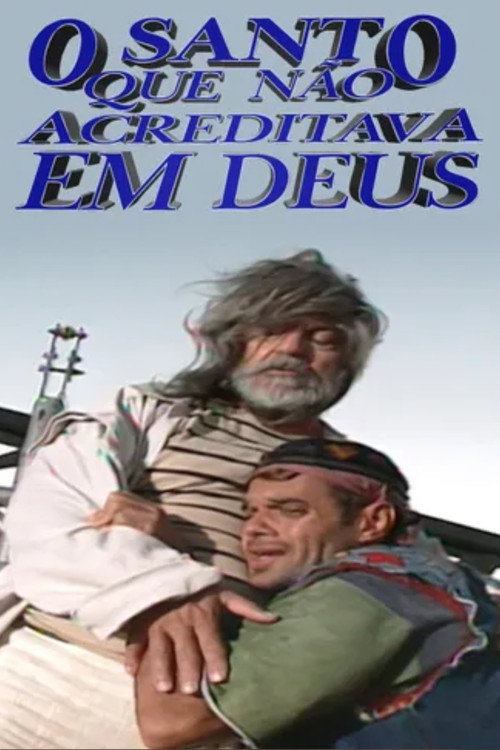
God comes to Earth intending to turn a mule breeder into a saint.
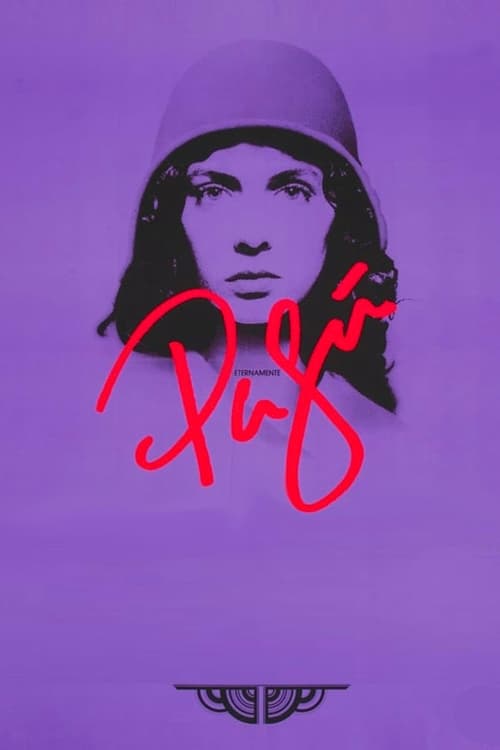
Eternamente Pagu is a biographical film about Patrícia Galvão, best known as Pagu, a Brazilian political, literary and artistic activist. An important figure of the Brazilian Modernism, Pagu was also a militant for the Brazilian Communist Party after she married writer Oswald de Andrade. She broke up with Andrade and, as a journalist was arrested by the Dictatorship of Getúlio Vargas. After she left prison, she abandoned Communism in favor of Trotskyist Socialism, married Geraldo Ferraz, and started a career as theatre director.