Rita Roy
Editing
Known For

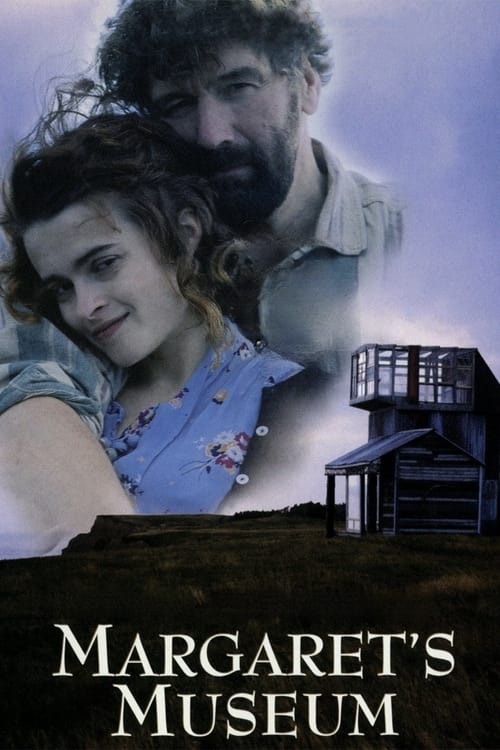
In a town where half the men die down the coalpit, Margaret MacNeil is quite happy being single in her small Cape Breton island town. Until she meets Neil Currie, a charming and sincere bagpipe-playing, Gaelic-speaking dishwasher. But no matter what you do, you can't avoid the spectre of the pit forever.
Margaret's Museum

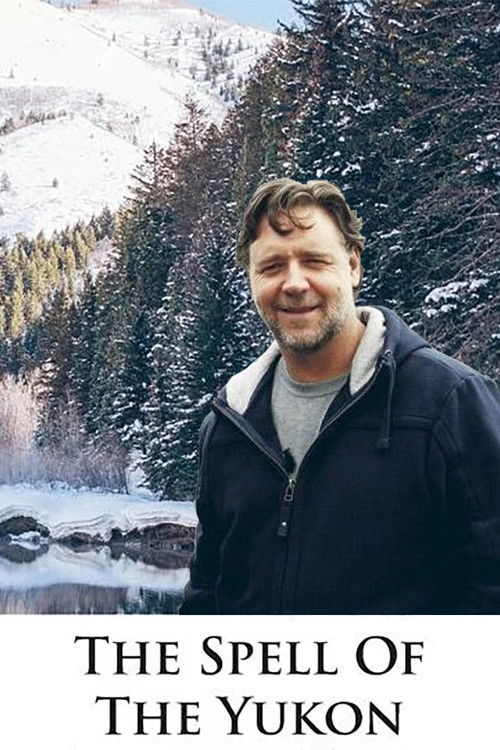
This documentary tells the haunting story of the Klondike Gold Rush in legendary Dawson City. Peppered with Robert Service poems read by New Zealand-born Hollywood actor Russell Crowe, the film recounts how stampedes of fortune seekers came to the Yukon from far and wide in 1897. Less than half of the 100,000 adventurers ever finished the treacherous journey. Archival photographs re-create the saga of the Klondike, including stories from the deadly Chilkoot Pass and Dawson City itself, where fortunes were made and lost overnight. With a personal stake and a sense of wonder, filmmaker Rita Roy discovers a territory still vibrant with legends, and miners still panning for gold under the spell of the harsh yet stunning wilderness.
The Spell of the Yukon

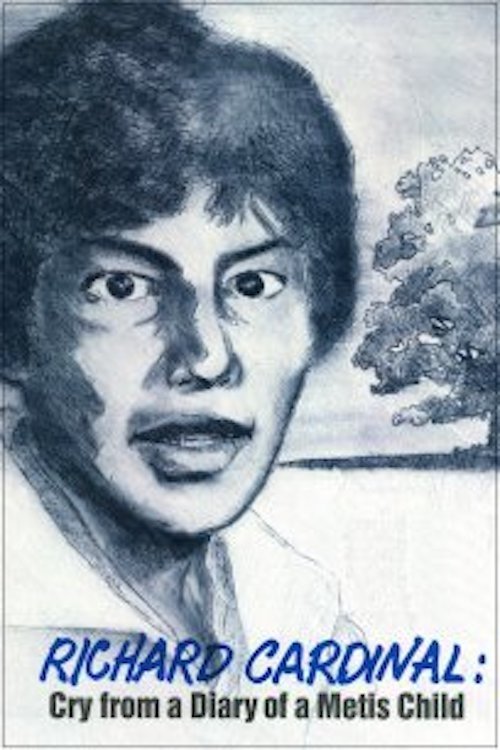
This short documentary is a moving tribute to Richard Cardinal, a Métis adolescent who committed suicide in 1984. Taken from his home at the age of 4 due to family problems, he spent the rest of his 17 short years moving in and out of 28 foster homes, group homes and shelters in Alberta. A sensitive, articulate young man, Richard Cardinal left behind a diary upon which this film is based.
Richard Cardinal: Cry from a Diary of a Métis Child
A historical drama set in 1889, Chandler's Mill examines the plight of workers, and particularly child workers, in the New Brunswick wool industry. The story revolves around the efforts of one young teenage girl to better the lives of her friend and other workers, on the eve of a public hearing of the Canadian Royal Commission on Capital and Labour. Through the use of historical re-enactment, Chandler's Mill explores the issues of child labour, worker's rights and union organizing in 19th-century Canada.
Chandler's Mill

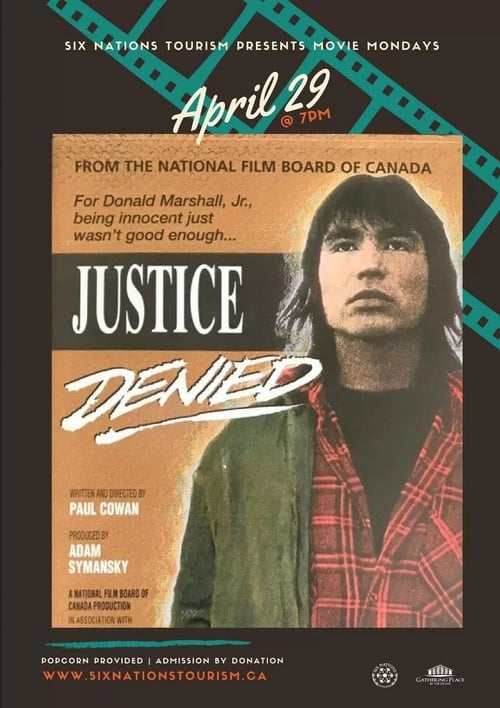
Donald Marshall is imprisoned for a murder he didn't commit.
Justice Denied

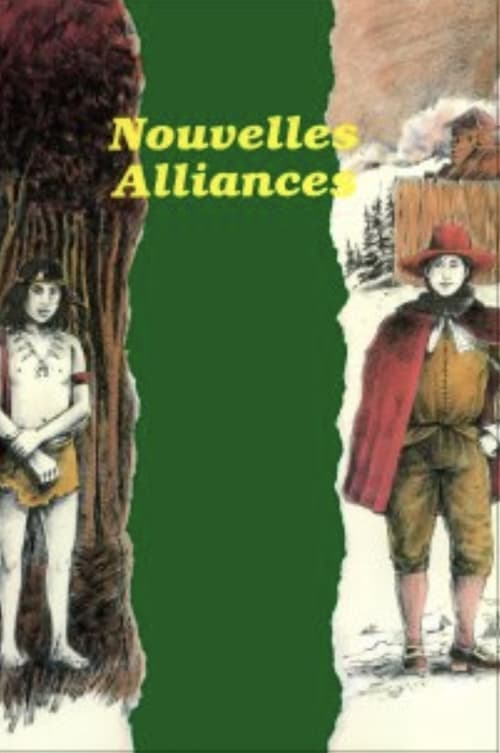
The dramatic story of two youths--one French and one Indigenous--who share a pivotal time in Canada's history: the first contact between European and First Nations peoples.
Rendezvous Canada, 1606

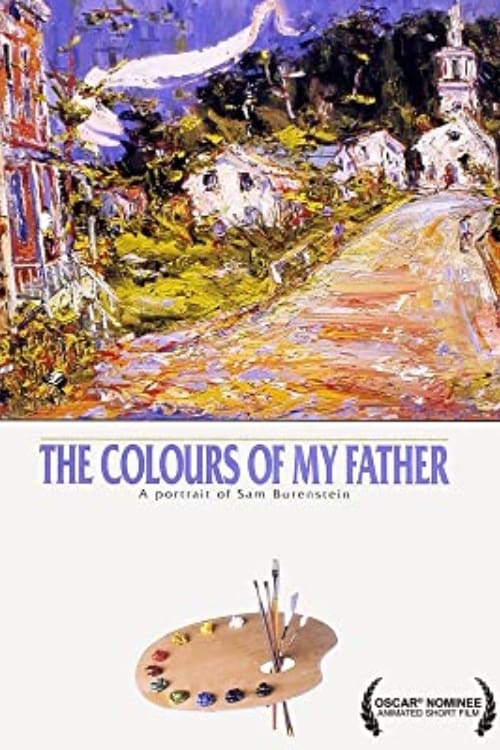
The Colours of My Father: A Portrait of Sam Borenstein is a 1992 short animated documentary directed by Joyce Borenstein about her father, the Canadian painter Sam Borenstein. It was nominated for an Academy Award for Best Documentary Short. In Canada, it was named best short documentary at the 12th Genie Awards.
The Colours of My Father: A Portrait of Sam Borenstein

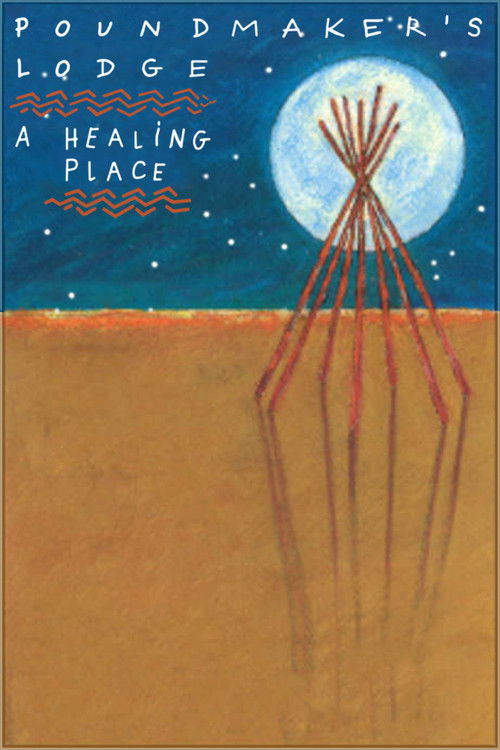
Just north of the City of Edmonton lies Poundmaker’s Lodge, an addiction and mental-health facility specializing in treatment for Indigenous people. Founded in 1973 and still operational today, the Lodge’s programs and services are Indigenous-run and based in culturally appropriate recovery and healing techniques. Framing the short documentary with the words of the great Plains Cree Chief Pîhtokahanapiwiyin (Poundmaker), Alanis Obomsawin presents a frank examination of the root causes of substance abuse in Indigenous communities and how the absence of love and support – exacerbated by the impacts of colonialism and racism – created a legacy of alcoholism for some individuals. Through searing and emotional testimonies of people in the Lodge, this work presents portraits of courage and perseverance, and hope for future generations.