Acting
A television serial that was in turn adapted from a radio series and a novel, My Daughter And I featured a Japanese novelist who is married to a French woman who have one daughter. The man and his daughter begin a new life when the woman dies. Having difficulty spending time with his daughter, the man sends his daughter to a Christian boarding school. He remarries and brings his daughter back home. After the end of the World War his lot improves professionally, yet his second wife dies.
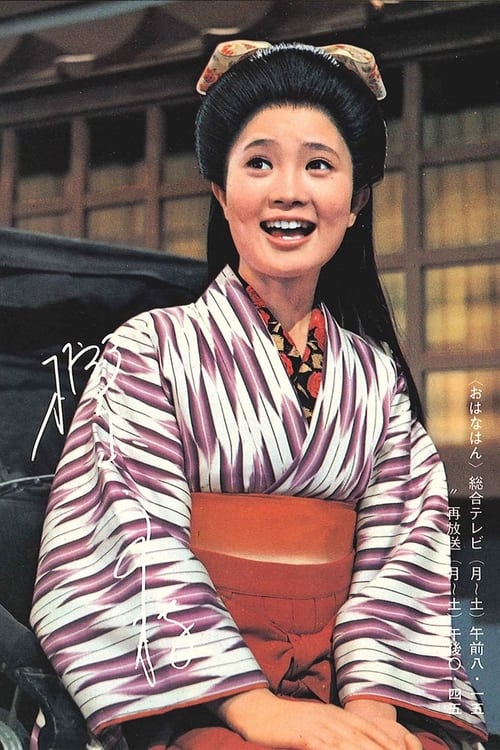
The 6th NHK Asadora. Starring Fumie Kashiyama as a woman, born in the Meiji era, who raises a family by herself.
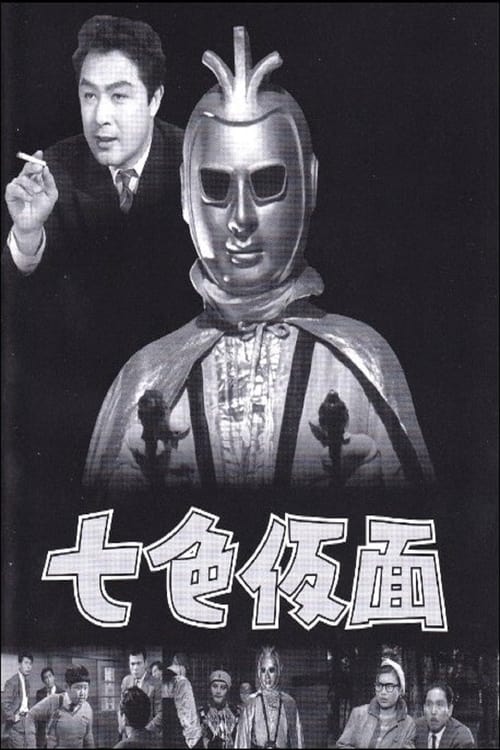
Seven Color Mask (七色仮面, Nanairo Kamen) is the name and title character of a tokusatsu TV series, later called New Seven Color Mask (新七色仮面, Shin Nanairo Kamen). It was created by Kōhan Kawauchi, who also created Moonlight Mask. This B&W TV show was the first superhero TV series by Toei Company Ltd. It was broadcast on NET (now TV Asahi) from June 3, 1959 to June 30, 1960, with a total of 57 episodes divided into 7 segments. Aside from being Toei's first TV superhero show, this series was also the debut of actor Sonny Chiba, who was 19 at the time, who took over the title role from Susumu Namijima after Episode 32.
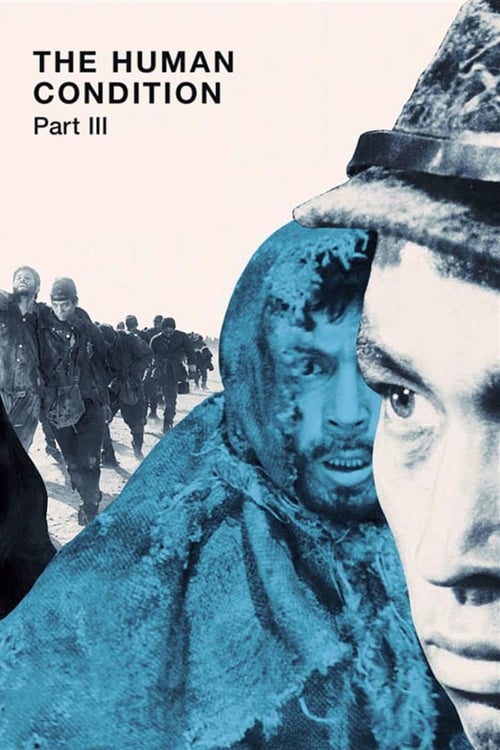
After the Japanese defeat to the Russians, Kaji leads the last remaining men through Manchuria. Intent on returning to his old life, he faces great odds in a variety of different harrowing circumstances as he and his men sneak behind enemy lines.
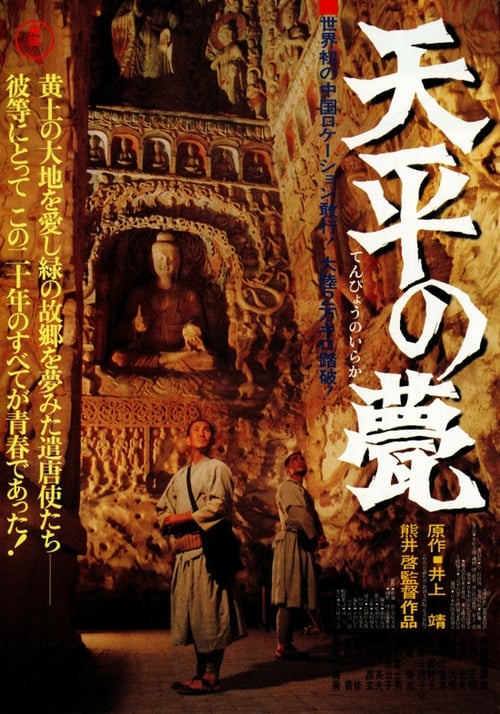
Set in Japan's Tenpyou era (729-749 CE), four young monks are sent to China to study Buddhism and bring a high priest back to Japan with them. The film tells the tale of the four monks' youth and the life and times of the high priest Ganjin.
Successful and married with children, paper-mill owner Jihei knows better than to contradict the strict social and moral codes of 18th-century Japan. But when he meets the lovely courtesan Koharu, he becomes a man obsessed. Koharu returns his love, even foregoing other customers while Jihei schemes to somehow buy her freedom. His efforts yield ruinous consequences for his business and his family life, and Koharu is meanwhile purchased by another client.
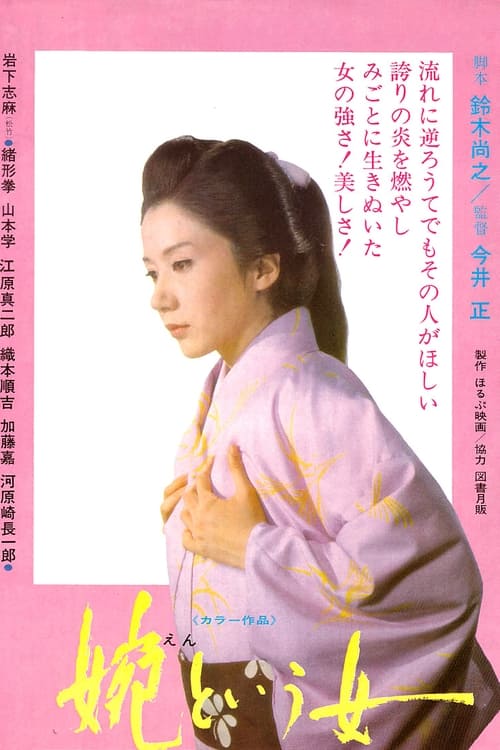
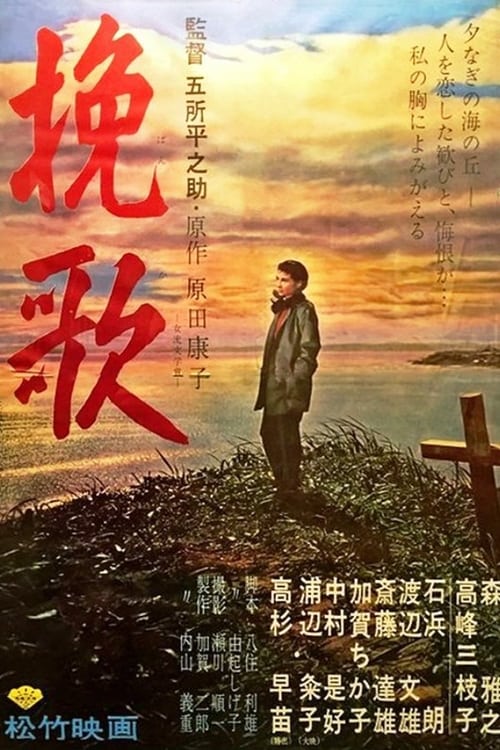
Set at the end of the feudal period. A woman spends most of her early life in prison, incarcerated by political opponents of her father. When she is released at the age of 44, the power struggles of her clan continue to disturb her life and the man whom she loves.
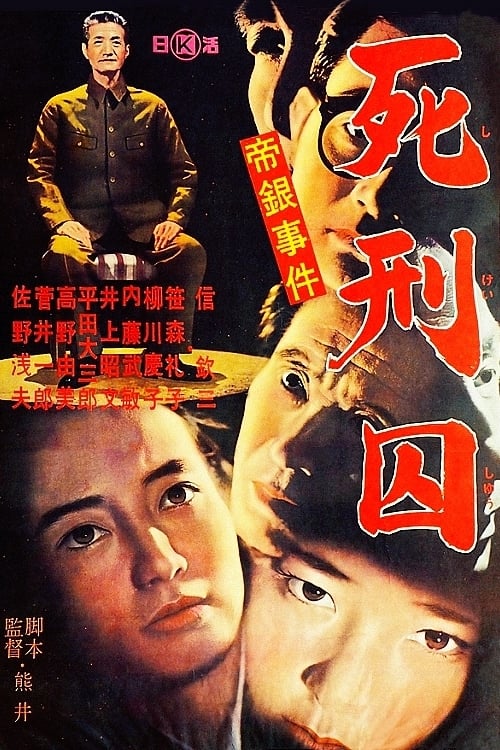
On January 26, 1948, a robbery of the Teigin bank took place in Tokyo - the criminal poisoned the bank employees and fled the scene with a large amount of money. In parallel with the investigation conducted by the Japanese police, journalists are also trying to find the culprit. Based on a true incident.
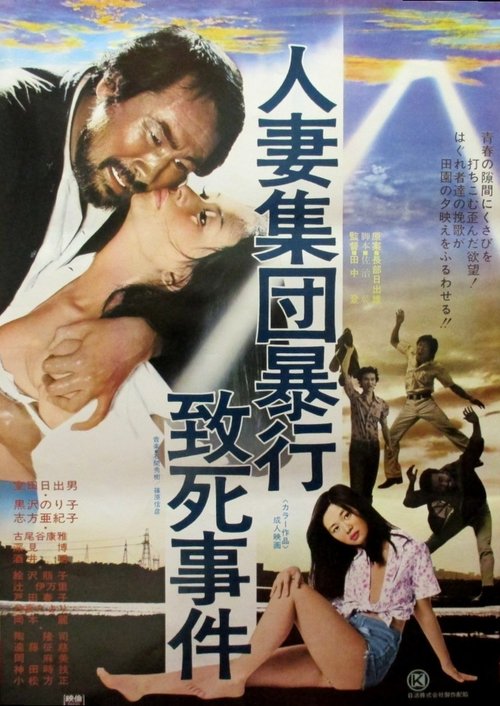
Three young boys drunkenly rape a woman named Emiko, the wife of a man they've developed a friendship with. She dies of heart failure during the attack. Her chicken farmer husband, incapable of dealing with her death tends to her corpse as though it were still alive completely unable to accept her demise.
King Rose returns, unleashing terror from beyond the grave. Detective Kotaro Ran, as Seven-Color Mask, investigates eerie crimes. As he unravels the mystery, he faces deadly traps and a final battle to stop King Rose's reign.. The third and final installment of Seven-Color Mask: King Rose.
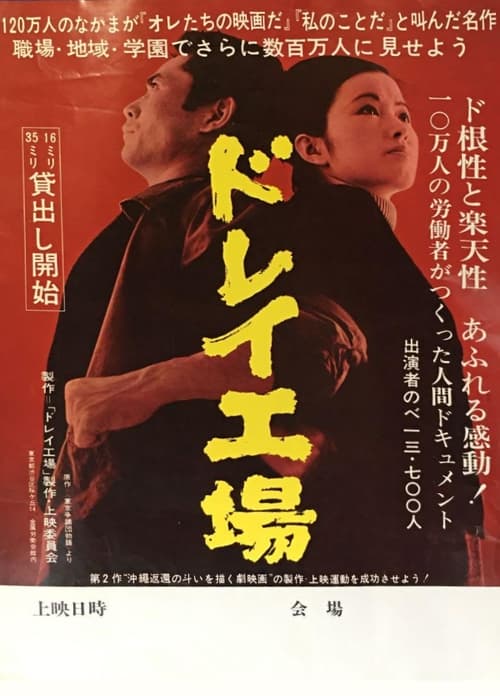
After the death of a colleague, the workers at a factory form a labor union.
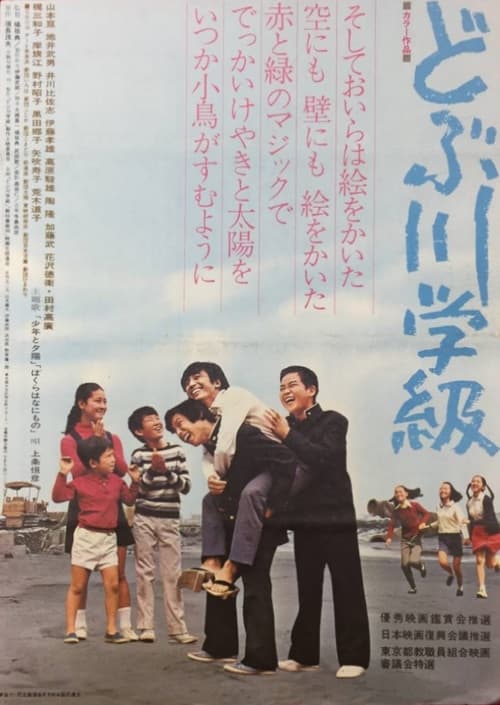
The struggle of a young man and boys who try to create the environment where they can speak their minds freely.
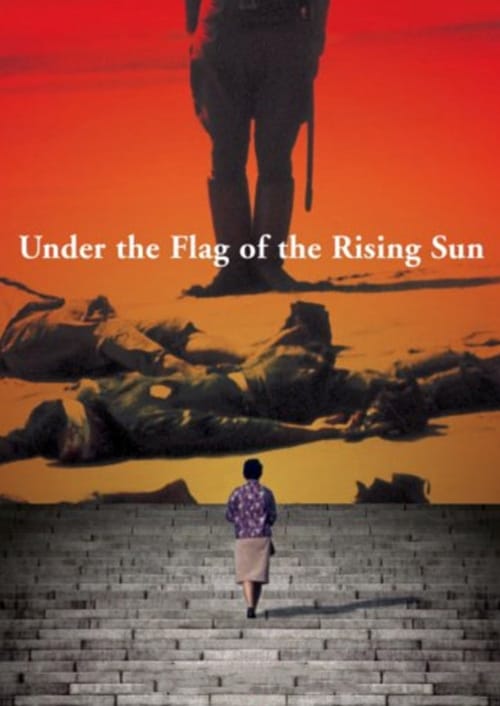
A war widow determined to clear the name of her disgraced husband, who was court-martialed for desertion and executed. Official records have been destroyed, and the ministry that distributes benefits continues to deny her a pension. Twenty-six years after the war, she seeks out four survivors of her husband's garrison. Each tells a dramatically different story about her husband's conduct, but she is determined to learn the truth.
In a military family, an illegitimate son is brutalized by his brothers. A patriarchal, feudalistic household where dissent is forbidden is used to reveal the whole imperialist system that afflicted Japan between 1921 and 1946.
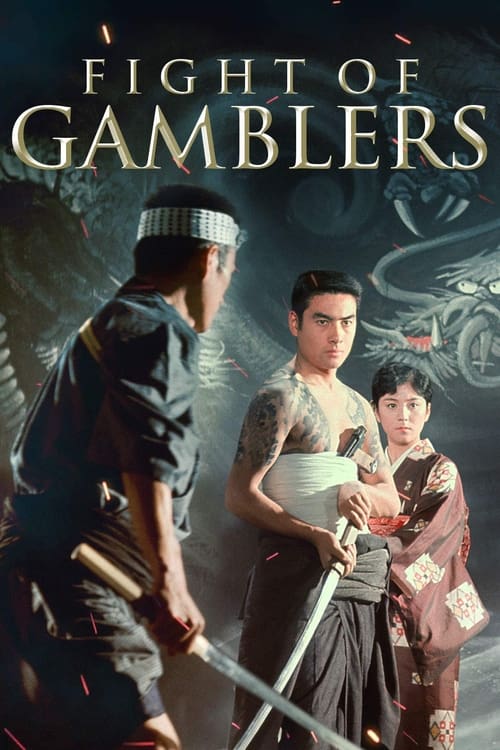
Ryuji Oshima, a gambler, kills Saiga in self-defense, and considering himself unfit to lead men, secludes himself in a temple to atone for his misdeeds. At home, when his mother, the boss of a construction gang, bids for and gets the job of building the Town Hall, other gangs set out to disrupt her business and try to kill her.
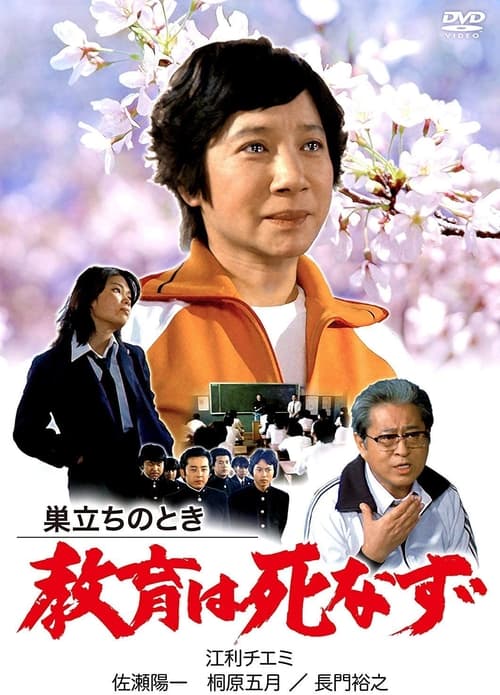
Here is a school that has never expelled a single student, believing in its children even after betrayal and betrayal after betrayal! Yoji (Yoichi Sase), the son of a doctor in Suwa, and Nobuko (Mayuki Kirihara), the daughter of a weaver in Kyoto, are transferred to the class of Omura (Chiemi Eri), a PE teacher at Shinonoi Asahi High School, a private school for troubled children. The school principal (Hiroyuki Nagato) says that the school's policy of "not letting anyone drop out of school" must be upheld, and Omura struggles to do everything in his power to respond. Based on a true story by Shigeta Wakabayashi, an education critic, the film depicts the relationship between a student abandoned by his parents and a teacher who sincerely deals with them.
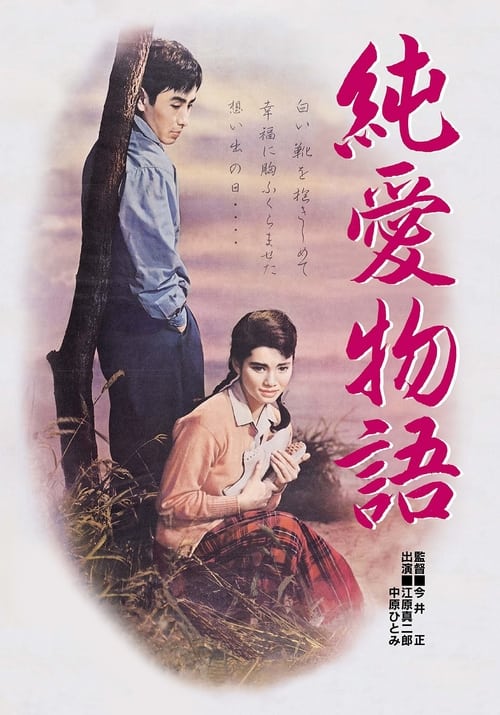
Junai Monogatari AKA Story of Pure Love is about two poor youths, Mitsuko and Kando, rebelling against society in various ways, who are desperately trying to be together despite tortuous circumstances. The film depicts their lives as thieves, menial laborers who can get little pay, society outcasts, and of course, lovers. Junai Monogatari depicts, mostly, their struggles within the Japanese reformatory system and Mitsuko's worsening sickness.
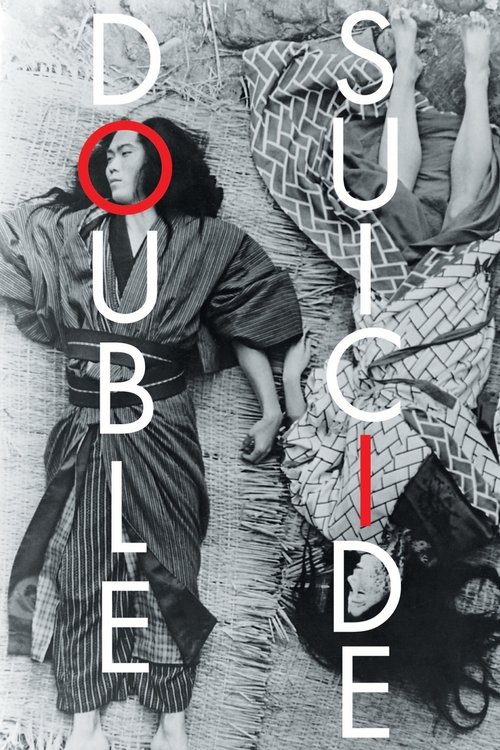
A survivor of the tragic mass suicides on Tokashiki Island in 1945 falls in love with a near-mute motorcycle engineer.
Reiko, a young woman with a physical disability, begins a clandestine affair with the married architect Katsuragi, but also becomes dangerously obsessed with his unfaithful wife, Akiko.
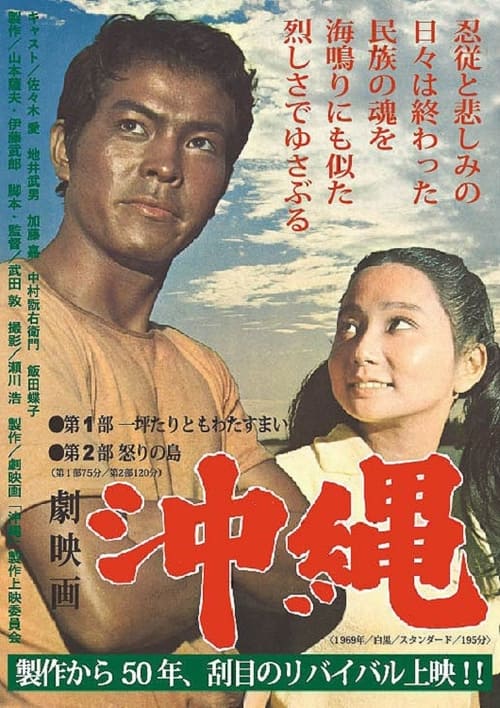
A group of teenagers grow up in Okinawa amid the protests and resistance against the presence of the American base in the island.