Gabriele Cipollitti
Directing
Known For
Alberto Angela leads the dissemination program dedicated to history, art and culture. A historical, archaeological, informative story, with the presence of some protagonists of the Italian cultural or artistic scene.
Ulisse - The Pleasure of Discovery
Alberto Angela takes us on a new journey, this time to discover Italy's "Wonders," those that make us a true "peninsula of treasures." Four episodes, twelve stops on an itinerary of art and natural beauty in UNESCO World Heritage sites.
Wonders - The Peninsula of Treasures

Alberto Angela with Noos, the new series dedicated to popular science, takes the place historically occupied by "Superquark" and is a completely new program while maintaining the strengths of its predecessor. The latest discoveries in the fields of medicine, genetics, neuroscience, biology. But with an eye also to archeology, paleontology, the most important technological, energy and environmental innovations. All always explained in an understandable way by Alberto Angela in the studio with guests and services.
Noos - The Adventure of Knowledge
« For over twenty years we have filmed at night in the most important museums in the world. It's the only possible time to film the empty halls or the precious artifacts out of the windows because there are no visitors. But at night the Museum changes face. Just you in front of the masterpieces in the silence. The Museum seems to show and offer you its treasures in an atmosphere of intimacy. I always wanted to transmit and give this atmosphere that I breathed to viewers. » (Alberto Angela)
Tonight in...
Seven episodes explore the fascinating adventure of the universe. Scientific rigor is complemented by spectacular images created with the aid of cutting-edge technology and special effects, films, animated fact sheets, and astronomical instruments. Piero Angela connects with a replica of himself in space, AstroPiero. A second correspondent, Alberto Angela, connects with the study from astrophysics laboratories and observatories around the world.
Journey into the Cosmos
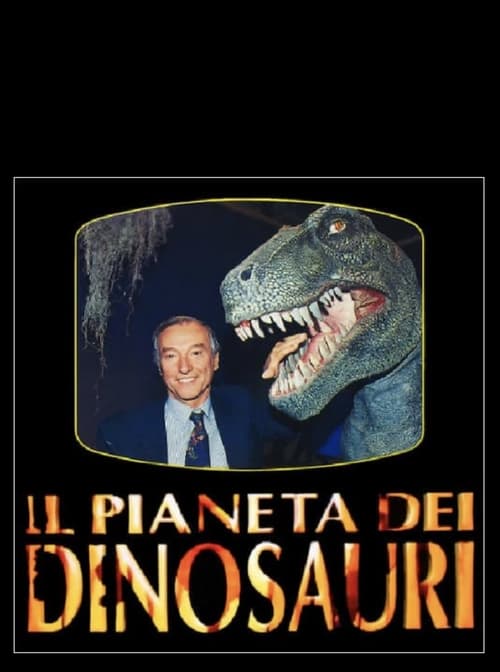
Il planet of the dinosaurs was a television documentary series, hosted by Piero and Alberto Angela in 1993, dedicated to the life of the Dinosaurs studied by the reconstructions, thanks to the co-production with Agip and the advice of Professor Dale Russell.
The Planet of the Dinosaurs
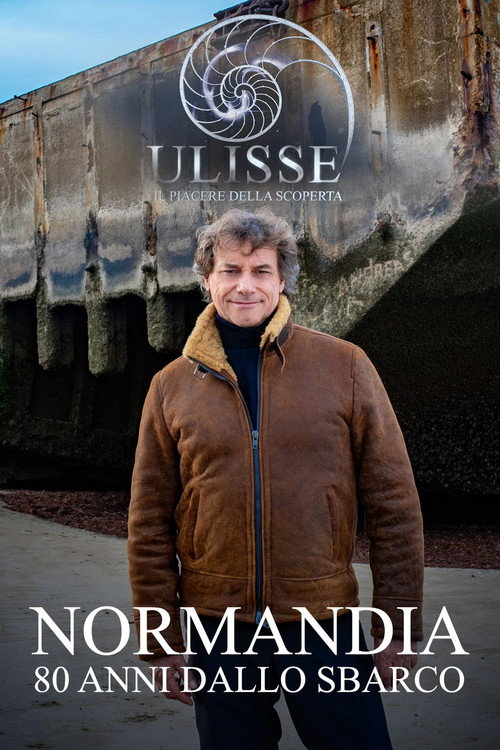
Alberto Angela retraces the stages of the largest military landing in history, recounting the preparation and consequences, up to the liberation of Paris on 25 August 1944, which ideally marks the end of the great operation that began with D-Day.
Ulisse Special - Normandy, 80 Years Since the Landing
No description available.
30 anni di SuperQuark - un viaggio sorprendente
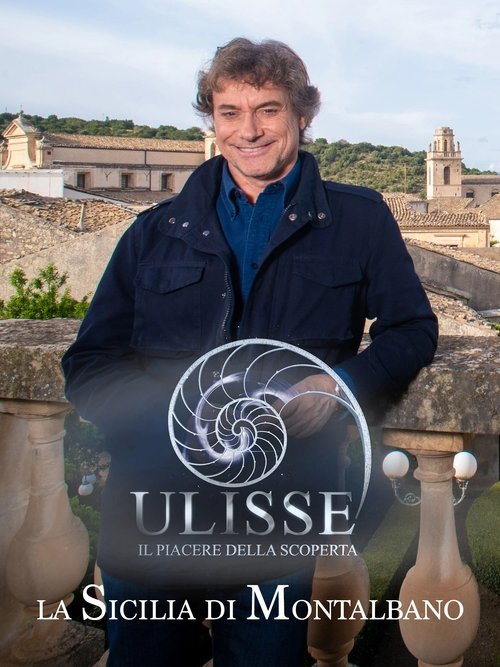
Alberto Angela celebrates the centenary of Andrea Camilleri's birth with a trip to the places of Inspector Montalbano, including Scicli, Ragusa and the Valley of the Temples, meeting the cast of the series and paying homage to the writer.
Montalbano's Sicily
No description available.
Viaggio senza ritorno
Alberto Angela accompanies the public to the African continent with a long special entirely dedicated to Namibia. A country with extraordinary landscapes and wild nature, one of the last places where it is possible to see the most authentic Africa.
Wonders of Africa - Namibia
Alberto Angela takes viewers on a journey through the Archaeological Park of Pompei, revealing a preview of unexplored areas and finds newly discovered by archaeologists.
Pompei - The New Discoveries
Piero Angela talks about music through instruments and their virtuosos. Each episode brings together a family of instruments: piano and its surroundings; arches ; brass; reeds and stringed instruments.
Superquark Music
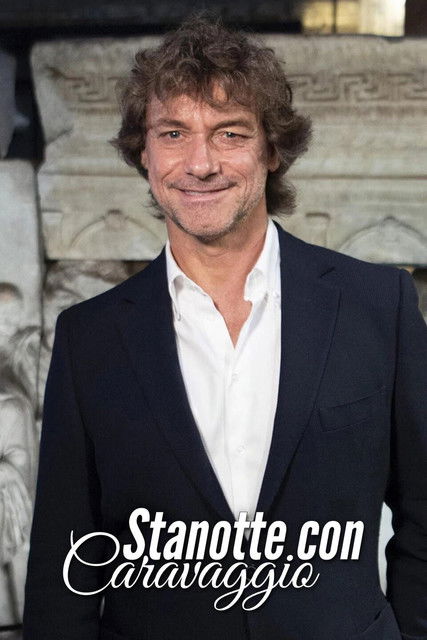
Alberto Angela presents Stanotte con Caravaggio, the story of the life and works of one of the best known and loved artists of all time: Caravaggio. This unpublished episode of Raiuno is dedicated to him, to his story and to his immortal works, an extraordinary journey into art and the past.
Tonight with Caravaggio
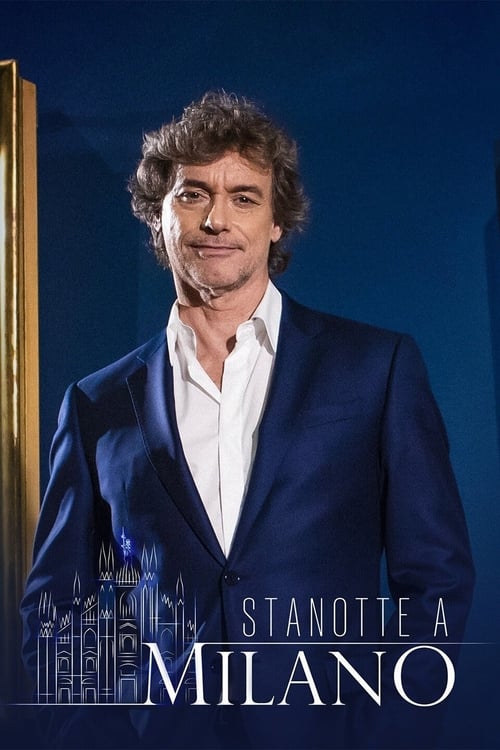
Starting from the main spire of the Duomo, right under the Madonnina, Alberto crosses the city at night, discovering the more or less hidden treasures of the Lombard capital: from the stage of the Teatro alla Scala to the basilica of S. Ambrogio, from the Brera art gallery to the library Ambrosiana, custodian of Leonardo's priceless Atlantic Codex. A journey into art that takes the viewer to the presence of Vinci's Last Supper but also among the "Seven Heavenly Palaces", the gigantic installation by Anselm Kiefer kept in the Pirelli Hangar Bicocca, or among the futurists of the Museo del Novecento. A journey into the history of the city, former capital of the Roman Empire, proud medieval municipality and one of the most splendid lordships with the Viscontis and the Sforzas. This route does not lack the most representative places of Milanese life today, such as the Central Station, the Gallery, the Navigli and the skyscrapers that have redesigned the skyline in recent decades.
Tonight in Milan
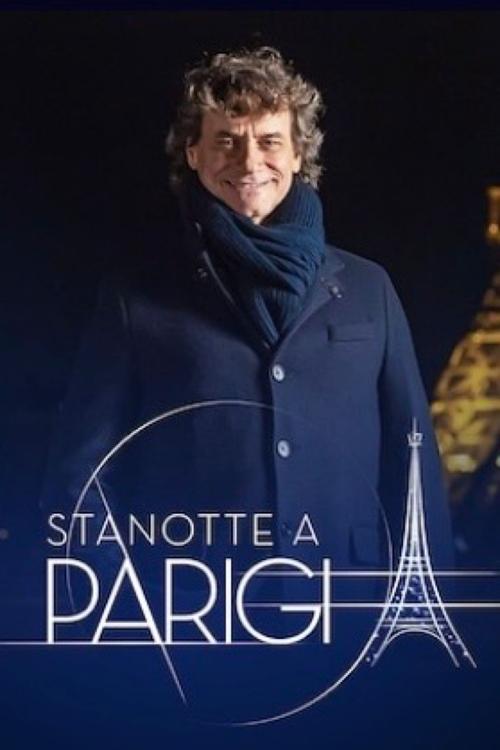
The prestigious series of nights traveling with Alberto Angela continues: this will be the night of a grandiose and at the same time unusual Paris. We will go to the most famous places of the Ville Lumière and the most difficult to find. A journey through the history, art and music of Paris, from the Trocadero square, with the Eiffel Tower shining over the city, up to Versailles, passing through the Opera, Notre Dame, Montmartre. In addition to Giancarlo Giannini in the role of Inspector Maigret who seems to know all the secrets of Paris, many illustrious guests such as Mika and Donnarumma, who will tell their Parisian stories, or Lola Ponce who will make us relive the atmosphere of Riccardo Cocciante's musical, Notre-Dame de Paris.
Tonight in Paris

Alberto Angela guides us through the most famous and spectacular places of the Eternal City, on a journey through the history, art, music and cinema of Rome.
Tonight in Rome
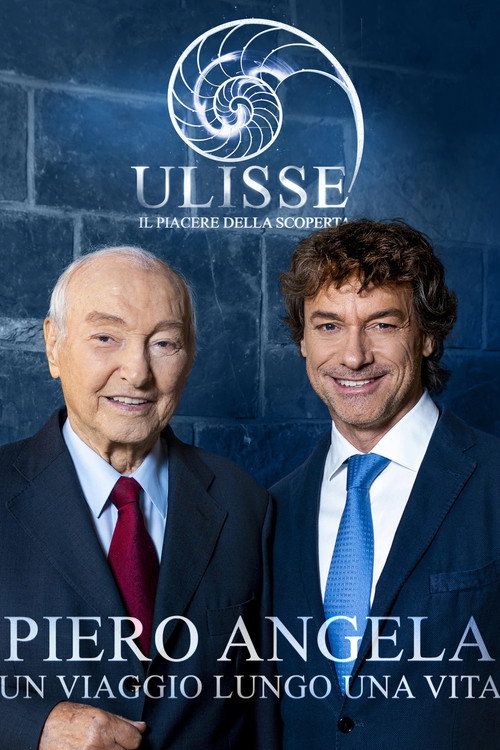
No description available.
Speciale Ulisse: Piero Angela, un viaggio lungo una vita
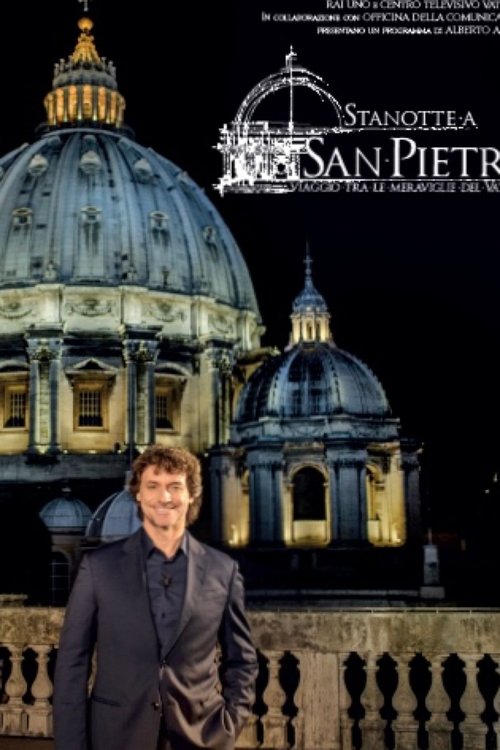
No description available.
Stanotte a San Pietro

No description available.