Edward Quinn
Directing
Known For
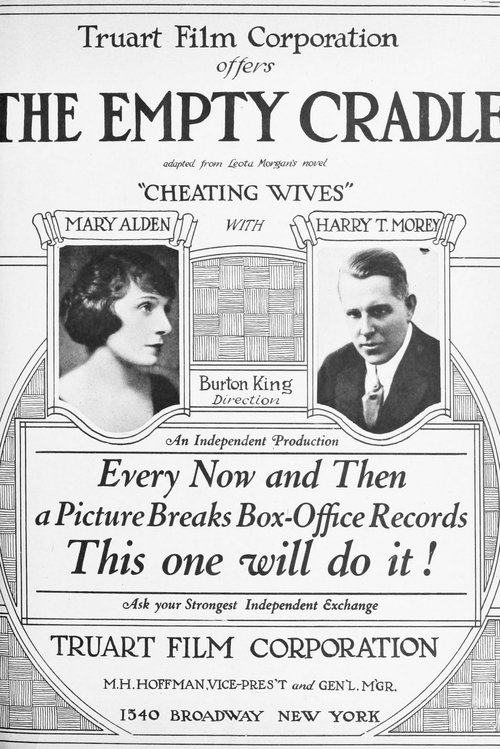
Disowned by her family for marrying beneath her class, Alice Larkin lives in a modest home with her husband, John, and their children. Meanwhile, wealthy Ethel Lewis is separated from her husband, Robert, because she refuses to have children. On Ethel's behalf, a lawyer offers Alice $50,000 in exchange for the adoption of her youngest child, Louise. After Alice reluctantly accepts, Ethel presents the child to Robert as their own. Alice visits the Lewis home frequently, rekindling Robert's long-dormant romantic feelings for her. John is consumed with jealousy and attempts to shoot Robert, but accidentally hits Louise. Alice then awakens to find that it was a horrible dream. She refuses the lawyer's offer just as her Aunt Martha enters with apologies and Christmas presents.
The Empty Cradle
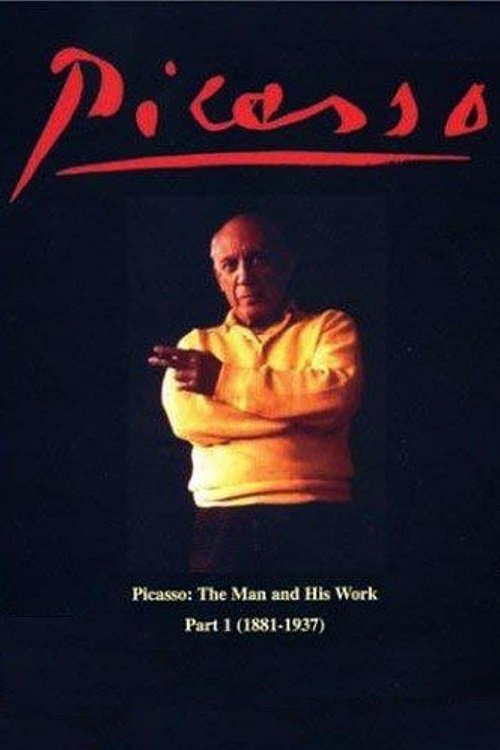
Picasso: The Man and His Work, Part 1 - 1881-1937 is a comprehensive documentary featuring Pablo Picasso himself. Filmed largely at Picasso's home in the south of France, the video presents footage of the world-famous Spanish painter and sculptor at leisure and at work. During the last 22 years of Picasso's life, filmmaker Edward Quinn had unrestricted access to the artist. Here, Quinn creates a video scrapbook of exclusive home movies and photographs, as well as more than 600 of the artist's works never displayed in public. Simultaneously, he traces the development of Picasso's life and work, discussing certain pieces and periods, giving some insight into the artist's creative process.
Picasso: The Man and His Work Part 1 (1881-1937)
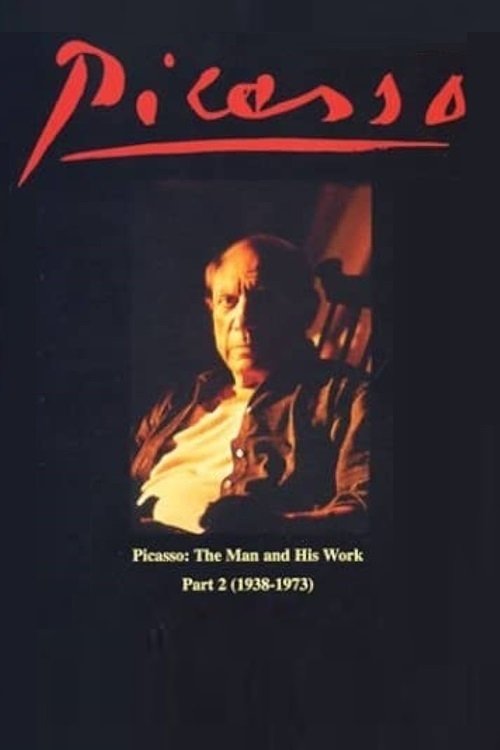
To the very end, Pablo Picasso was just as complicatedly fascinating as his cubist paintings. This film focuses upon Picasso's last 22 years of life, utilizing personal photos, home movies, and well over 600 pieces of the artist's work -- some never before been seen by the general public -- to piece together the later part of this amazing man's life. In fact, scenes shot for this film were some of the last footage ever to be taken of the artist. Filmmaker Edward Quinn had the distinct advantage of complete access to the artist, and he used this close proximity to shed light on Picasso's uniquely creative process.