Editing
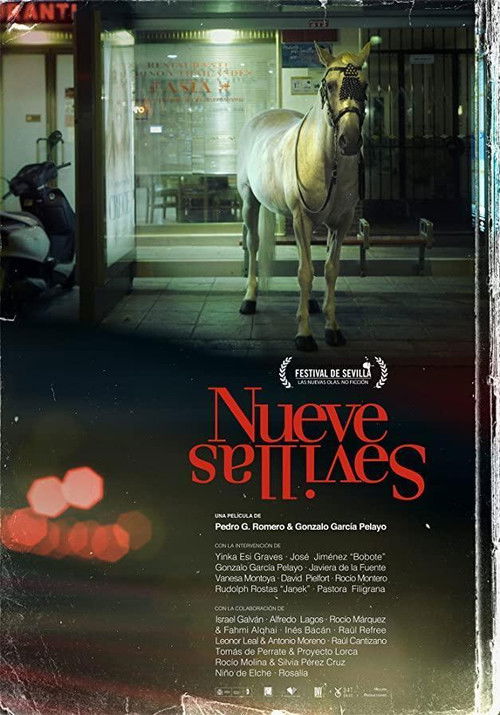
"Nueve Sevillas" is a heterodox psycho-geographical profile of the new flamenco in Seville. Nine characters coexist with the great flamenco artists of today.
A fiction feature shot with real patients and their therapists that shows the day-to-day life of a group of anorexia nervosa patients during their hospitalization and the relationship with their therapists.
Ramón and Céline are a young couple that attended a concert at the Bataclan theatre in Paris on the fateful night of November 13, 2015. They survive the attack, but when they leave the theatre, they are no longer the same. That night leaves a deep scar on both their lives and each tries to cope.
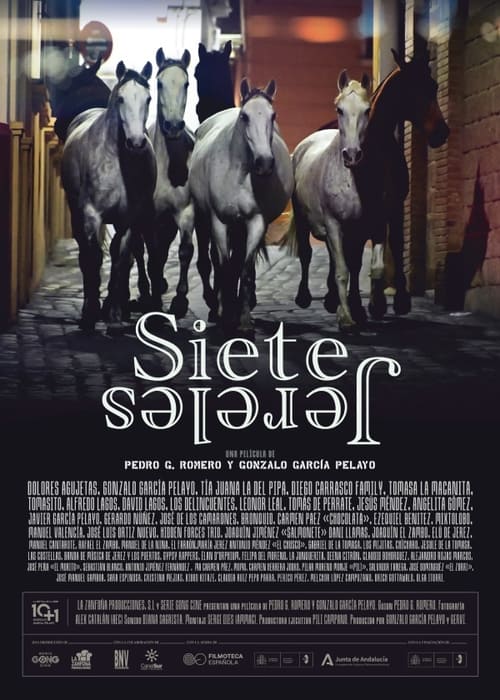
The actors, actresses, characters and horses that star in this film configure unexplored territory, perhaps that undetermined space in which the city of Jerez builds a new image for flamenco.
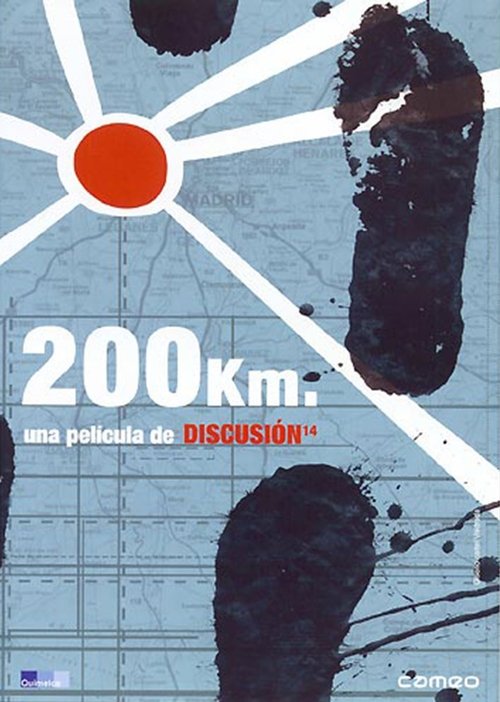
200 km follows the marches carried out by Sintel workers to reach Madrid on May 1, 2002. Sintel was a subsidiary of Telefónica that, when it was privatized, was closed, leaving its 1,800 workers on the streets. One year after setting up the "Camp of Hope" with which they occupied Madrid's Avenida de la Castellana for months, and with the promises they were made unfulfilled, Sintel workers began a 10-day, 200-km march to Madrid to claim your job. Premiered on San Sebastian Film Festival 2003.
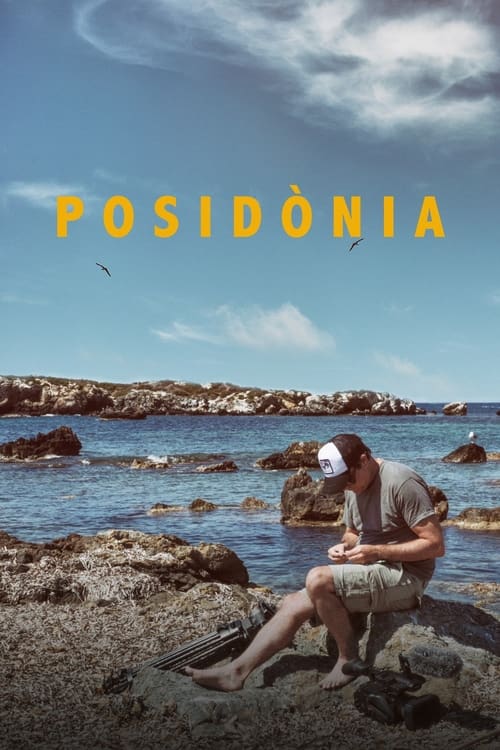
In 1778, a group of genoese merchants settled in Tabarca island. 250 years later, a filmmaker wants to discover the secrets of the posidonia, the longest living being on the planet, but a pandemic turns over the documentary, all inhabitants have disappeared, and the posidonia too.
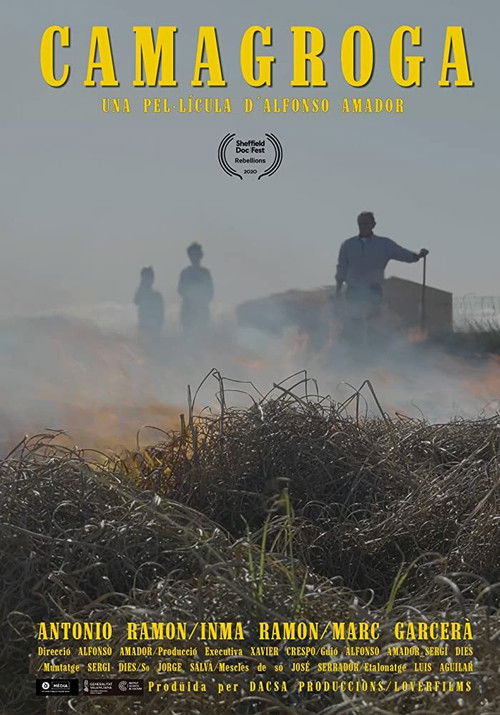
Tiger nut milk is the main ingredient in the specialty drink horchata. This documentary shows the careful process of harvesting these nuts in the La Huerta area of Valencia.
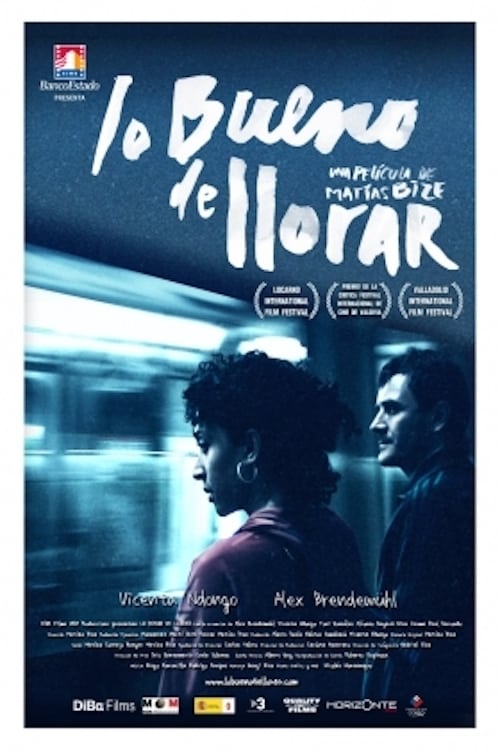
About Crying is a story about a relationship that is close to end. Vera and Alejandro are facing a long night with decisions, doubts, fears, lies, silence and arguments. This story is a trip from the high Barcelona to the sea.
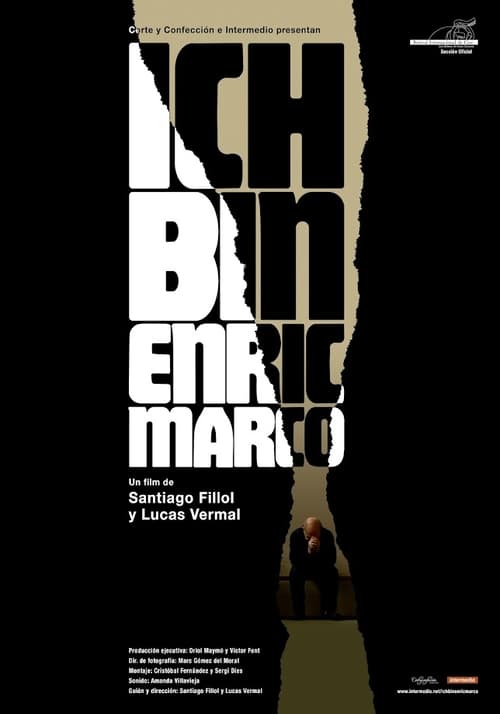
Enric Marco, ex-president of the Spain’s main deportees’ association, embarks on a car trip to Germany, a demythologising journey into his past. Two years earlier, a historian had shown that Enric Marco wasn’t the member of the Resistance he had claimed to be, and that he’d made up the stories of his experiences in a concentration camp that he had been recounting on television for years. Now, Marco retraces the route of his 1941 train journey as part of a convoy of workers sent by Franco to Hitler, in the middle of the Second World War.
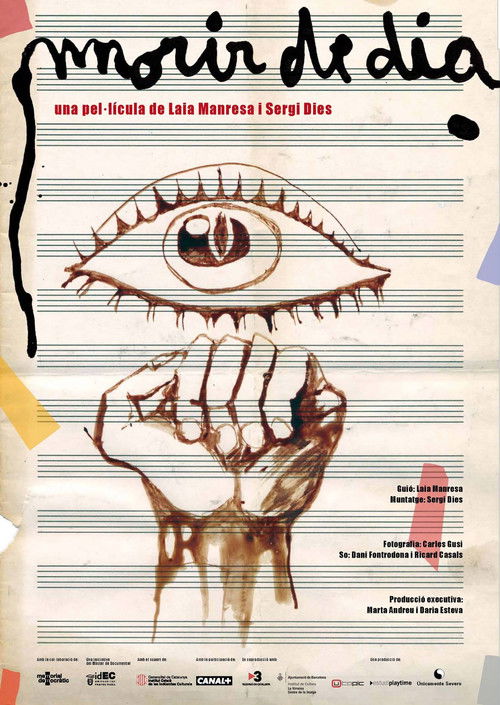
MORIR DE DIA writes history from the Transition to the present day through one of its hidden faces: heroin. The stories of characters like Pau Malvido, Mercè Pastor, Pepe Sales or Juanjo Voltes are intertwined to draw the challenges of a chosen life, marked by addiction, from the entry of drugs in Barcelona after Franco's death to the present.
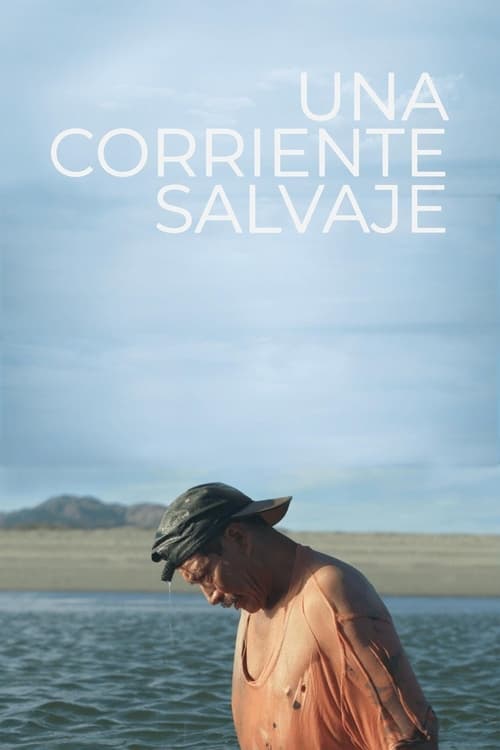
Chilo and Omar seem to be the only two men on earth. They live on a solitary beach and their constant activity is fishing to survive. Their friendship, surrounded by sensuality, becomes a kind of a love story. Through their conversations and their relationship, the film explores and portraits human condition.
No description available.
Isra and Cheito are two brothers who have taken very different paths in life. When Isra gets released from prison and Cheito comes home after a long tour with the Marines, they both return to the island of San Fernando. The reunion of the two brothers will bring with it the memory of the violent death their father suffered when they were just boys; the need to get back on track with their lives and finally come to terms with what happened will bring them together again.
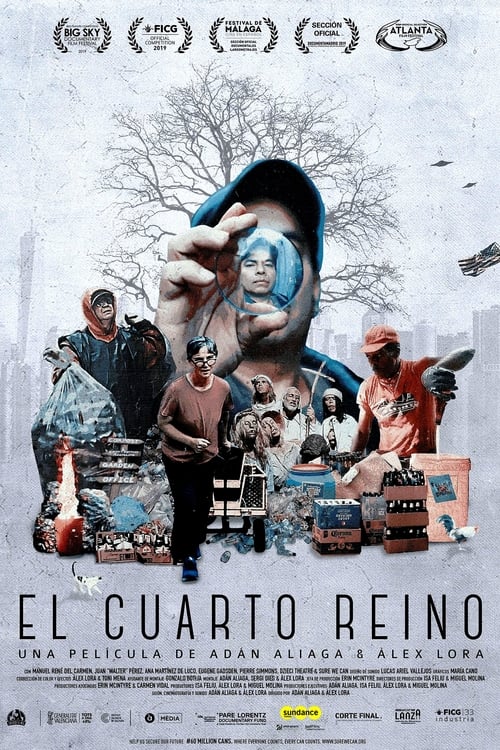
The regular visitors to a recycling center in the Brooklyn borough of New York, run by René, a discreet Mexican who works and sleeps there, and by the Spaniard Ana de Luco, form a community capable of transcending their reality to turn it into a realm of their own, sometimes surreal, outside the great collective swindle of the American dream. (Based on the short film The Fourth Kingdom, 2017.)
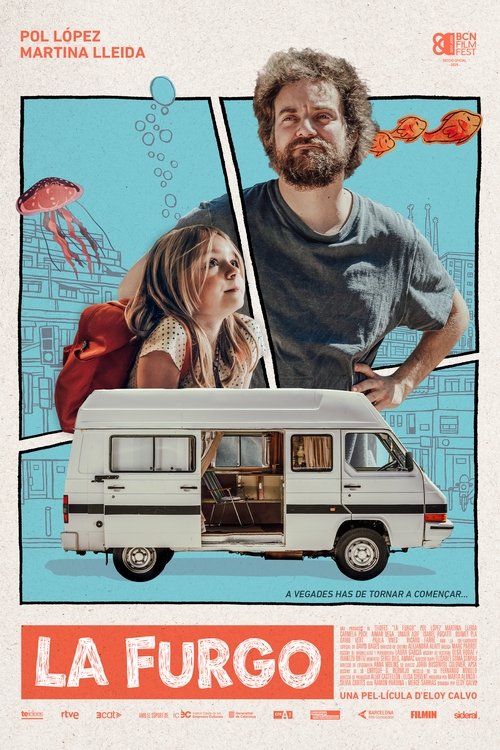
Living in a van on the outskirts of Barcelona, Bear (Pol López) does everything he can to give his six-year-old daughter a life filled with joy, even when there's little to hold onto. Between unsteady routines and fragile hopes, their bond becomes a quiet act of resistance. A heartfelt story about love, dignity, and the small miracles that can bloom in the hardest places.
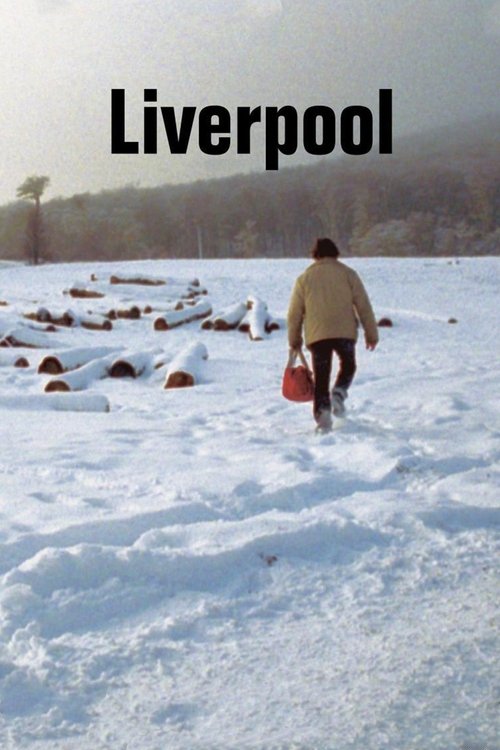
A sailor takes a short leave to visit his hometown and see if his mother is still alive.
A musical, and also a reflection on watching, on trying to escape an anthropocentric gaze and also on watching itself in cinema. Featuring mares and horses: Triana, Víctor K, Bambi Sailor, San Special Solano, Buck Red Skin, Onkaia, Cool Boy, the donkey Agostino, the mule Guapa. And also Alfredo Lagos, Raül Refree, María Marín, Pepe Habichuela, Virgina García del Pino, María García Ruiz, Pilar Monsell, María Pérez Sanz.
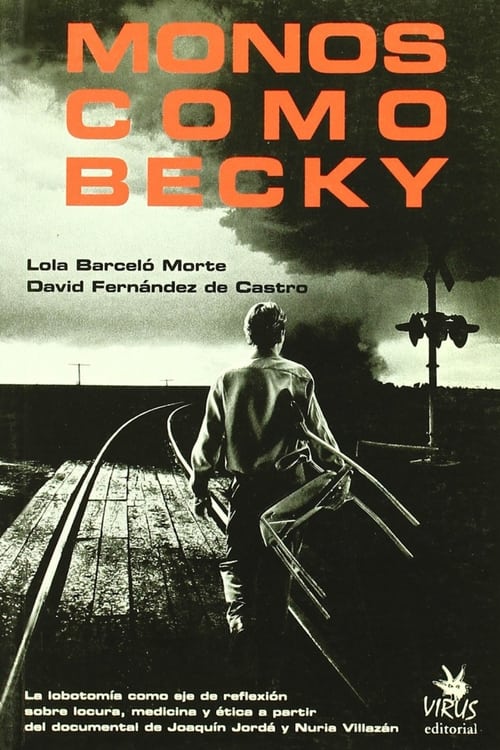
The first part of this documentary deals with the Portuguese neurologist António Egas Moniz, Nobel Prize for Medicine in 1949, one of the first surgeons to apply the technique called lobotomy for the treatment of schizophrenia. The second part deals with the everyday life of people with schizophrenia today: behavior and relationships, and treatment for the disease.