Directing
Wacław Kaźmierczak (August 5, 1905 – April 10, 1981) was a Polish film editor and cinematographer.
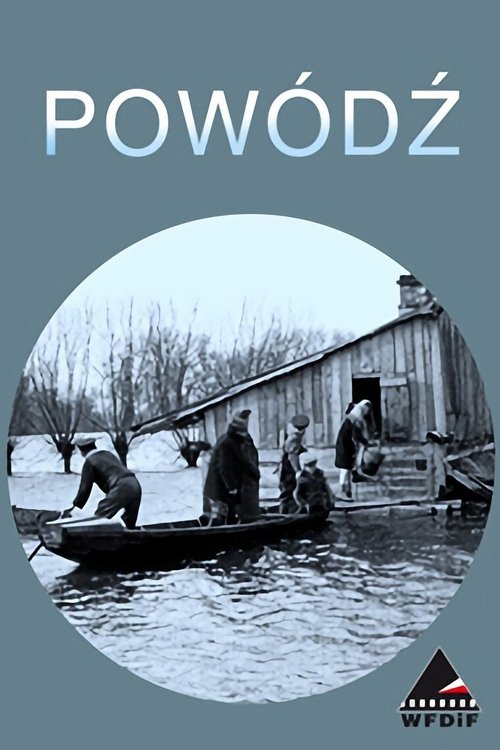
Short documentary about the flooding that struck Poland in the spring of 1947.
Over a decade after the almost total wartime destruction, Warsaw still looks bruised and battered. Ruined houses are nevertheless inhabited which can be dangerous for the local population.
A film suite divided into three parts showing successively the defeat of Warsaw, the gradual awakening of the capital and the first post-war Warsaw spring. The film has no commentary, only music, whose mood and rhythm are closely related to the character of the presented images.
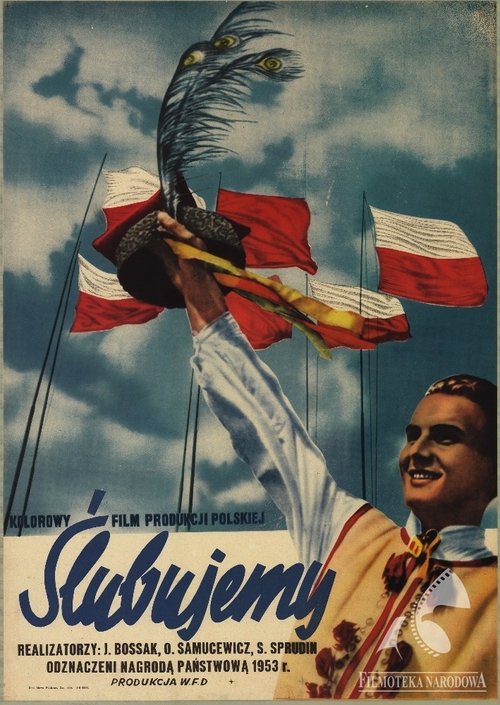
A poetic piece of reportage focusing on a convention of young shock workers in Warsaw. The climax of the event was the solemn oath of the youth of the Polish People's Republic. It took place on the 22nd of July 1952 – the day of the adoption of the constitution of the Polish People's Republic.
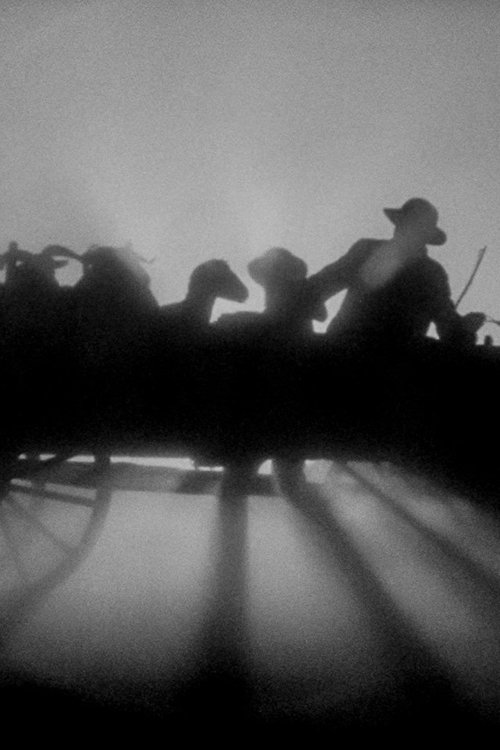
Redyk is a ceremonial exit of shepherds with sheep flocks to the mountains. The sheep graze there. The Great Redyk is a post-war propaganda film with exceptional shots awarded in Cannes.
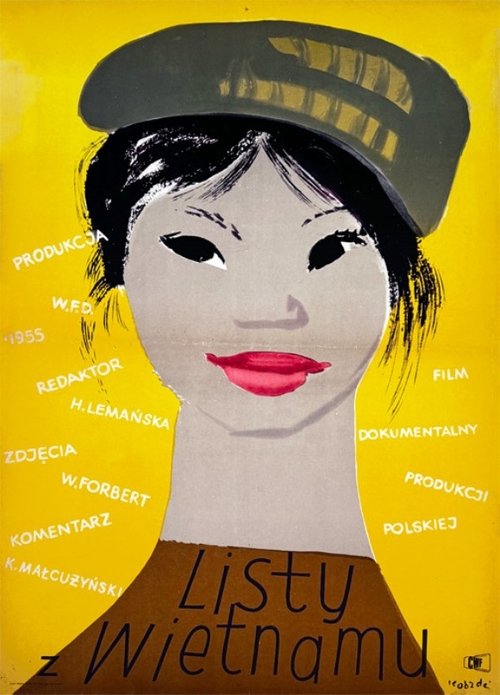
A series of twelve "letters" from different parts of Vietnam in the days following the 1954 Geneva Conference, written in images and narrated in voice-over.
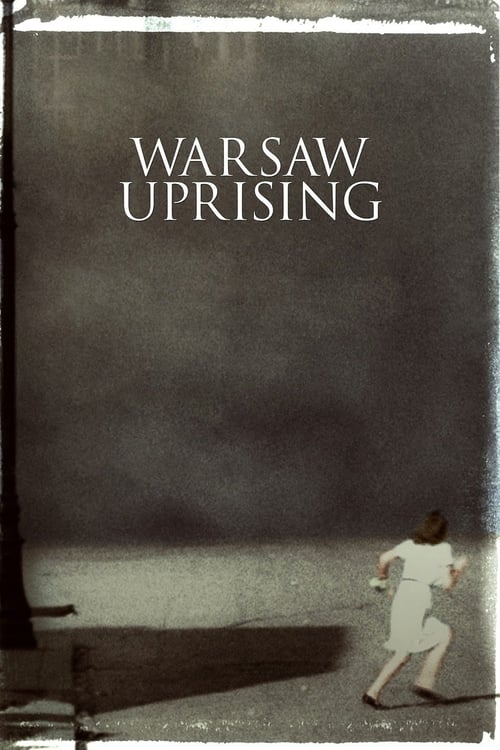
It tells the story of the Warsaw Uprising of 1944 through the eyes of a US airman, escaper from the Nazi Stalag camp and two young reporters, cameramen for the Bureau of Information and Propaganda of the Polish Home Army. Their mission: documenting the Uprising by shooting newsreels for the “Palladium” cinema. Looking for the right shots, they go deeper and deeper – literally and figuratively – into the heart of the Uprising. Traumatic truth becomes obvious. Aware of being witnesses of indescribable events, they realize their duties: to document them and preserve the rolls of film at any cost…
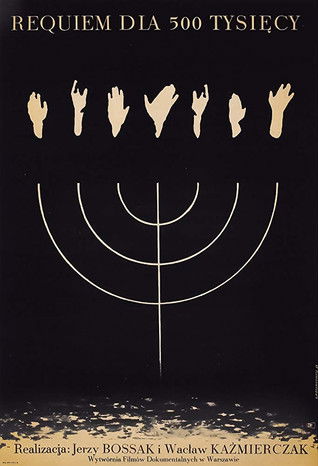
A short documentary made in 1963 by Jerzy Bossak and Wacław Kaźmierczak featuring unique archival footage of the Jewish Ghetto of Warsaw. The Warsaw Ghetto (pol. “Getto Warszawskie” ) was the largest of all Jewish Ghettos in Nazi-occupied Europe during World War II. From there, about 254,000 Ghetto residents were sent to Treblinka extermination camp during the three months of summer 1942.
A documentary showing the First of May celebrations.
A film about Polish-Soviet brotherhood in arms.
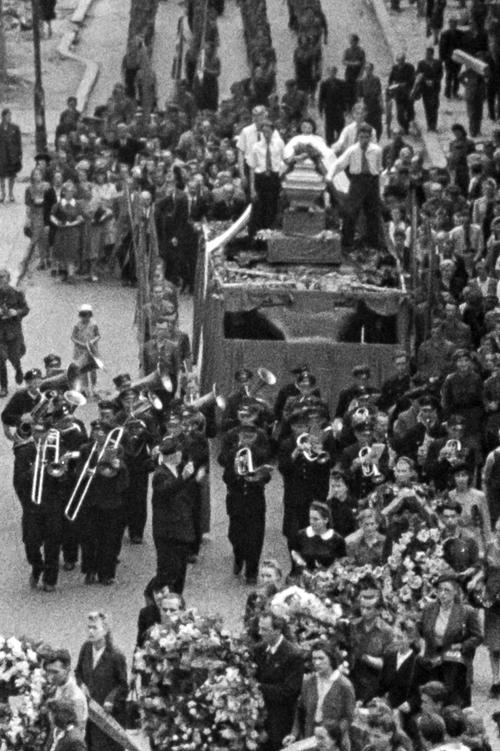
Stefan Jaracz, expecting his death, wrote a letter to his fellow artists. Quotations from this ideological testament and excerpts from a pre-war film titled “Jego wielka miłość” accompany the shots of the famous actor's funeral in 1945.
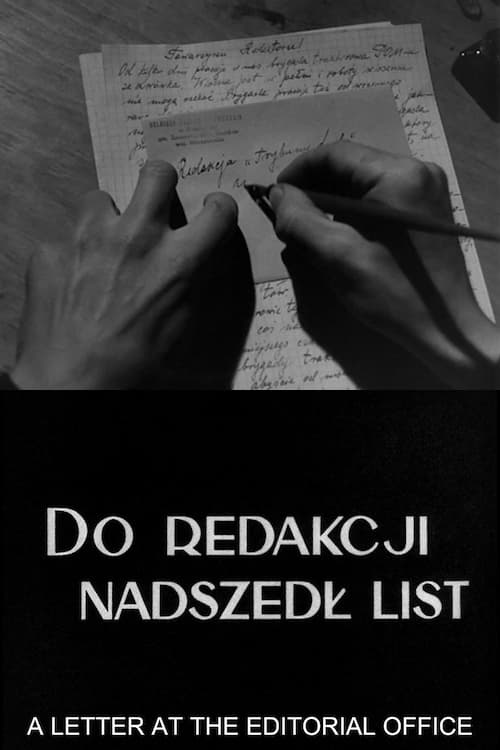
The documentary shows the work of journalists and the importance of the press in building socialism. It is an exemplary implementation of the socialist-realist convention imposed on Polish cinema in 1949, in which all elements of the film structure were subordinated to the persuasive function.
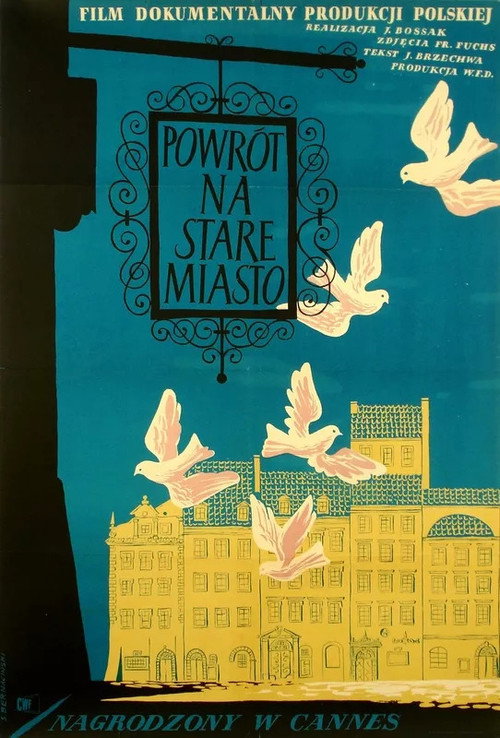
The film shows the reconstruction of Warsaw's Old Town.
Report from the trial of Nazi criminals before the international tribunal in Nuremberg.