Production
No description available.
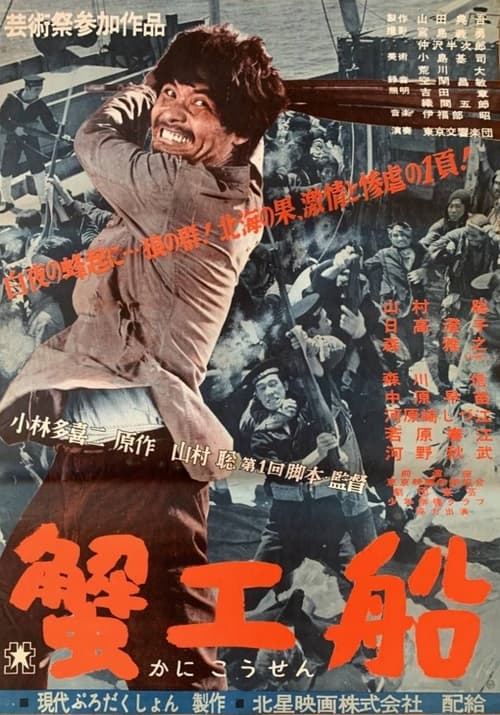
Describes the oppressed life of the crab fishermen and their final revolt which is bloodily suppressed by the Royal Navy.
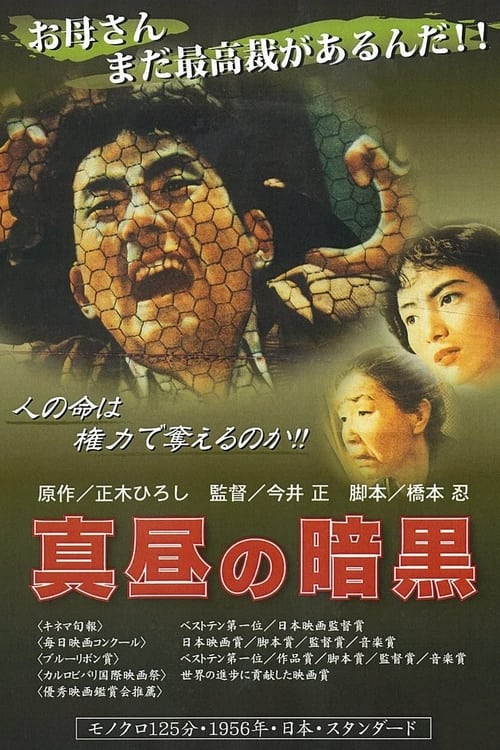
Police beat a murder confession out of four innocent men who are then sentenced to death. Based on a true story.
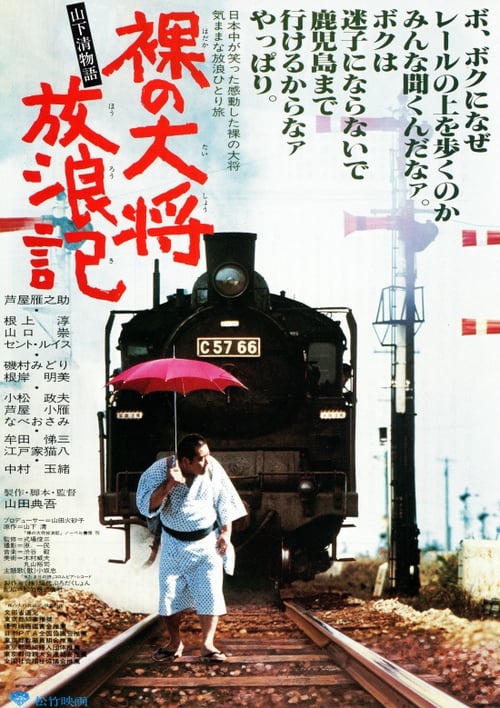
Sent to an institution for mentally handicapped children by his parents, he began creating artworks using torn strips of paper. After running away to avoid army conscription, he began his wanderings around Japan, encountering many scenes which he would recreate as torn paper art from his amazing photographic memory.
1977 Japanese film directed by Tengo Yamada.
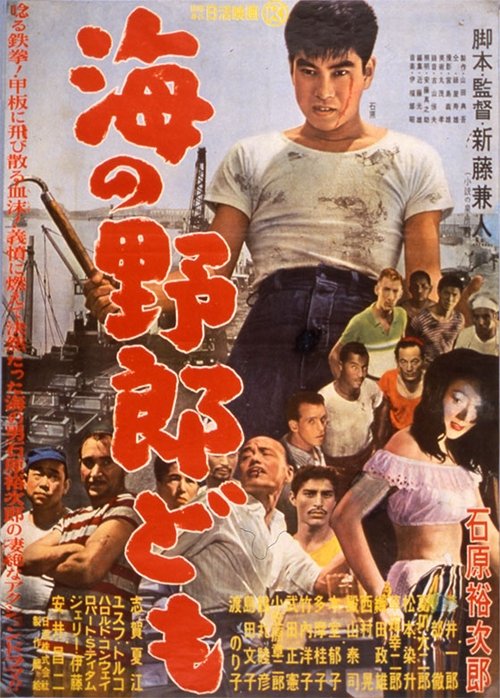
A scrap iron carrier arrived at Tokyo bay. The ship swarmed with the stevedores, the souvenir seller and the hookers. The crews of ship were oppressed by arrogant captain and his officers. The crews caused an uprising. A manager of stevedore ordered his employee leader to suppress an uprising...
1972 Japanese film directed by Tengo Yamada.
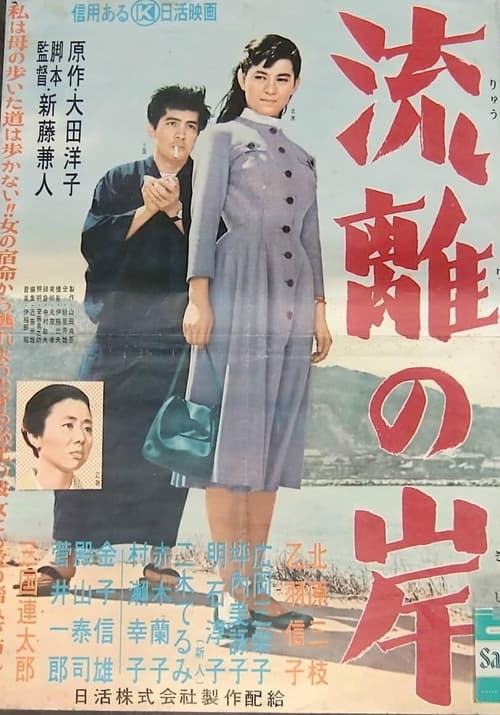
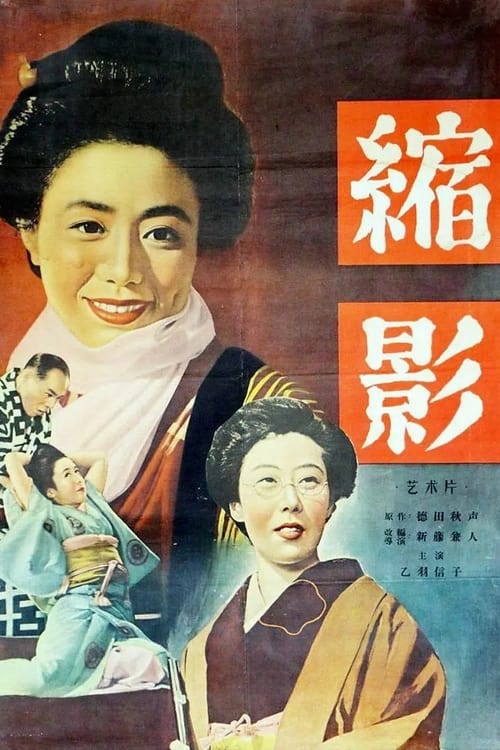
Ginko, a poor cobbler's daughter, becomes a geisha to support her family. She passes from one geisha house to the next, trying to find love and hope in the process. No matter how hard she tries, she just can't escape her sad fate.
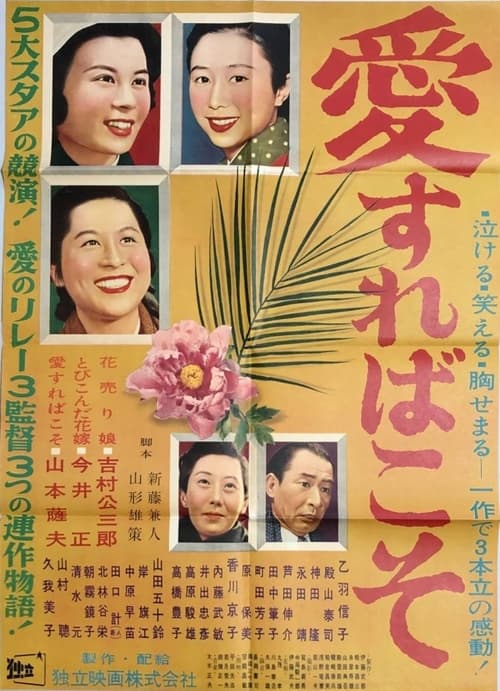
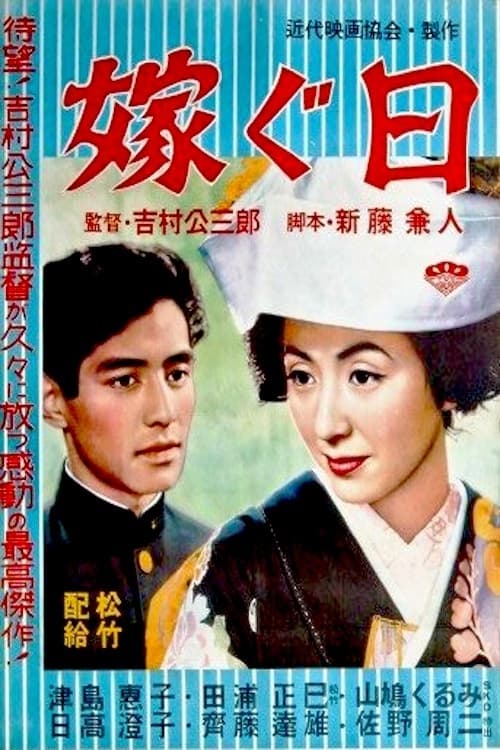
The film consists of three short stories. Tomiko, the heroine of the first story, "The Flower Girl" (dir. Kozaburo Yoshimura), is a little girl who bears the unbearable burden of caring for her family. Tomiko's father has been unable to find work for a long time, and her older sister is terminally ill—it is unlikely that she will ever recover. To feed her family, Tomiko runs around the city from morning until late at night selling flowers... The second novella (dir. Tadashi Imai) also depicts the lives of the poor. An unfamiliar girl brings young Kavano a letter from his mother. It turns out that the girl's name is Kuniko, she is very hardworking, but her family is dying of hunger. Therefore, her mother decided to send Kuniko to her son so that he would marry her. The short story is called "The Unexpected Bride." The third short story, which gave the film its title, is particularly interesting: "When You Love" (dir. Satsuo Yamamoto). It shows the family of a young peace activist.
First live action adaptation of Keiji Nakazawa's manga.
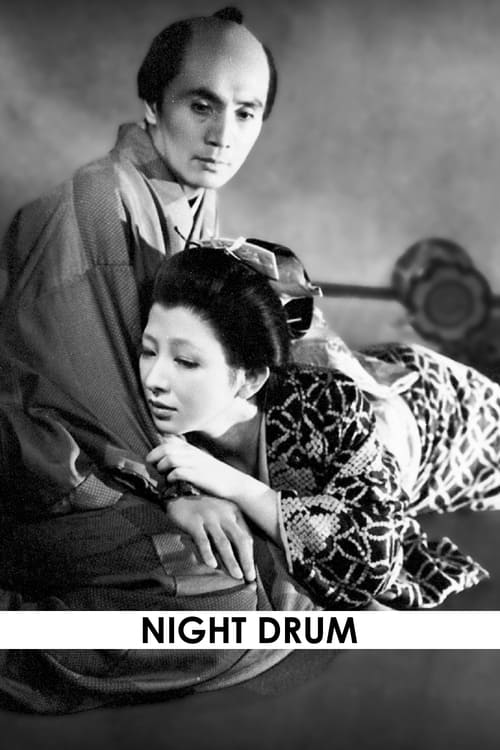
Following a yearlong attendance upon his shogun in Edo, samurai Hikokuro makes a long-awaited return to his home and doting wife, Dane. Initially greeted by the effusive welcome of his family, spiteful whispers also reach his ear about an adulterous affair carried on, in his long absence, between his wife and a famous drummer. With Hikokuro’s honor imperiled by rumor, his family insists on a formal investigation into the veracity of the gossip. Through the combined testimony of many witnesses, a tale unwinds around the visits of a traveling musician hired to tutor the family heir, the spurned attentions of the man who started the rumor, and the ultimate truth behind the accusations. The conclusion of events prove as much an indictment of bushidō as it is of the reluctant parties involved. Adapted from a 1706 play by Chikamatsu Monzaemon and based on a true case.
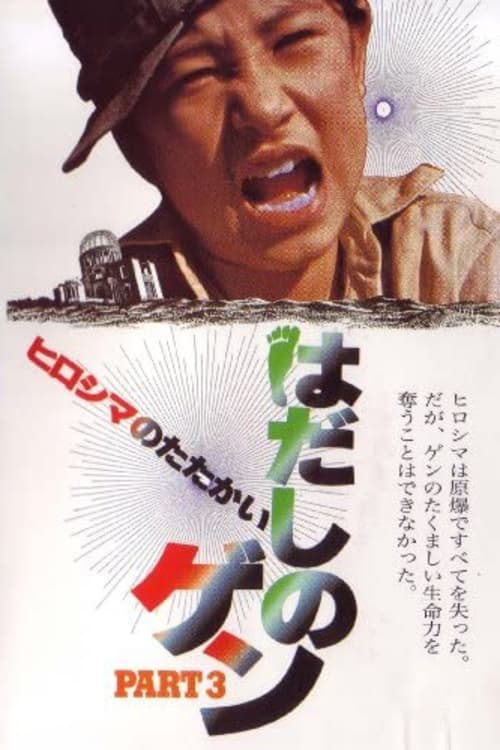
Second live action "Barefoot Gen" sequel.
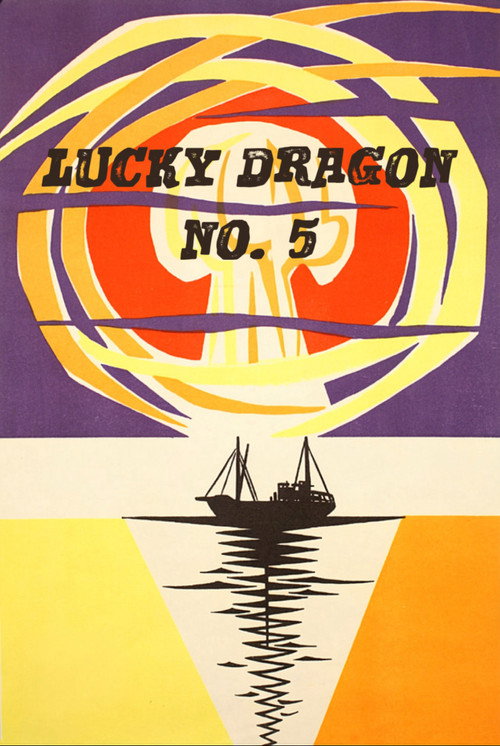
An ageing fishing boat, Dai-go Fukuryu Maru ("Lucky Dragon No. 5") sets out from the port of Yaizu in Shizuoka Prefecture. It travels around the Pacific line fishing. While the ship is near Bikini Atoll, the ship's navigator sees a flash. All the crew come up to watch. They realize it is an atomic explosion, but take time to clear their fishing gear. A short time later, grey ash starts to fall on the ship. When the ship returns to port the sailors have been burned brown. They unload the fish, which are then transported away. They visit the local doctor and then go to Tokyo for an examination. It turns out they are all highly radioactive. Their symptoms become worse, and the contaminated fish causes a panic.
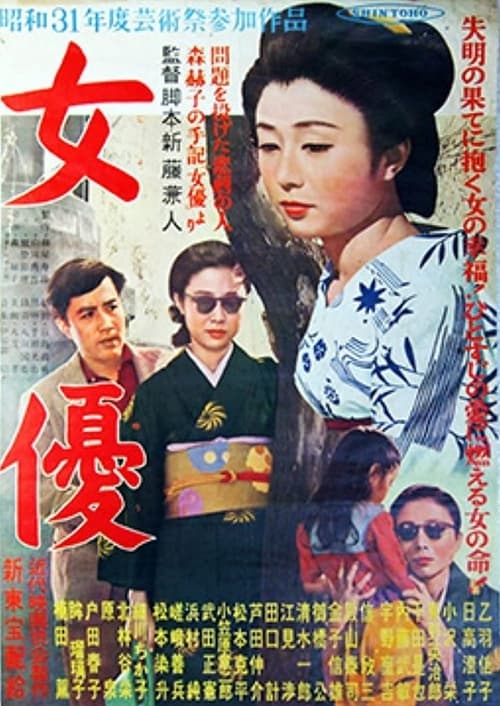
Based on Kakuko Mori's autobiography, about her life and retirement from acting due to her increasing blindness.
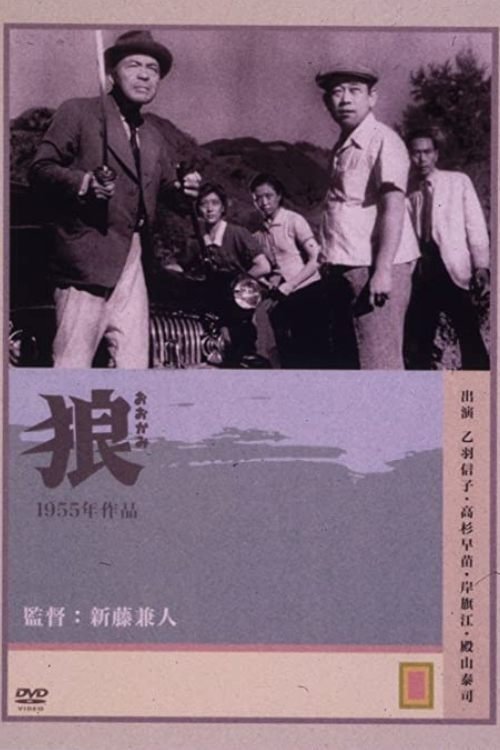
A group of five rookie insurance salespersons, driven to desperation by the impossibility of their work in Japan's failing postwar economy, form a plan to rob a cash delivery truck in order to provide for their families.
First live action "Barefoot Gen" sequel.
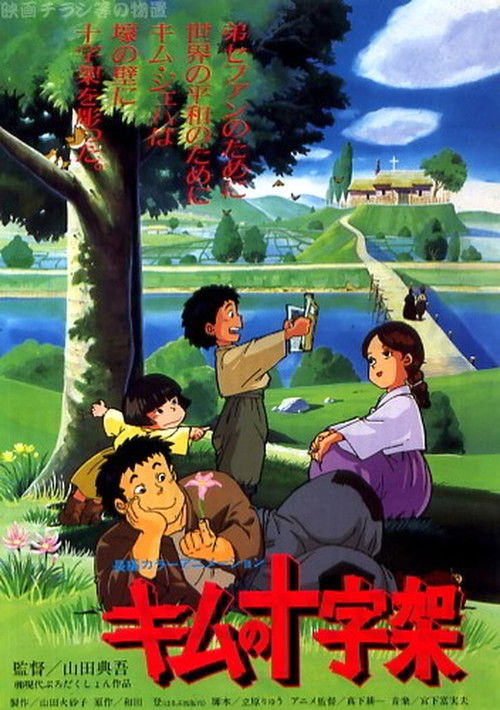
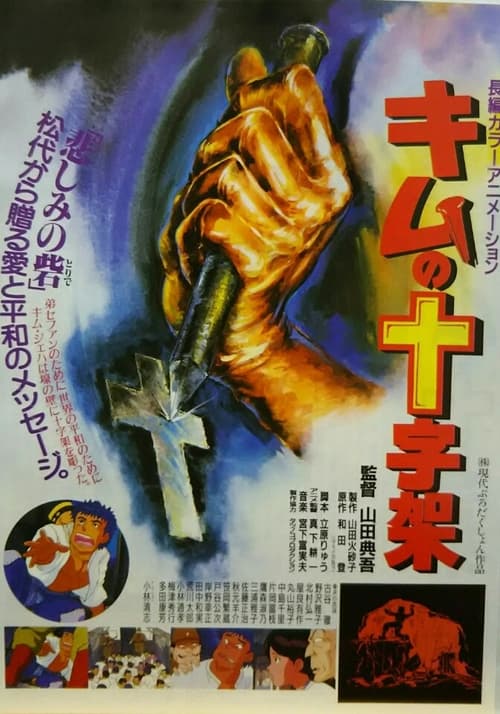
Jae-ha, who was living with his brother Sae-fang in the Japanese-occupied Korea during World War II, was taken to the mainland Japan and forced to work on the construction of Matsushiro Imperial Headquarters until the end of the war.
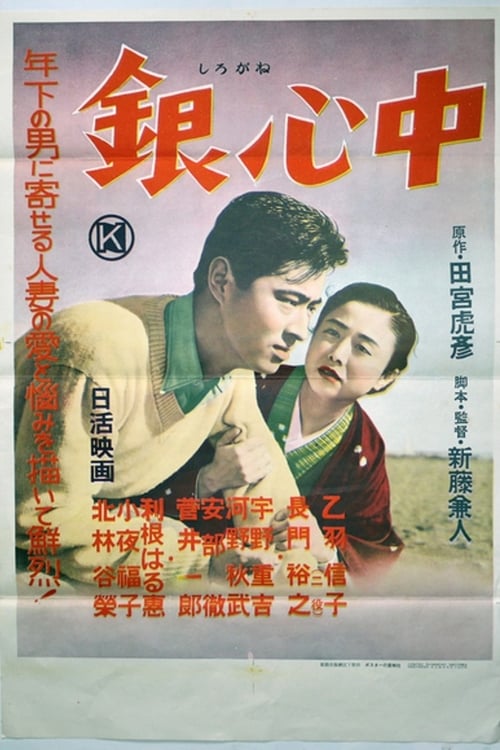
Based on the novel by Torahiko Tamiya.
Shinsaku was once a renowned playwright, has now been left behind by journalism and is living a lethargic life in Oiso. His family is concerned with Shinsaku regaining his old vigor as a writer and Sakie, his daughter, finding a suitable match, while the family is struggling with the losses of war.