Roswitha Ziegler
Directing
Known For

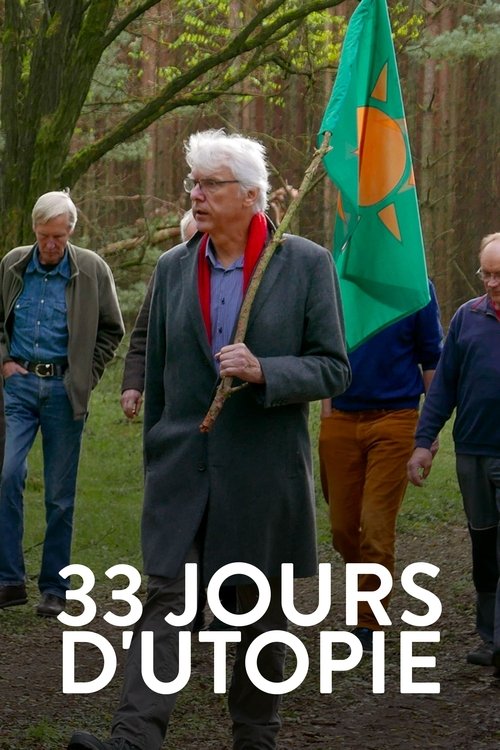
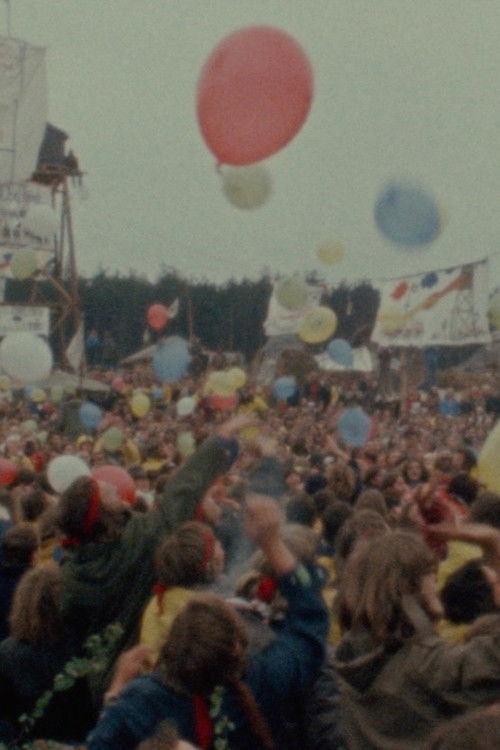
In May 1980, more than 800 people lived for 33 days near Gorleben in the protest camp ‚Free Republic of Wendland‘ and thus prevented for a short time drilling for the planned nuclear waste repository in the nearby salt dome.
33 Days of Utopia

Biggi lives with her two daughters, four dogs and her exboyfriend Alfred on a dilapidated farm in a small village in Saxony-Anhalt. Biggi and Alfred are out of work and they live very modestly. The 14 and 17 year-old daughters Saskia and Denise should really go to school, but there are always reasons for them to stay at home. This gives rise to tension with Alfred. We accompany them during their conflict-ridden everyday lives and learn something about their dreams, fears and hopes. And how difficult it is to break out of a circle.
Family Life
Designed as an exciting hybrid between documentary and fiction, this film offers a special look at the nuclear resistance in Gorleben in the years 1981-1985 in Germany. A fictional acceptance researcher tries to mediate between the fronts of the anti-nuclear movement and the police. With his sociological lectures, the committed scientist often contrasts the political utopia of the opponents of nuclear power with the given political reality in a tongue-in-cheek manner. Exciting ironic-self-critical nuances in the documentary material, which shows the turbulent events in the Wendland in the 1980s.
Zwischenzeit
A woman from a big city moves to a small village near the former border zone between East and West Germany. What is she looking for? What will she encounter? Rural life in the era of globalisation turns into an adventure. History lives in objects, stories and customs here since it was first recorded 800 years ago. Wars and famines have left their traces, just as churches, political parties and various forms of government. The change of the times, structured by television, has almost obscurely changed the old rhythms of life; supermarket offers changed eating habits and food stock economy. Is it folklore nostalgia or a matter of preserving one’s way and quality of life to keep the old customs and habits, such as preserving old types of plants and boiling down cucumbers? The village - a mutual exchange of experiences and garden products. The village is like an onion: it shows ever new surprising layers and leads us deep into unwritten pasts.
Village
No description available.
Landfrauen

No description available.
Noch hier. Schon da

In the spring of 1980, anti-nuclear activists occupied a drilling site near Gorleben and set up a "village of peace" there, consisting of homemade wooden houses and tents. The 33-day occupation was accompanied by discussions, concerts, and theater performances—and by the Wendland Film Cooperative, which documented the anti-nuclear movement from the very beginning. The "Free Republic of Wendland" was a dream that came true for a short time before several thousand police officers cleared the site. In addition to the construction and clearance, the film also shows what is at risk: the untouched landscape and the people who live there.
Der Traum von einer Sache
A documentary film about the citizens' initiatives and protests by various segments of the population in the Federal Republic of Germany against the planned nuclear waste reprocessing plant in Gorleben from 1977 to 1979.
Die Herren machen das selber, daß ihnen der arme Mann Feyndt wird
Planetary escape: Earth is ruined and must be abandoned. An elite group is being trained to move out and conquer a new, better world.
Gestern war heute noch morgen
The last film footage of Günther Anders, who died in December 1992, consists of a conversation with him about his "career," his position on nuclear power, and his reflections on violence and resistance. The film is intended as a document; only sentences or individual words spoken by the philosopher Anders are repeated, preceded by intertitles, "underlined," and placed in a different context than Anders intended. It is about reflecting on our possible range of actions.