Sound
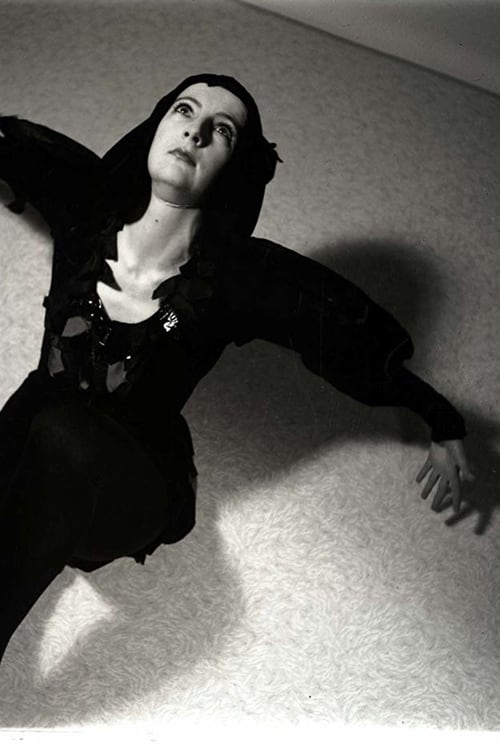
About two key pioneers of Swedish dance in the 1900s: Birgit Åkesson and Birgit Cullberg. Both were born in 1908 and became choreographers who made a big impression in the international dance history. Birgit Åkesson, in the serious "Fertility" directed by Alf Sjoberg, debuted in 1934 in Paris. She was co-designed the European avant-garde modern dance language, and created in the 1950s and 1960s, legendary works for the Stockholm Opera together with others including composer Karl-Birger Blomdahl and Erik Lindegren as librettist. Birgit Cullberg gives a much more relaxed and humorous impressions in "Antonius & Cleopatra", directed by Gerd Osten. Cullberg got her big break as a choreographer a few years in "Miss Julie" in 1950. After spending some time abroad Birgit Cullberg returned to Sweden and formed in 1967 the Cullberg Ballet, which she led until 1985. Topsy Håkansson, who performs the role as the gypsy.
A number of complicated relationships develop between a circus ringmaster, his estranged wife and his lover.
Joergen (Per Myberg) is the Swedish journalist who uncovers a gun-running operation on the borders of Vietnam. The trail leads to a financial group of wealthy industrialists lead by Magnus Rud (Max von Sydow). He refuses to bury the story, leading to trouble for the idealistic reporter and his girlfriend Christine (Lena Granhagen) in this political drama about the war machine and freedom of the press.
Swedish composer Karl-Birger Blomdahl’s image-sound composition Altisonans is an experimental film addressing the relationship between Earth and space. The word ‘Altisonans’ can be translated as ‘that which resounds from space.’ The film was initially made for Swedish television, where it premiered on 25 September 1966, and was the first time the composer transposed a sonic idea into visual material.
Nobel Laureate Harry Martinson's famous poem consists of 103 cantos and relates the tragedy of a space ship which, originally bound for Mars with a cargo of colonists from the ravaged Earth, is ejected from the solar system after an accident and into an existential struggle.