Alain Klarer
Directing
Known For

Marcello Mastroianni, Isabelle Adjani, Alain Delon, Martin Scorsese, Woody Allen... the biggest stars in cinema were welcomed by Christian Defaye on his show Spécial cinéma. Between intimate confessions from actors and immersion in the world of the greatest filmmakers, Christian Defaye took viewers on a journey into the fascinating world of cinema for nearly thirty years.
Spécial cinéma
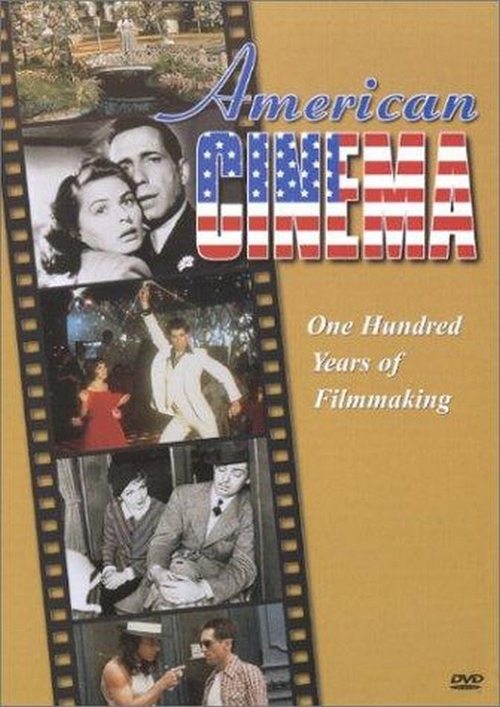
13 episode series created by PBS to commemorate 100 years of movie-going. The history of Hollywood and filmmaking comes alive in this spectacular celebration of movie magic. It's a mesmerizing, epic analysis that combines rare archival film, key scenes from immortal movies, interviews with leading filmmakers and commentary from noted film scholars and critics. As seen on PBS, this series is the definitive chronicle of the American cinema, from its beginning to today. Includes interviews with Robert Altman, Clint Eastwood, Harrison Ford, Spike Lee, George Lucas, Sidney Lumet, Julia Roberts, Martin Scorsese, Gene Siskel, Steven Spielberg, Oliver Stone, Quentin Tarantino, and many more.
American Cinema
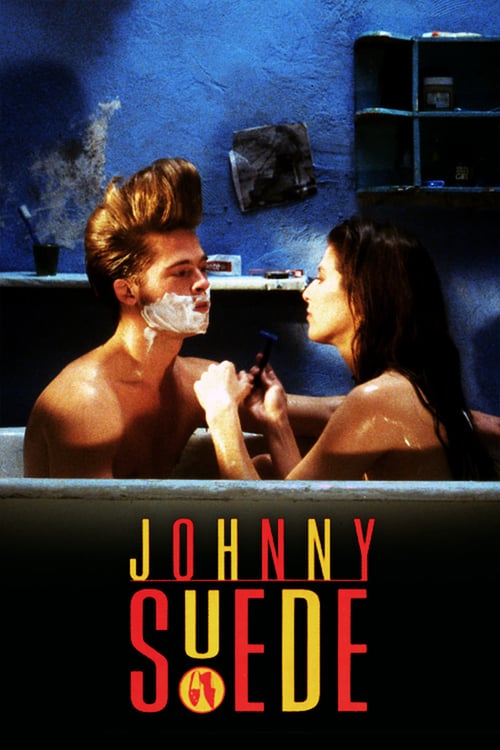
Johnny Suede (Brad Pitt) longs to be a teen-age idol like Ricky Nelson. He has a pair of black suede shoes, an impressive pompadour, a guitar, and some pals who will play backup for him. Yet he doesn't have much talent or drive.
Johnny Suede
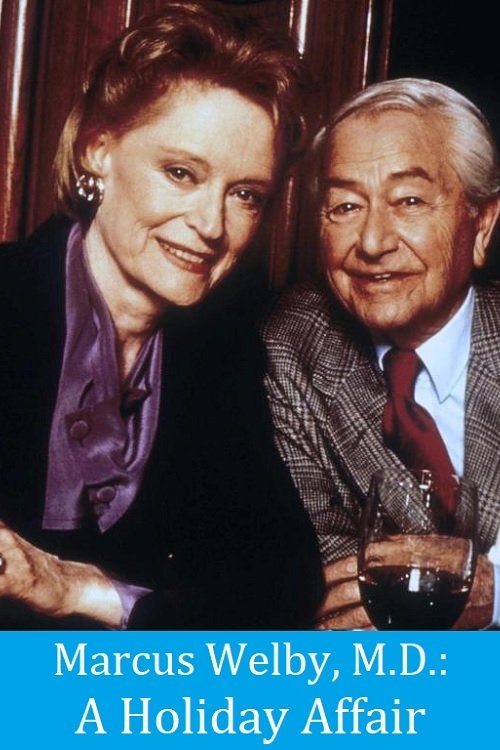
Robert Young brings his Marcus Welby alter ego to television for one last time. Having retired, the good doctor takes a trip to Europe alone and falls in love with an American divorcee who is caring for a blind dancer.
Marcus Welby, M.D.: A Holiday Affair
Thirteen Swiss filmmakers, each from their own point of view, chronicle and reconstruct the narrative of Swiss cinema, from its beginning to the present day, and in doing so, retrace the history of the country.
Le film du cinéma suisse

A three-part documentary about four young men who were active members of the Zurich youth movement in the early 1980s and died tragically as a result of “accidents” with the involvement of the police. The exuberant Dani and Michi stole a motorbike to go on a joyride; a police car gave chase and caused their fatal crash. Renato, a young junkie raised in orphanages, was shot by the police while driving a stolen car. Max, an innocent bystander at a youth demonstration, was clubbed on the head by a police officer, and later died of complications caused by his head injuries. Taken together, these three incidents reflect the tense and violent atmosphere of the time and the conflict between repressive authority and a young generation desperate for freedom
Dani, Michi, Renato & Max
Madness and anarchism in Alain Klarer's L'Air du crime are too often self-oppressed, having forgotten to live free in their minds. Elena's "terrorism" and Robert's gratuitous quest are all irrational acts perhaps, but ultimately free, a form of rebirth. Yet, some will not be able to bear this madness, chained like Stutz to a coherent structure. Thus, the film moves towards lyricism. First through Peer Raben's music, then through Hugues Ryffel's images. A play on color and light, contrasting a cold, gray, metallic frame and lighting on the rational side, and a sublime, extraordinary blue towards Lake Lucerne, on the side of night, dreams, imagination, suicide, and freedom. Even if the simple narrative sometimes takes over from the madness of the film, it remains a very rich first work, a vast fresco of symbols and ideas.
L'air du crime
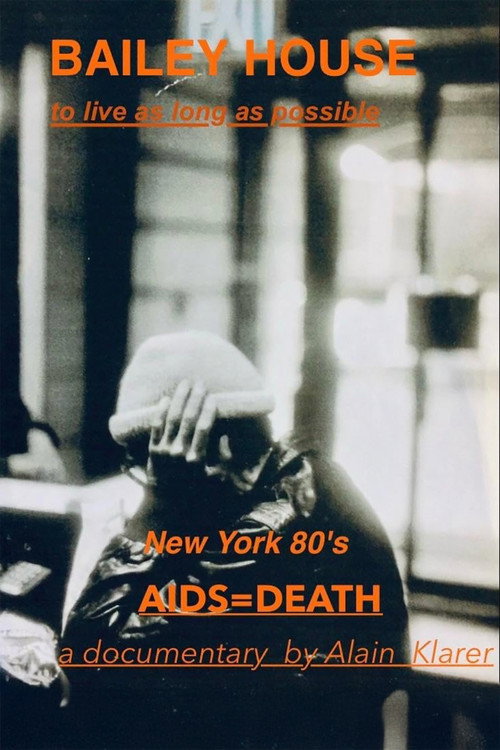
Everyday life in a house where death is omnipresent, but in which, in contrast to a retirement home, mainly younger people live. Bailey House is a former hotel where 44 AIDS patients live. A refuge for a fraction of people suffering from AIDS in the city of New York, where they find shelter, supervised by a competent team. Fellow sufferers, perhaps even friends in the face of a disease that is stigmatized by society and means social isolation for most of those affected. People of different social backgrounds meet here. However, the largest proportion is made up of young black formerly drug addicts. Bailey House, the last stop in their young life, is often even the first real home, in most cases also the most beautiful place where they have lived so far.